What is Pisco?
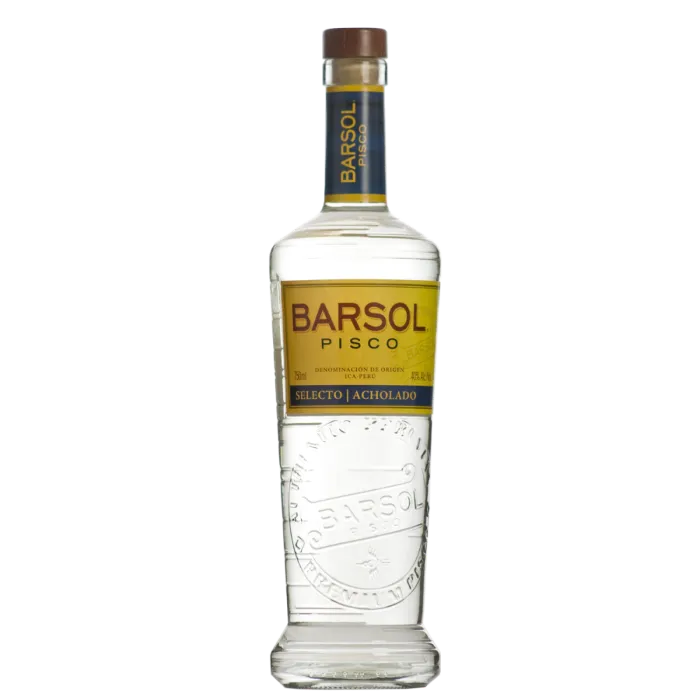
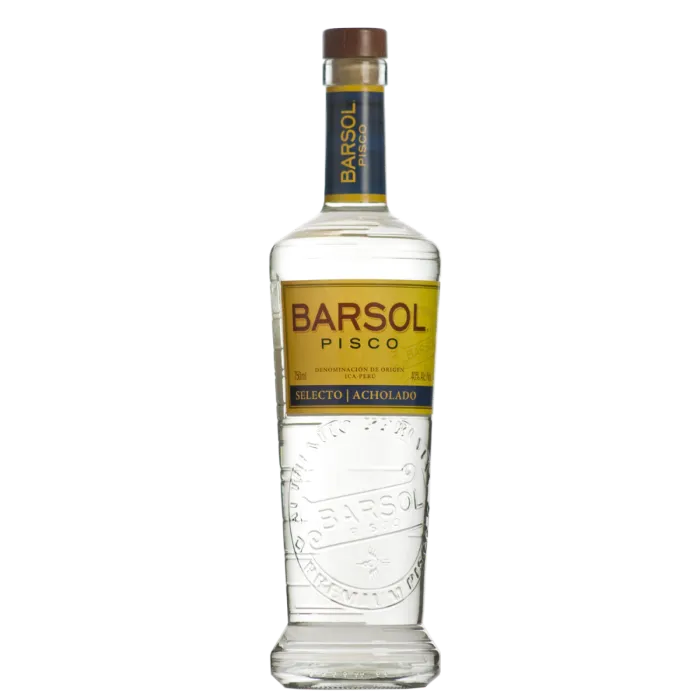
Grape brandy from Peru or Chile, typically unaged in the Peruvian style; the aromatic base of the Pisco Sour.
The basics
Pisco is grape brandy produced under Peruvian or Chilean rules, which do not agree. Peruvian pisco is distilled to bottling strength (no water added after distillation under the usual reading of the rules), made from specified grapes, and may not be aged in wood that imparts flavor — it rests in glass, stainless steel, or other neutral vessels. Chilean pisco allows different grapes, dilution, and wood aging.
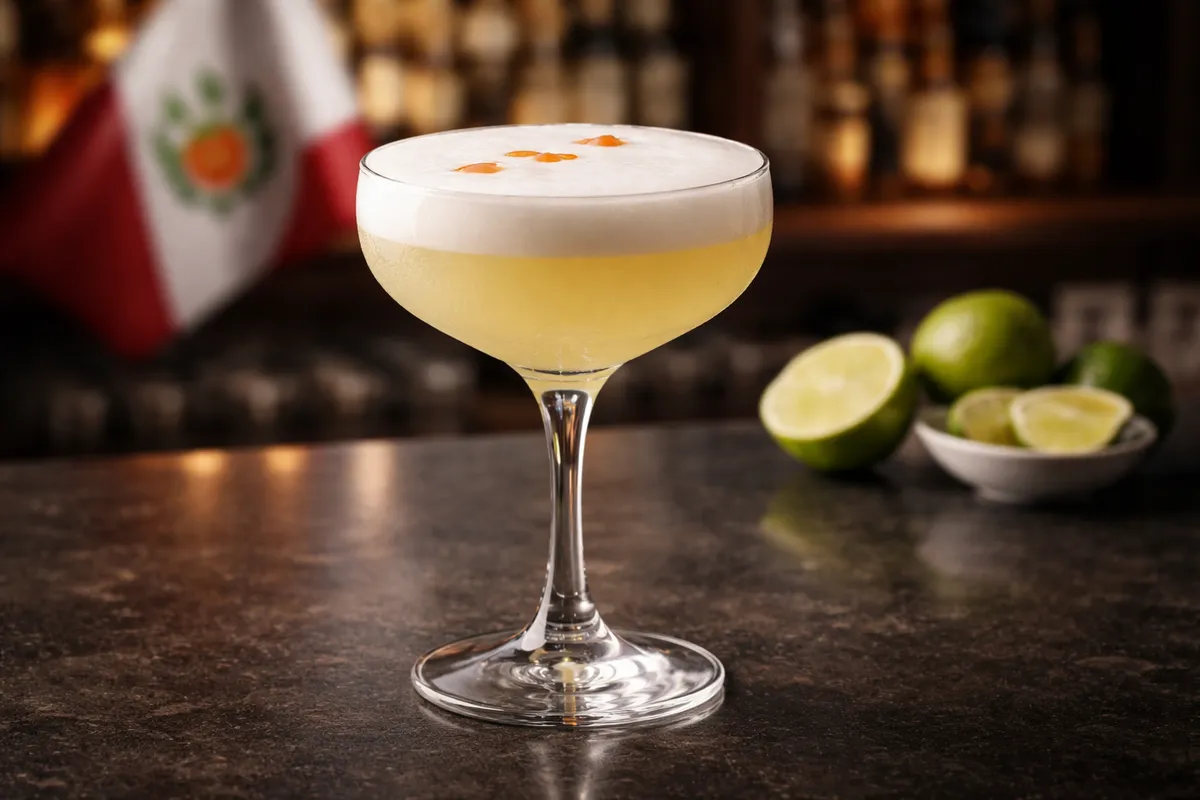
It is an unaged (or lightly wood-influenced) fruit brandy used as a sour base. The Pisco Sour — pisco, lime, sugar, egg white, aromatic bitters dotted on the foam — is the drink that justifies the bottle on most bars. The spirit’s perfume is what the template is built to display.
How it tastes
Floral grape, citrus peel, herb; some varietals (Italia, Torontel, Moscatel) are highly aromatic, while Quebranta is earthier and less perfumed. Peruvian pisco is unaged in wood and shows the grape clearly. Chilean pisco may see oak, which rounds and slightly vanillin-coats the same idea.
Where it comes from
Grape distillation in the Andes followed Spanish colonial viticulture; Peru and Chile both claim the name and maintain separate legal definitions. The Pisco Sour is an early-20th-century drink. Victor Vaughen Morris’s bar in Lima (1920s) is the most cited origin; Chilean and Californian claims exist as well. The bitters-dotted egg-white foam is the contemporary presentation.
Unlike aged brandy sours, the Pisco Sour depends on a clear, floral distillate and fresh lime. It is a member of the sour family, not a novelty shooter.
How to use it
Shake the sour hard, with egg white if foam is wanted (a dry shake then ice is the usual texture method). Fresh lime is required; bottled juice flattens an aromatic spirit. Peruvian pisco is the mixing default in most English-language recipes. Chilean pisco will work but may taste oakier. Substituting vodka removes grape aromatics; substituting gin adds juniper the sour was not balanced for. Pisco is stable; the aromatics are why it is opened for this drink rather than for a highball.
Note
Peruvian pisco may not take flavor from wood; the grape character in a Pisco Sour is distillate, not barrel. Chilean rules are more permissive of oak.
What pairs with it
Cocktails with Pisco
Recipes in the MixWise library whose specs call for this ingredient.
Pisco
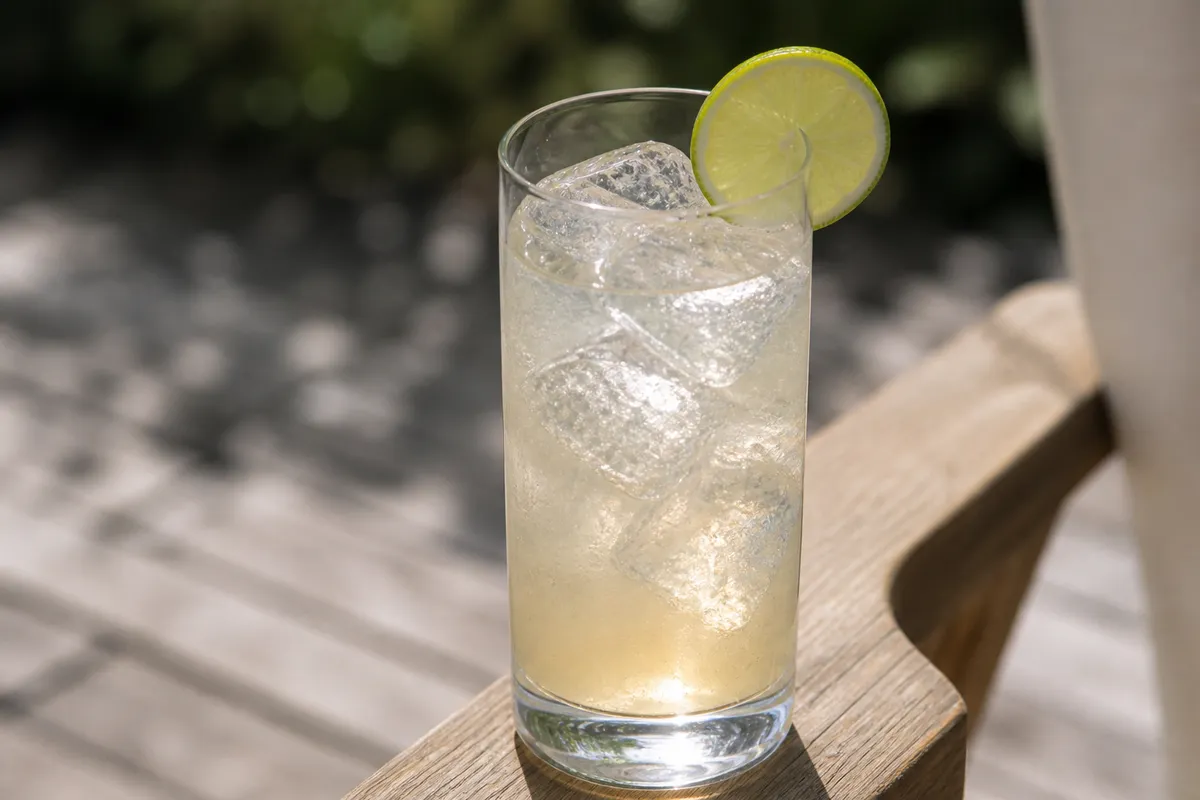
Chilcano
A Peruvian highball of pisco, lime, ginger beer or ginger ale, and bitters.
Pisco
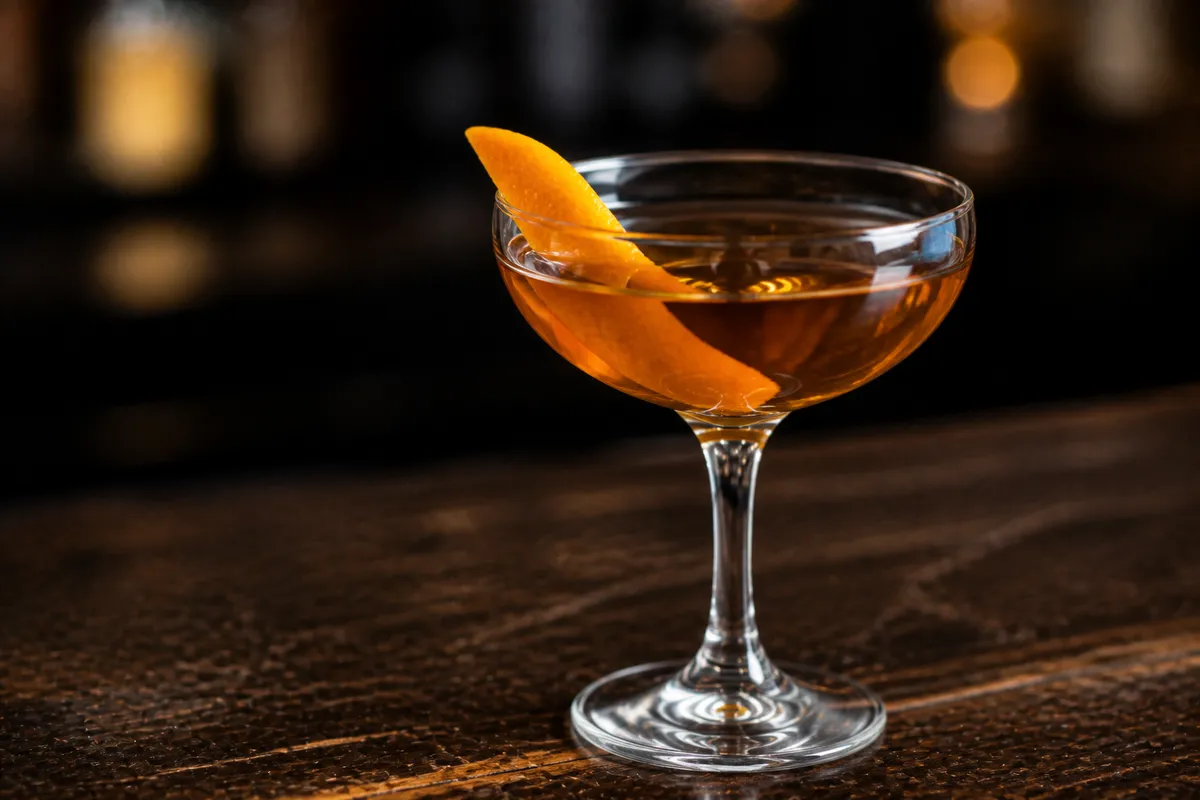
El Capitan
A stirred pisco cocktail with sweet vermouth—pisco’s Manhattan analogue.
Pisco
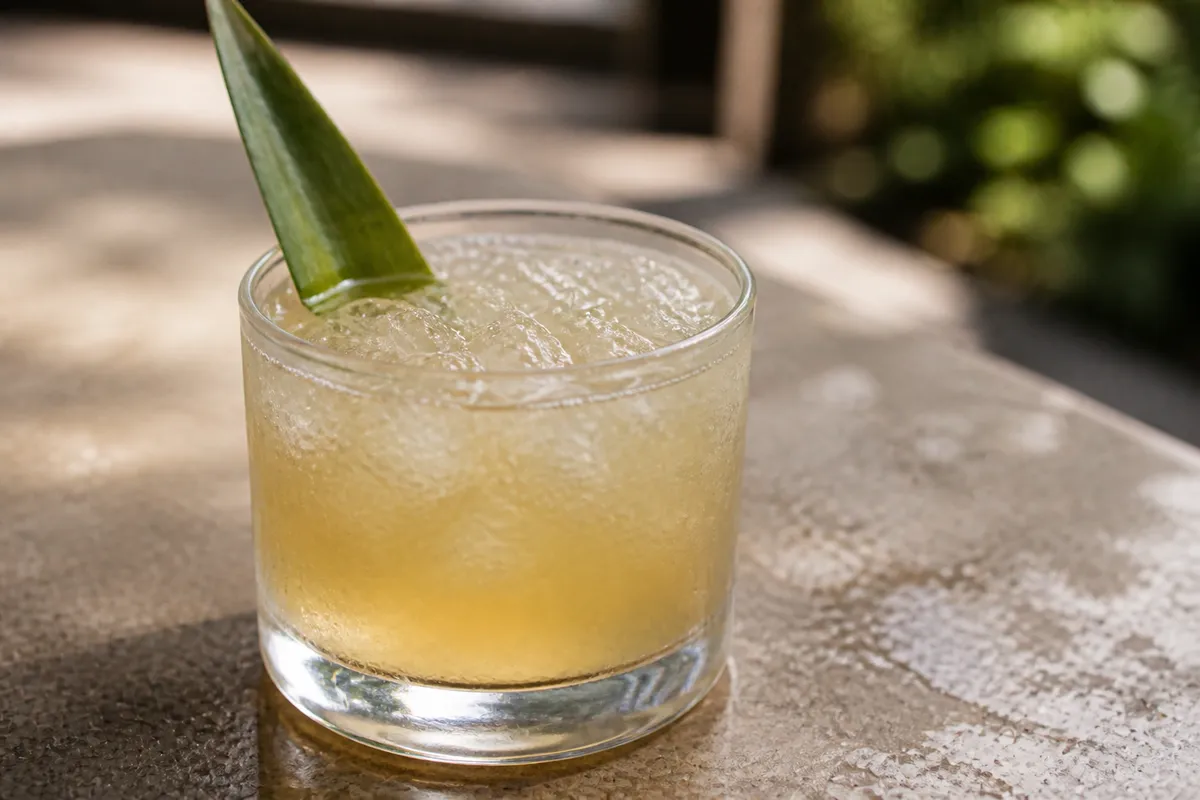
Pisco Punch
A historic San Francisco punch of pisco, pineapple, citrus, and sugar.
Pisco
Pisco Sour
A silky, foam capped pisco sour balancing grape spirit, citrus, and bitters.
Pisco
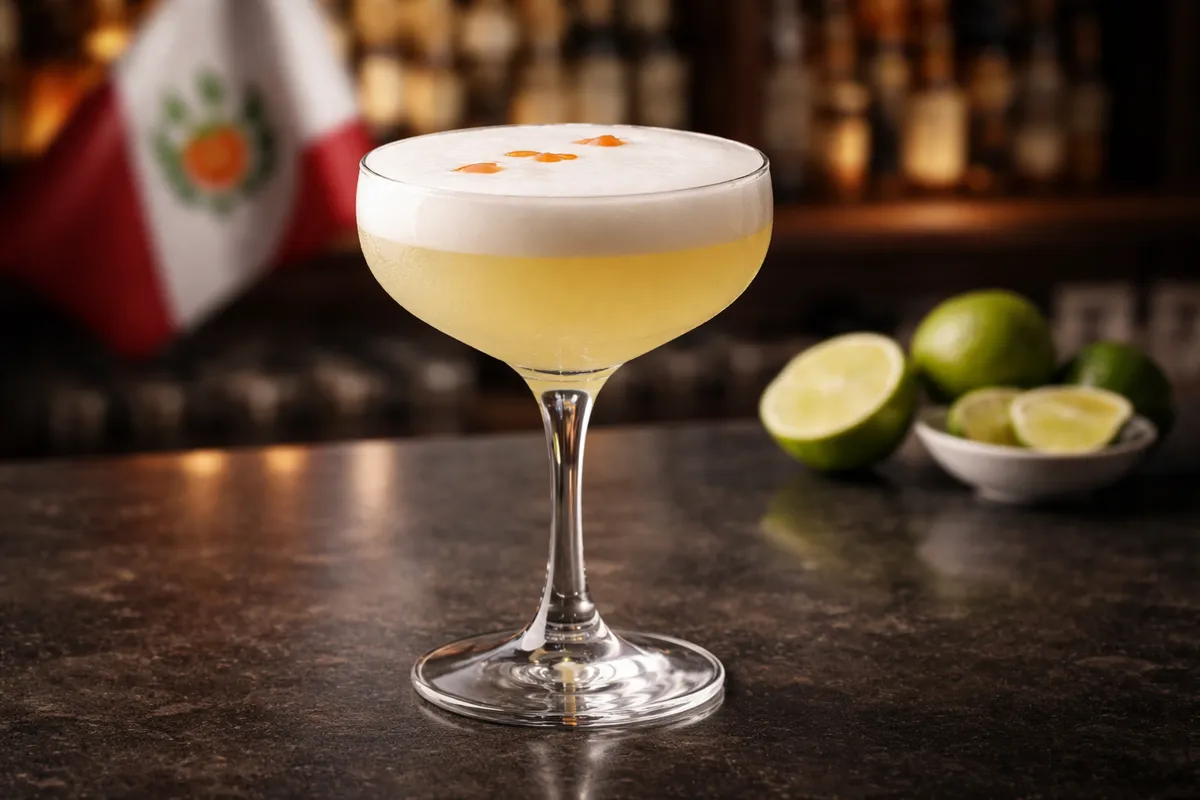
Pisco Sour
A South American pisco sour with lemon or lime, syrup, egg white, and bitters.