What is Scotch?
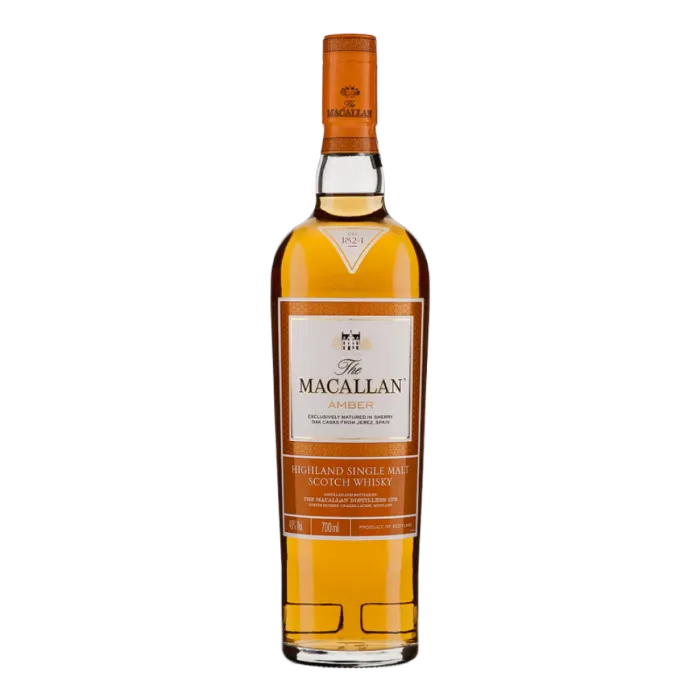
Whisky distilled and aged in Scotland; blended Scotch is the usual cocktail pour, while peated malt is used as aroma or a split base rather than as a default.
The basics
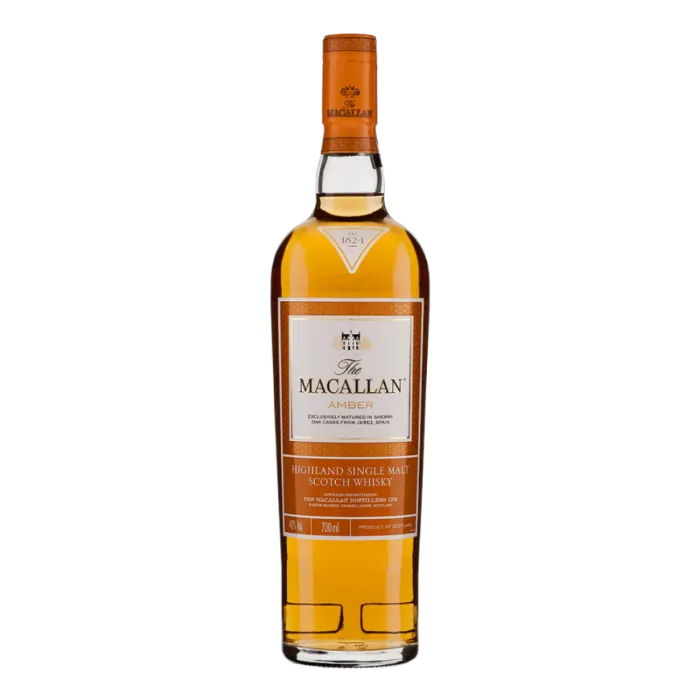
Scotch whisky must be distilled in Scotland and aged at least three years in oak. The legally recognized categories include single malt (one distillery, malted barley, pot stills), single grain, and blends of those. Most bottles sold for mixing are blended Scotch: malt whisky for flavor plus column-distilled grain whisky for lightness and volume, bottled around 40–46% ABV.
In mixed drinks, blended Scotch behaves as a relatively restrained whiskey base for highballs (whisky and soda or ginger) and for sours. Heavily peated malt is closer to a seasoning — a float, rinse, or minority split — except in recipes such as the Penicillin that are designed around that aroma.
How it tastes
Blended Scotch typically shows honey, grain, light oak, and a thread of smoke or none. Unpeated Highland and Speyside malts are malt, orchard fruit, and vanilla. Islay and other heavily peated malts add phenol: peat smoke, iodine, medicinal and maritime notes. Those phenols will dominate a citrus sour unless the recipe is written for them.
Where it comes from
Commercial blending in the 19th century, enabled by the Coffey still, made Scotch a consistent export and the whisky of the British highball. The Rob Roy (1890s) is a Manhattan built on Scotch instead of rye: whisky, sweet vermouth, and bitters.
Peat in cocktails is largely a 21st-century technique. The Penicillin (Sam Ross, Milk & Honey, New York, 2005) splits the whisky: unpeated or lightly peated blended Scotch shaken with lemon and honey-ginger, with a heavily peated malt floated or used for aroma. That remains the practical model for using Islay in a sour without burying the citrus.
How to use it
Use blended Scotch unless the recipe names a region or a peated malt. Highballs and a Rob Roy want the blend. For a Penicillin, mix on the gentler whisky and finish with a smoky malt so phenol is aromatic rather than the entire palate. Substituting Scotch into a bourbon Old Fashioned adds malt and possibly smoke in place of corn vanilla — a different drink, not a fault if that is intended. Peated malt in a standard whiskey sour will usually overwhelm lemon and sugar. Scotch is stable in the bottle; peat aroma holds.
Note
In the Penicillin the smoky Scotch functions as a concentrated aromatic, analogous to a rinse: most of the volume is lemon, honey-ginger, and a milder whisky.
What pairs with it
Cocktails with Scotch
Recipes in the MixWise library whose specs call for this ingredient.
Whiskey
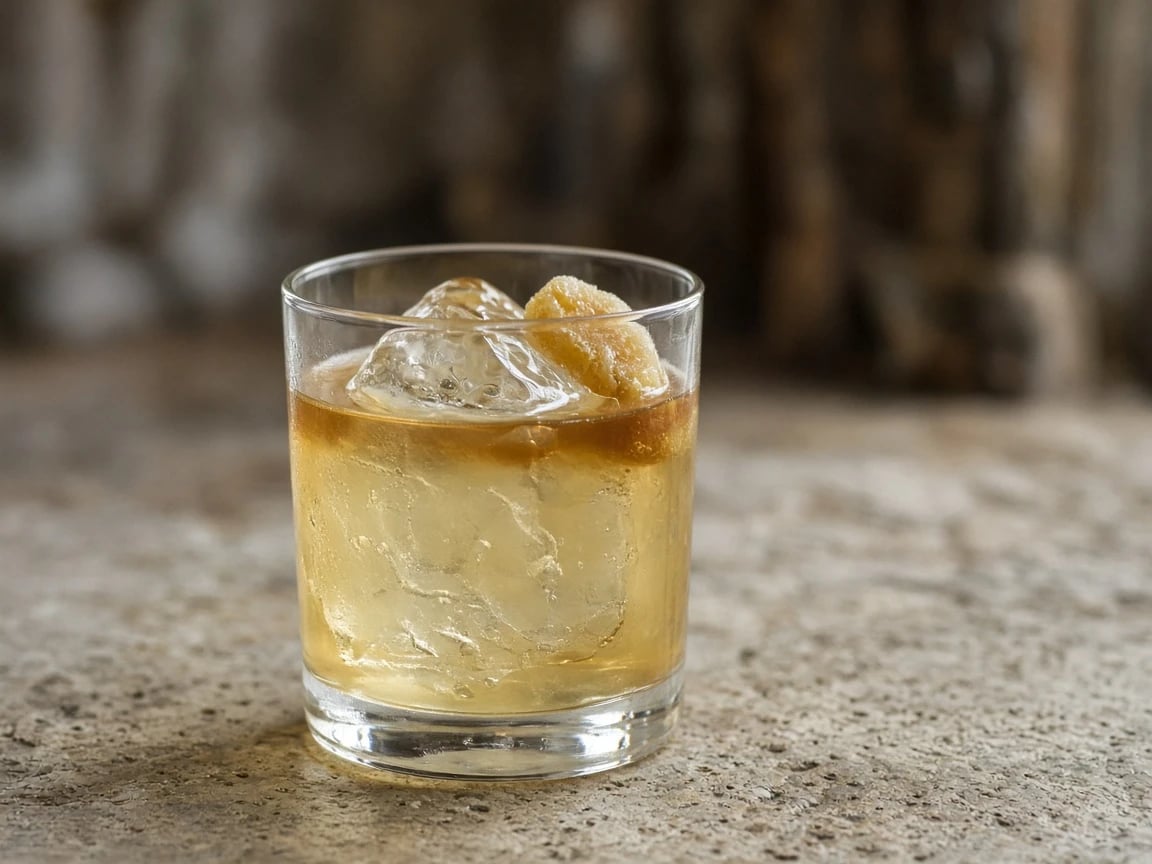
Penicillin
A smoky-ginger Scotch sour with honeyed depth and a peaty aroma.
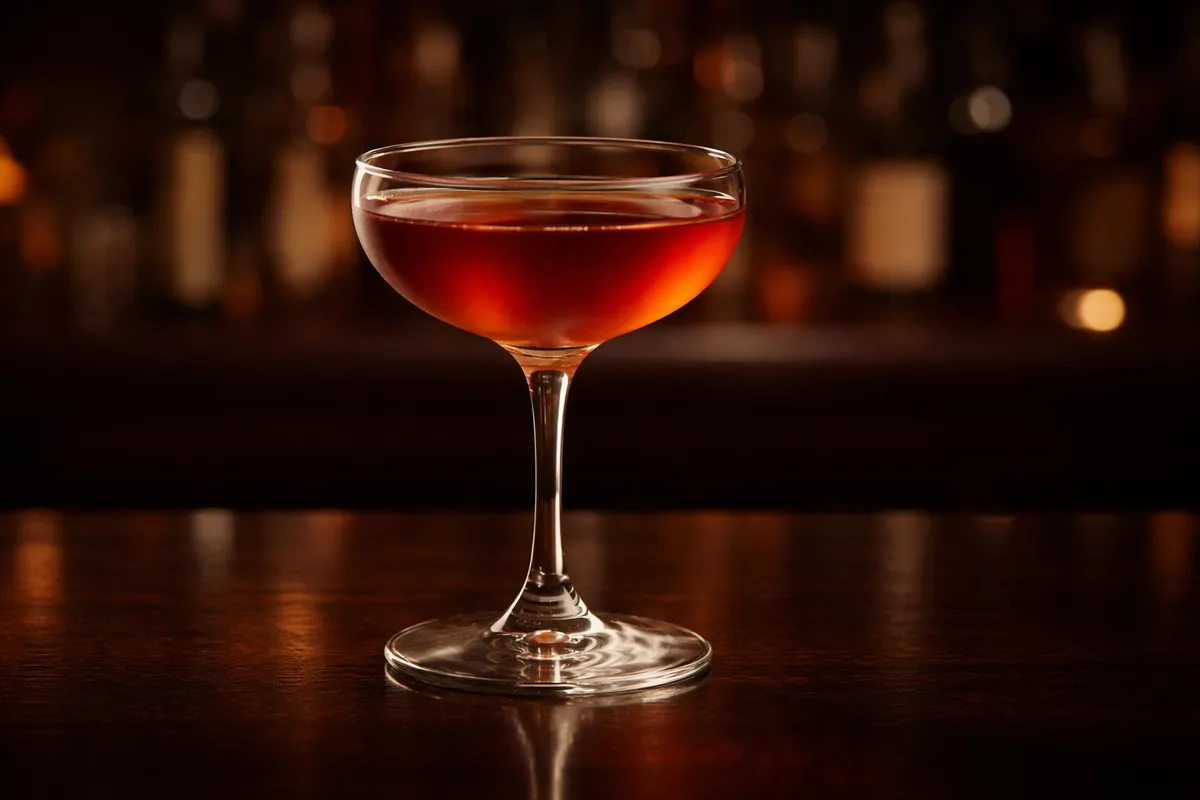
Whiskey
Blood and Sand
A smoky-sweet Scotch cocktail brightened by cherry liqueur and fresh orange.
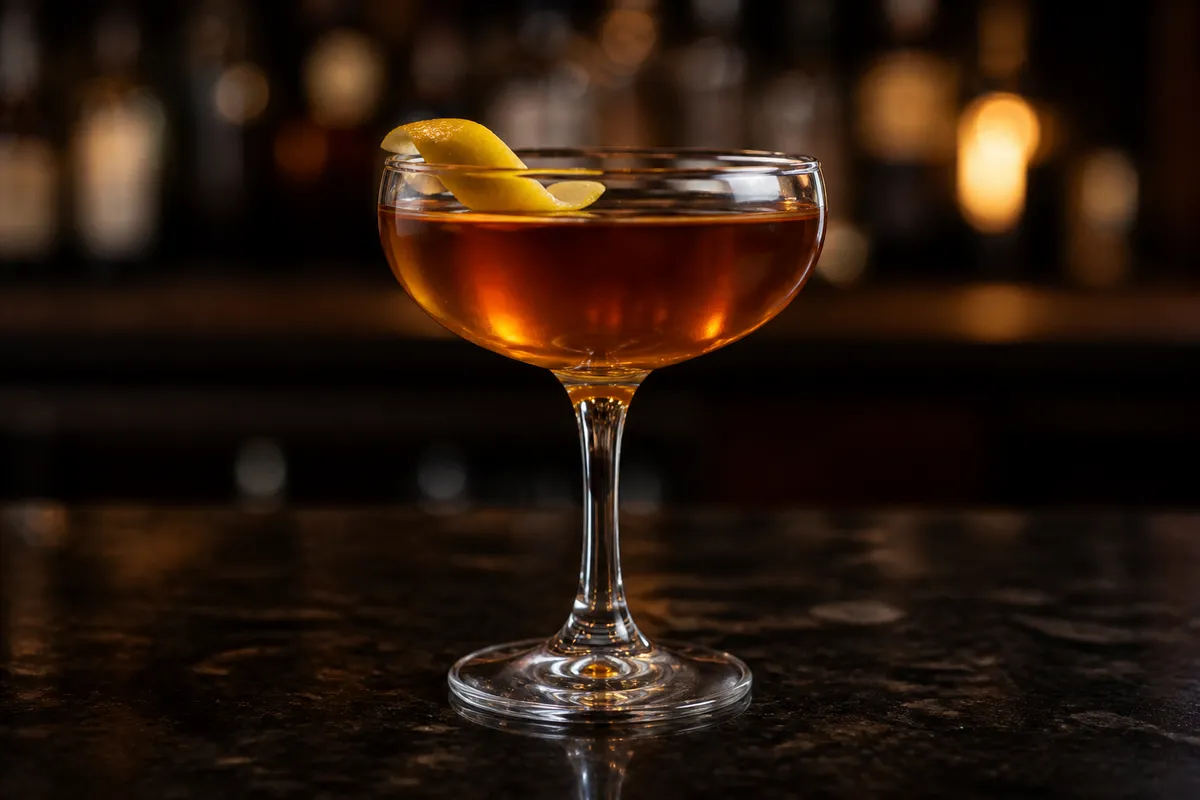
Scotch
Bobby Burns
A Scotch Manhattan variation finished with Bénédictine for gentle herbal sweetness.
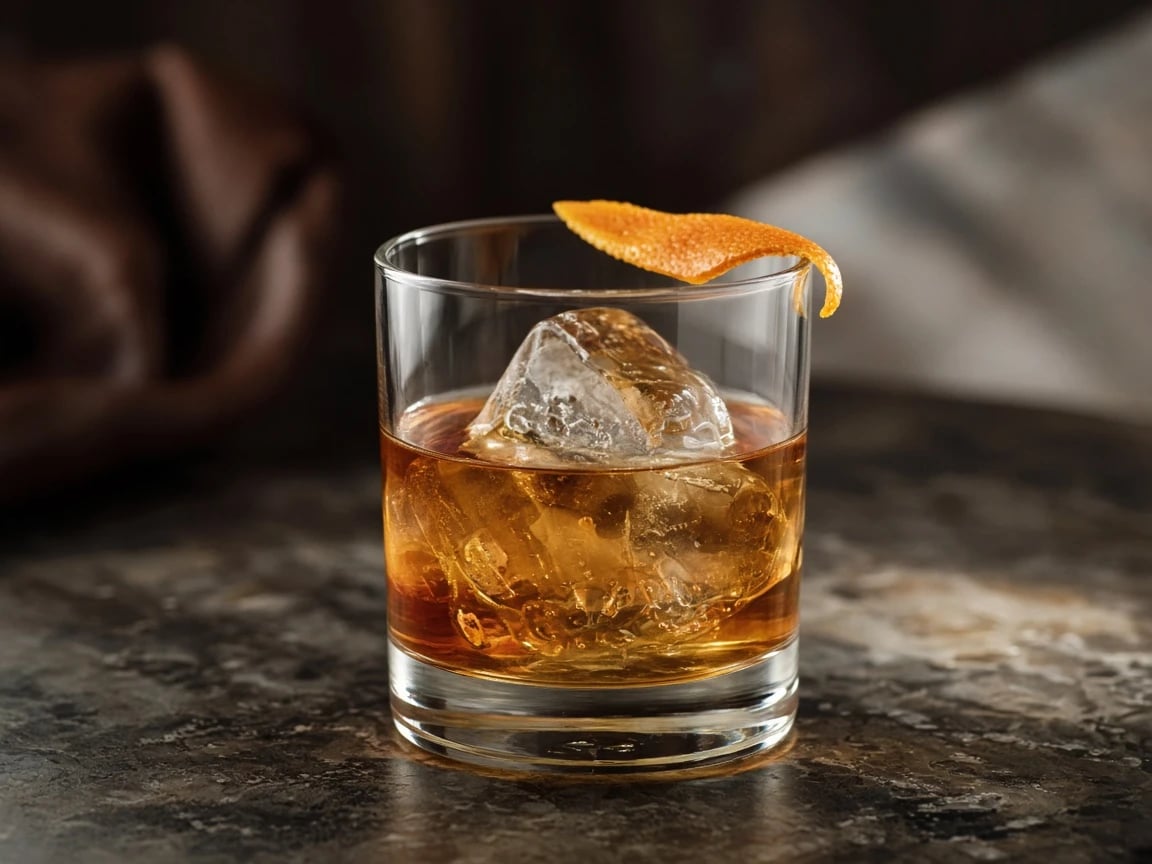
Whiskey
Godfather
A moody Scotch-and-amaretto sipper with soft sweetness and smoky depth.
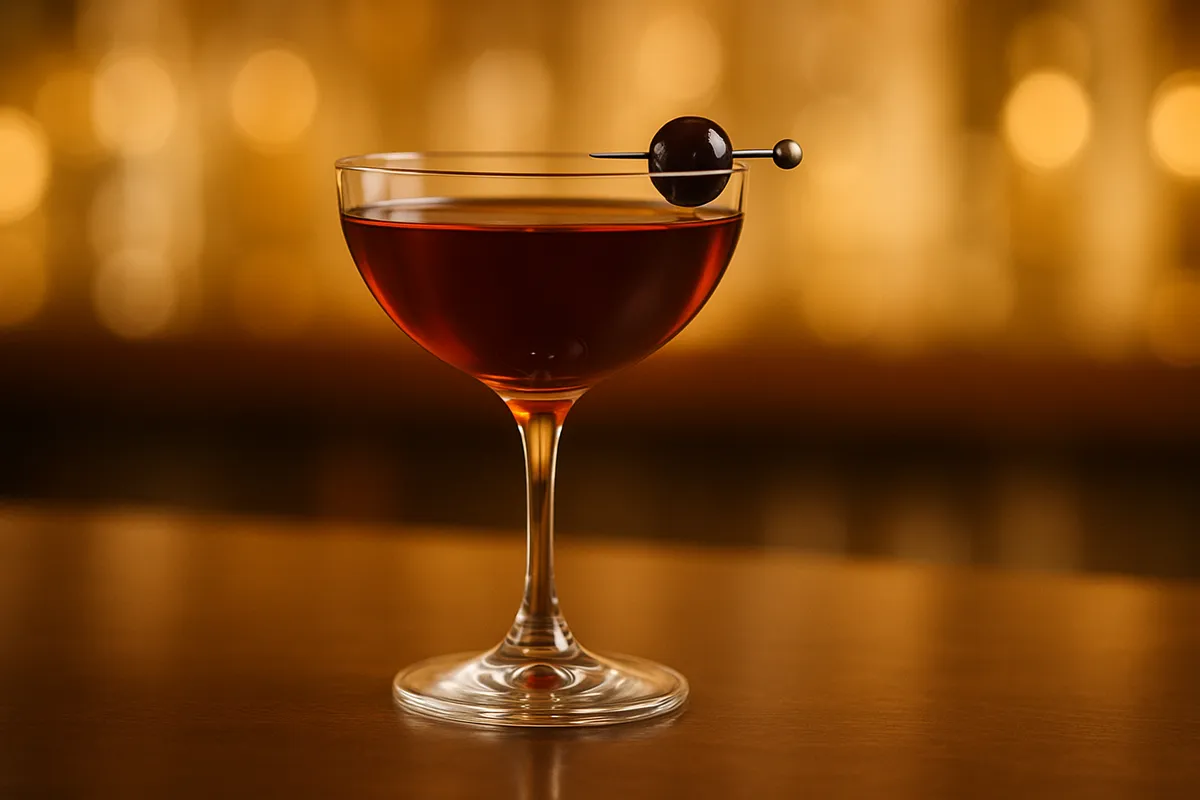
Whiskey
Rob Roy
A Scotch-led Manhattan with smoky depth and soft herbal sweetness.
Whiskey
Rusty Nail
A smooth Scotch sipper sweetened by honeyed, herbal Drambuie.