Library

Agave · 6 min read

Agave: learn to taste the difference

Styles are easiest to learn with your nose. A short protocol beats another shelf chart.

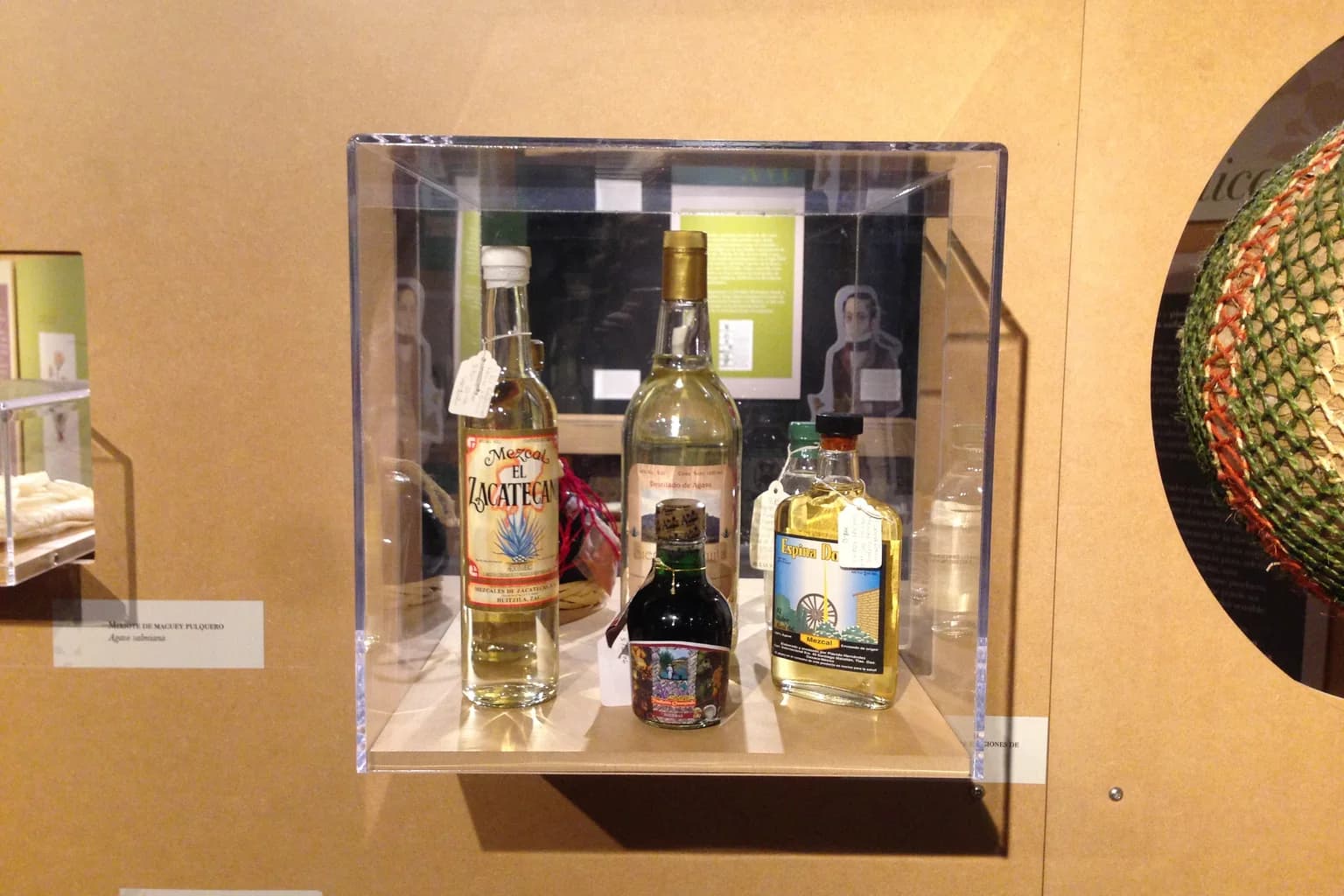
Mezcal bottles from different Mexican regions lined up for a comparison tasting

The big idea

Learn styles with a short protocol, not a shelf chart.

The rule

A tasting protocol

Nose → sip → two words → name
1

Nose

Smell it first — no sip yet.

2

Sip

A little, then air.

3

Two words

Write what you found.

4

Name

Blanco, reposado, or Espadín.

Añejo and wild agaves are footnotes. Guessing the style first just trains you to confirm the label.

Smell first. Taste. Two words — then name the style. Guessing early just trains you to confirm what the label already told you. “Pepper, bright” or “oak, soft” or “smoke, earth” will still help you at the shelf next month. A paragraph of tasting-note poetry will not.

Name blanco vs reposado vs mezcal Espadín first. Añejo and wild agaves are footnotes until those three are clear. Write the words. Then look at the bottle.
What to listen for

Three pours that change Margarita behavior

Blanco

Pepper · bright

Reposado

Oak · soft

Mezcal Espadín

Smoke · earth

Blanco: cooked agave, pepper, a clean finish. Espolòn or Olmeca Altos if you need a named glass. If lime would still have a partner, you found the cocktail default.

Reposado: vanilla, light oak, a softer middle. If the first smell is dessert and the pepper is a rumor, believe it.

Mezcal Espadín: smoke, earth, still some roasted agave. Del Maguey Vida is the usual cocktail-weight example. If the nose is a campfire and the plant is still there, you found the workhorse. If the nose is only ash, the sour will have a fight.

Tip

Mini labs

A: Two blancos neat — a 100% agave (Espolòn, Olmeca Altos, or similar) vs whatever only says tequila. Same splash, same glass shape. Two words each. Then name which lime would survive.

B: The same tiny sour taste — a barspoon of lime and syrup in each of blanco and reposado. Name which one stayed bright.

C: Espadín mezcal neat, then a splash in the same sour. If smoke is already the whole story, split with blanco instead of adding more citrus.

Common mistakes

  • Style named from the label before the glass → smell, sip, write two words, then look.
  • Every smoky pour written down as “mezcal quality” → describe the cook instead: campfire plus plant (Espadín) vs ash with no agave.
  • Six bottles tasted in a rush, none remembered → taste two pours (blanco vs reposado, or blanco vs Espadín), write two words each, then stop.
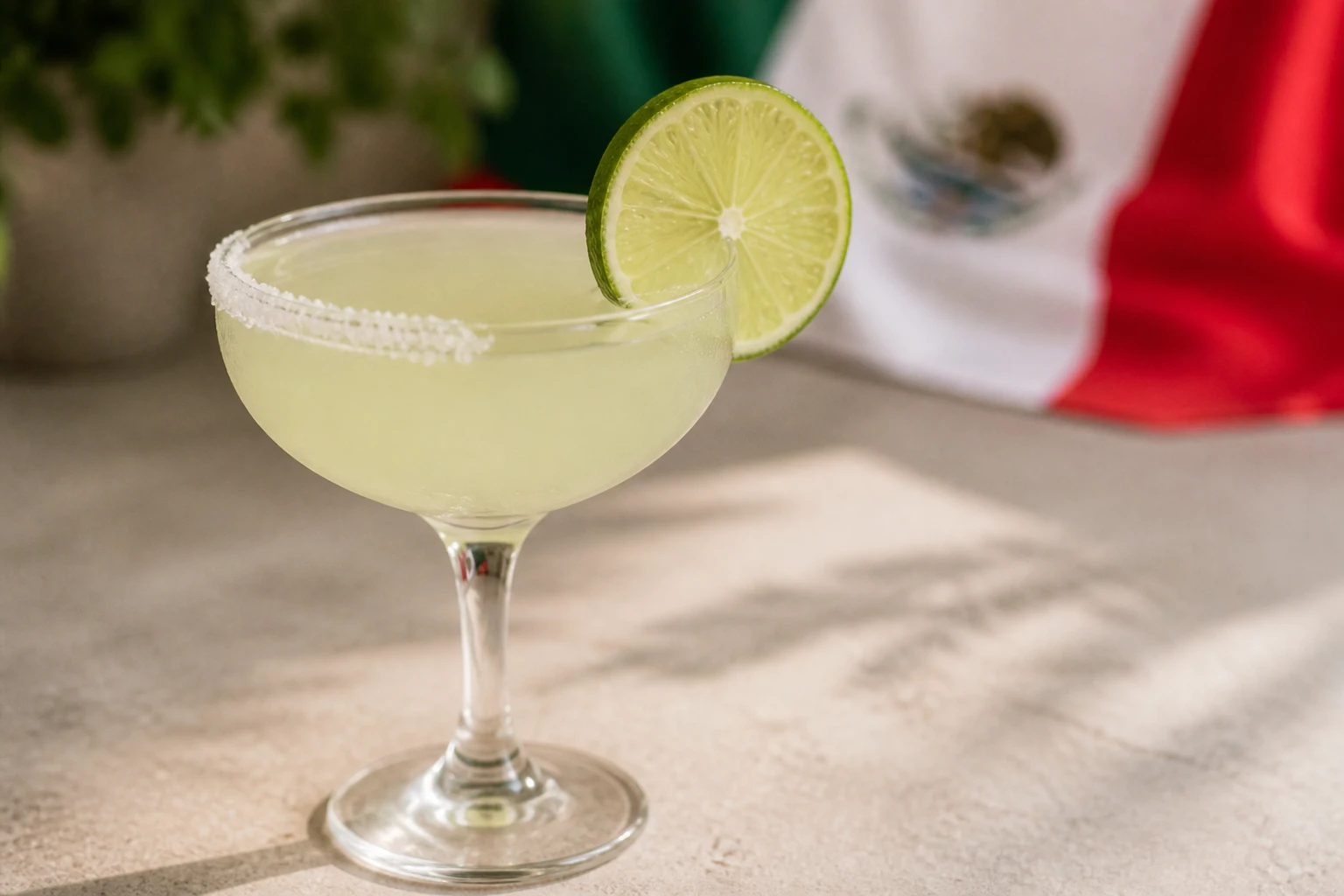
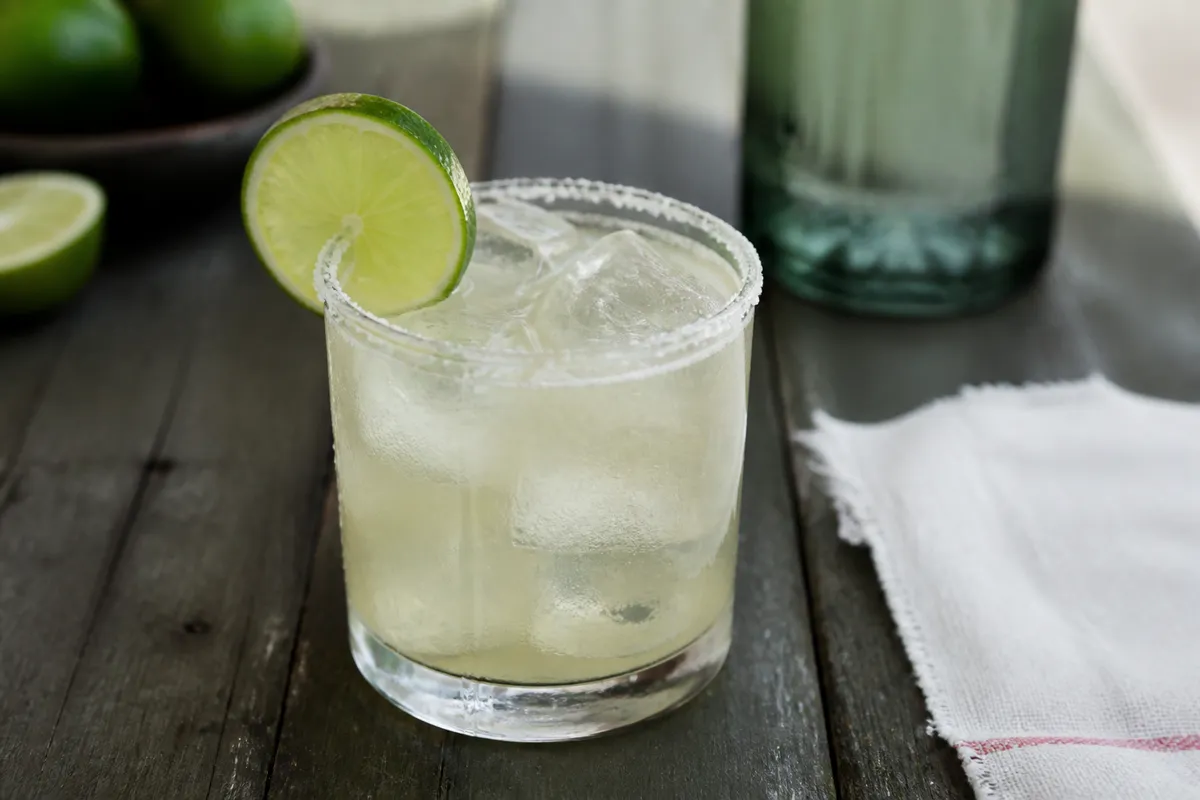
A classic Margarita with lime and orange liqueur — the sour that teaches the bottle

Up next · 7 min

Agave: four classics, four lessons

In Agave: from bottle to classics · Library