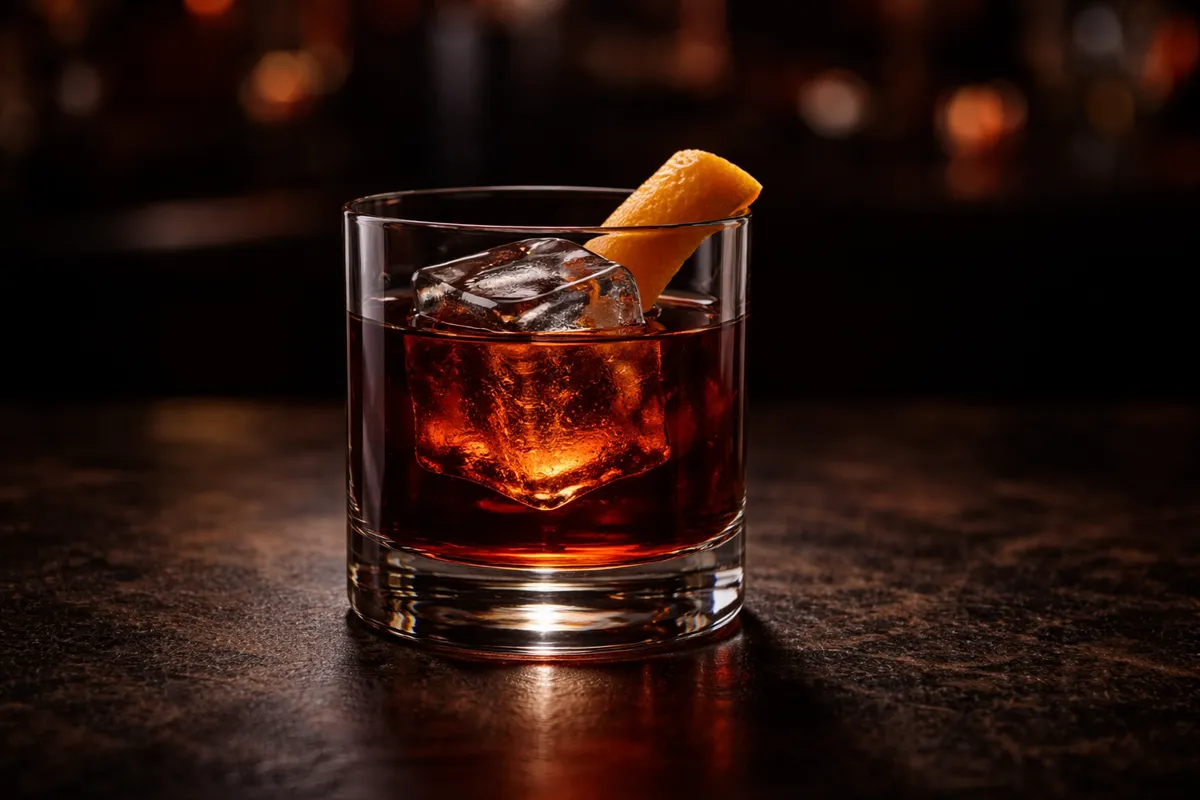
Taste temperature and aroma first, then name the imbalance — sweet, sour, hot, or thin — and fix the smallest lever.
The big idea
Balance is strong, sour, sweet, and weak (dilution or length). Name which one failed, then move a barspoon — not a whole new ounce.
Keep these
4 things to remember
01
Taste temperature and aroma before judging sweetness or bitterness.
02
Fix with drops and barspoons, then re-taste — small levers beat rewriting the pour.
03
Flat drinks are often dead citrus or lost carbonation, not a “wrong recipe.”
04
Stay inside a template when improvising; creativity lands better on a balanced base.
The rule
Taste with a purpose
Sip for temperature first, then aroma, then the mid-palate. Ask: is it bright enough? Too sweet? Flat? Hot with alcohol?
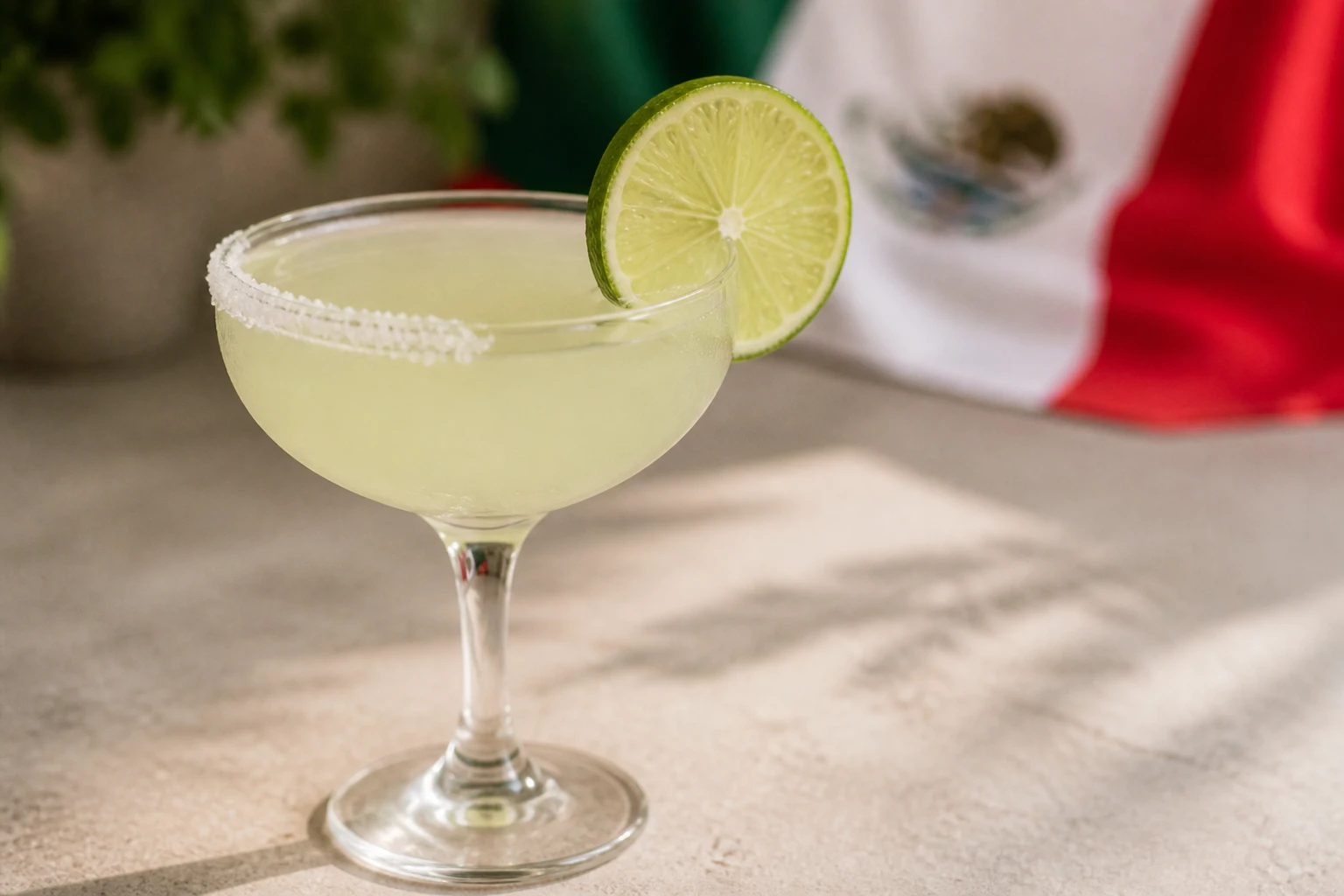
Training your palate is mostly repetition. Make the same Margarita twice in one week and note what changed — citrus, salt, or orange liqueur — before you change the tequila.
02
Strong, sour, sweet, weak
Strong, sour, sweet, weak
StrongSpirit
SourCitrus
SweetSugar
WeakDilution
Name the imbalance, then move the smallest lever. Hot usually means under-diluted.
Map every tweak to one of four jobs: strong (spirit), sour (acid), sweet (sugar/liqueur), weak (dilution, soda, wine, water). A drink that tastes hot is often under-diluted, not over-proofed; a drink that tastes thin is over-weakened.
Adding syrup without acid tips sweet; adding citrus without sugar tips sour. Name the imbalance before you reach for the bottle.
Tip
Quick fixes
Too sweet: a few drops of citrus or a splash of soda if the drink can take length. Too tart: a barspoon of syrup. Too strong: more dilution (brief stir on ice) or a touch more modifier — not a whole new ounce of spirit first.
Too flat: check citrus freshness and carbonation. Too bitter: a touch of sweetness or orange oil can round edges without erasing the bitter character.
Tip
Acid type and perceived sweetness
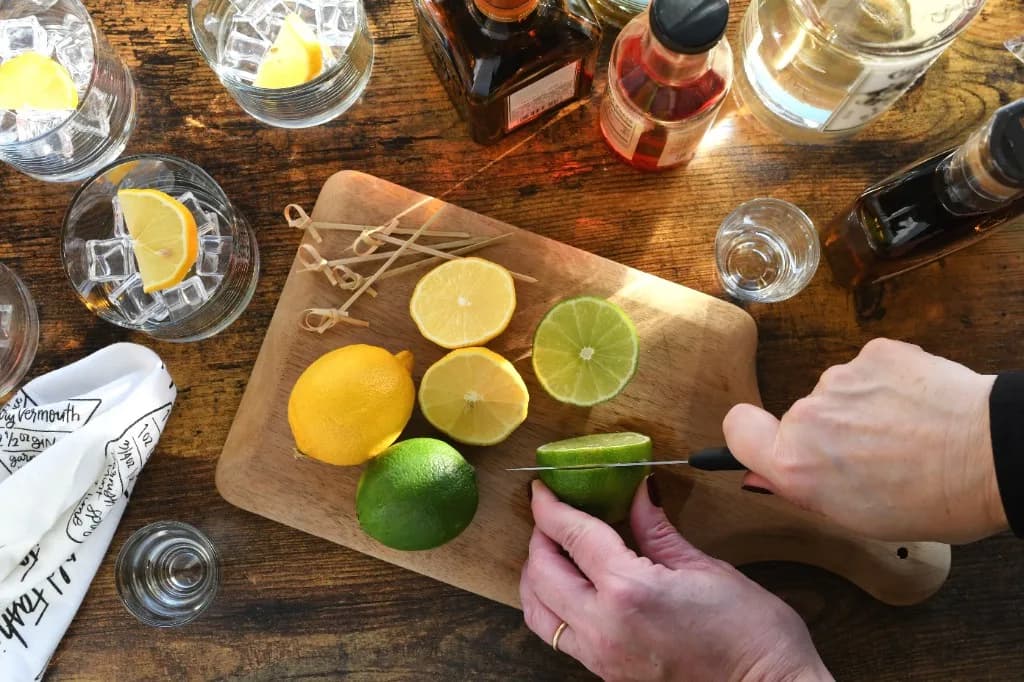
Lemon and lime are not interchangeable by volume alone — lime often reads sharper and more aromatic, lemon broader and softer. Switching fruit can feel like changing the sugar ratio even when ounces stay fixed.
Salt (a pinch in a Margarita, or a salted rim) suppresses bitterness and lifts fruit without adding sugar. Use it as a seasoning, not a garnish gimmick.
Tip
Bitter drinks and the “round, don’t erase” rule
Negronis and other bitter builds want sweetness and dilution to frame Campari or amaro — not to bury them. If bitterness is harsh, check vermouth freshness and ice first; oxidized sweet vermouth makes bitter drinks taste dusty and sharp.
06
Common mistakes
Rewriting the whole pour after one sip → move a barspoon, re-taste, then decide.
Blaming the spirit for a flat sour → smell the citrus and check the shake/ice first.
Sweetening a dusty Negroni → fridge and replace the vermouth; sugar won’t fix oxidation.
In the glass
Practice these
Read the drill, then make the drink once focusing on that cue — repetition beats another paragraph.