Fresh juice and intentional syrup strength do more for a sour than swapping the spirit brand. Lemon and lime are not the same acid.
The big idea
Juice to order and know your syrup. 1:1 is the default; rich 2:1 sweetens with less water — swapping them without adjusting the pour changes the drink.
Keep these
4 things to remember
01
Fresh citrus has aroma bottled juice lacks — juice for the session, not the week.
02
Lemon and lime are different acids and aromas; honor the recipe’s choice.
03
1:1 simple is default; rich 2:1 sweetens with less water — adjust the pour if you swap.
04
Dull sour? Check juice age and shake/ice before blaming the bottle.
The rule
Fresh juice is the ingredient
Acid aroma and sweetener strength
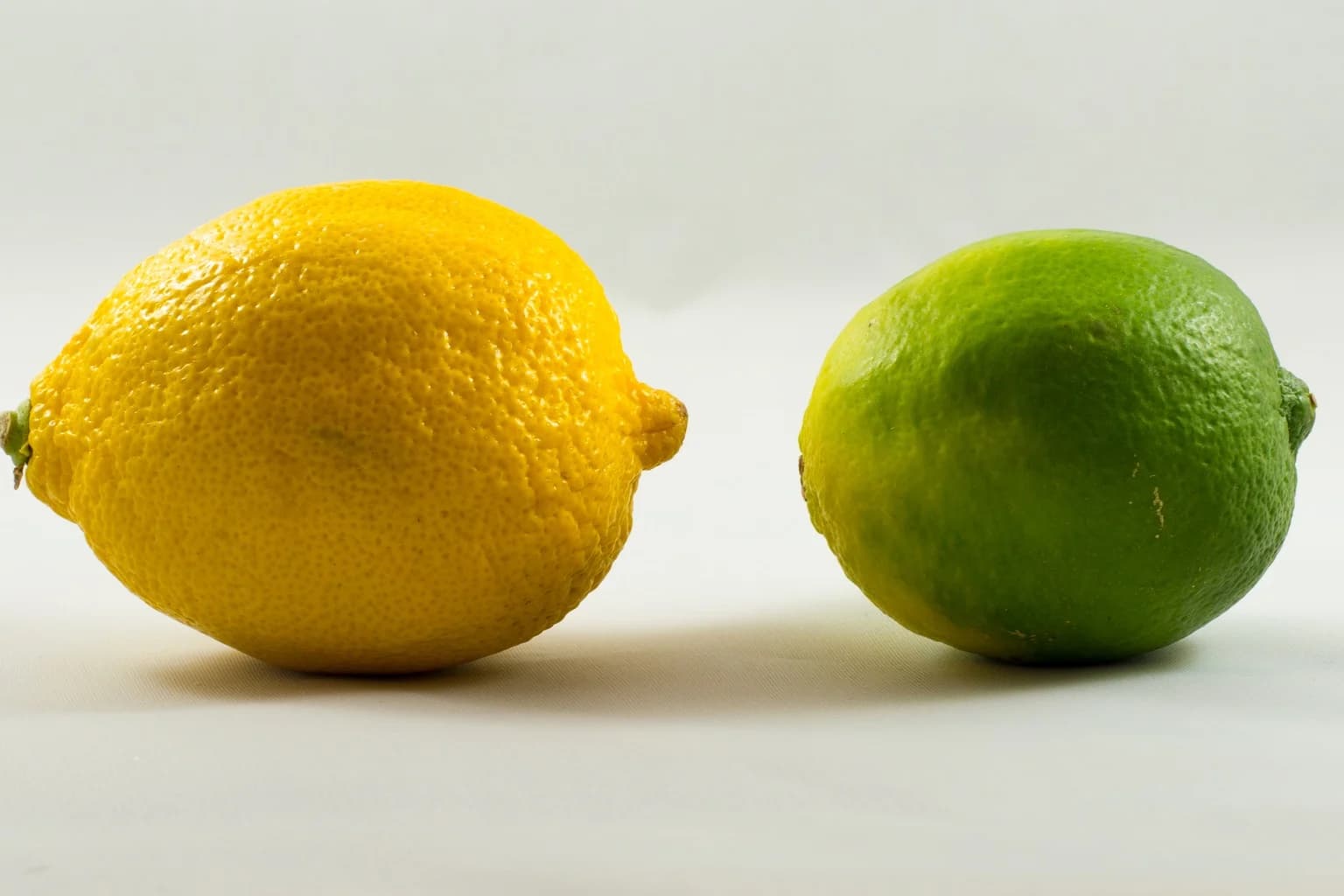
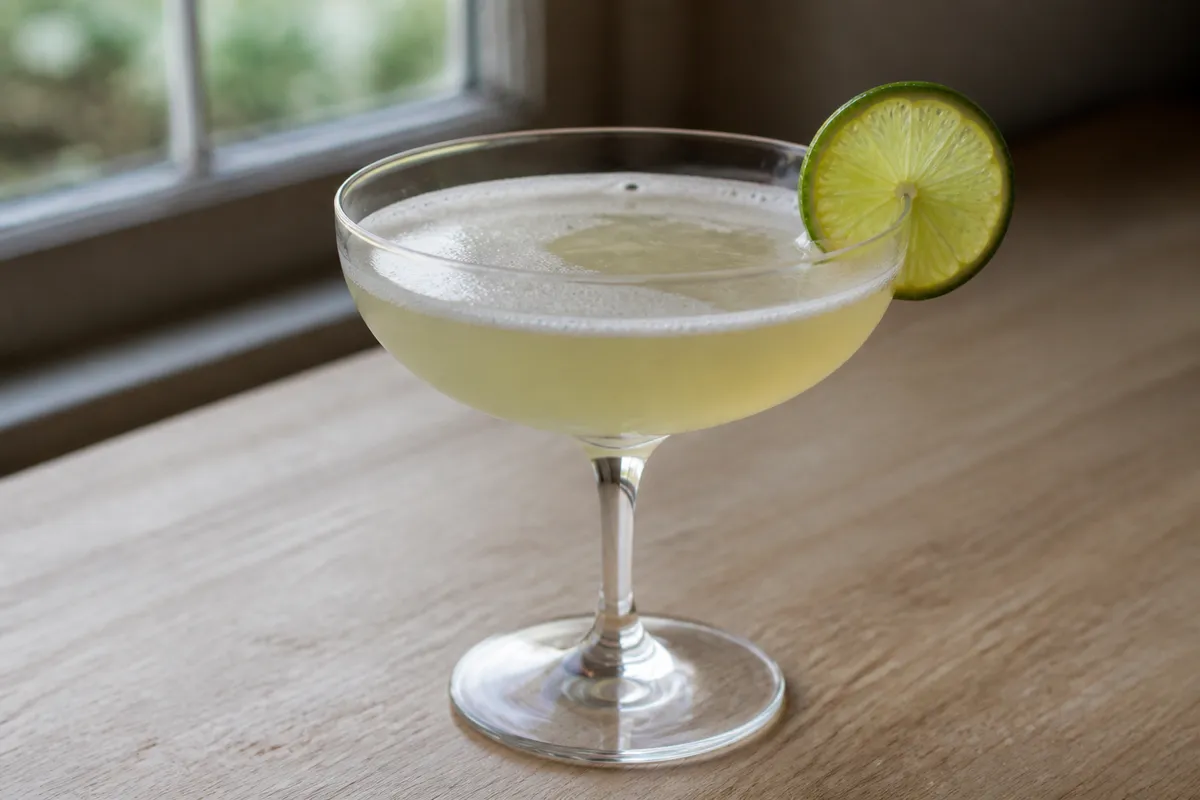
Fresh lime
Bright · Daiquiri
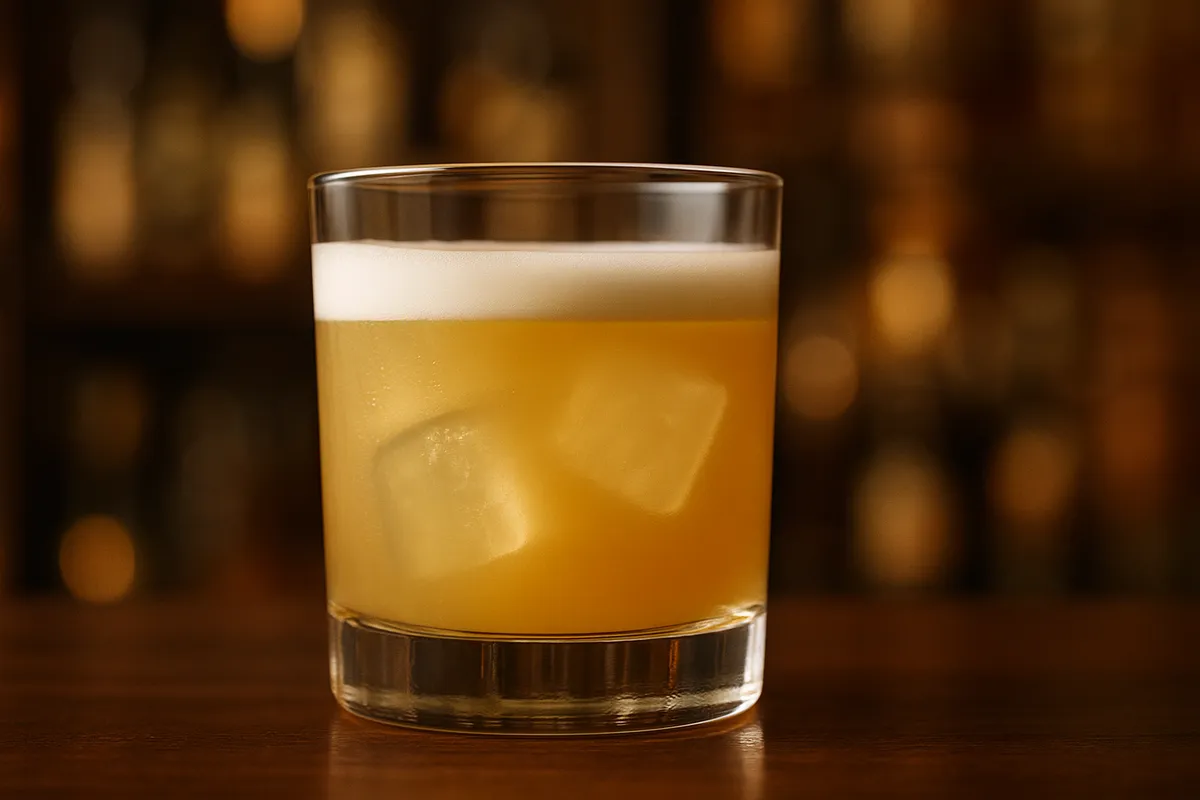
Fresh lemon
Round · whiskey sour
1:1 syrup
Default sweet
Rich 2:1
Less water
Bottled juice is pasteurized and usually aroma-poor. It can supply acidity in a pinch; it will not smell like a Daiquiri. Juice what you will use in a session — oxidation and bitterness creep in as juice sits, especially lemon.
Roll the fruit, cut, juice, strain seeds. Underripe limes taste sharp without perfume; over-held lemon juice turns bitter at the edges. When a sour tastes “off,” smell the juice alone before you rewrite the pour.
Tip
Lemon and lime are different jobs
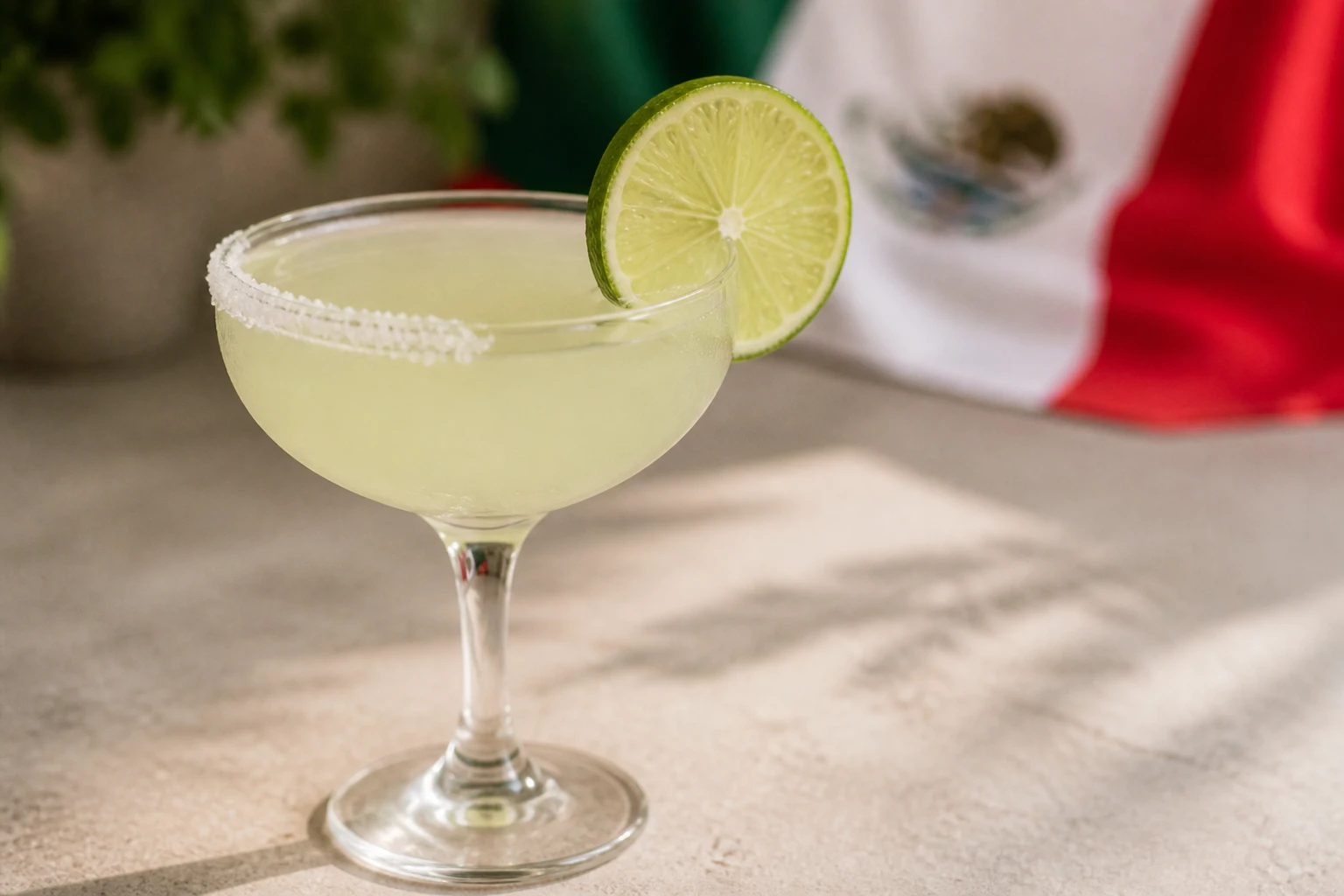
Lime reads sharper and more aromatic — the spine of Daiquiris and Margaritas. Lemon is broader and softer — the spine of Whiskey Sours and Collinses. Swapping by the ounce changes the drink’s personality even when sweetness stays fixed.
Yield varies: a juicy lime might give ~¾–1 oz; a dry one far less. Measure juice, don’t count “one lime” as a unit when you’re calibrating a house sour.
03
Syrup strength is a dial
1:1 simple syrup (equal parts sugar and water by volume) dissolves easily and sweetens predictably — the home default.
Rich 2:1 syrup adds sweetness with less water — useful when a hard shake already dumps melt. If you swap rich for 1:1 without changing the pour, the drink gets sweeter. Demerara, agave, and honey syrups change flavor as well as sweetness — treat them as recipe choices, not stealth simple.
Tip
Diagnose sweet vs sour vs dull
Too sweet: cut syrup slightly or add a barspoon of citrus — smallest lever first.
Too sharp: a barspoon of syrup, not a second ounce of spirit.
Dull: often old juice or under-acid fruit, not “needs more rum.” Smell the citrus before you reach for the bottle.
05
Common mistakes
Free-pouring syrup with no idea of the ratio → measure until you can taste 1:1 vs rich by habit.
Lime in a whiskey sour because “citrus is citrus” → lemon is rounder; swapping makes a different sour.
A week of lemon juice on Sunday for next Saturday → juice closer to service; oxidation and bitterness creep in.
Tip
Oleo and other upgrades
Oleo saccharum — citrus peels macerated in sugar — pulls aromatic oils into the sweetener. It adds perfume without dumping more acid — a punch and fine-cocktail trick worth learning once your basic sours land.
Master fresh lemon/lime and honest syrup before chasing powdered acid or shrubs — unless you are deliberately experimenting.
In the glass
Practice these
Read the drill, then make the drink once focusing on that cue — repetition beats another paragraph.