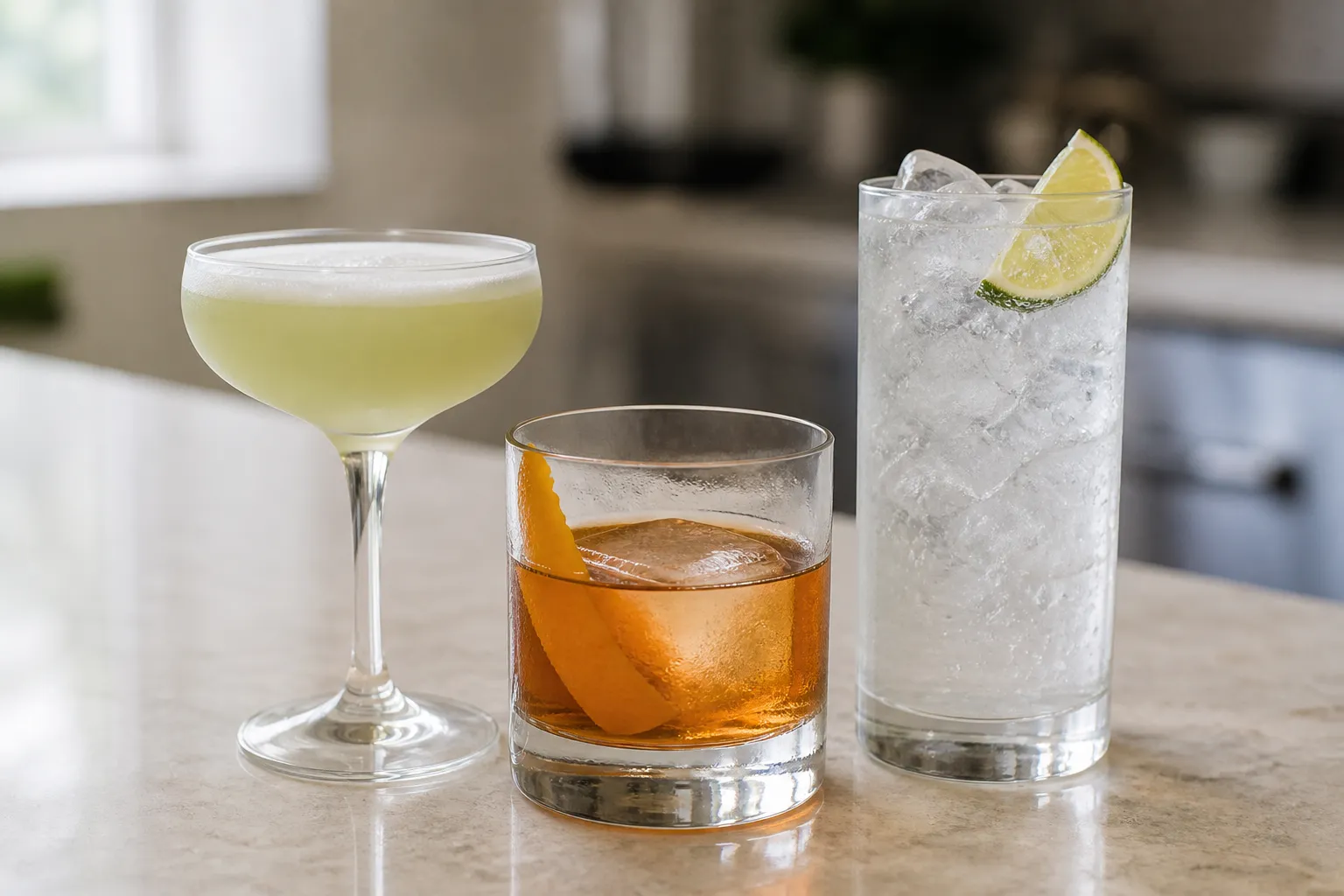
Most drinks are families. Name sour, old fashioned, highball, or equal parts first — then change one variable.
The big idea
Stay inside a template, then change one thing. A Daiquiri with aged rum is still a sour; gin + tonic + lime is still a highball.
Keep these
4 things to remember
01
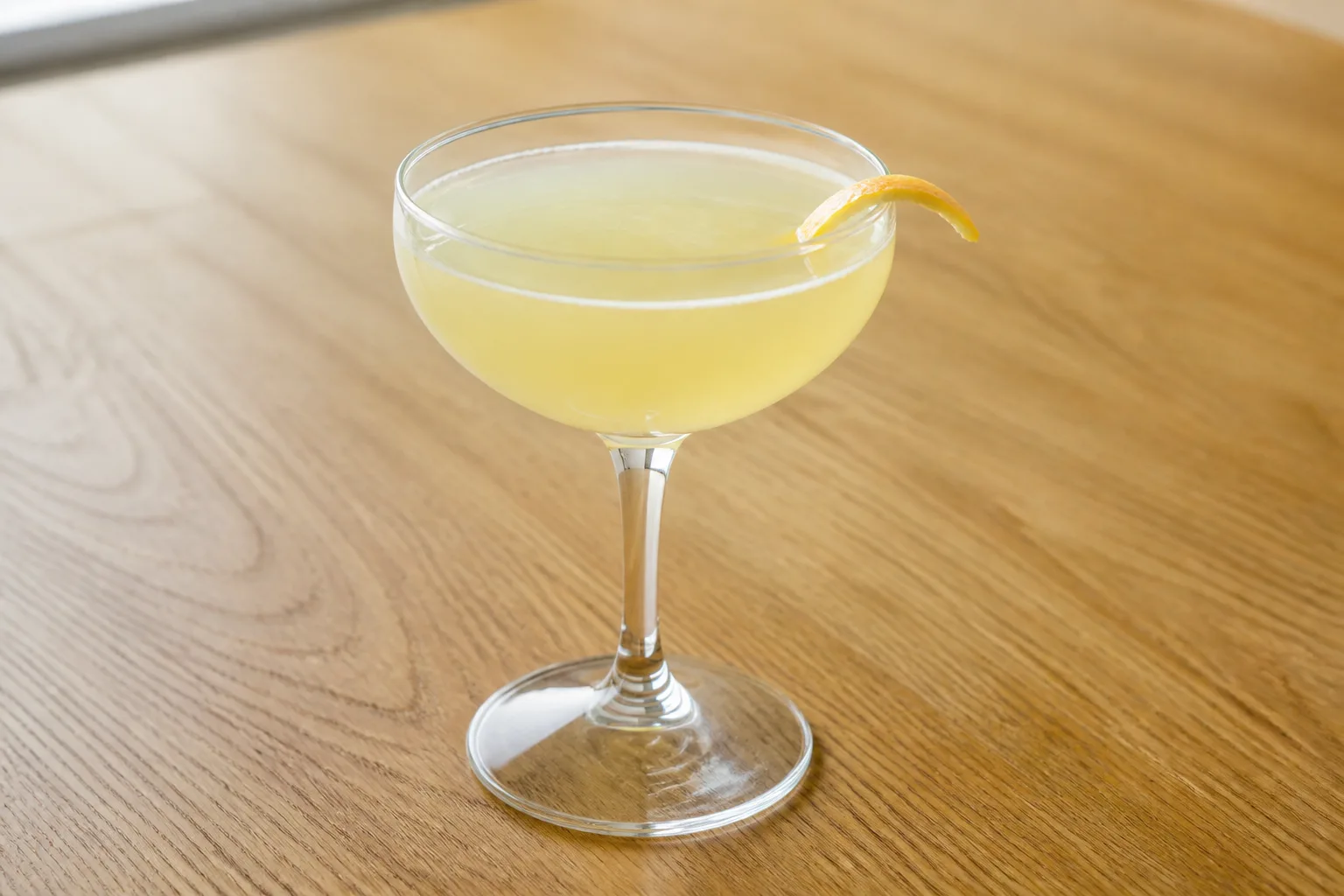
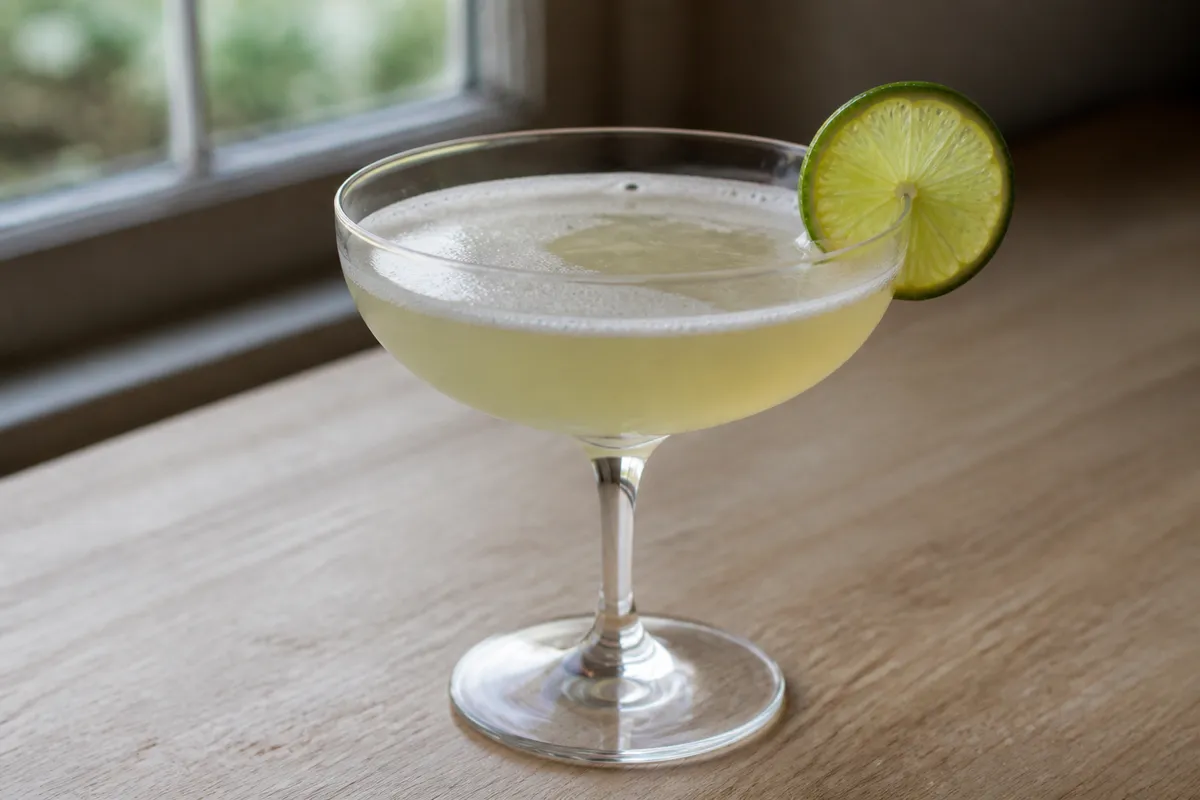
Sour = spirit + citrus + sweet. Start at 2:1:1 (Daiquiri) as a teaching diagnostic before you chase drier specs.
02
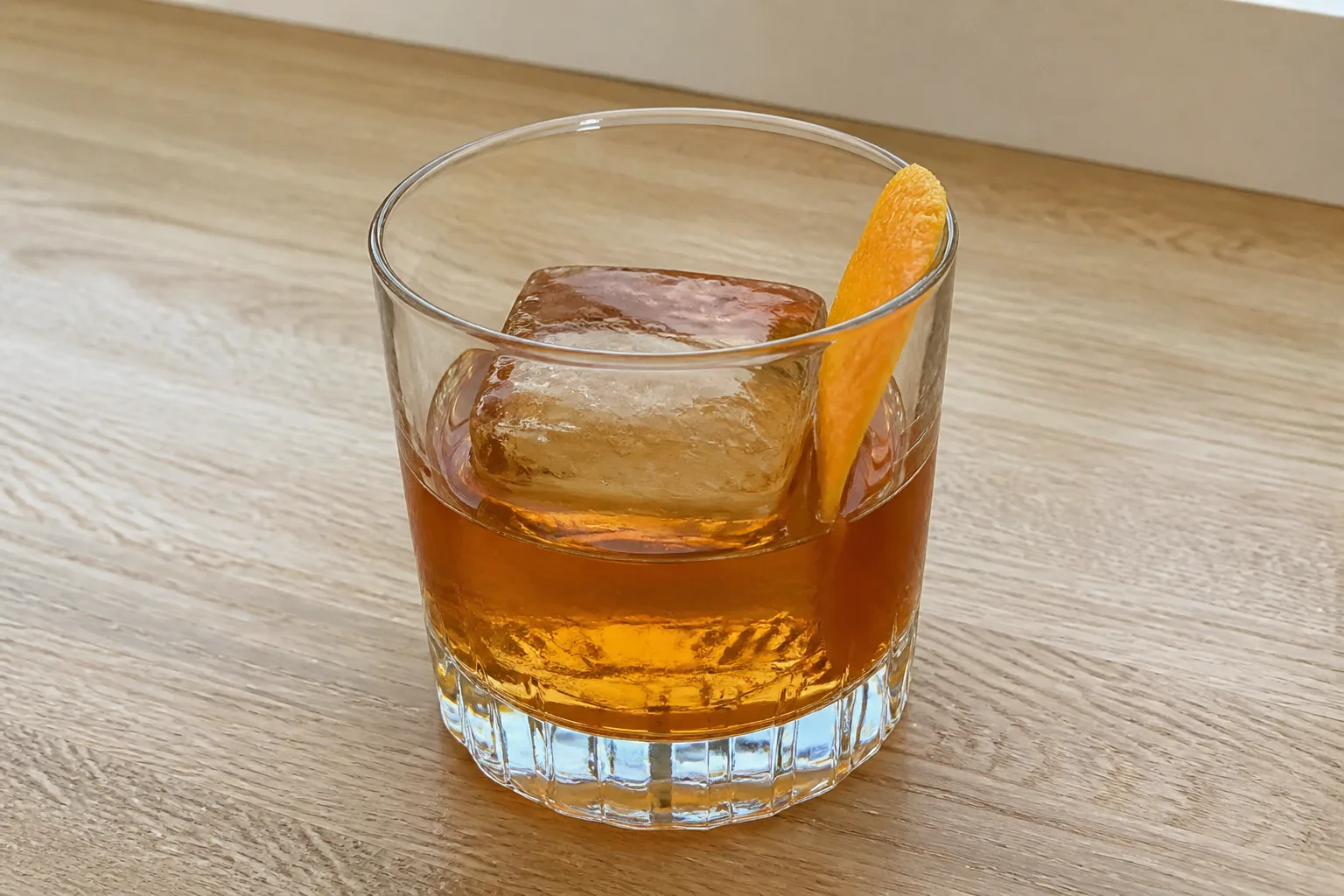
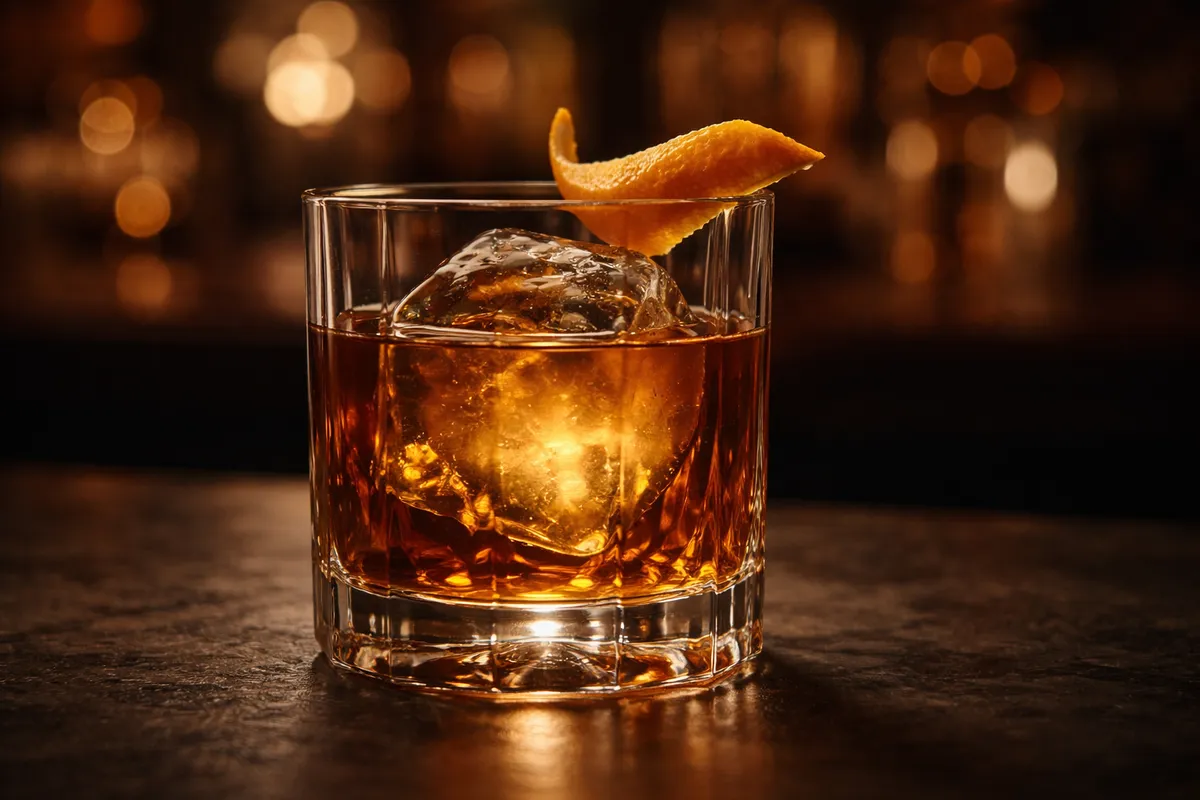
Old fashioned = spirit + sugar + bitters + dilution. The whiskey should still be the point.
03
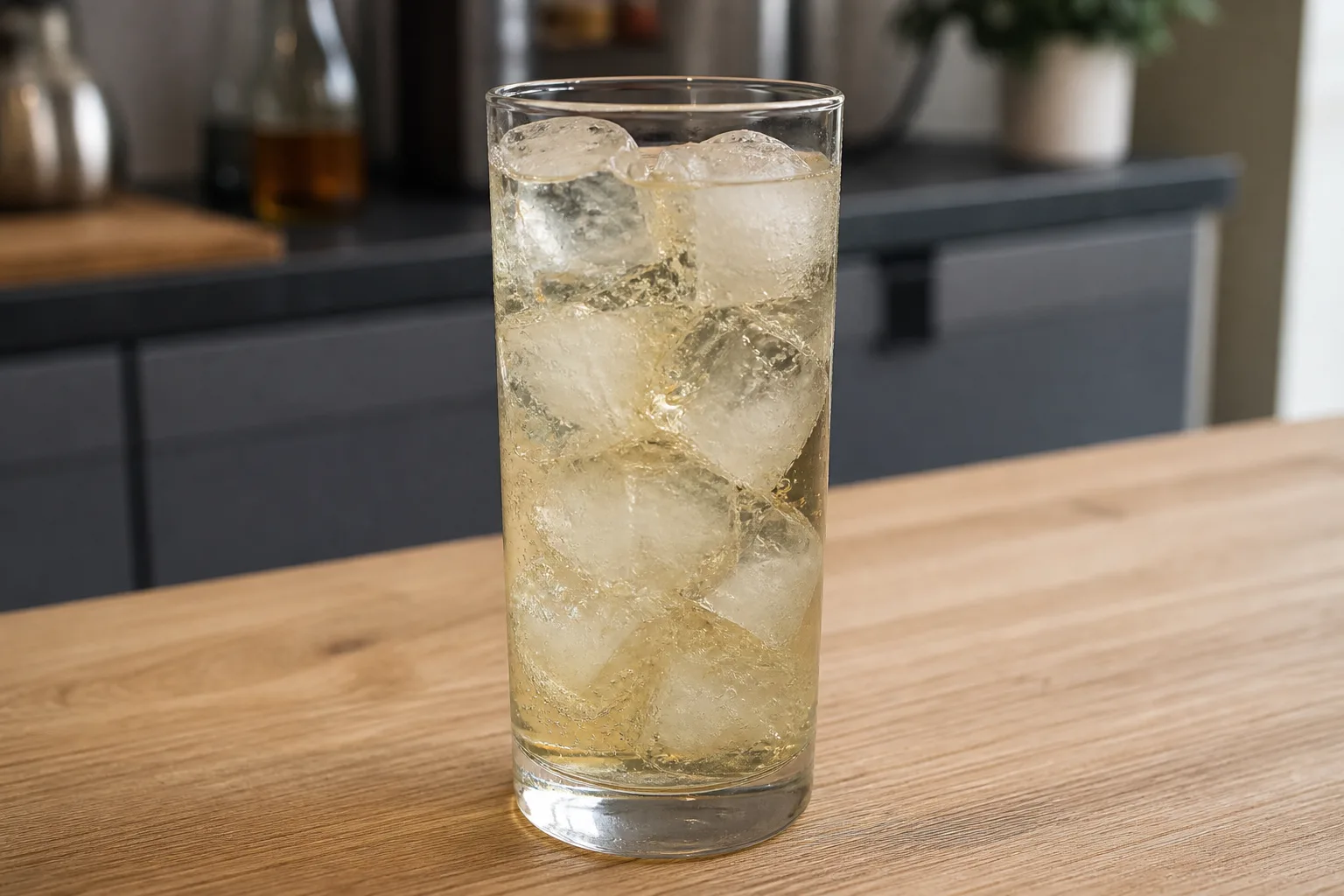
Highball = spirit + cold lengthener. Packed ice and fridge-cold bubbles matter more than garnish.
04
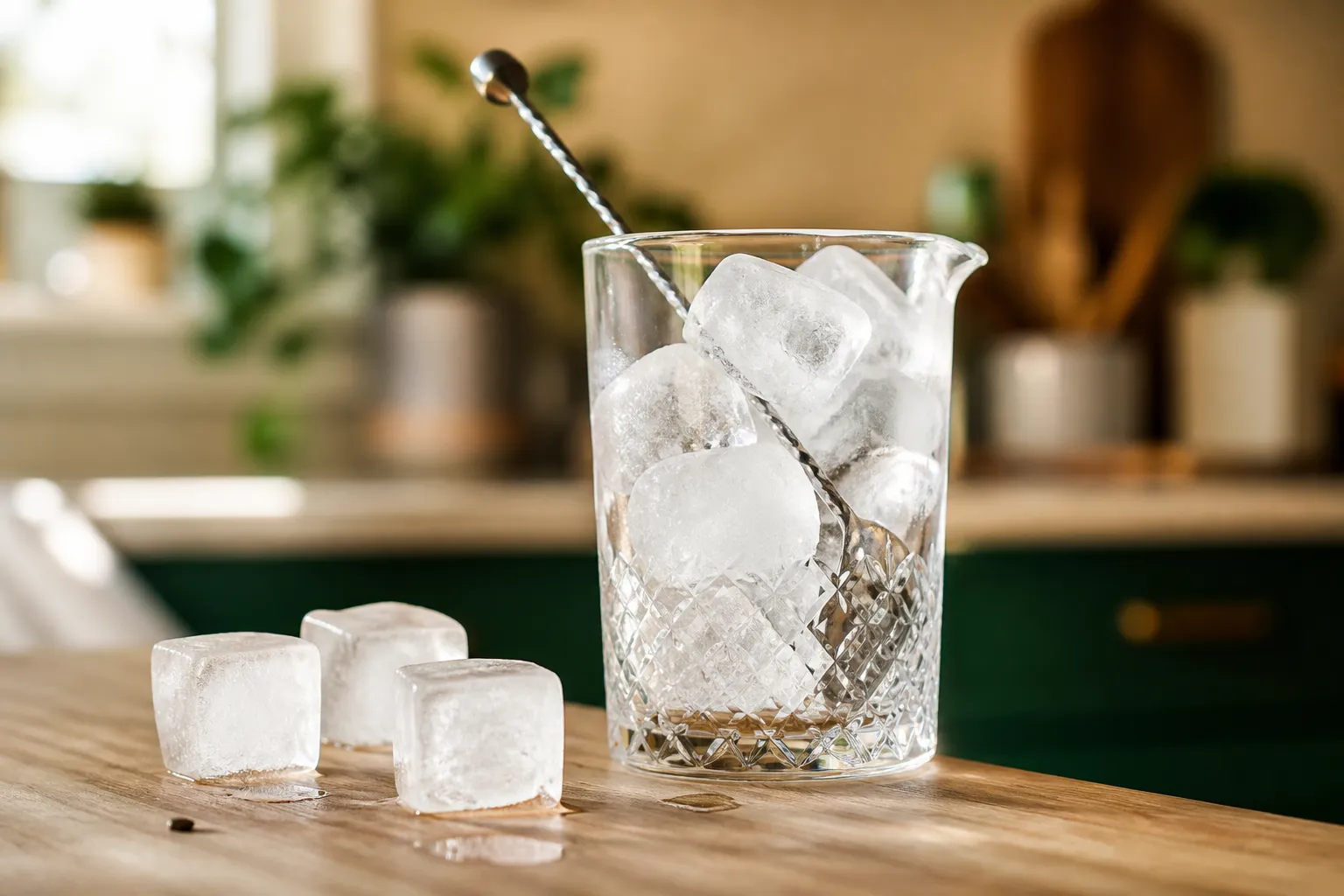
Equal parts still need a stir and fresh vermouth — “equal” is not “skip the method.”
The rule
Name the family before you pour
Name the family, then pour
01
Sour
2 · 1 · 1 spirit, citrus, sweet
02
Old fashioned
Spirit + sugar + bitters + ice
03
Highball
Spirit + packed ice + cold fizz
If the drink has citrus, you are in sour territory. If it’s a spirit seasoned with sugar and bitters, it’s an old fashioned. If a cold soda, tonic, or ginger beer does the stretching, it’s a highball. If three modifiers share the glass in equal ounces, you’re in Negroni country.
That name tells you the method (usually shake / stir / build), what “balanced” means, and which lever to touch when it tastes wrong.
02
The sour skeleton
Spirit, citrus, and sweetener. A Daiquiri at 2 oz rum / 1 oz lime / 1 oz syrup (or a tighter 2:¾:¾) is the fastest way to calibrate your palate — a teaching diagnostic, not the only correct classic. Drier historical specs are a destination once you know what 2:1:1 tastes like — not a first pour.
Egg white, fruit, and liqueurs are decorations on this frame. A Tom Collins is the same skeleton lengthened with cold soda. Fix sweet/sour before you add another modifier.
03
Old fashioned and highball
Old fashioned: a little sugar, a few dashes of bitters, a lot of spirit, and enough stir to take the ethanol heat off. If it tastes like candy, you oversweetened; if it burns, you under-diluted.
Highball: packed ice, measured spirit, fridge-cold lengthener last, brief stir. The “recipe” is mostly temperature and bubbles. A Paloma, G&T, and Dark ’n’ Stormy are the same job in different bottles.
Tip
Equal parts are a template too
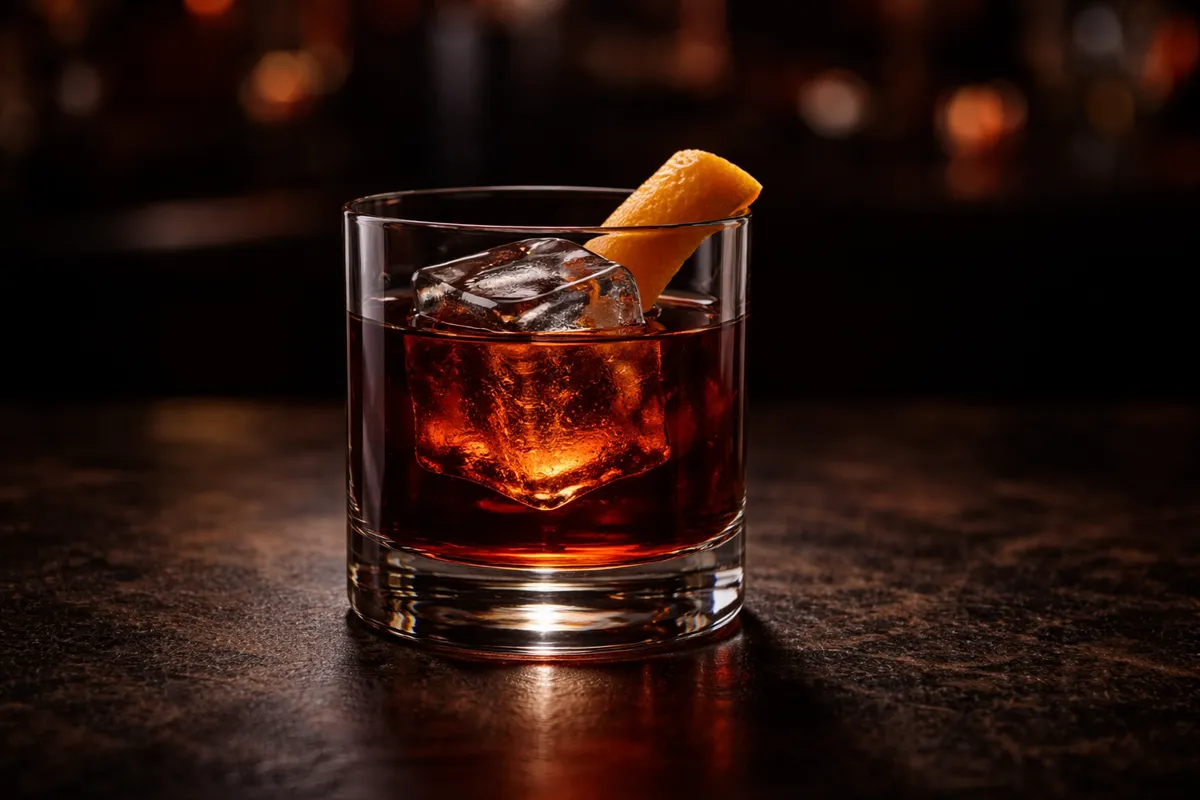
Negroni, Last Word, Paper Plane, and original-style Boulevardiers often use matching ounces so the method and the modifiers do the talking. Modern Boulevardiers are often whiskey-forward (1.5:1:1 or 2:1:1). They still need dilution (stir or shake, depending on citrus) and fresh bottles. “Equal parts” is a recipe shape, not an excuse to skip ice.
Tip
Change one variable
Swap the spirit in a Daiquiri and you still have a sour. Swap the lengthener in a highball and you still have a highball. Change spirit, citrus, and sweetener at once and you can’t tell what worked.
MixWise’s catalog is easier to shop once you think this way: gin + citrus + sweet covers a family; gin + vermouth + Campari covers another.
In the glass
Practice these
Read the drill, then make the drink once focusing on that cue — repetition beats another paragraph.