Shake citrus, egg, and dairy. Stir all-spirit drinks for clarity and silk. Time and ice control dilution either way.
The big idea
Shake when you need air and full integration. Stir when you want a clear, dense Manhattan or Martini — neither method is fancier.
Keep these
4 things to remember
01
Citrus, egg, and dairy almost always want a shake; all-spirit drinks usually want a stir.
02
Hard shake ~10–15 seconds until the tin hurts; stir ~20–30 seconds with a full glass of ice.
03
Pack the tin or mixing glass — not enough ice melts too fast and warms the drink unevenly.
04
Taste cold and softness, not the clock alone; soft home ice finishes sooner.
The rule
Cloudy or clear?
Cloudy or acidic? Shake. All spirit? Stir.
01
Shake
Citrus, egg, dairy, anything cloudy
02
Stir
All spirits — clear, dense, silky
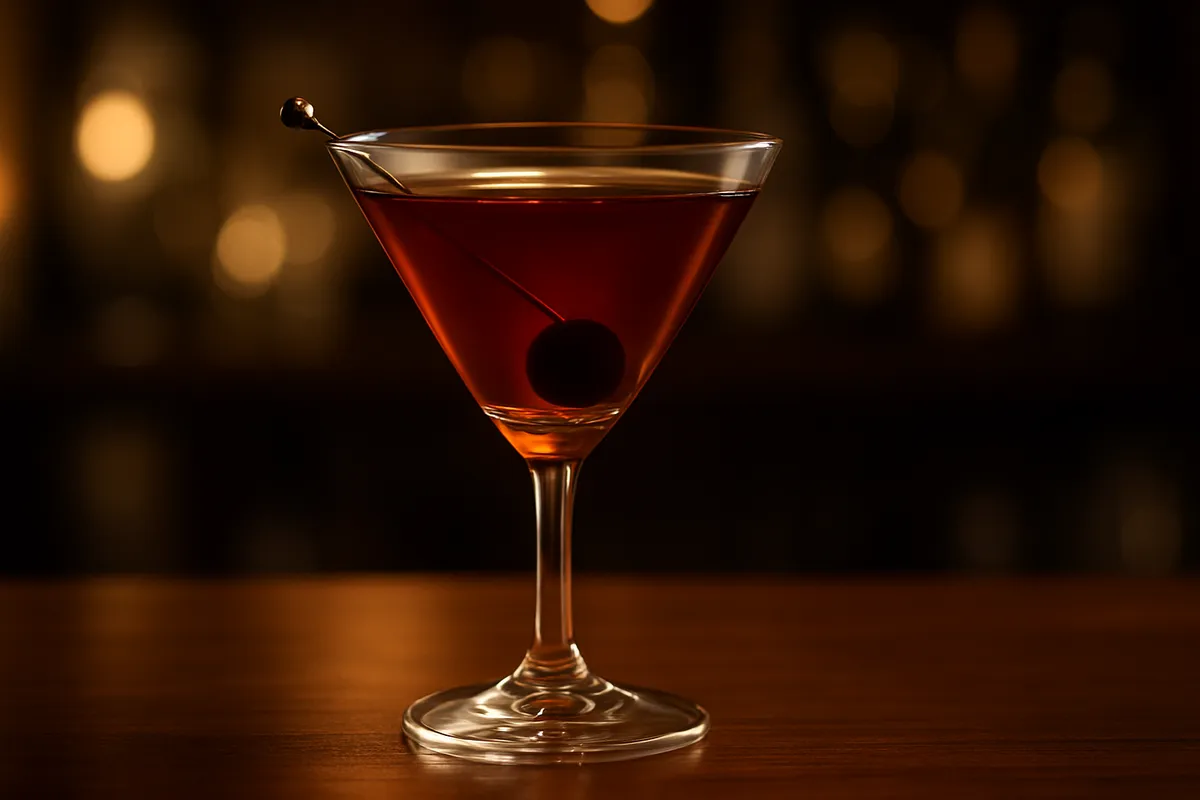
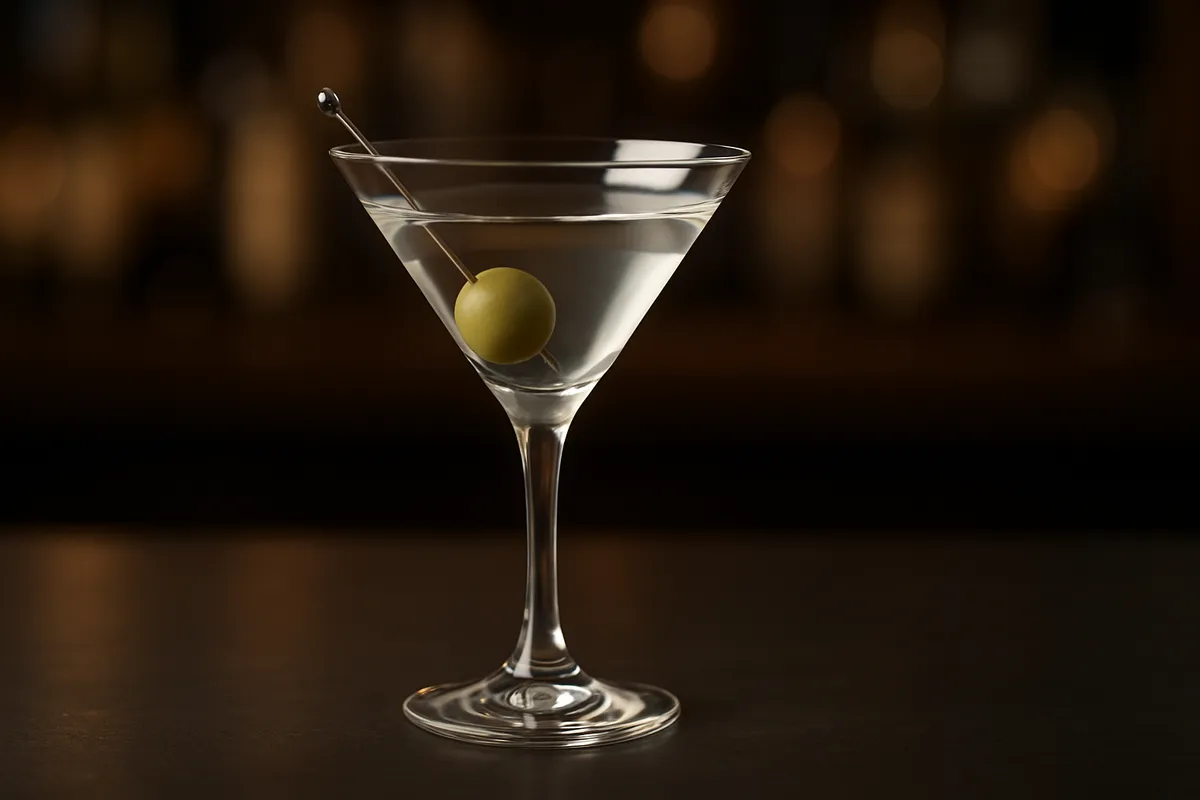
Shake drinks that include citrus, egg, dairy, or anything cloudy you want fully integrated. Stir drinks that are all spirits and liqueurs — Manhattans, Martinis, Negronis — when you want clarity and a silky texture.
Shaking adds air and more dilution; stirring keeps the drink denser and clearer. Neither is “fancier.” Match the method to the ingredients.
02
What shaking actually does
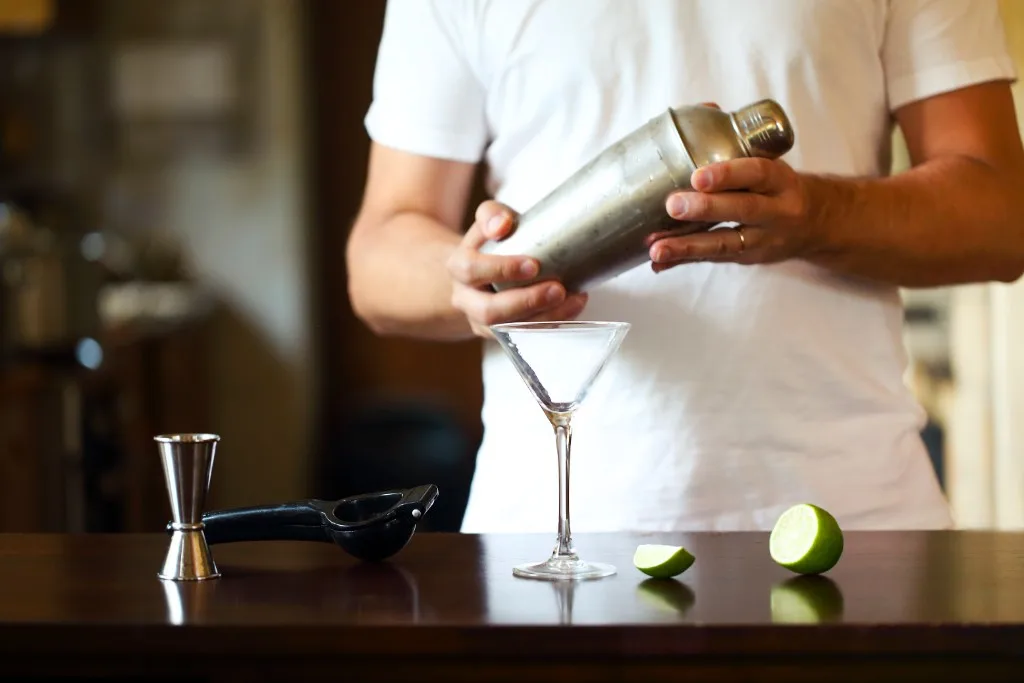
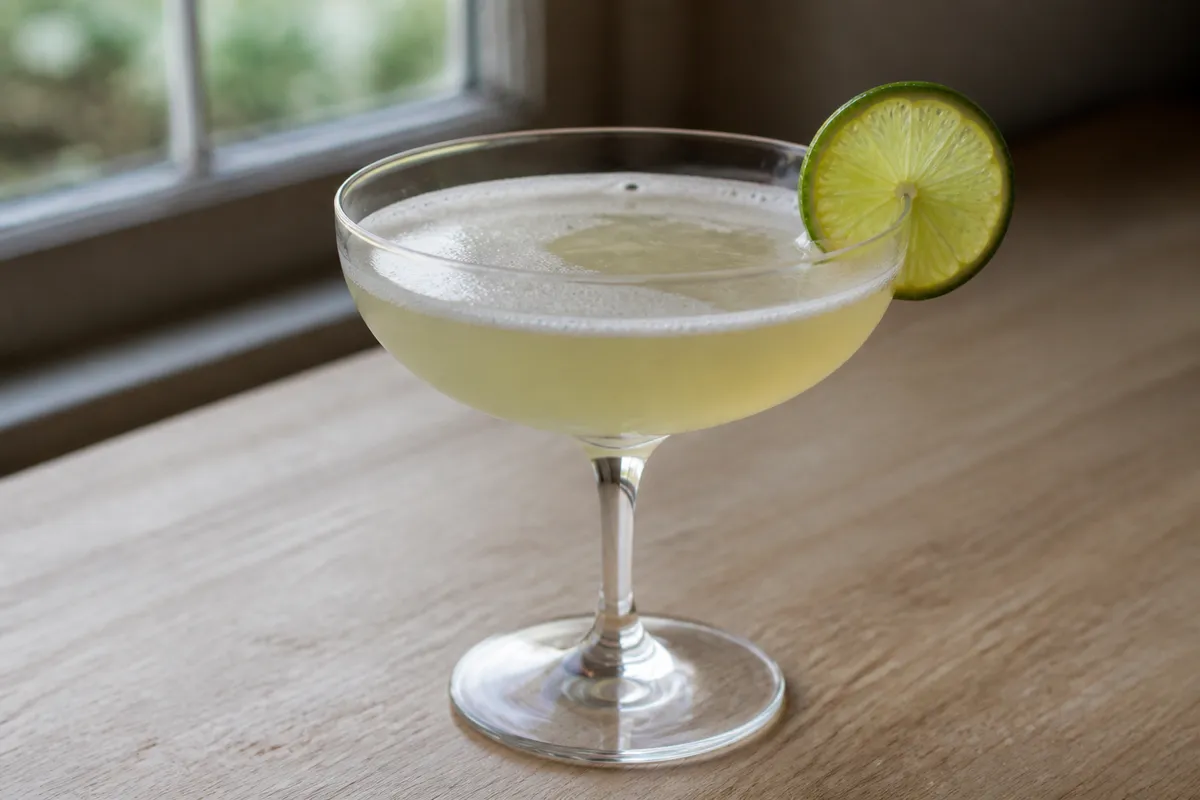
A hard shake is simultaneous heat exchange, dilution, and aeration. Tiny air bubbles lighten mouthfeel and help emulsify citrus oils, egg proteins, and cream. That is why a Daiquiri tastes brighter shaken than stirred — not only colder.
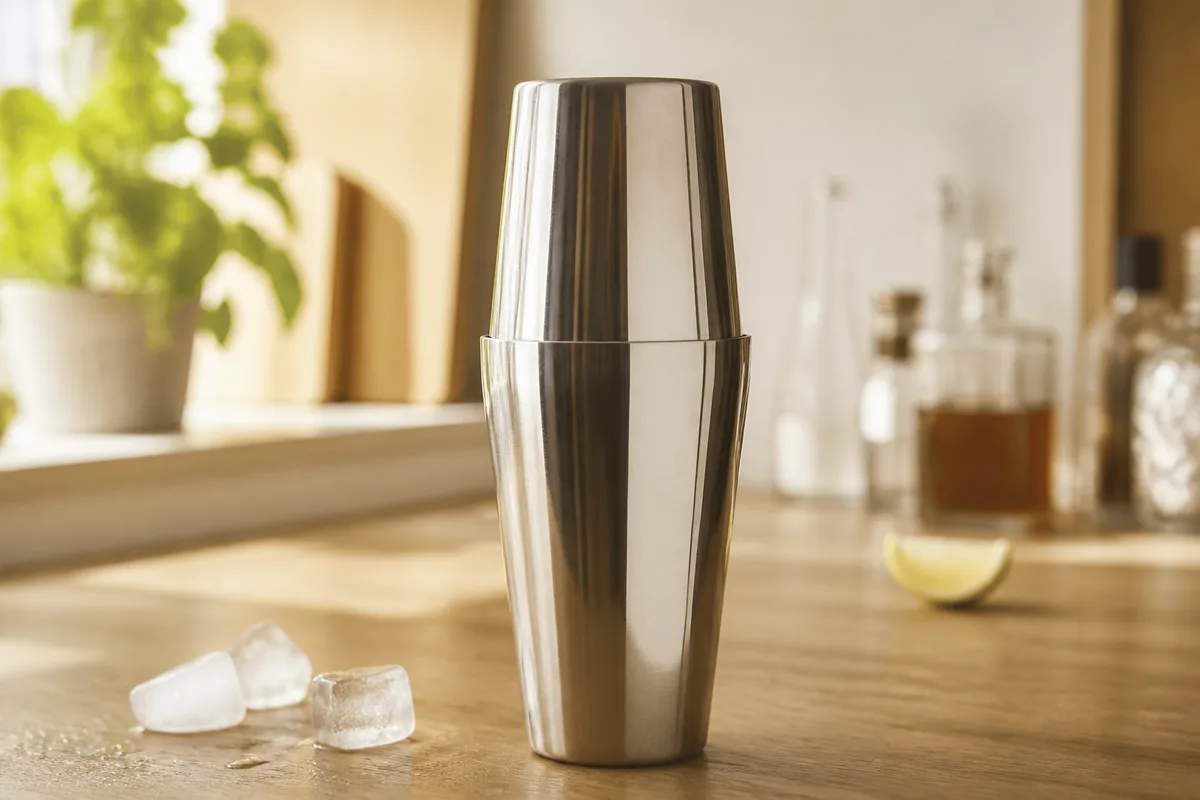
Shake hard for about 10–15 seconds, until the tin is painfully cold. Short shakes leave drinks warm and syrupy; marathon shakes over-dilute. Soft home ice finishes sooner — taste, don’t worship the stopwatch.
Tip
Stirring for clarity and density
Stirring minimizes foam and keeps spirit-forward drinks jewel-clear. Smooth circles with the spoon against the glass avoid whipping air in. Target roughly 20–30 seconds with a full glass of hard ice.
If the drink still burns, keep stirring; if it tastes thin, you overshot — note your ice and time for next round. Dilution is the seasoning that makes a Manhattan silky instead of hot.
Tip
Exceptions worth knowing
Egg drinks often get a dry shake (no ice) first to build foam, then a wet shake to chill. Some modern bars shake certain spirit-forward drinks for texture on purpose — know you’re choosing cloud and water.
Default rule still wins at home: citrus/egg/dairy → shake; all-spirit → stir.
05
Common mistakes
Shaking a Martini or Manhattan → it won’t “ruin” it, but it clouds the drink and adds more water than the template wants.
Stir instead.
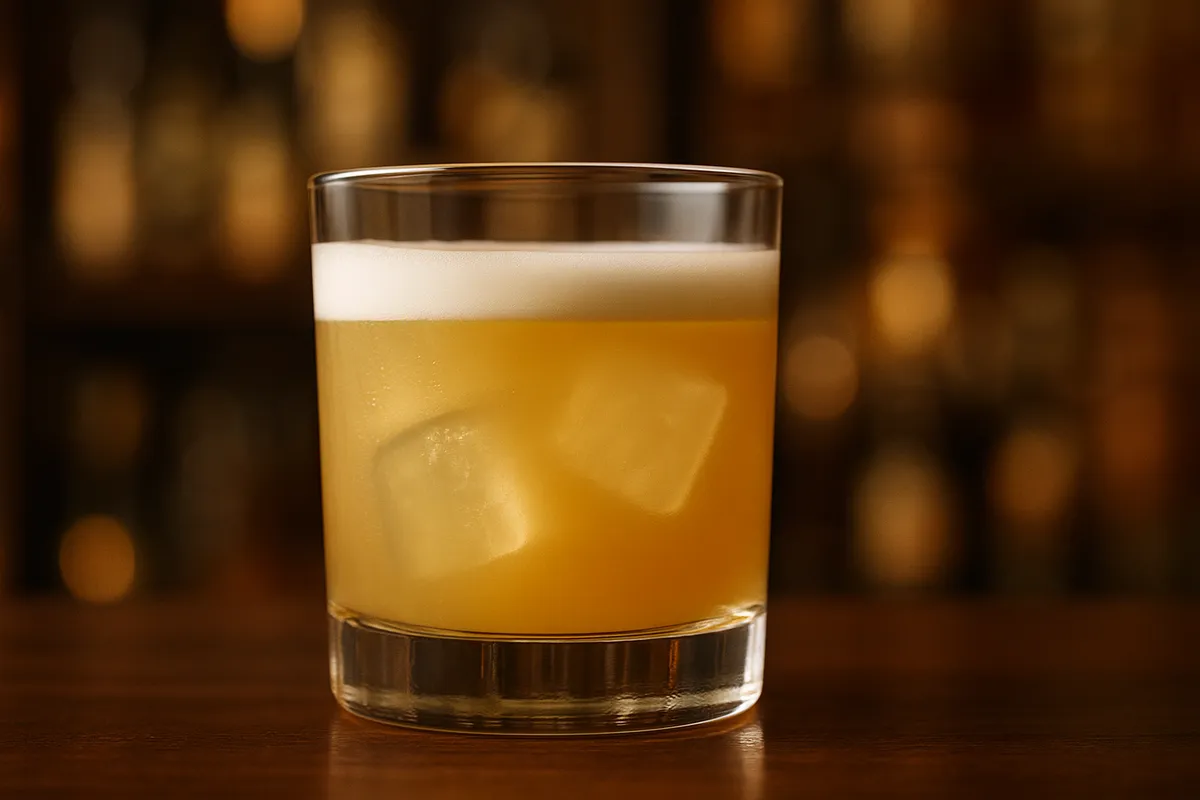
Stirring a Whiskey Sour → egg stays under-emulsified and the drink feels less lively.
Shake (dry then wet if using egg).
Half-empty tin or mixing glass → pack with ice so chill and dilution rise together.
In the glass
Practice these
Read the drill, then make the drink once focusing on that cue — repetition beats another paragraph.