Change bottle or citrus or sweetener — then taste before the next move.
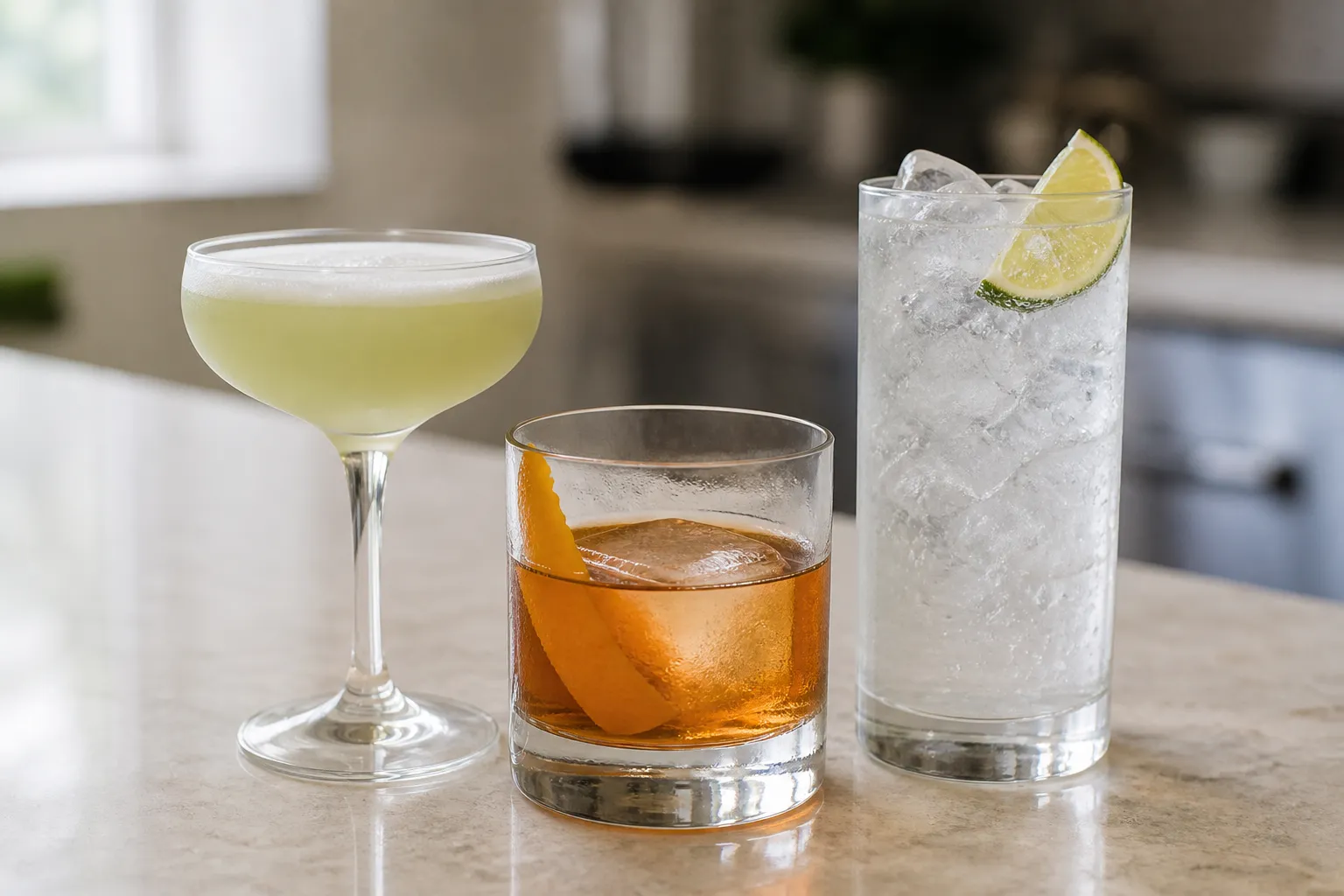
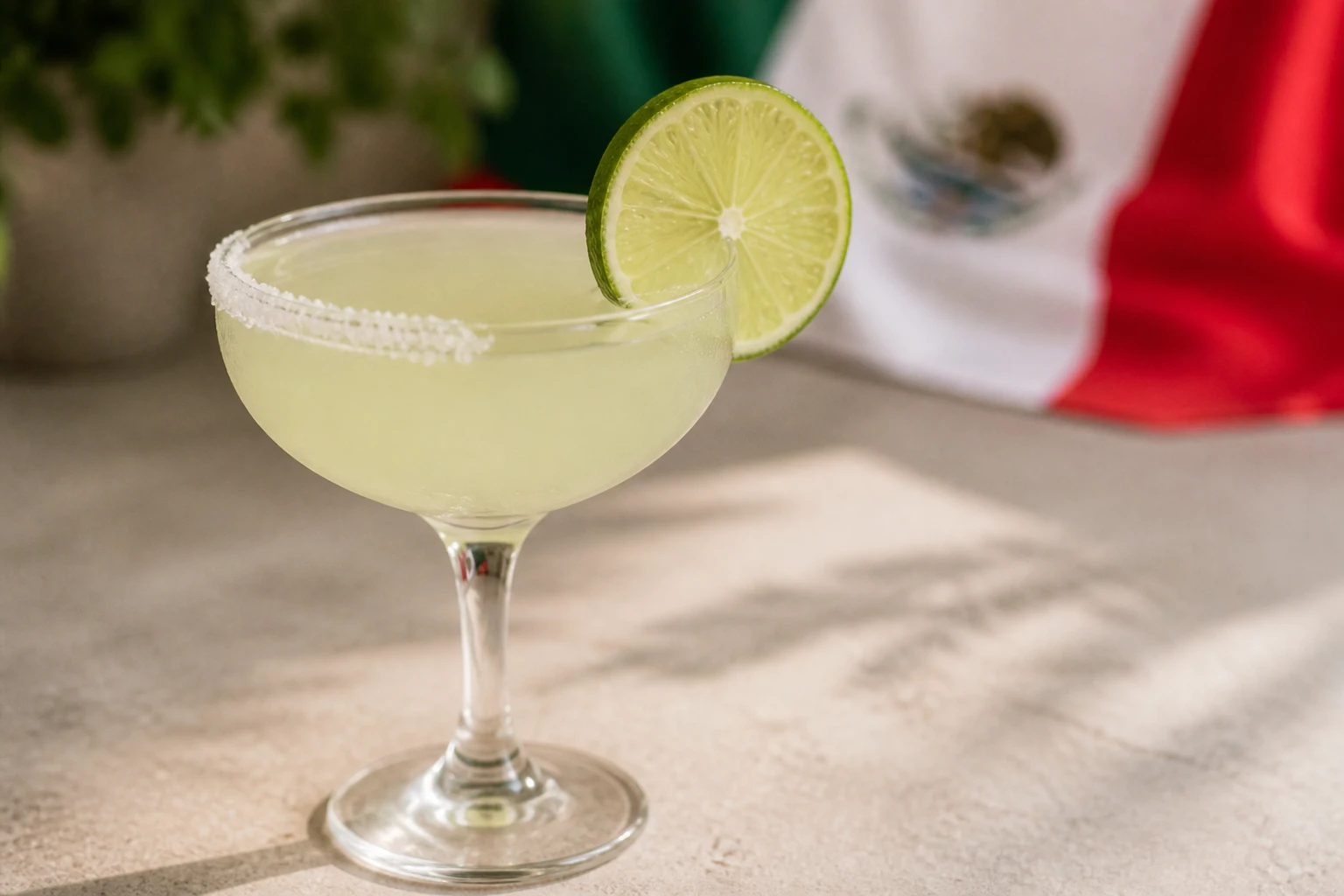
A Margarita with mezcal is still a sour. A Negroni with whiskey is a Boulevardier — same bitter-and-vermouth idea (equal parts originally; often whiskey-forward today). A G&T with cucumber gin is still a highball.
When you leave the family (citrus in a Negroni, cream in a Martini), you are inventing. That is fine — just know you left the map, so diagnosis gets harder.
Tip
One knob at a time
Swap spirit OR sweetener OR citrus OR bitter — then taste. If you change three things and hate it, you cannot learn which move failed.
Use MixWise Smart swaps for catalog-aware options, then apply the same tasting discipline at the counter. The app suggests; your palate decides.
Tip
Loud bottles need smaller moves
Peated Scotch, funky pot-still rum, navy-strength gin, and aggressive amari punch above their ounces. Start with a barspoon float, a half-ounce swap, or a rinse before you replace the whole base.
Proof is a dilution lever: if you move from 40% to 50% ABV at the same pour, the drink will taste hotter unless you stir/shake longer or cut a barspoon of spirit.
Tip
Common swap playbooks
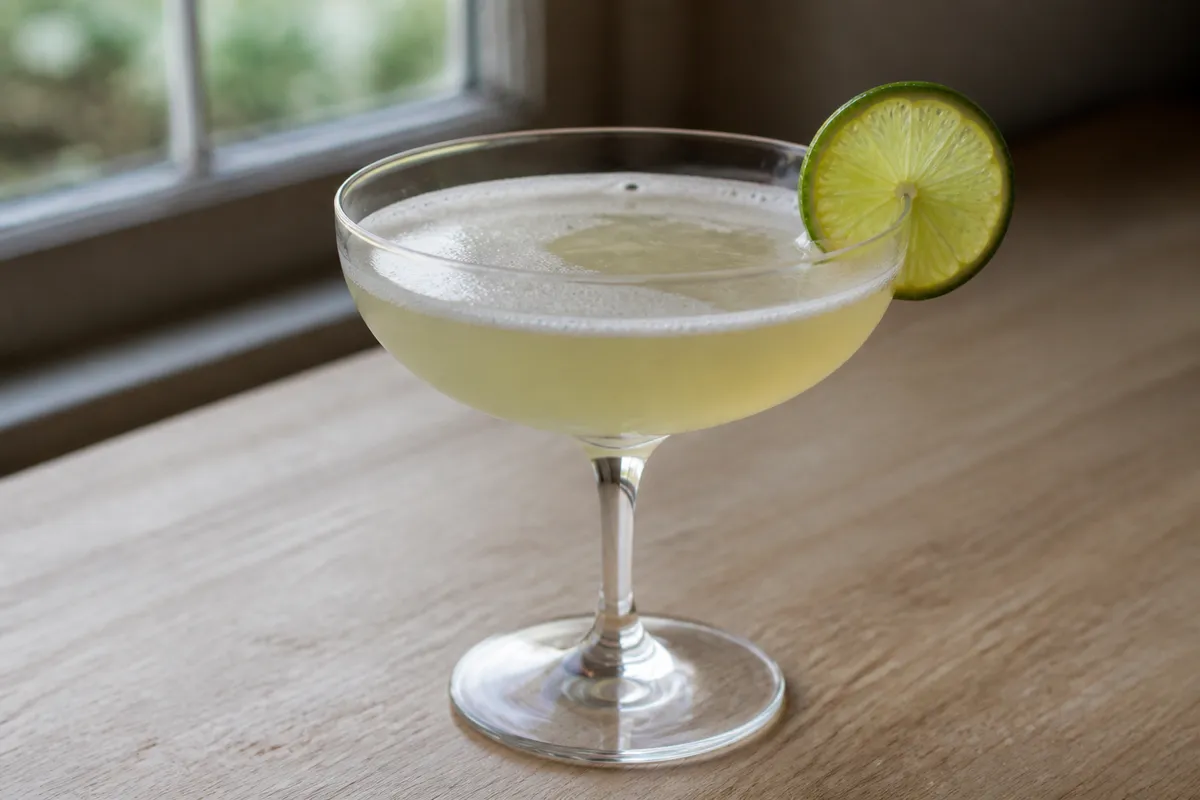
Spirit swap inside a sour (tequila → mezcal, white rum → aged): keep citrus and sugar fixed; expect aroma and weight to move, not the skeleton.
Bitter intensity (Campari → Aperol, or the reverse): rename the drink. Guests deserve honesty when grip and sweetness flip.
Sweetener swap (simple → demerara, agave, honey syrup): flavor changes mid-palate; you may need a hair less volume because rich syrups read sweeter.
Lengthener swap (tonic → soda, ginger beer → ginger ale): still a highball — adjust garnish and ice the same way.
05
Common mistakes
Silent swap shocked guests (“it’s basically a Negroni”) → name the change: bitterness, smoke, or proof moved, so the drink did.
Broken swap fixed by stacking more bottles → revert the one change first; re-taste before adding modifiers.
Hotter bottle poured at the same volume → cut a barspoon or stir/shake longer; proof is a dilution lever.
Three knobs at once → you learned nothing.
One variable, then a verdict.
Tip
When to stop swapping and write a recipe
If you are happier with the new drink than the original, measure it, name it, and save it. Improvisation becomes a house cocktail when it is repeatable — not when it was a lucky free-pour.
In the glass
Practice these
Read the drill, then make the drink once focusing on that cue — repetition beats another paragraph.