Library

Whiskey · 7 min read

Whiskey: learn to taste the difference

Styles are easiest to learn with your nose. A short protocol beats another shelf chart.

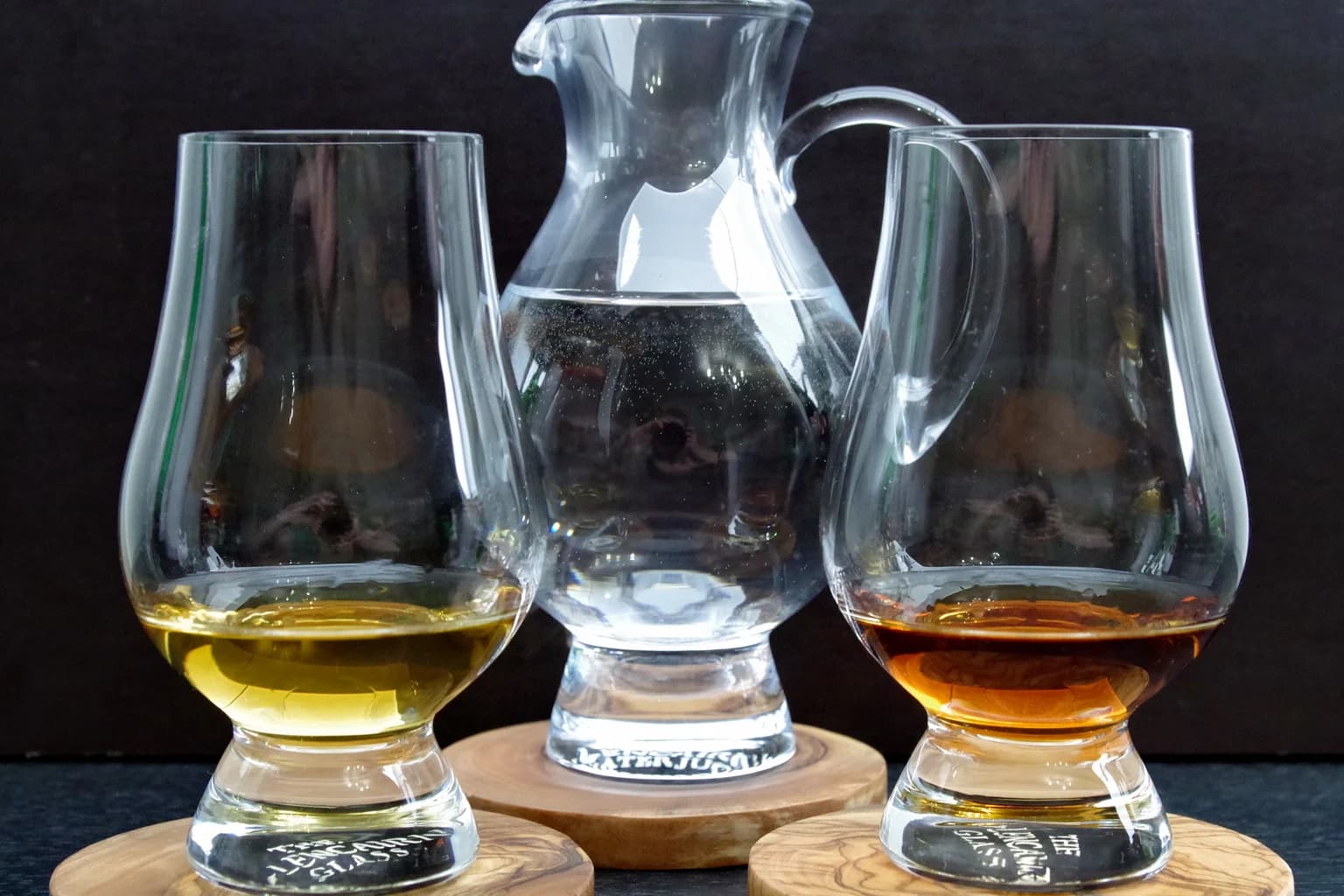
Two Glencairn tasting glasses with different-colored whiskey pours and a water jug between them

The big idea

Learn styles with a short protocol, not a shelf chart.

The rule

A tasting protocol

Nose → sip → two words → name
1

Nose

Smell it first — no sip yet.

2

Sip

A little, then air.

3

Two words

Write what you found.

4

Name

Then name the style.

Guessing the style first just trains you to confirm the label.

Smell first. Taste. Two words — then name the style. “Vanilla, round” or “pepper, dry” will still help at the shelf next month. Guessing early just trains you to confirm what the label already told you.

Neat, or with a few drops of water if it is hot. Same glass shape if you can. You are training a comparison, not hosting a party.

What to listen for

Four styles — pick for the template, not the shelf flex

Bourbon

Corn · new oak

Rye

Spice · dry

Scotch

Malt · peat?

Irish

Soft · pot still

Bourbon: vanilla, corn sweet, round. If the oak is the first thing you smell, you found new charred wood.

Rye: pepper, baking spice, a drier finish. If the drink feels leaner in the same glass, believe it.

Blended Scotch: light malt, easy to mix. A Rob Roy should still taste like whisky, not like a shy bourbon.

Peated malt: smoke first. Phenol, not proof. Two words beat a paragraph — “smoke, iodine” is more useful than a campfire essay.

Irish blend vs pot still: Jameson is soft and light; Redbreast, or similar pot still, is oilier, with unmalted barley body. If it feels thin in a stirred drink, you probably grabbed the blend.

Tip

Mini labs

Three short drills. Keep the glass and pour size fixed — change one variable each time. Two words beat a paragraph.

A: Bourbon vs rye, neat. Pour Buffalo Trace or Maker’s Mark against Rittenhouse Bonded (or another bonded rye) — same splash, same glass shape. Smell both before you sip. Write two words for each, then name the style out loud. If heat is masking the spice, add a few drops of water and try again.

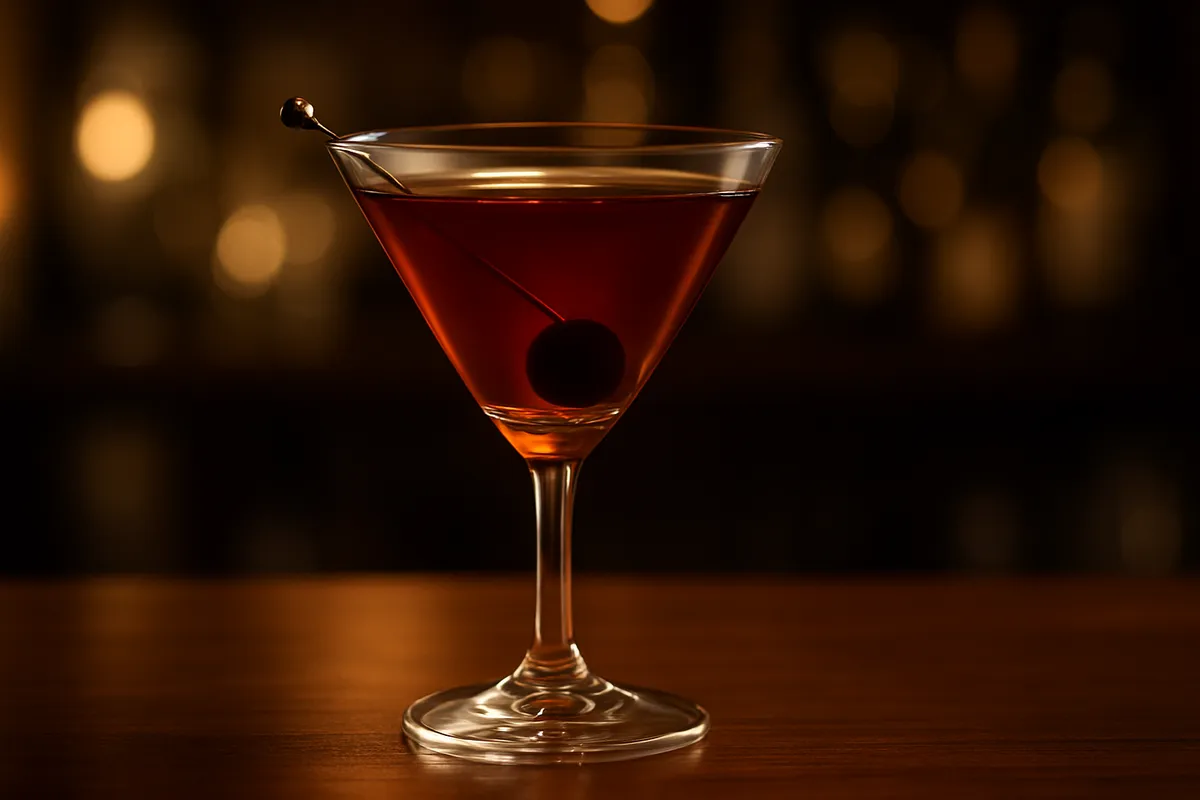
B: Same Manhattan, two whiskeys. Stir 2 oz bourbon, 1 oz sweet vermouth, and 2 dashes Angostura; then remake it with rye. Same vermouth bottle, same chill. Ask one question only: which pour let the vermouth stay in its place instead of turning the drink into dessert? That is the style talking, not a different recipe.

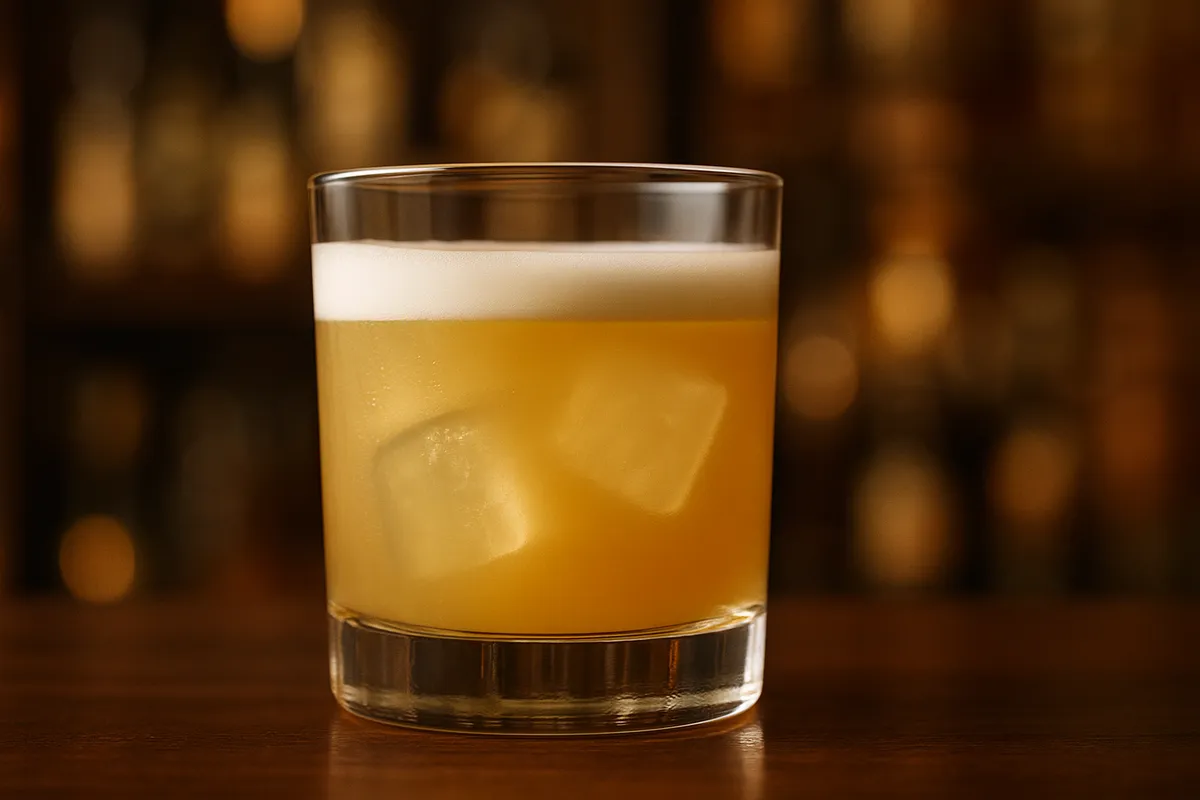
C, optional: smoke as perfume. Shake a gentle whisky sour with bourbon or Irish — lemon should lead. Strain, then float a barspoon of Laphroaig 10 or Ardbeg 10 on top; do not stir it in. The first sip should smell like smoke; the second should still taste like a sour. If peat is the whole drink, you used too much float — or you shook the Islay into the tin.

Common mistakes

  • You named the style from the label, then tasted to confirm → smell first, sip, write two words, then look at the bottle.
  • Every smoky pour gets called “Islay” → write the two words you actually found (smoke, iodine — or not); peat is a production choice, and the fix is the protocol, not a region quiz.
  • Six bottles in a rush and nothing stuck → taste two side by side (Buffalo Trace against Rittenhouse, or similar); one comparison beats a flight you will not remember.
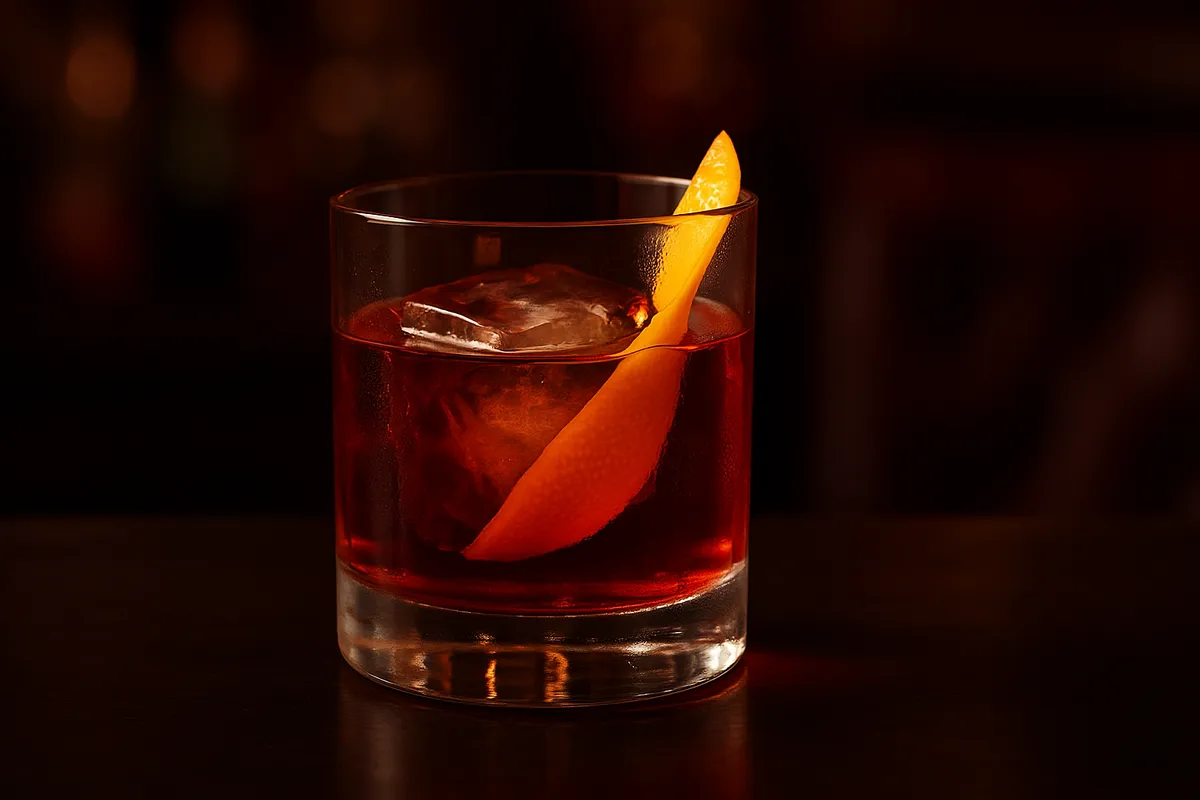
An Old Fashioned in a rocks glass with a large ice cube and orange peel

Up next · 7 min

Whiskey: four classics, four lessons

In Whiskey: from bottle to classics · Library