What is Benedictine?
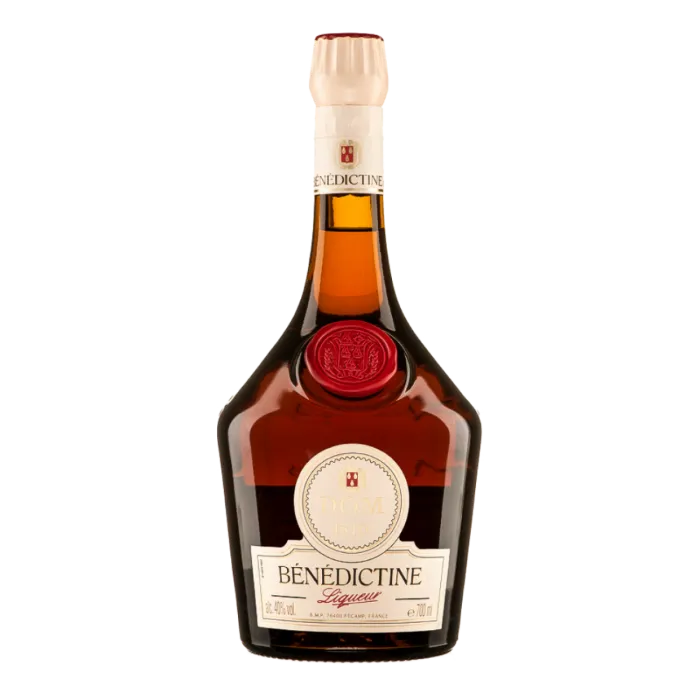
A French herbal liqueur, 40% ABV, produced in Fécamp from a proprietary botanical formula, with a honeyed, spiced profile.
The basics
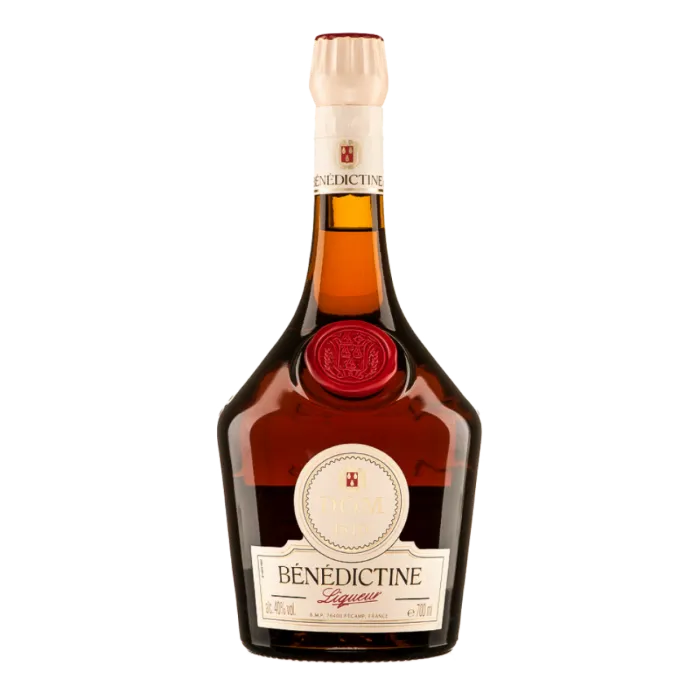
Bénédictine is a branded herbal liqueur created by Alexandre Le Grand in Fécamp, Normandy, in 1863. The label bears DOM (Deo Optimo Maximo). The recipe is proprietary; the house cites two dozen or more botanicals. It is bottled at 40% ABV. It is rounder and more honeyed than Chartreuse and lacks absinthe’s anise dominance.
B&B is a later commercial blend of Bénédictine and brandy, drier and longer than Bénédictine alone. Neither is a substitute for green Chartreuse. In mixed drinks Bénédictine is a concentrated herbal-honey modifier, usually in quarter- to half-ounce amounts.
How it tastes
Honey, baking spice, saffron, and herbal sweetness. Rounder than Chartreuse, less anise-driven than absinthe or pastis, and more confectionary than green Chartreuse’s alpine heat.
A half-ounce in a stirred whiskey drink is a complete aromatic statement. It reads as spice and honey, not as mint or chlorophyll.
Where it comes from
Le Grand marketed the liqueur as a reconstruction of a medicinal elixir associated with the Benedictine abbey of Fécamp, a sixteenth-century manuscript in the brand’s account. Whatever the archival status of that story, the industrial product is nineteenth-century and Norman.
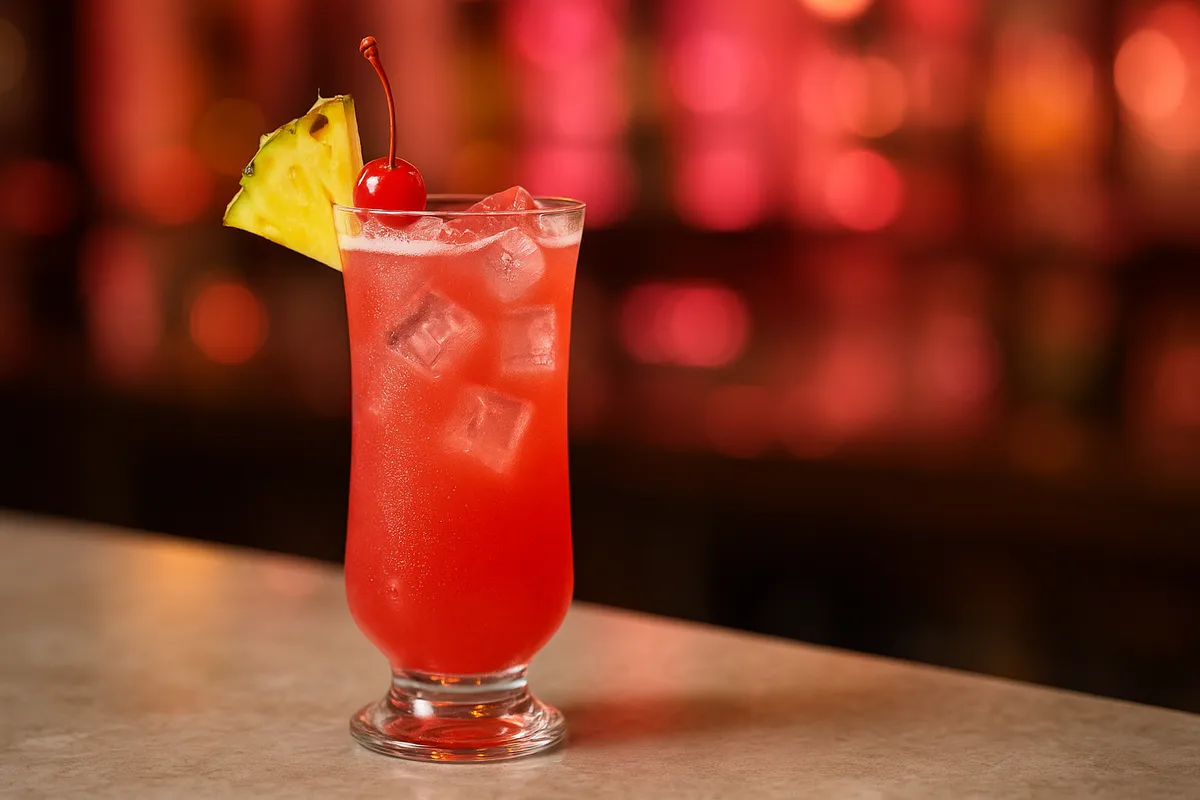
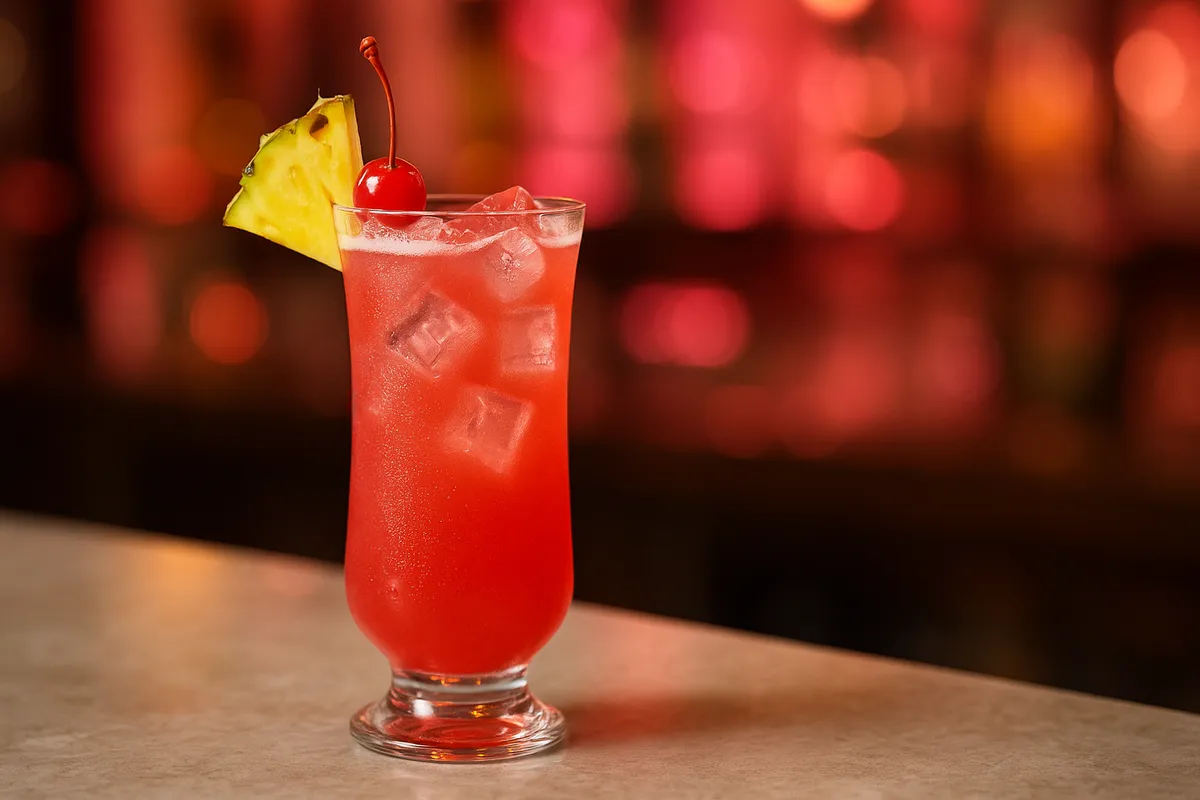
American cocktail use is concentrated in New Orleans and in hotel-bar classics: the Vieux Carré (Walter Bergeron, Hotel Monteleone, 1930s: rye, cognac, sweet vermouth, Bénédictine, bitters) and the Singapore Sling, attributed to Ngiam Tong Boon at Raffles Hotel around 1915, which uses Bénédictine among other modifiers.
How to use it
In stirred drinks, a quarter- to half-ounce is the usual range. The Vieux Carré uses a small measure relative to the whiskeys. B&B can replace Bénédictine when you want less sweetness and more brandy, at the cost of the liqueur’s concentration.
Chartreuse will not stand in without turning the drink alpine and hotter. Store as a 40% liqueur, capped and away from light. It is stable.
Note
The Palais Bénédictine in Fécamp is a purpose-built nineteenth-century distillery and museum, not a functioning monastery, which is relevant to reading the monastic story as brand history.
What pairs with it
Cocktails with Benedictine
Recipes in the MixWise library whose specs call for this ingredient.