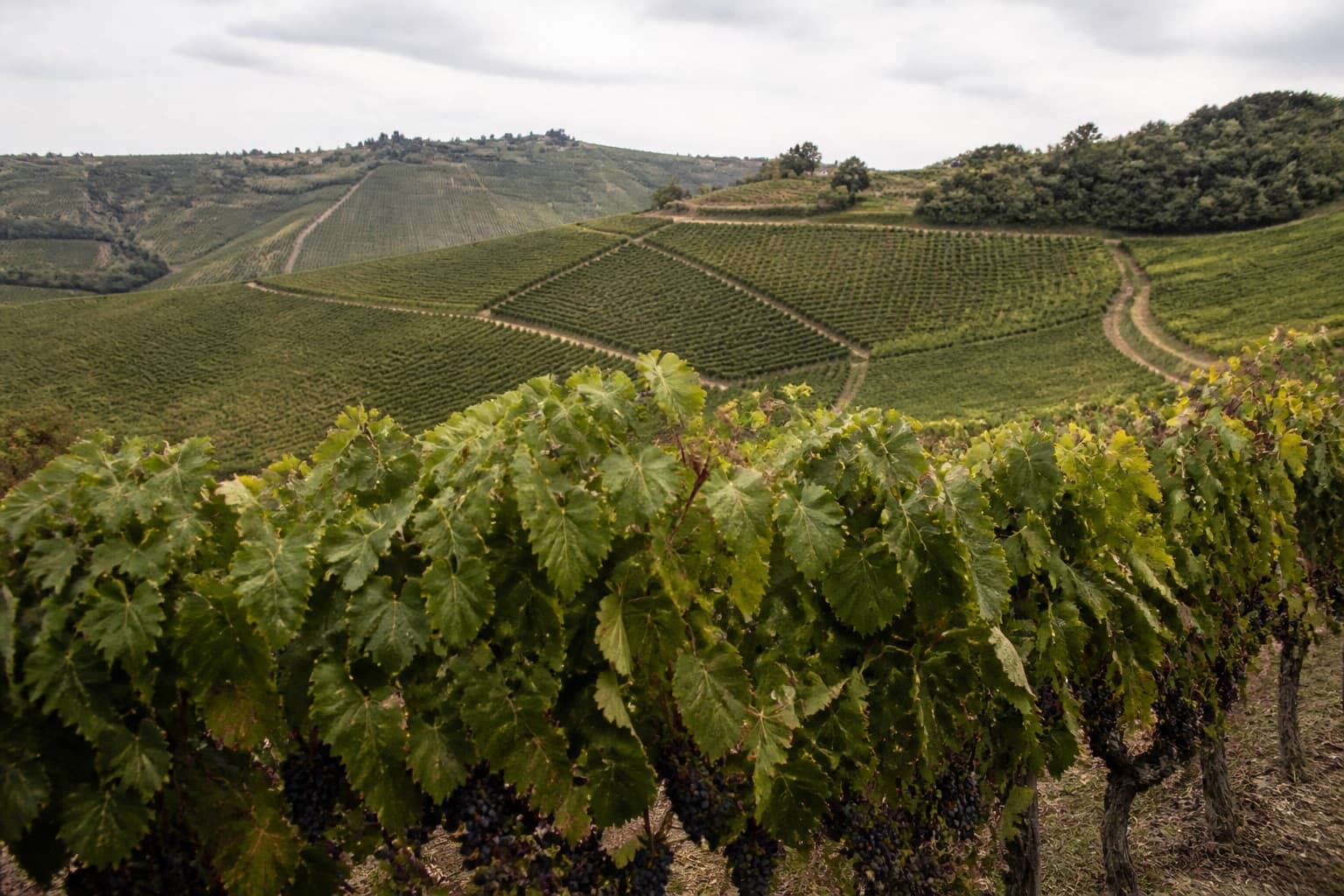
What is Cognac?
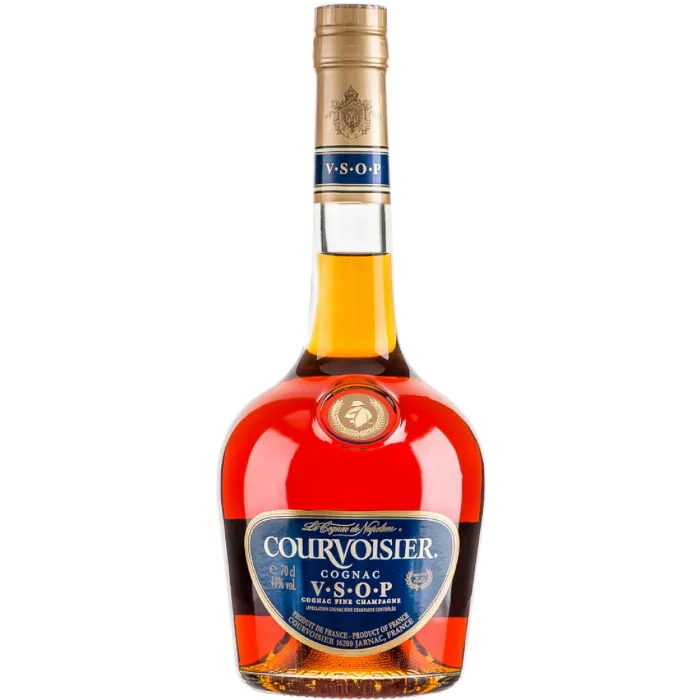
Grape brandy from the Cognac appellation in France, double-distilled in copper pot stills and aged in French oak; VS is the usual mixing grade.
The basics
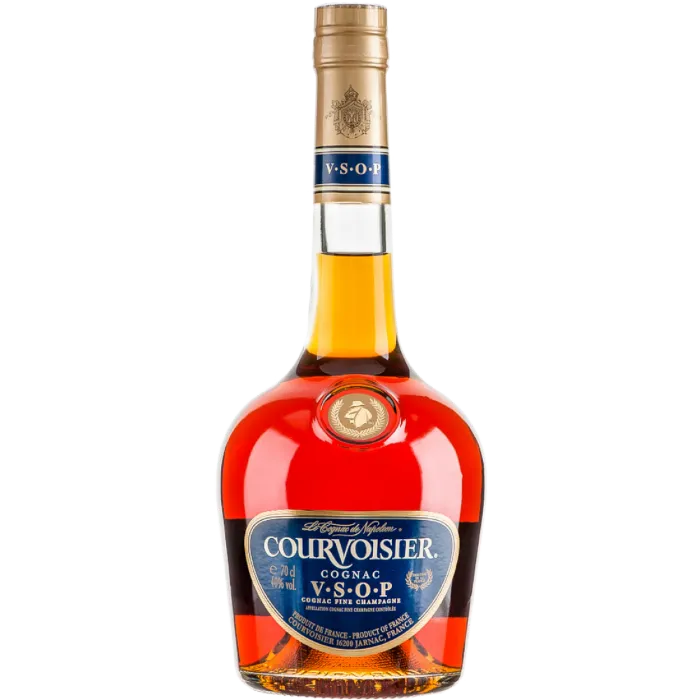
Cognac is brandy — distilled wine — produced in the Cognac region under appellation rules: primarily ugni blanc, double-distilled in Charentais pot stills, and aged in French oak. Age statements on the label refer to the youngest eau-de-vie in the blend: VS at least two years, VSOP at least four, XO at least ten (since 2018). Cocktail recipes that specify Cognac generally mean a VS or an inexpensive VSOP, not an XO sipping blend.
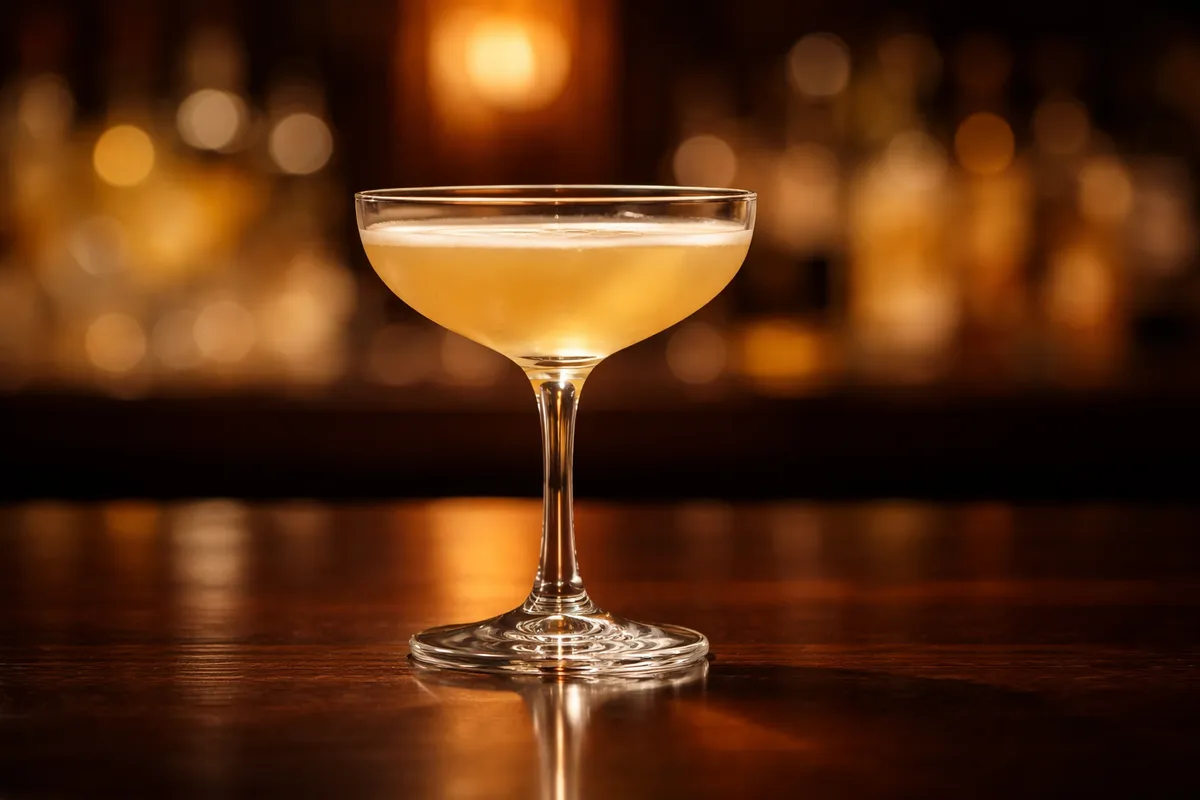
It is a fruit-forward, moderately tannic base for the Sidecar (cognac sour with orange liqueur and lemon), for brandy Old Fashioned-family drinks, and for stirred composites such as the Vieux Carré. Generic brandy can occupy the same templates with less floral grape character.
How it tastes
Dried fruit, grape flower, oak, spice; older cognac develops rancio (nutty, mushroom, oxidative richness). VS is fruitier and more fiery; VSOP and above are smoother and more oak-driven. Mixing VS should still taste of grape, not only of ethanol and caramel.
Where it comes from
Cognac was a major export spirit long before it was a cocktail ingredient; 19th-century punches, slings, and sours used brandy as readily as whiskey. Phylloxera in French vineyards and the rise of cheaper grain whiskey in the United States reduced brandy’s place on the American bar.
The Sidecar — cognac, orange liqueur, lemon — is an early-20th-century sour (Paris or London, World War I era). The Vieux Carré (Hotel Monteleone, New Orleans, 1930s) splits cognac with rye. Those drinks assume grape brandy’s dried-fruit register, not bourbon’s corn vanilla.
How to use it
Use VS or mixing-grade VSOP in Sidecars and other brandy sours, in punches, and in stirred drinks that name cognac. Substituting American whiskey yields a whiskey sour or Boulevardier-adjacent drink without grape or rancio. Armagnac is a legitimate, often more rustic alternative (typically single-distilled). XO in a shaker is chemically fine; lemon and liqueur mute the aging nuance the extra years paid for. Store upright, like other spirits.
Note
Rancio is a tasting term for the nutty, oxidative richness that develops in long-aged cognac; it is a mark of age, not a fault, and it is largely lost in a sour.
What pairs with it
Cocktails with Cognac
A few of the 13 MixWise recipes that call for it.
Brandy
Between the Sheets
A split‑base brandy and rum sour with citrus brightness.
Cognac
Brandy Crusta
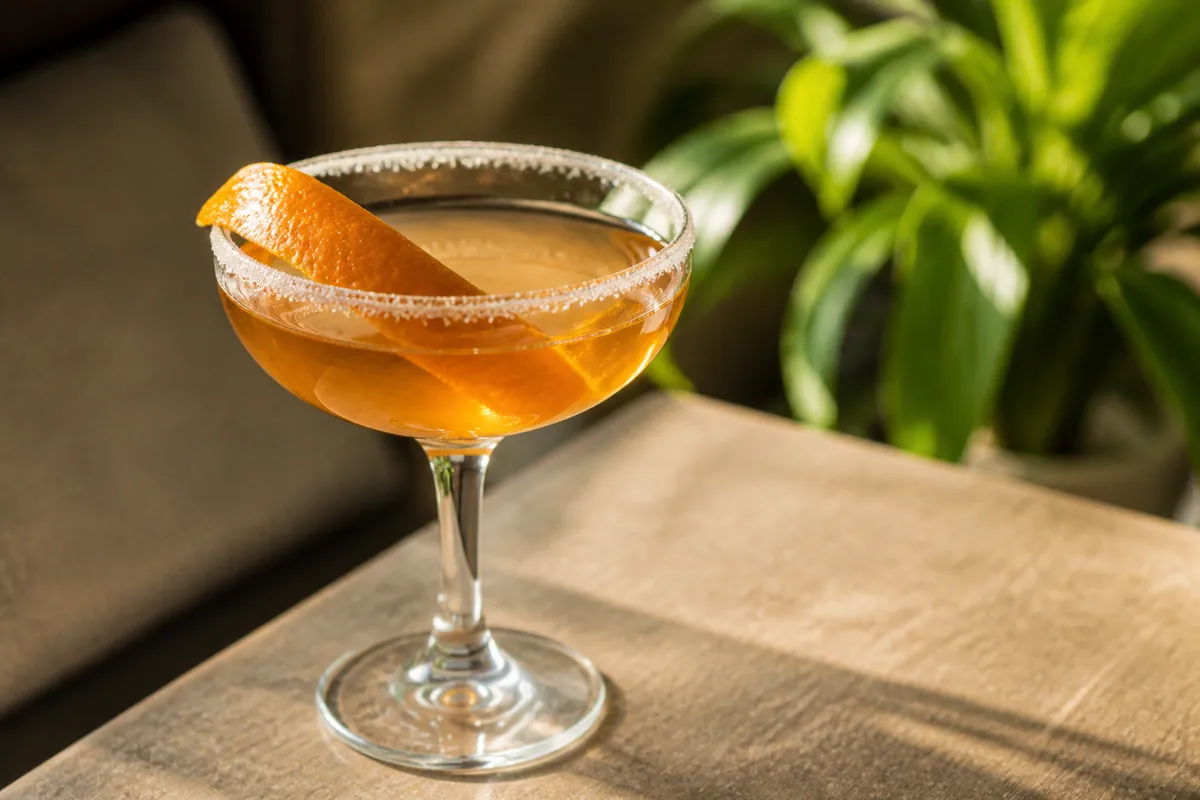
A nineteenth-century Cognac sour with a sugared rim and wide citrus peel.
Brandy
Brandy Flip
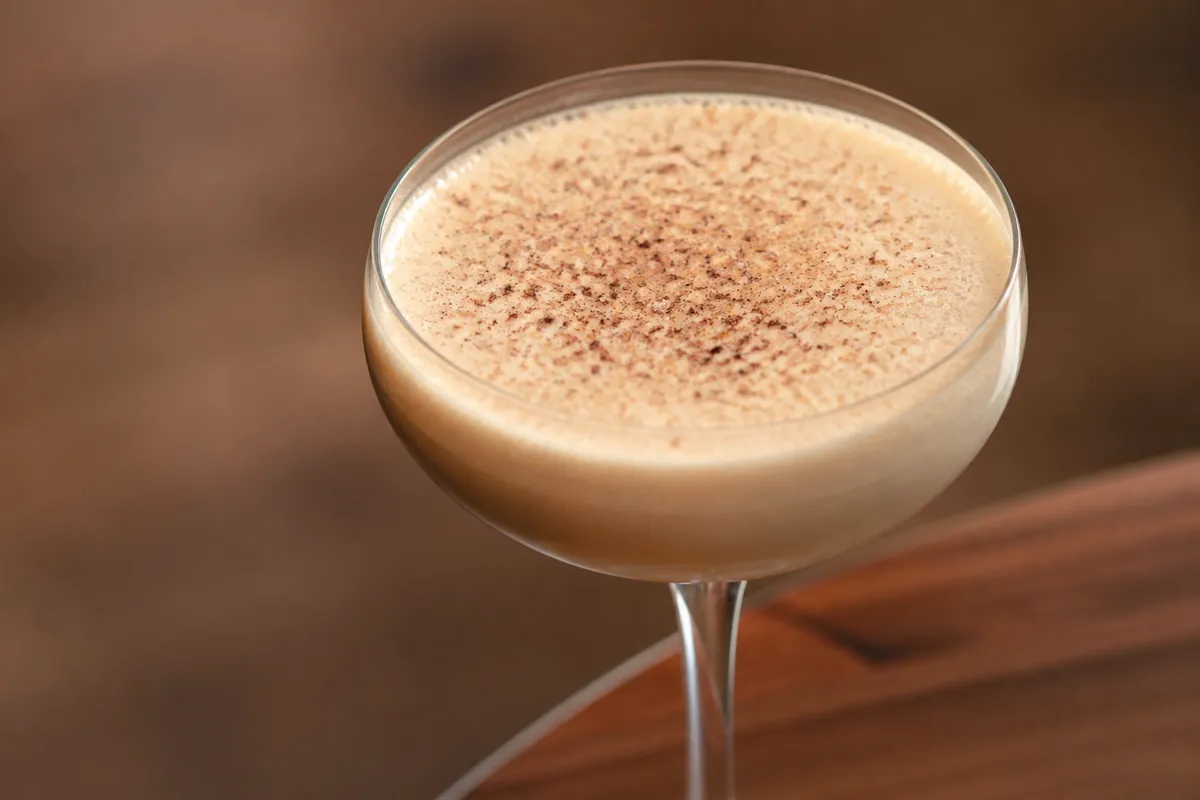
A spirit-forward flip of brandy, sugar, and whole egg, finished with nutmeg.
Cognac
Champs Élysées
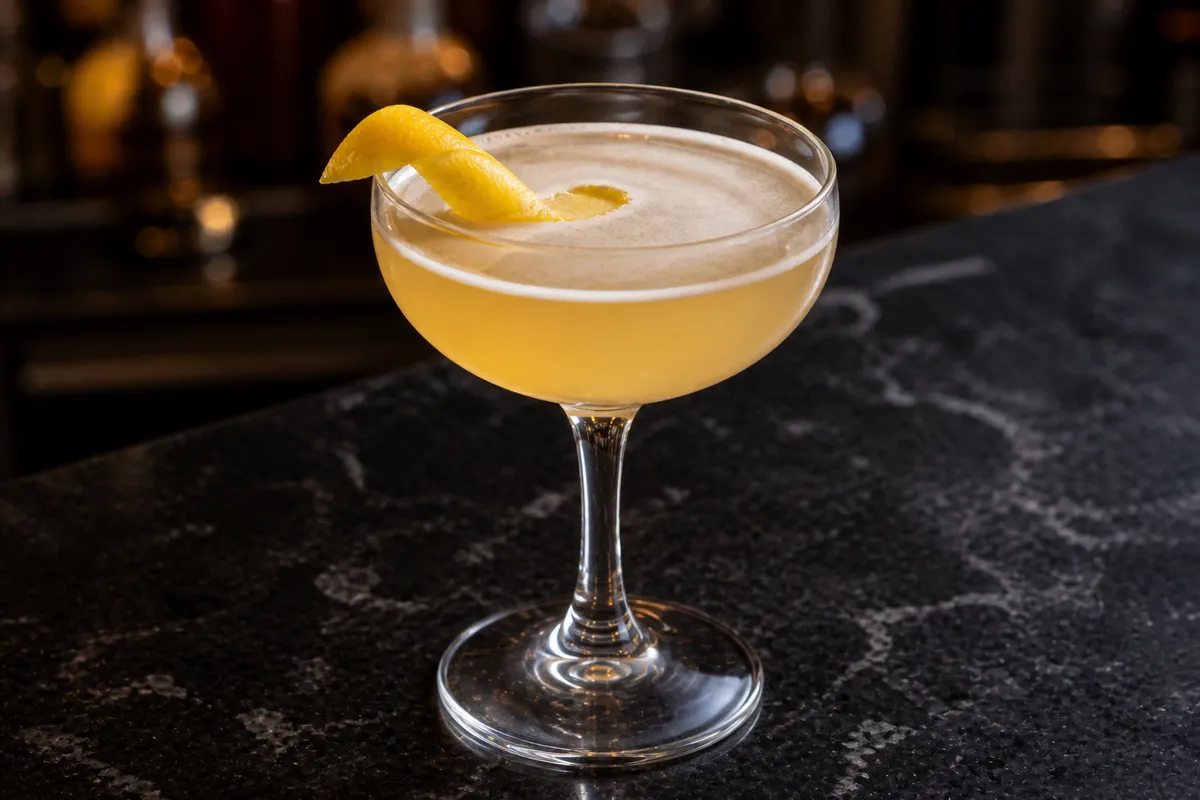
A Cognac sour from the 1920s that uses yellow Chartreuse in place of orange liqueur.
Cognac
Corpse Reviver No. 1
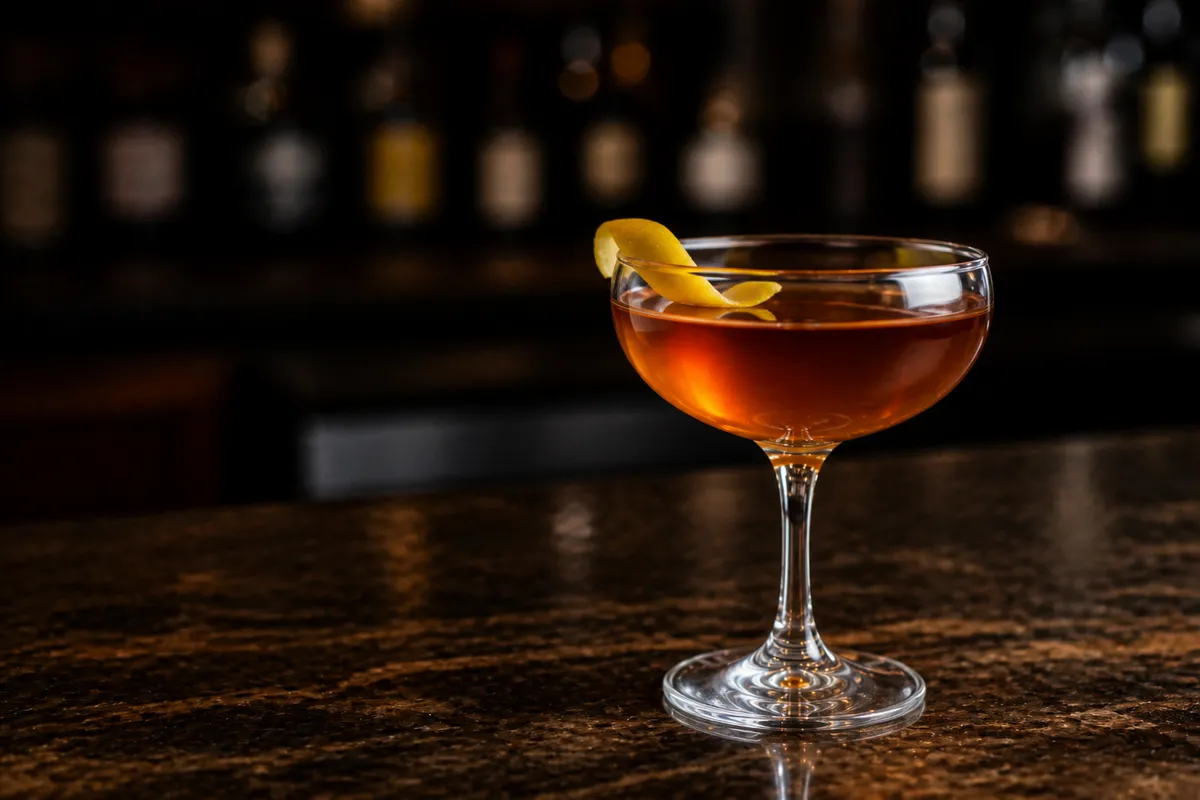
A brandy morning cocktail of cognac, apple brandy, and sweet vermouth.
Rum
Fish House Punch
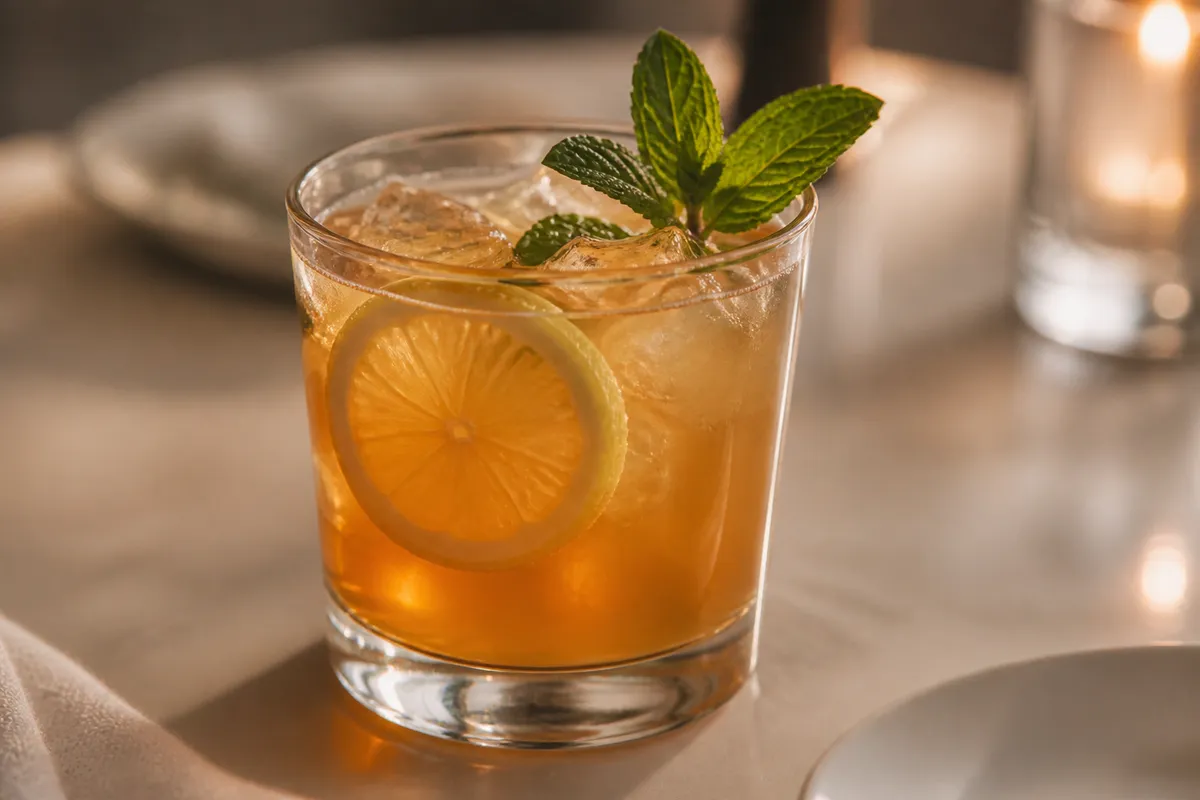
A historic Philadelphia punch of rum, cognac, peach, lemon, sugar, and tea or water.