What is Tequila?
A Mexican denomination of origin for spirit distilled from Agave tequilana (blue Weber); 100% agave blanco is the usual cocktail base for the Margarita and Paloma.
The basics
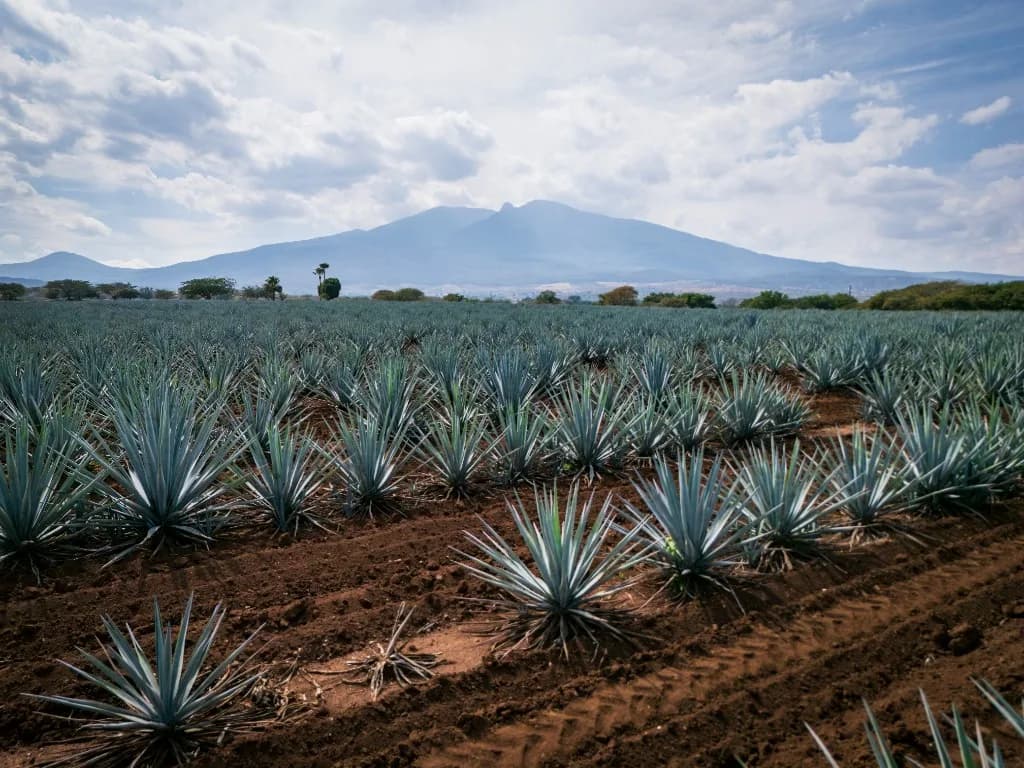
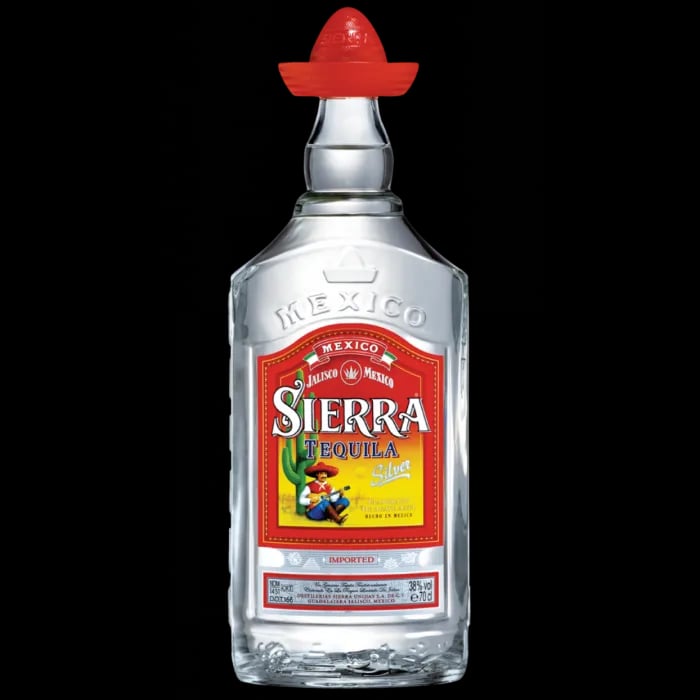
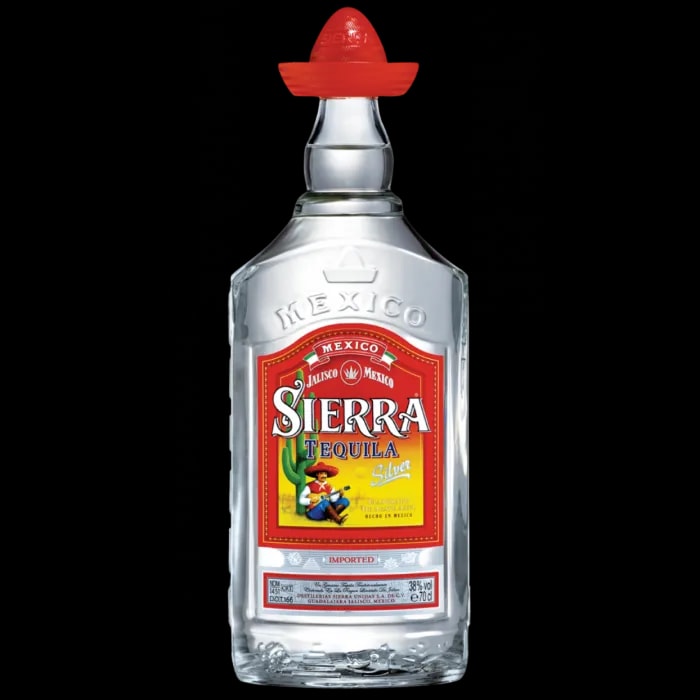
Tequila is an agave distillate produced only in a defined Mexican territory, from blue Weber agave (Agave tequilana). By law it must be at least 51% agave sugars; mixto may use other sugars for the remainder, while 100% agave (cien por ciento de agave) uses only agave. Most cocktail recipes assume the latter. Blanco (silver) is unaged or aged fewer than two months; reposado rests two months to a year in oak; añejo one to three years; extra añejo longer. Mexican law allows bottling from 35% ABV; export bottles are often 40%.
Blanco is the base for agave sours and highballs because cooked-agave flavor and peppery heat remain visible beside lime. Reposado can occupy oak-friendly stirred drinks or a rounder sour. Añejo is primarily a sipping category unless a recipe asks for that wood.
How it tastes
Blanco: cooked agave (sweet squash, pepper, citrus zest, mineral). Reposado adds light vanilla and oak from months in barrel. Añejo is woodier. Mixto (as little as 51% agave sugars, the rest usually cane) tastes flatter and hotter, with less agave and often more added glycerin or vanilla character.
Where it comes from
Agave distillation in western Mexico predates the modern denomination; tequila as a regulated origin is a 20th-century legal structure around a much older practice. The Margarita — tequila, orange liqueur, and lime, in sour proportions — coalesced in the mid-20th century in the US–Mexico borderlands; several origin stories (1930s–50s) compete, but the template is stable.
The Paloma — tequila, grapefruit soda, lime — is the highball widely drunk in Mexico, a longer, more forgiving build than the Margarita. Both drinks expose mixto tequila and bottled citrus immediately.
How to use it
Use 100% agave blanco in Margaritas (sour family: spirit, citrus, orange liqueur or agave syrup) and Palomas (highball). Reposado if a slightly oaky sour or an agave Old Fashioned is wanted. Mixto will not supply the same agave note; the drink leans toward heat and sweetener. Substituting mezcal introduces pit-roast smoke the Margarita was not written for, which can be deliberate in a split pour. Tequila is stable; reposado and añejo are still spirits, not vermouth, but color and oak perfume are best kept out of strong light.
Note
In Mexico the Paloma is tequila’s everyday long drink, closer in use to a gin and tonic than to a shaken Margarita: built in the glass, grapefruit-forward, and meant to be refreshing rather than concentrated.
What pairs with it
Cocktails with Tequila
A few of the 47 MixWise recipes that call for it.
Tequila
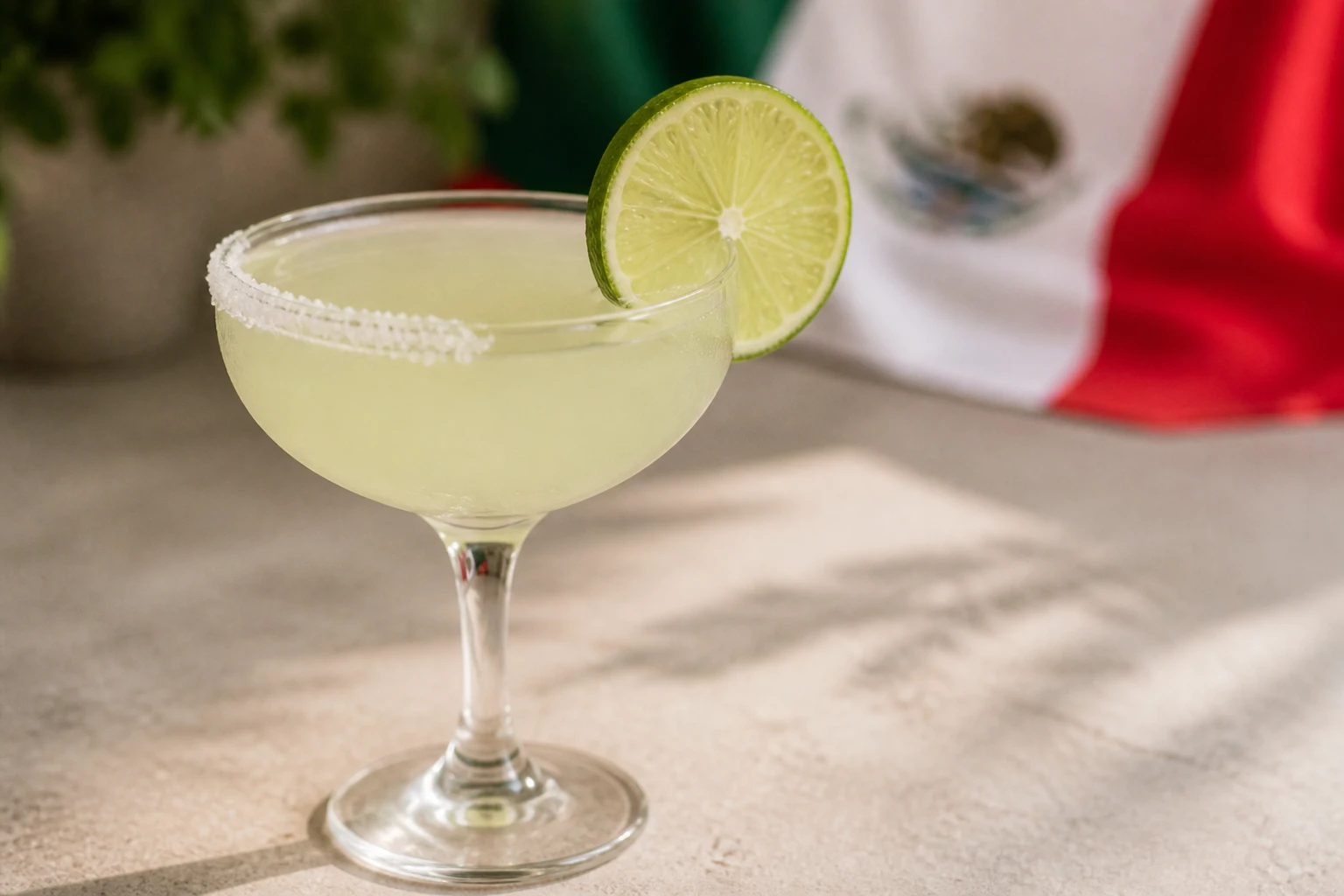
Margarita
A crisp, lime-driven tequila sour with a saline edge and crystalline balance.
Tequila
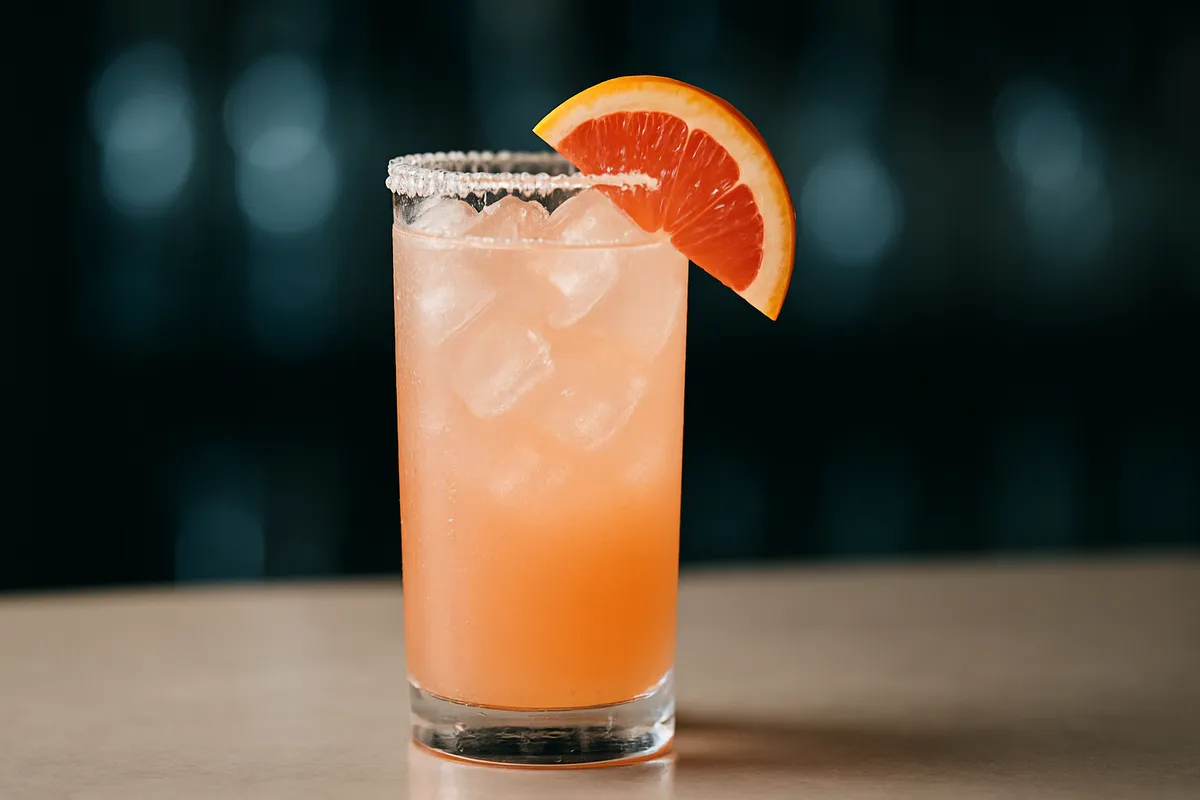
Paloma
A long, grapefruit forward tequila highball that drinks bright and mineral.
Tequila
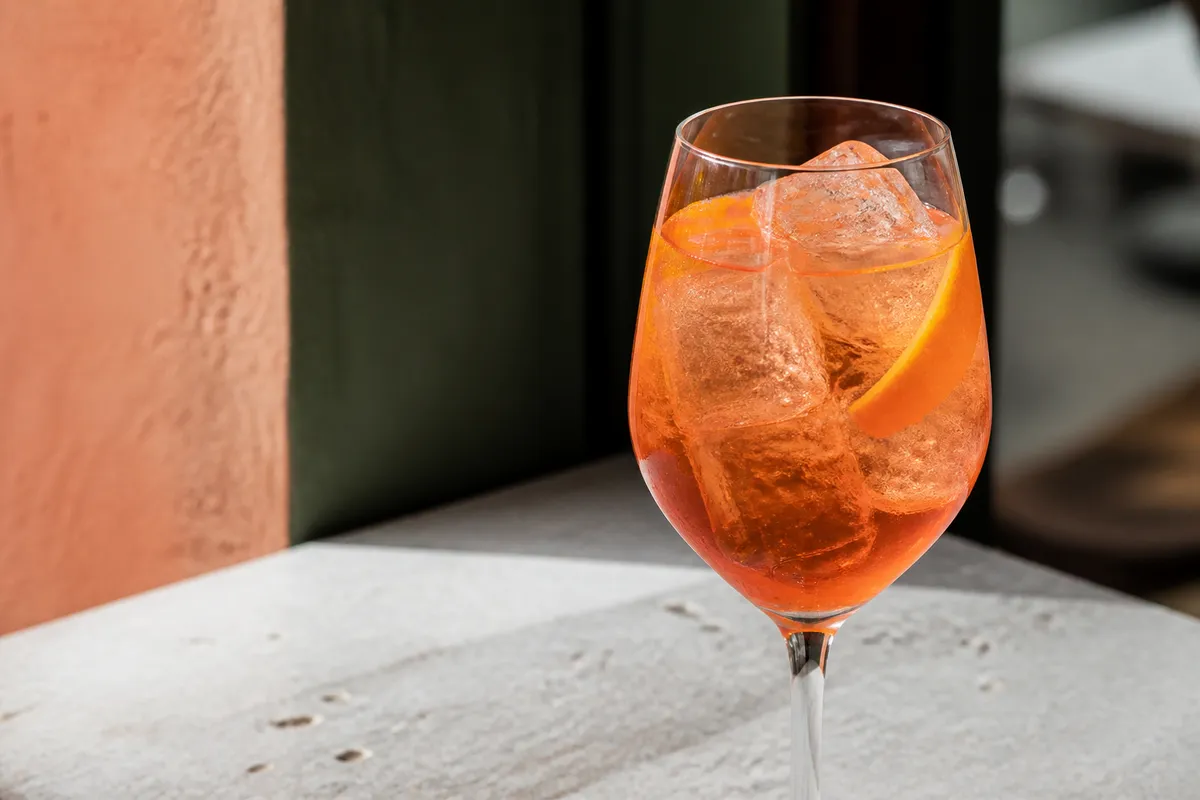
Agave Spritz
A light sparkling highball with tequila or mezcal, aperitivo, and soda.
Tequila
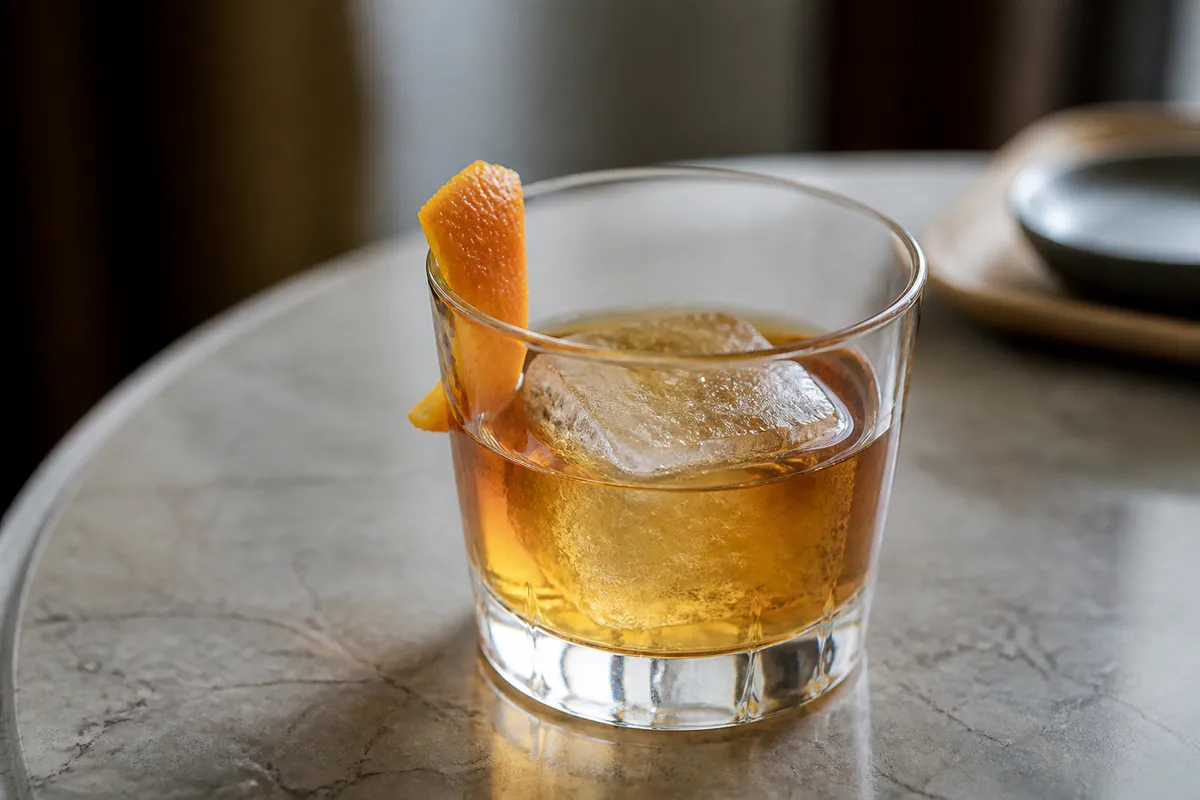
Añejo Old Fashioned
An Old Fashioned built on añejo tequila with agave and bitters.
Tequila
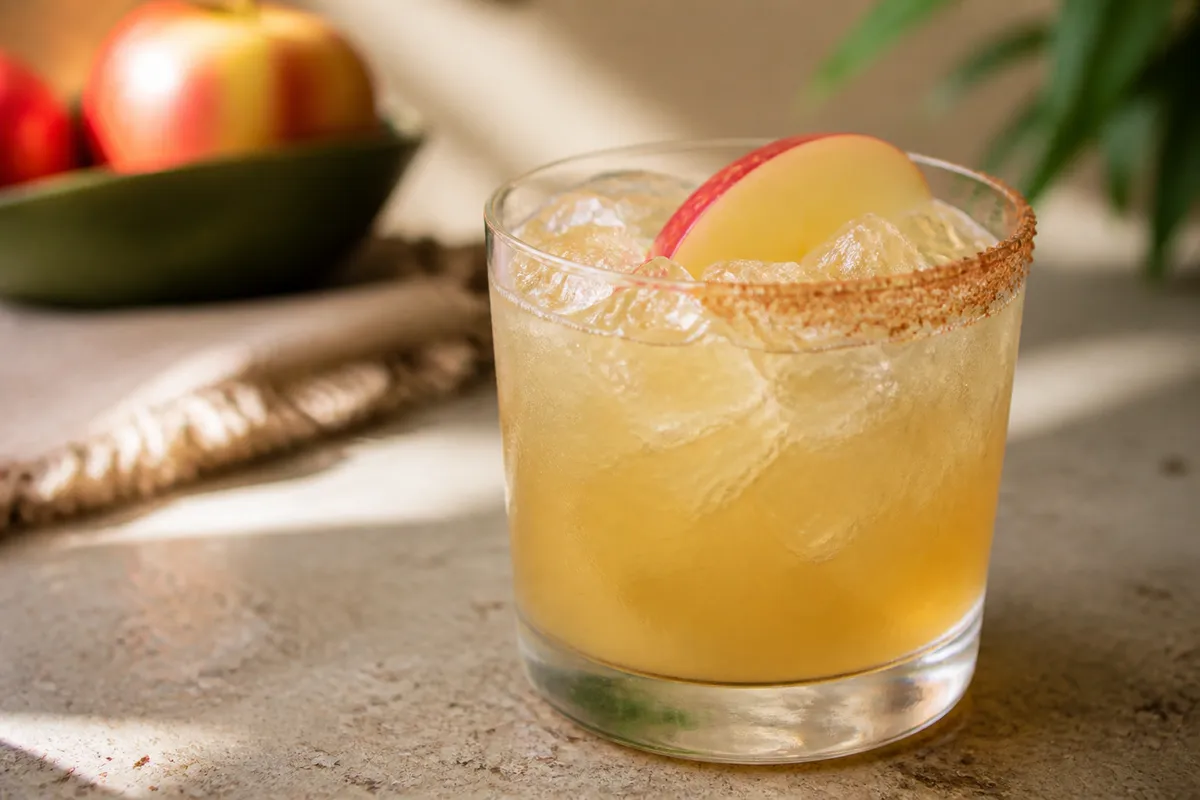
Apple Cider Margarita
A tequila margarita variation using apple cider with lime and orange liqueur.
Tequila
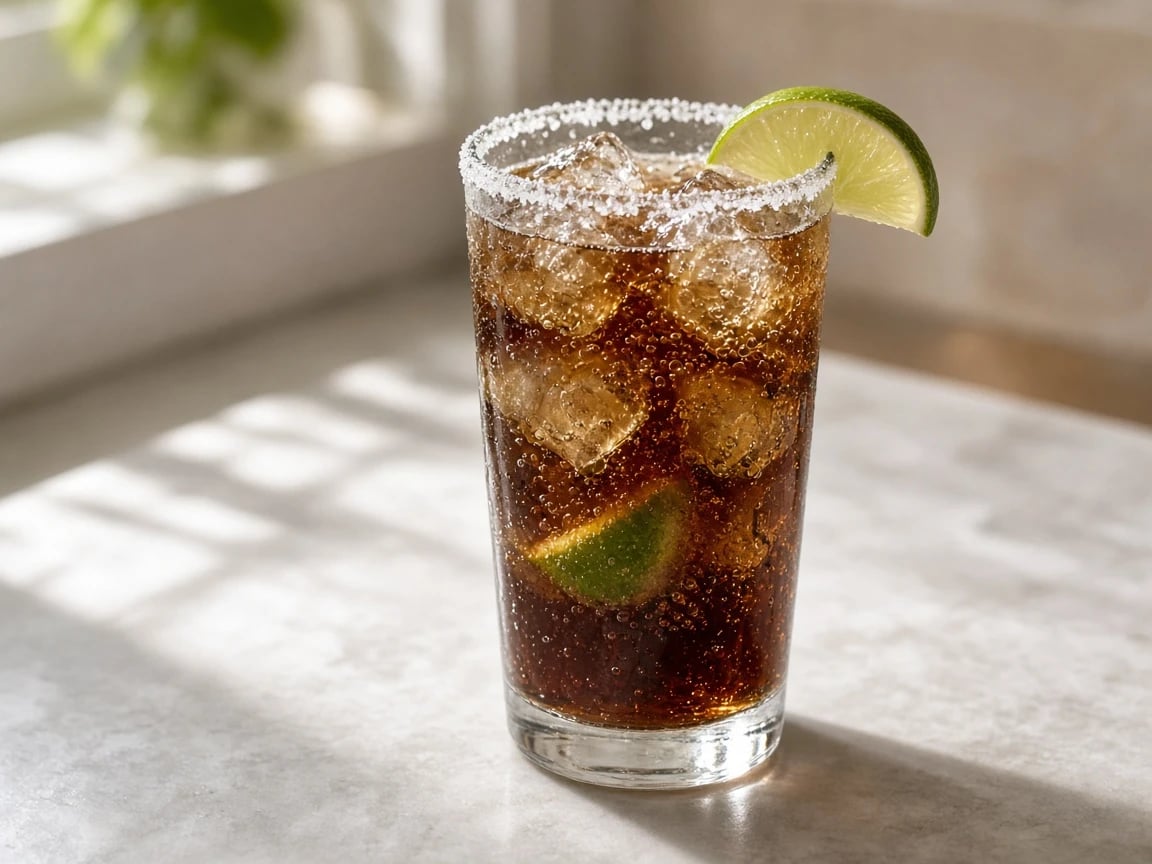
Batanga
A cult-favorite Mexican highball of tequila, cola, and salt.