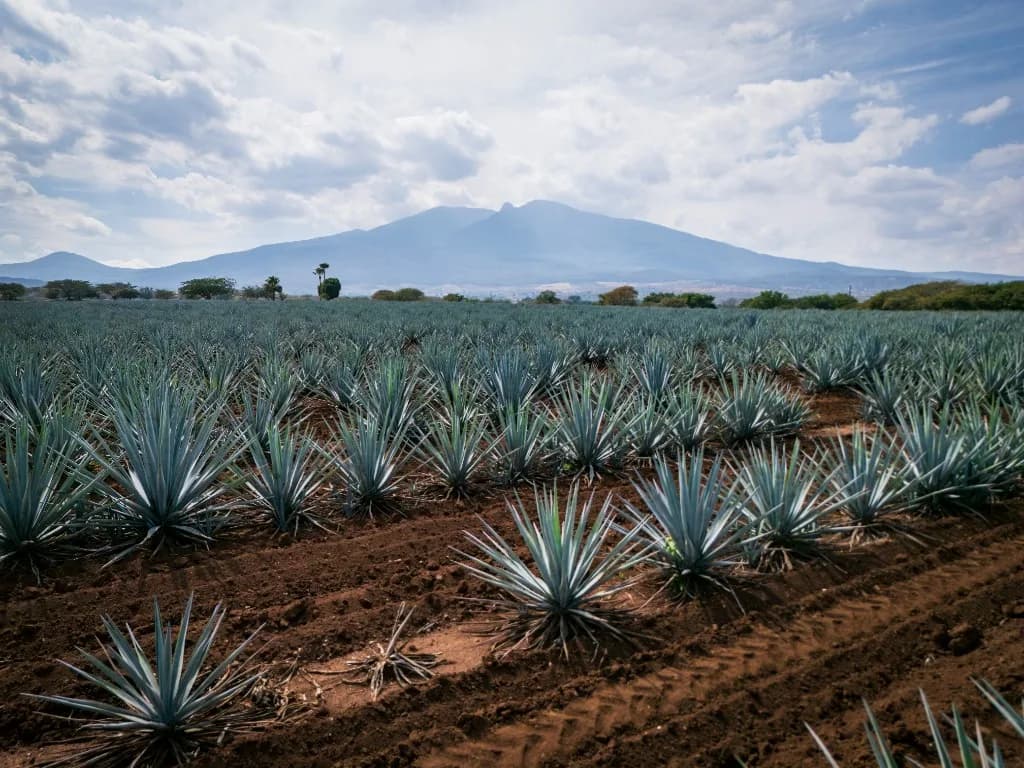
What is Agave Syrup?
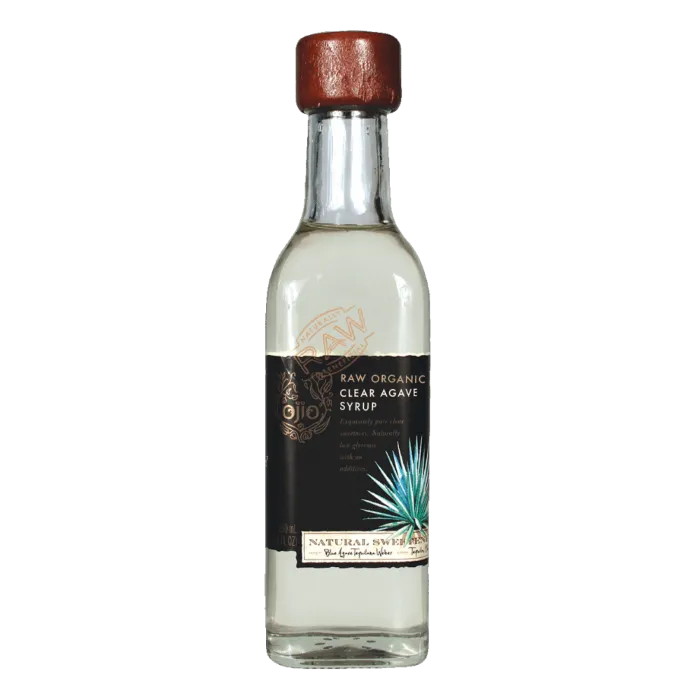
A fructose-forward syrup from agave, denser and sweeter by volume than 1:1 cane simple; the usual sweetener in a contemporary Margarita.
The basics
Agave syrup (often labeled agave nectar) is a concentrated sweetener produced from the sap or hydrolyzed fructans of agave plants, principally Agave tequilana. Industrial nectar is typically rich in fructose rather than sucrose, which is why it tastes sweeter than a 1:1 cane simple syrup by volume and why recipes that swap it for simple usually start lower — commonly about ½ oz where ¾ oz of simple would go — then adjust.
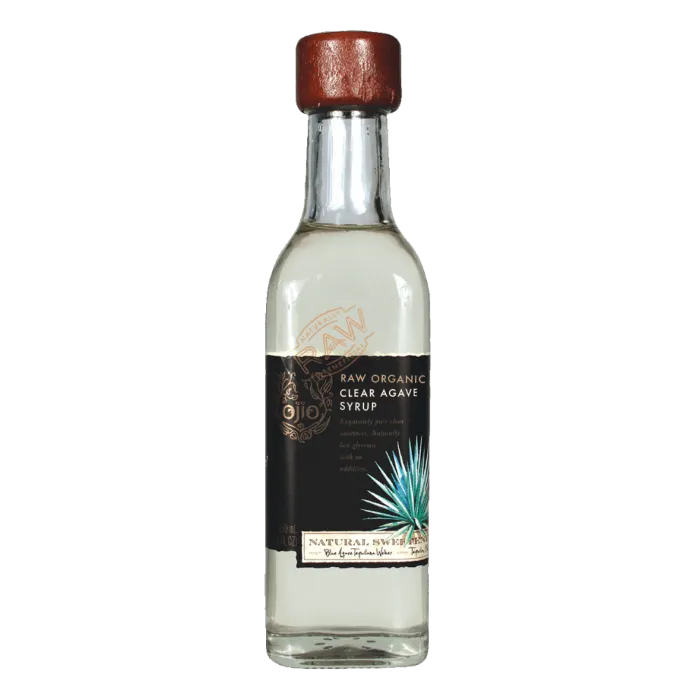
Light (clear) agave syrup is relatively neutral; amber or dark styles carry more caramelized, molasses-like notes from heat treatment. In the glass it is most associated with the Margarita and other agave-spirit sours, but it is a general-purpose sweetener anywhere a slight vegetal edge is welcome. It is denser than simple syrup and can be loosened with a little hot water if it will not mix cold.
How it tastes
Light (clear) agave: relatively neutral sweetness with a faint vegetal edge. Amber and dark styles: caramelized, molasses-like notes from heat treatment, denser in flavor as well as in sugar. The fructose-forward profile tastes sweeter than sucrose simple of the same volume.
Where it comes from
Agave has been a sweetener in Mexico for centuries: aguamiel, the sap of agave plants, and preparations derived from it long predate industrial nectar. What North American bars call agave nectar or agave syrup is largely a late-20th-century industrial product — sap or hydrolyzed agave fructans (inulin) processed into a shelf-stable, fructose-rich syrup and marketed in the United States as a natural alternative to sugar.
The Margarita’s original and mid-century specifications balanced tequila against lime and orange liqueur (and sometimes a separate sugar component). From the 1990s onward, many contemporary bars shifted the sweetening toward agave syrup: it echoes the plant behind tequila and mezcal, mixes without requiring the orange-liqueur volume of a classic spec, and lets the drink be built as a sour (spirit, lime, agave) with liqueur optional or reduced. That shift is stylistic and practical — botanical rhyme and density — not a claim that agave syrup is the historically authentic sweetener of a drink that never had a single frozen recipe.
How to use it
Because the syrup is denser and fructose-sweeter than 1:1 cane simple, start lower: about ½ oz agave where a recipe uses ¾ oz simple, then adjust to the lime and the tequila. Light agave is the mixing default when you want sweetness without extra caramel; amber or dark will season the drink like a mild molasses and can muddy a bright Margarita.
If the syrup is too viscous to incorporate in a cold shake, loosen it with a little hot water (a barspoon or so per pour, or a working bottle thinned to a more pourable consistency). Refrigerate after opening; it keeps for months but can crystallize or ferment if diluted and left warm.
What pairs with it
Cocktails with Agave Syrup
A few of the 25 MixWise recipes that call for it.
Tequila
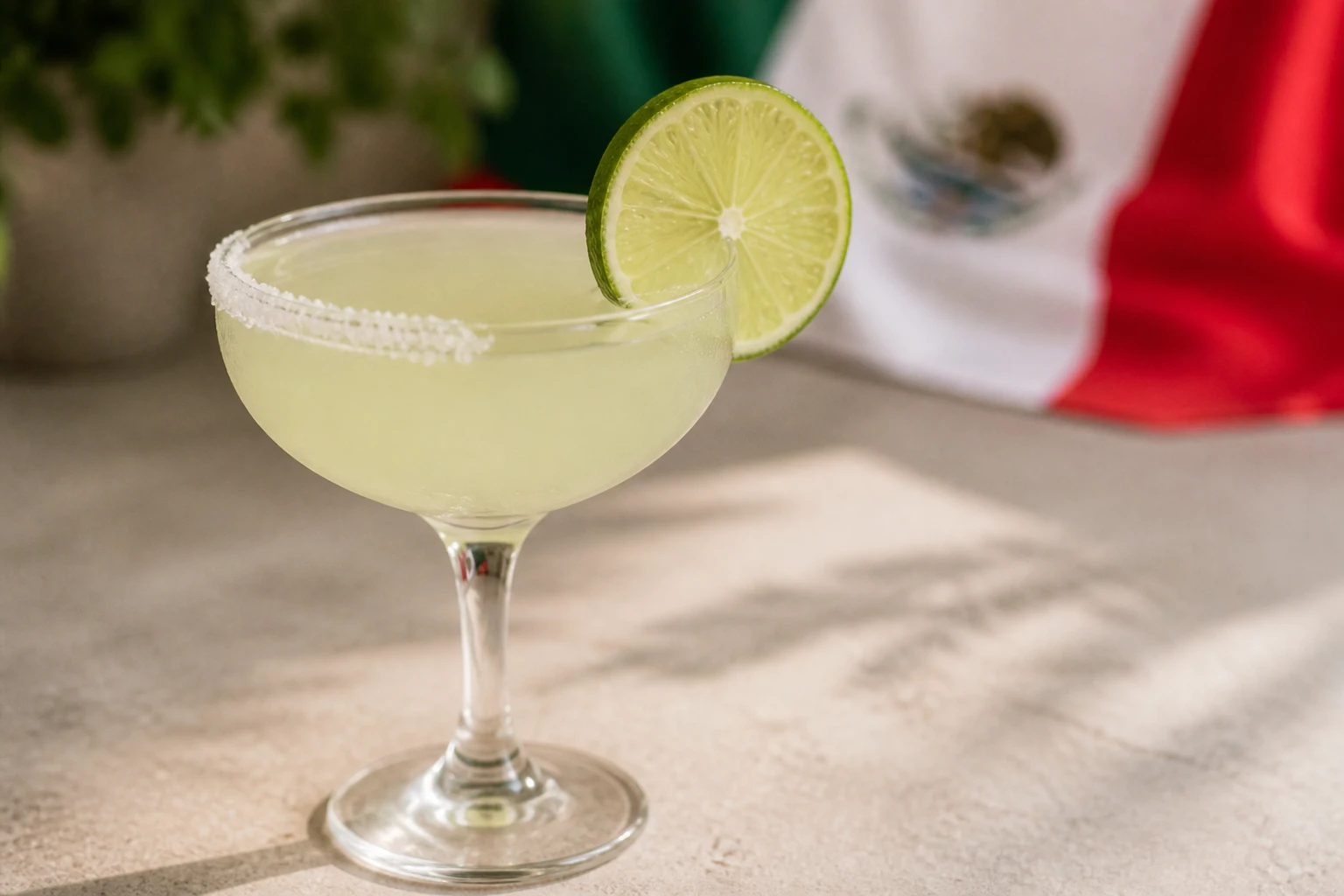
Margarita
A crisp, lime-driven tequila sour with a saline edge and crystalline balance.
Tequila
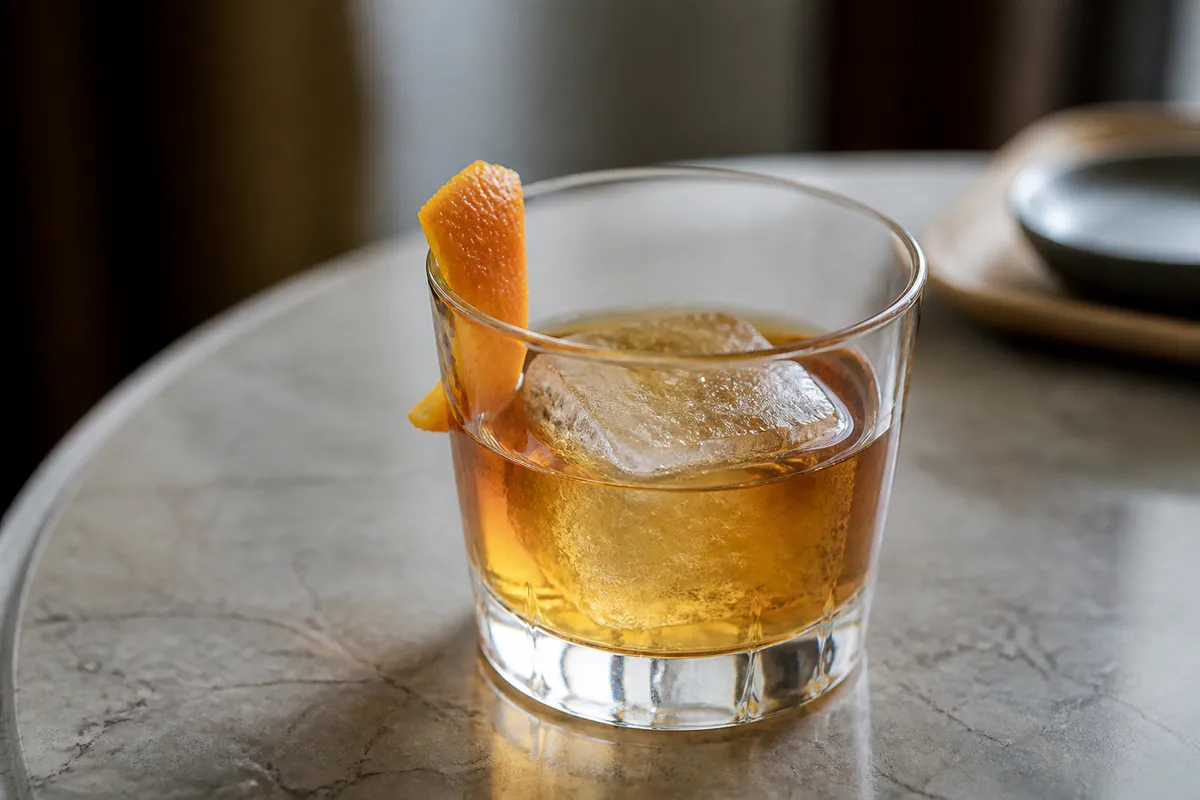
Añejo Old Fashioned
An Old Fashioned built on añejo tequila with agave and bitters.
Tequila
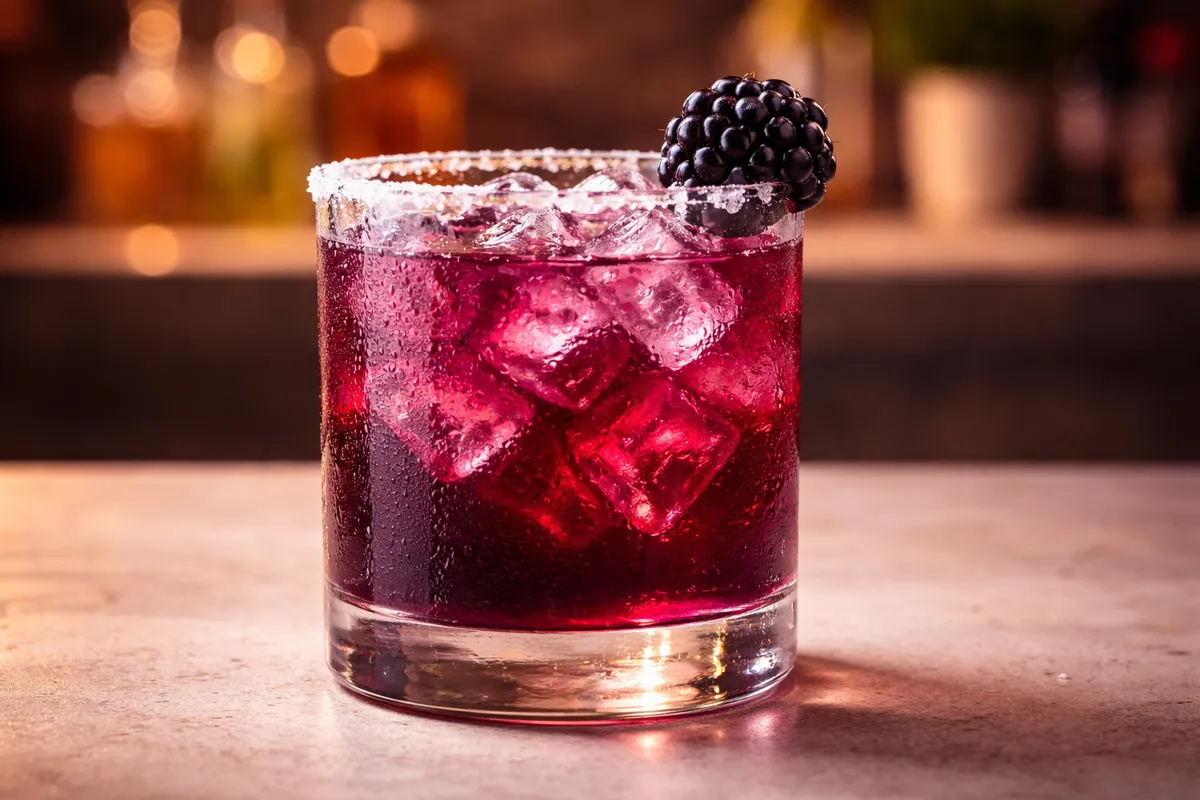
Blackberry Margarita
A deep, jammy Margarita with dark berry aromatics.
 NEW
NEWTequila
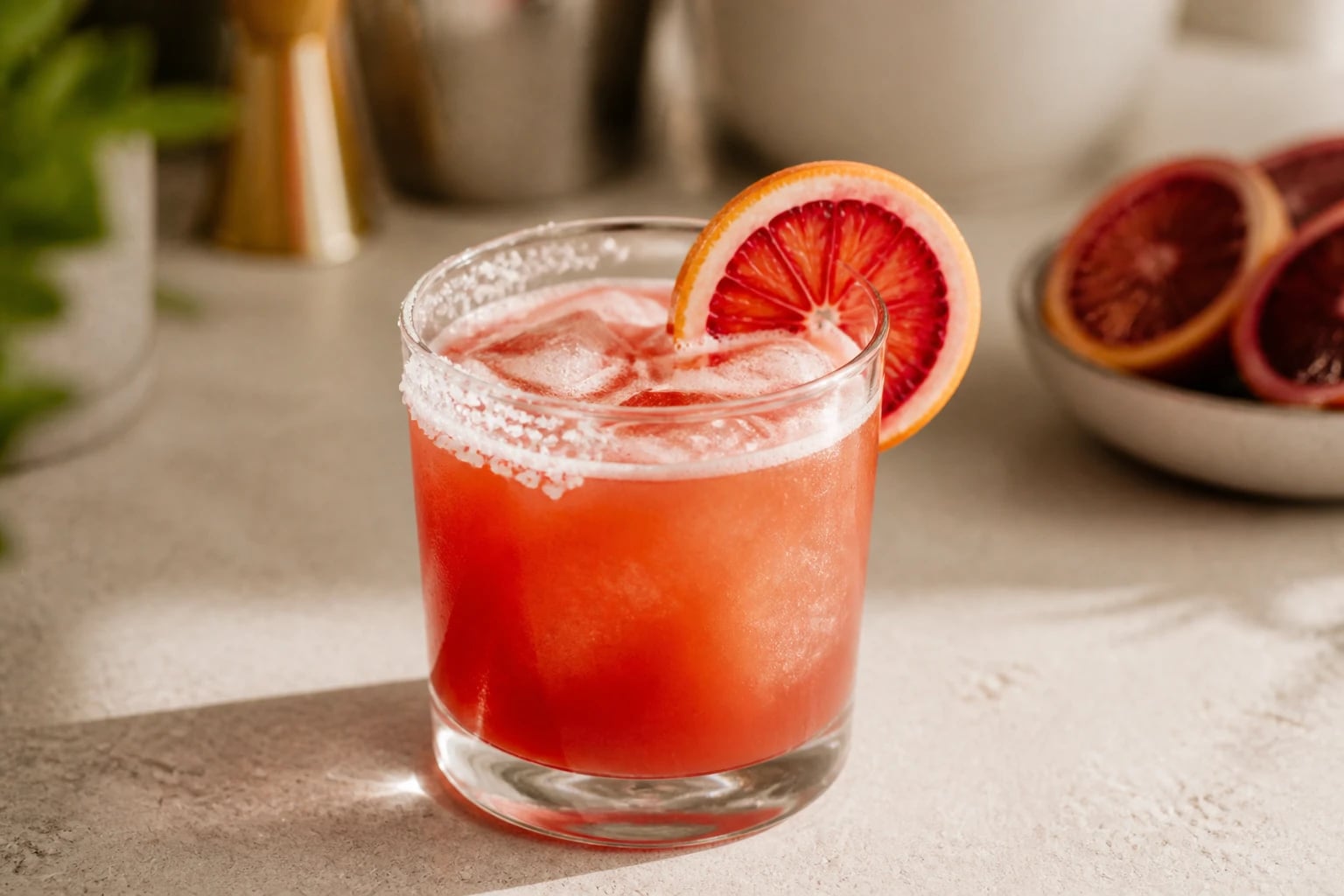
Blood Orange Margarita
A seasonal margarita with blood orange juice for deep red citrus.
Tequila
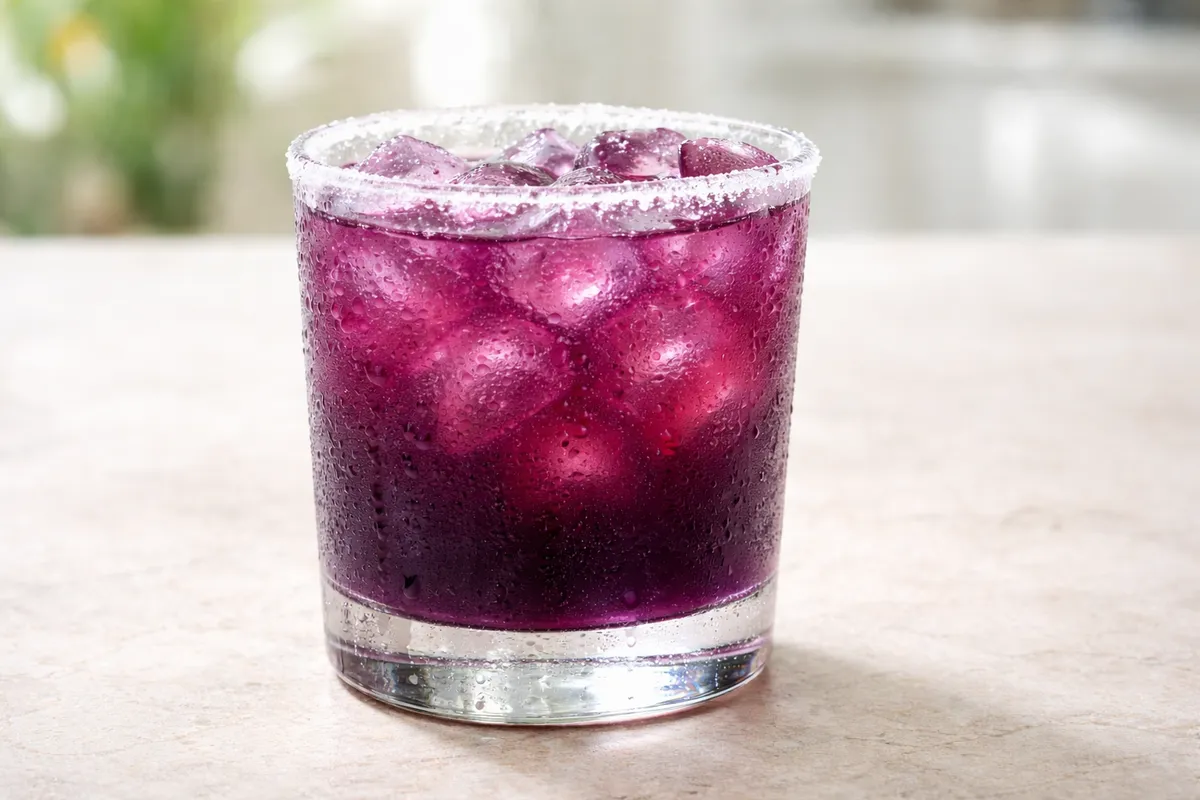
Blueberry Margarita
A mellow fruit Margarita with soft berry sweetness.
Tequila
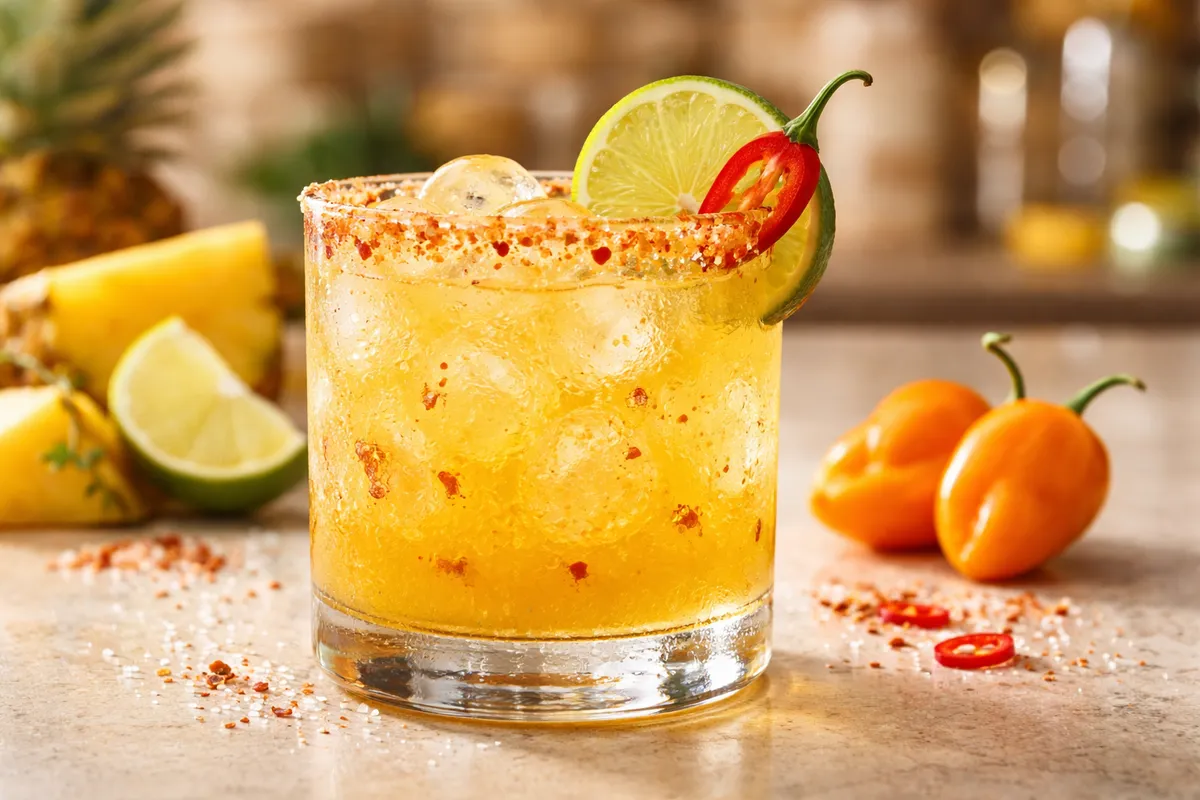
Habanero & Pineapple Margarita
A sweet-heat Margarita layering tropical pineapple with bold habanero spice.