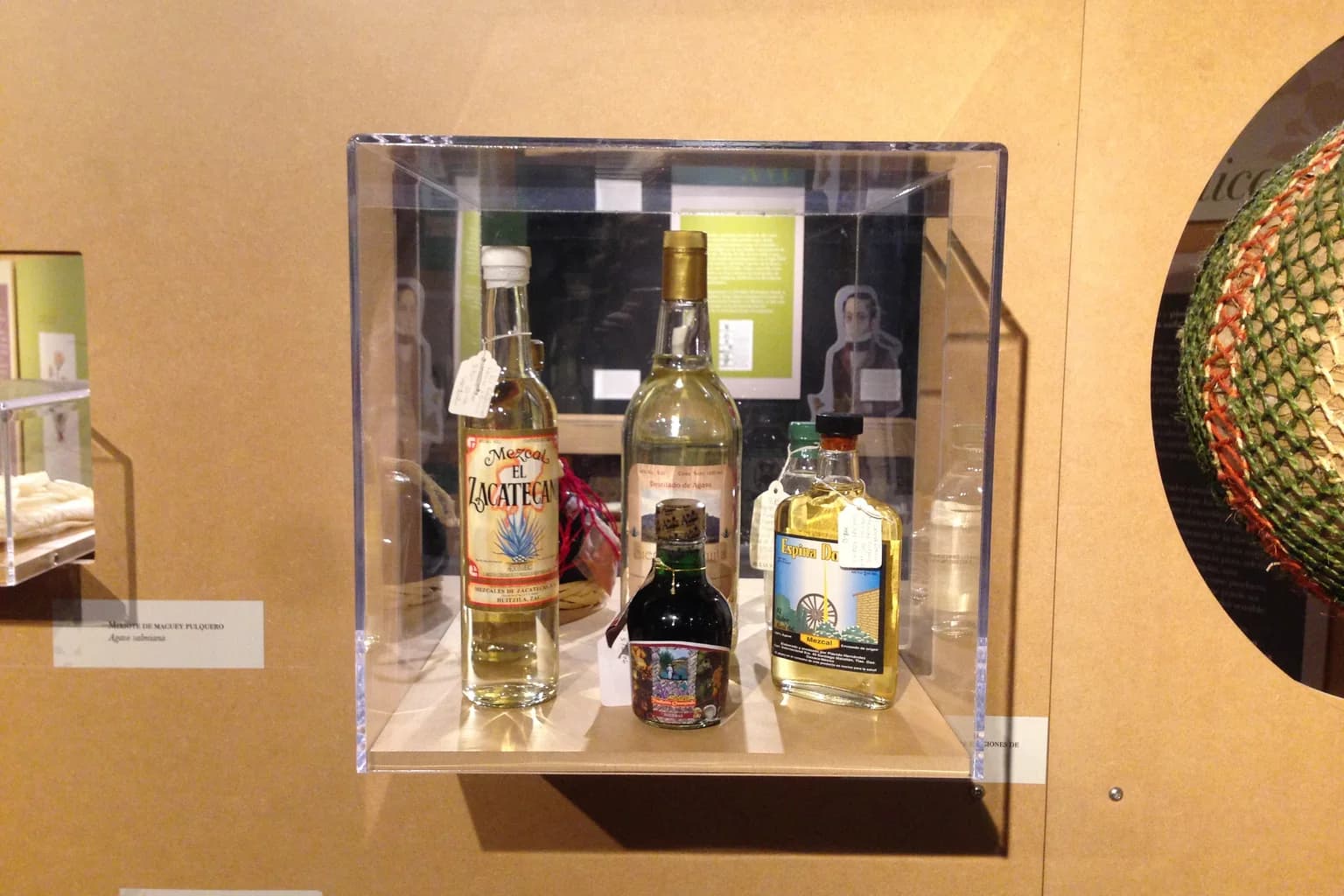
A few true stories explain why a recipe wants blanco, a salt rim, grapefruit soda, or mezcal — not a timeline for its own sake.
The big idea
History earns a place in Learn only when it changes the pour.
01
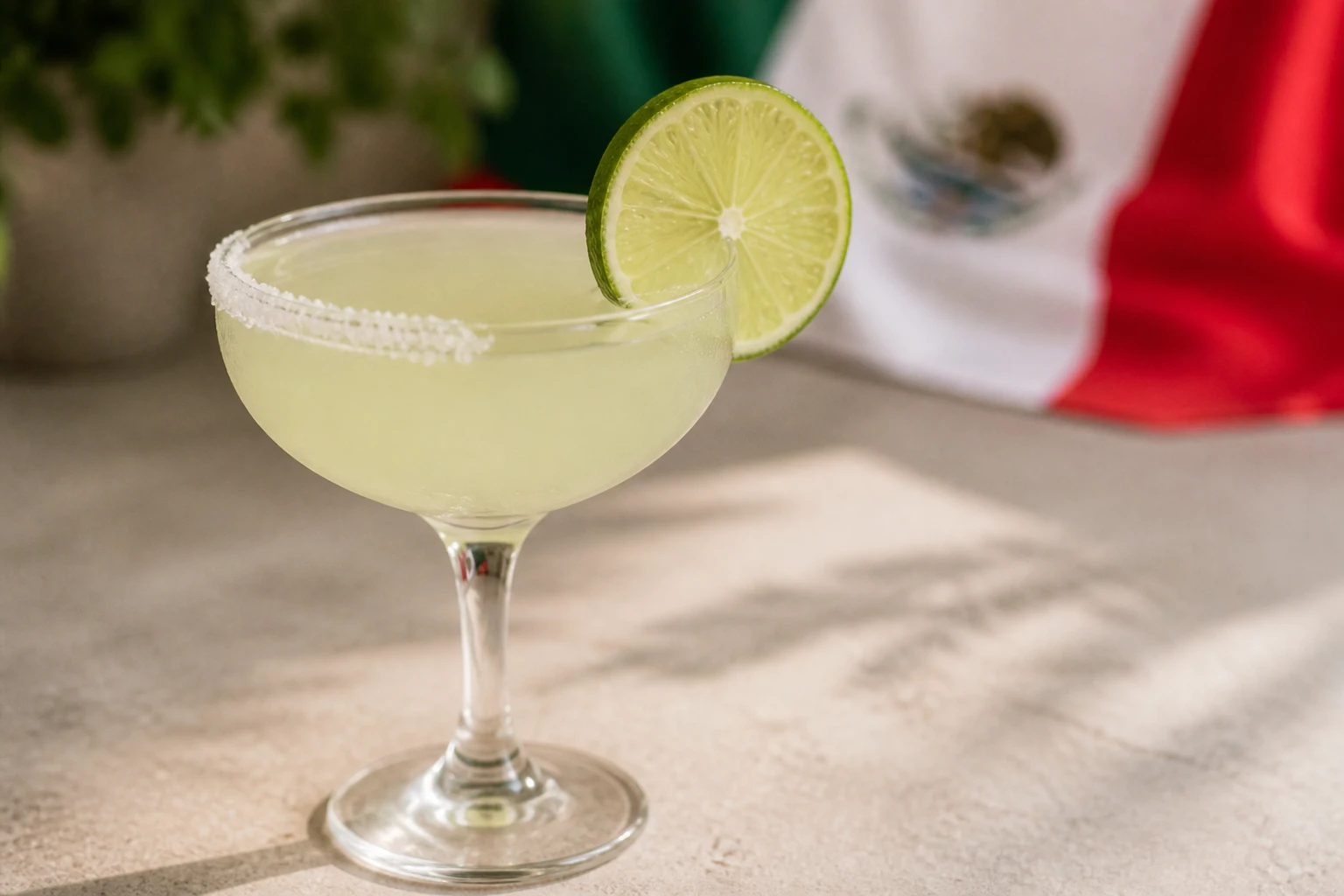
The Margarita is a sour habit
History that changes what you pour
01
Sour habit
Origin tales compete. The leftover is a sour, usually with orange liqueur, on 100% agave blanco
02
Highball habit
Not a skinny Margarita — packed ice, cold grapefruit lengthener last
03
Mezcal’s rise
Bar-era leftover: Espadín first. Wild agave is a neat pour until the template is right
04
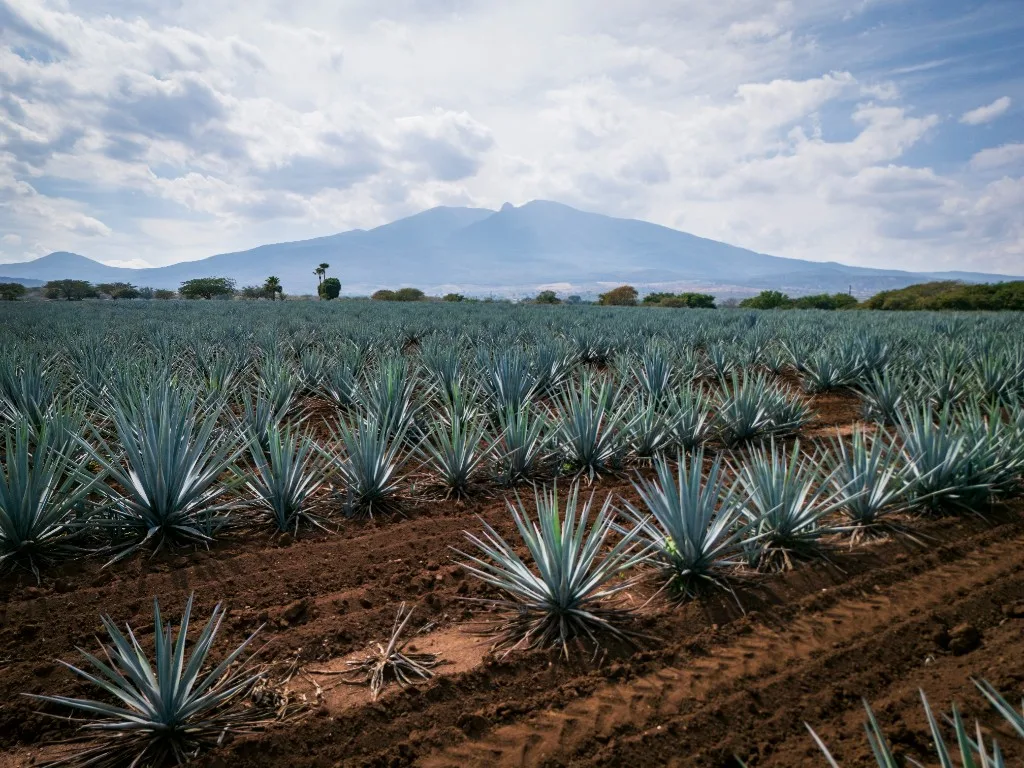
The plant
Years in the ground. If the bottle tastes like candy and heat, the plant already lost
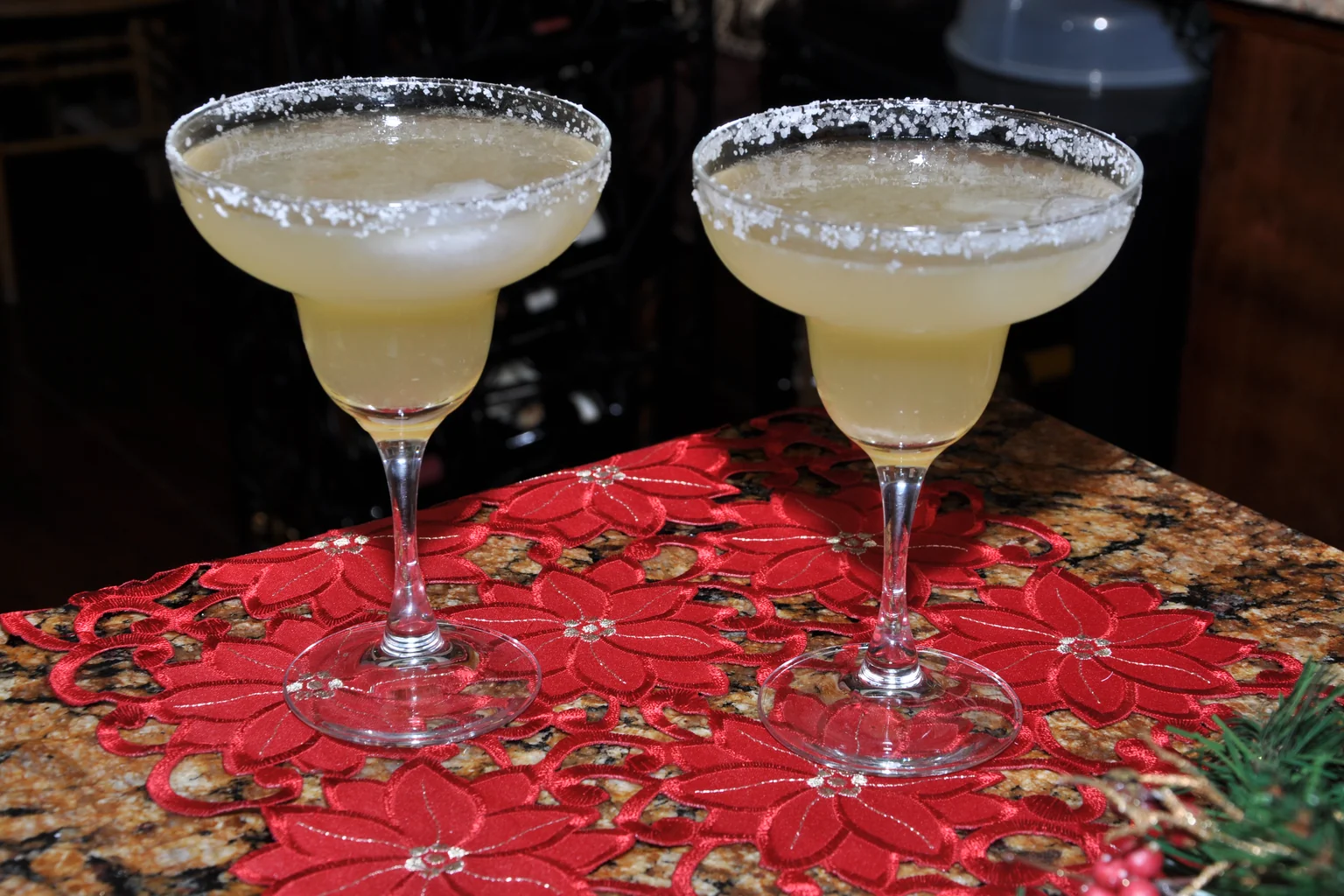
Tijuana, Ensenada, and Texas stories compete for who first mixed tequila, lime, and orange liqueur. Treat them as legend around a documented template. None of them change the glass as much as the bottle and the lime.
What survived is the judgment: a sour, usually with orange liqueur, often a salt rim. Mid-century volume tequila leaned mixto because it was cheap. Modern bars pushed 100% agave because lime and salt expose other sugars fast. Pour blanco — Espolòn, Olmeca Altos, or similar — unless you chose oak on purpose.
02
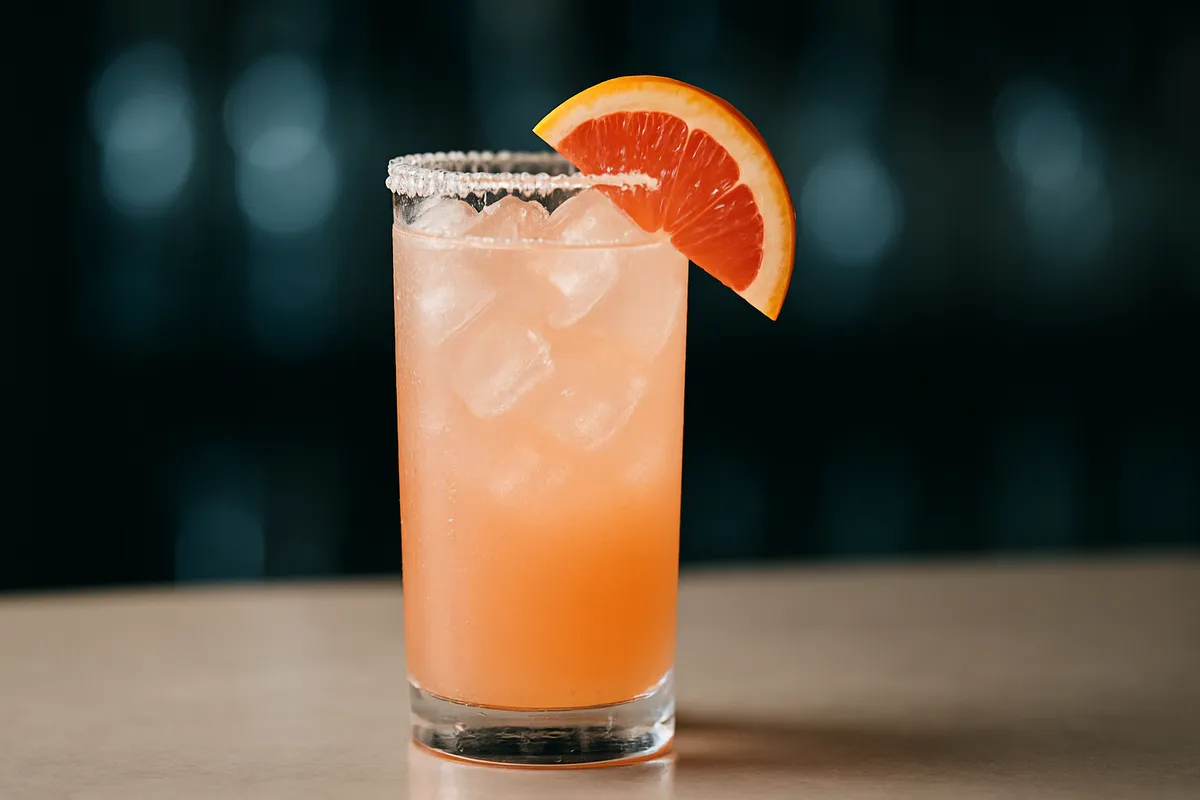
The Paloma is Mexico’s highball
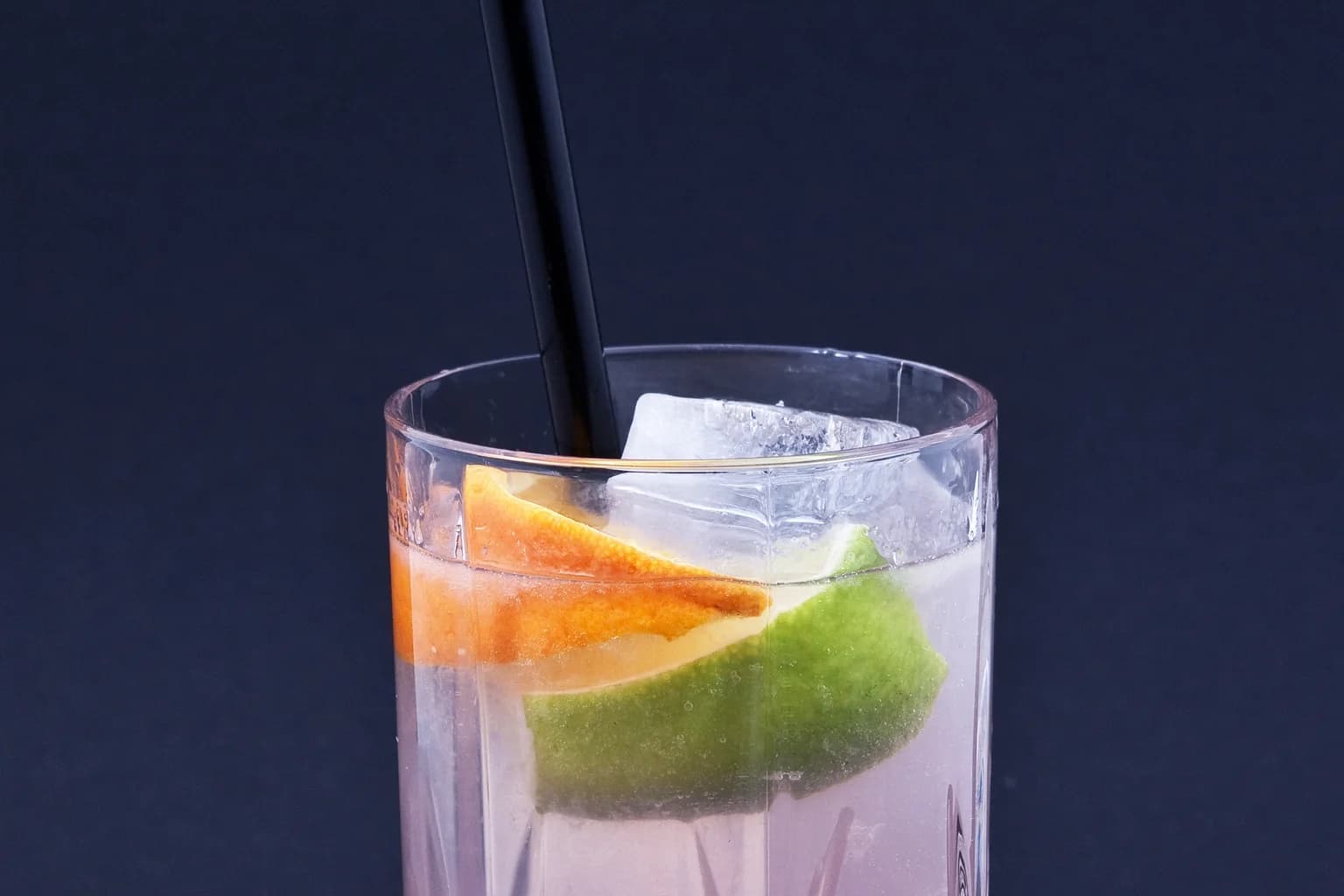
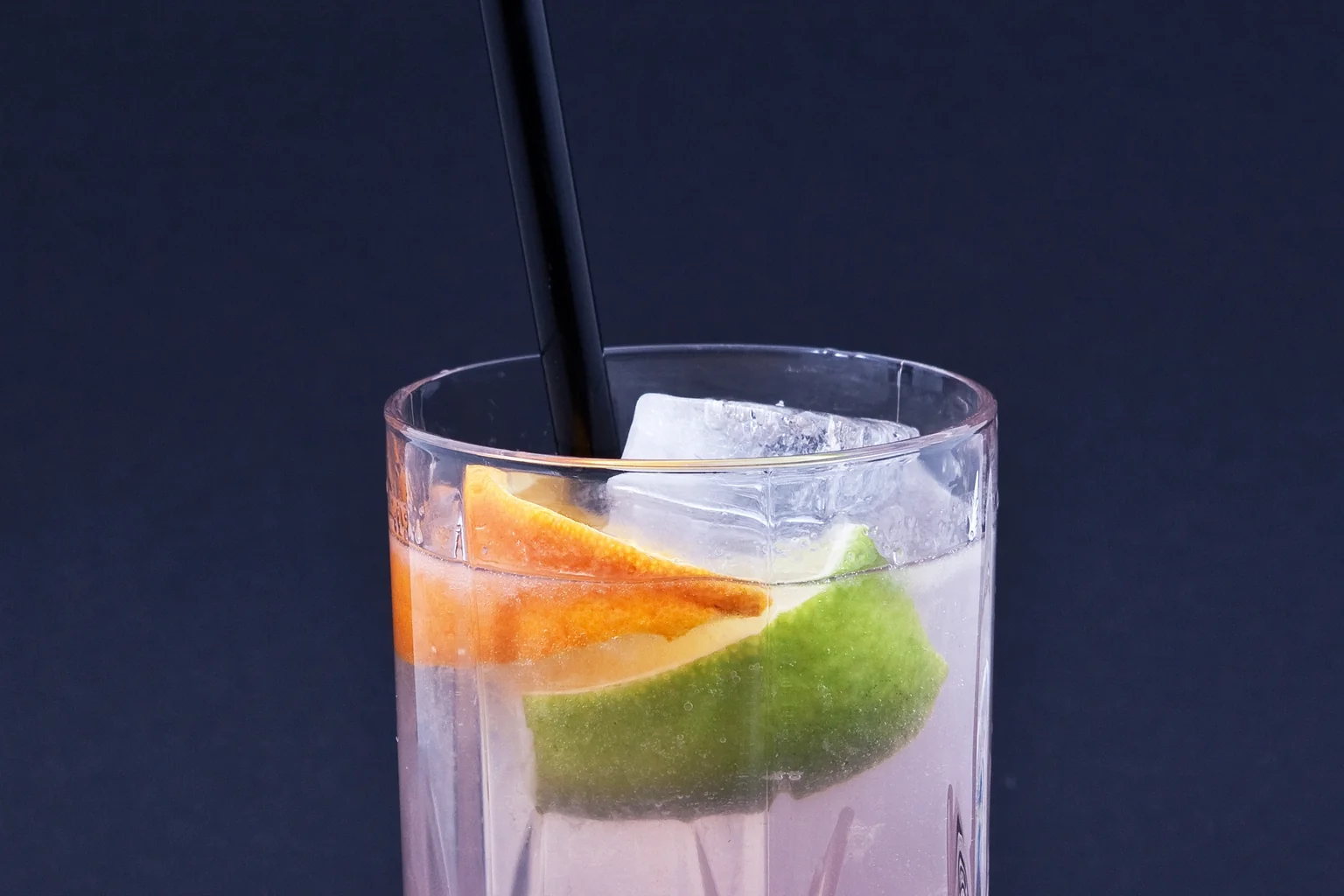
In Mexico the everyday tequila drink is often a Paloma: tequila, lime, grapefruit soda, salt if you like. It is not a “skinny Margarita.” It is a highball with a bitter-citrus lengthener.
The leftover is service. Packed ice. Fridge-cold grapefruit soda last. A brief stir. The same 100% agave blanco still fits. Warm soda and three cubes flatten any bottle. Loud mezcal can take the glass — call that a mezcal Paloma if you meant it.
03
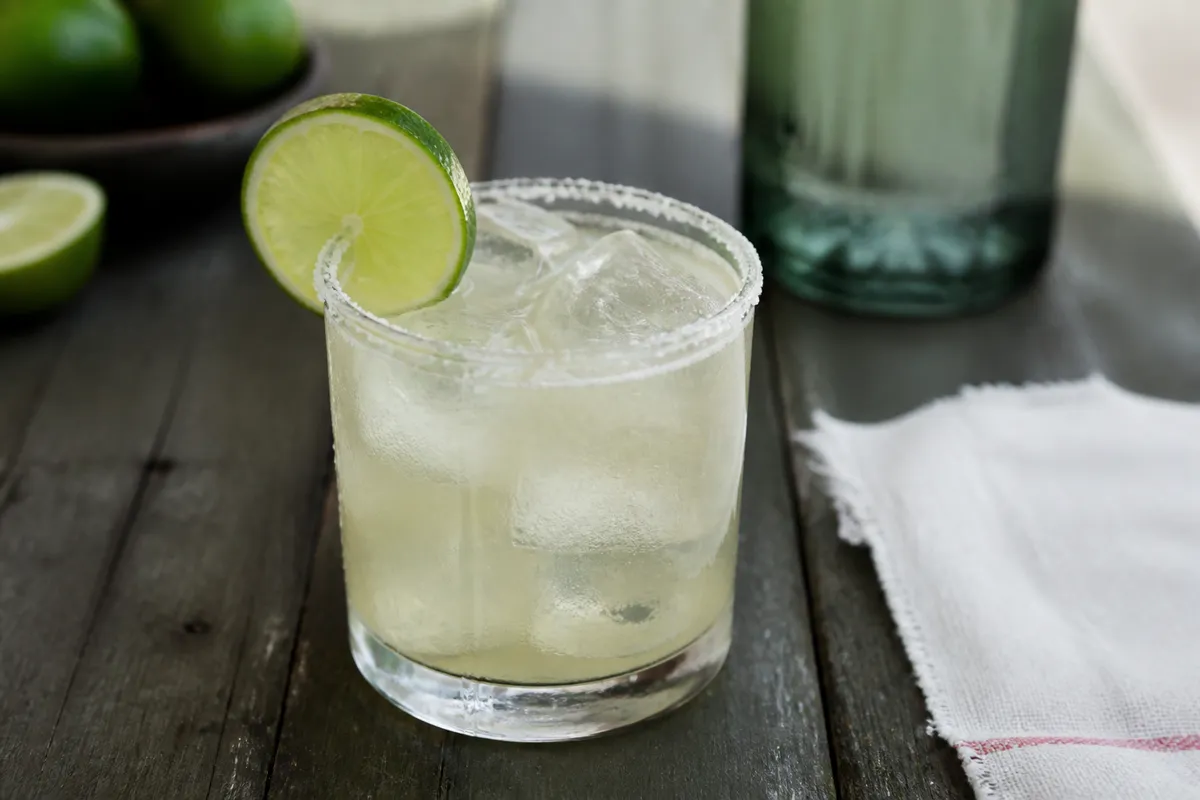
Tommy’s — a later correction
Julio Bermejo’s Tommy’s Margarita, from Tommy’s Mexican Restaurant in San Francisco, dropped orange liqueur for agave syrup. Late twentieth century. It is not the 1930s sour. It is a purity test that stuck because it tastes like the plant.
The leftover is shopping. No Cointreau to soften a harsh edge. Mixto and perfume-sweet blancos fail here first. Espolòn, Olmeca Altos, or another agave-forward 100% blanco is the era’s useful pour.
Tip
Mezcal’s rise in the glass
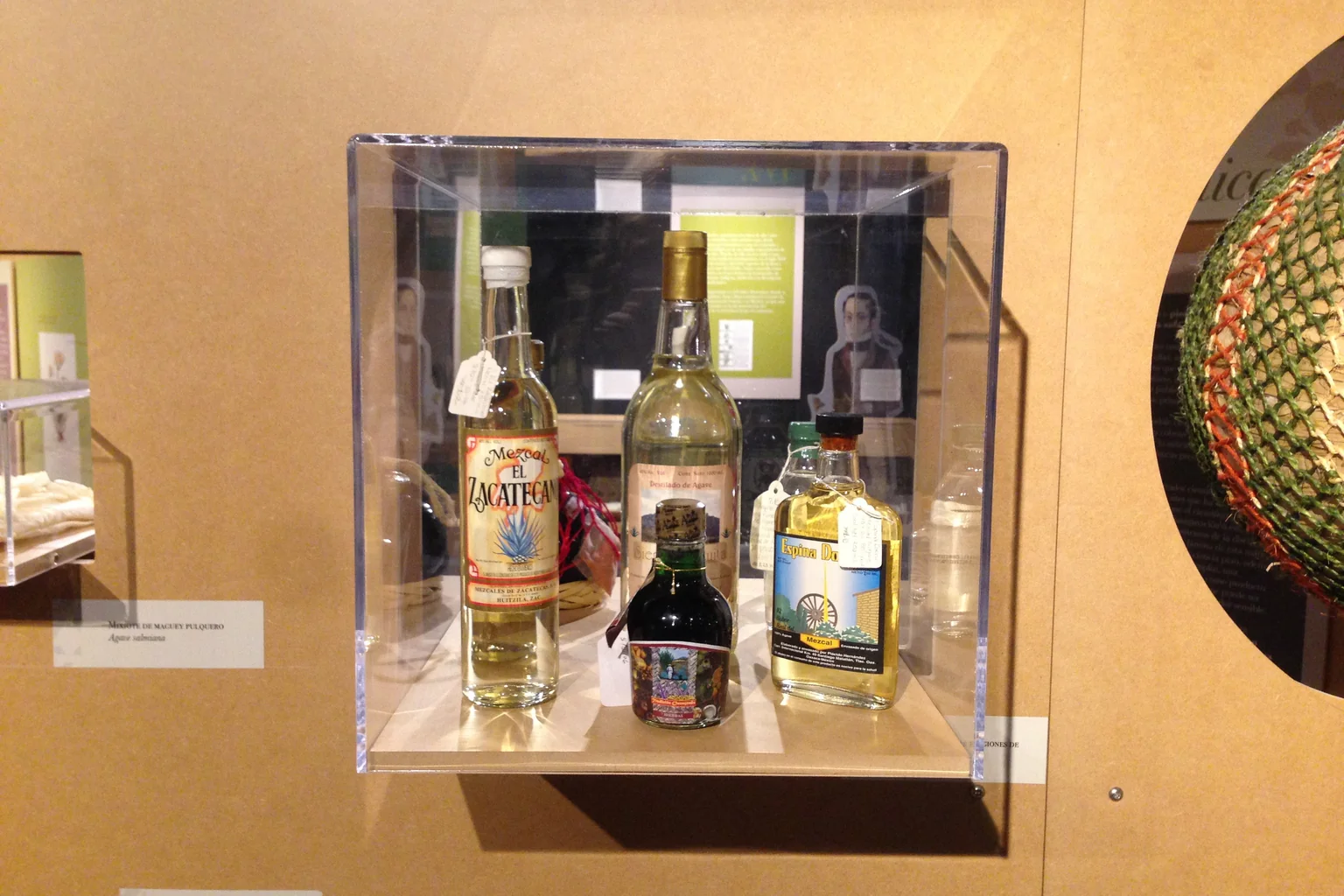
Mezcal is older than the cocktail-bar boom that made it famous outside Mexico. What changed the home pour is the 2000s and 2010s: bars started substituting mezcal in sours and naming the smoke.
The leftover is intensity. Start with Espadín — Del Maguey Vida or similar. If smoke buries lime, split with blanco. Wild or single-village bottles can wait until the template already tastes right.
05
Common mistakes
A hotel Margarita story changed the pour → keep the template: 100% agave blanco, fresh lime, orange liqueur if you want that sour, salt on the rim if you like.
Paloma tastes like a weak Margarita → pack the ice and use cold grapefruit soda; it is a highball habit, not a sour with less Cointreau.
Reached for a wild mezcal because the bar menu did → pour Espadín first (Del Maguey Vida or similar); save louder agaves for a neat glass.
In the glass
Practice these
Read the drill, then make the drink once focusing on that cue — repetition beats another paragraph.