Library

Agave · 6 min read

How agave spirits are made

Plant, cook, crush, ferment, and still explain why two bottles drink differently in a Margarita — including where mezcal’s smoke comes from.

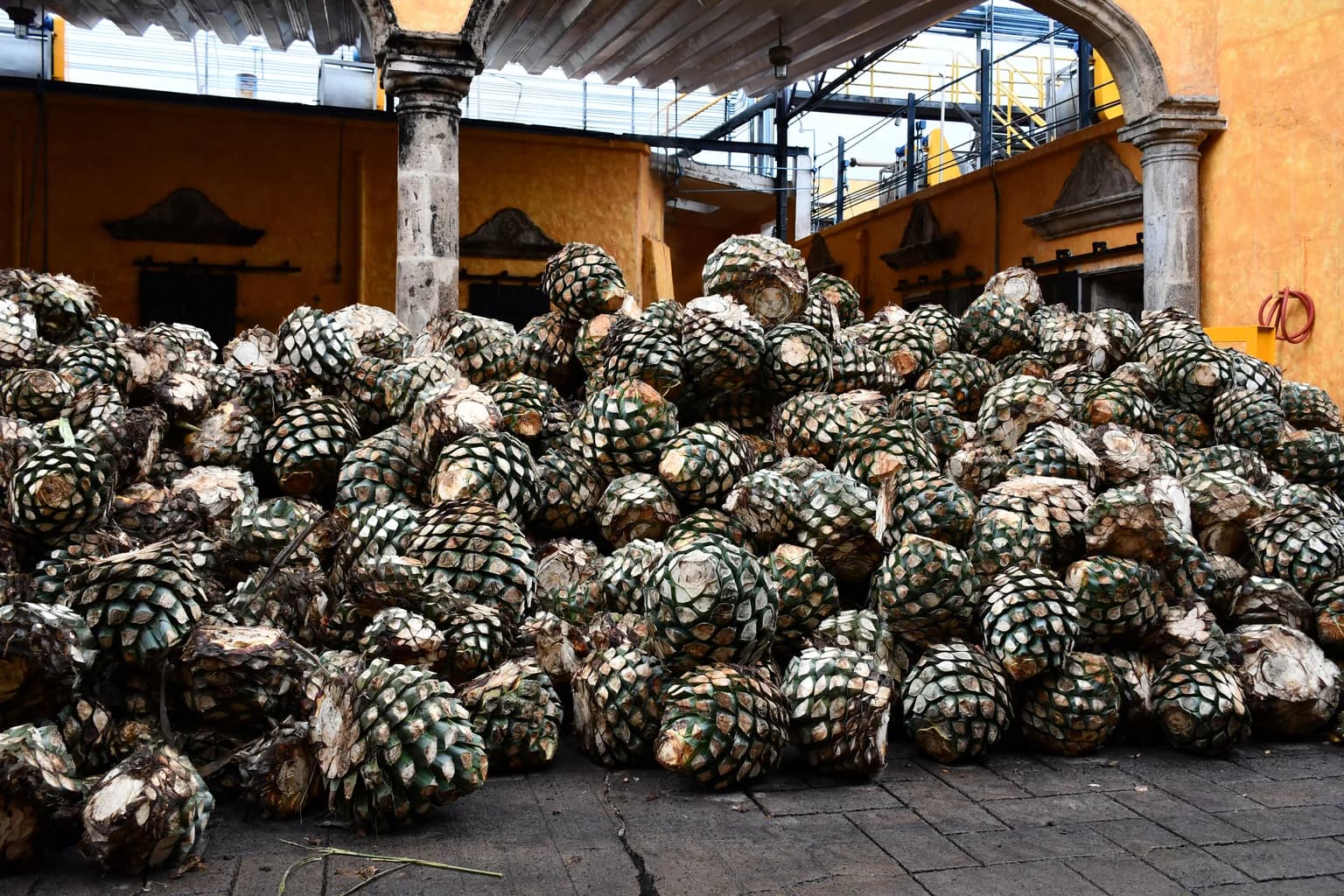
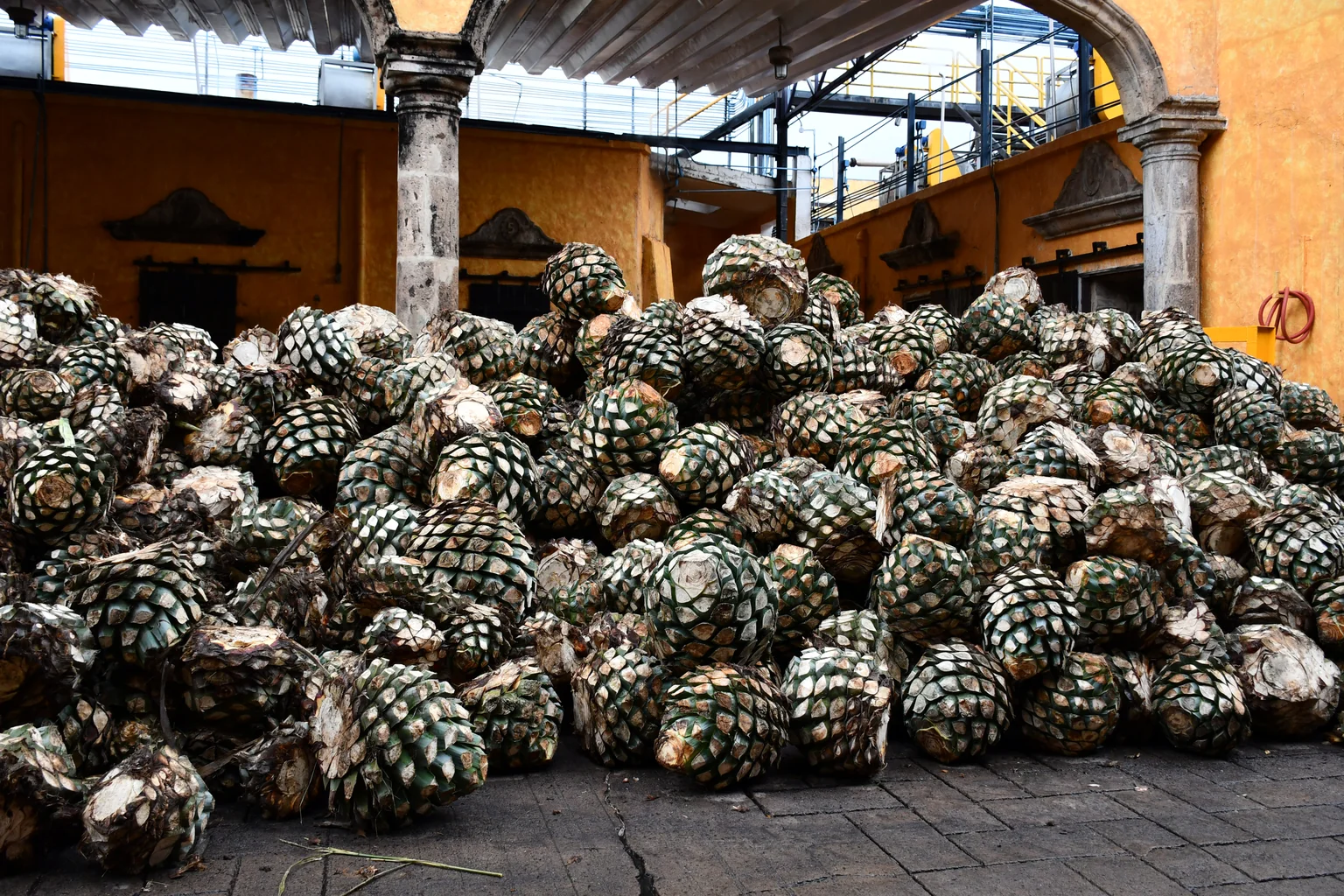
Harvested agave hearts — piñas — stacked at a tequila distillery in Jalisco

The big idea

Plant, cook, crush, ferment, and still show up in the glass more honestly than the medal on the neck.

The rule

From plant to bottle

Five levers from plant to bottle
1

Plant

Years in the ground. The piña is the sugar.

2

Cook

Brick oven or pit — smoke starts here.

3

Crush

Stone, mill, or shredder.

4

Ferment

Time and yeast make aroma.

5

Still

Pot keeps body; column cleans.

Mezcal’s campfire is usually the pit roast. Additives, if any, arrive last.

A few production choices sit between the field and the glass: which agave, how it was cooked, how it was crushed, how it fermented, and how it was distilled.

Those levers explain why two blancos can drink like different spirits, and why mezcal often smells like a campfire before you add lime.
The plant is the mash

Agave is not a grain you harvest every season. Blue Weber for tequila, Espadín for most cocktail mezcal, and dozens of other species for the rest of mezcal, grow for years. The heart — the piña — is the sugar.

That long grow is why the plant shows up as cooked squash, pepper, or mineral snap instead of “generic clear spirit.” If a bottle tastes like vanilla candy and heat with no agave in the middle, production — or additives — already told on themselves.

Cooking — brick oven vs pit

Field, piña, pit, crush
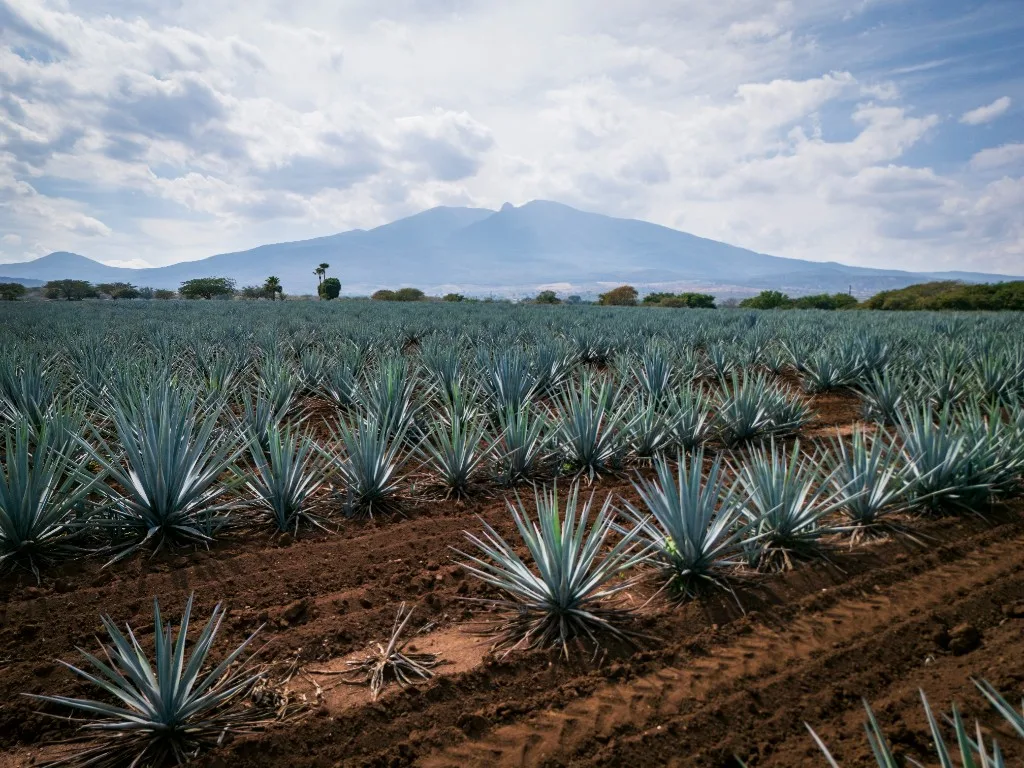
Blue agave field in Jalisco with mountains beyond

The plant

Years in the ground. The heart is the sugar — not a grain you harvest every season

Harvested agave hearts stacked at a tequila distillery

Piñas

Leaves off, hearts piled for the oven. This is the mash

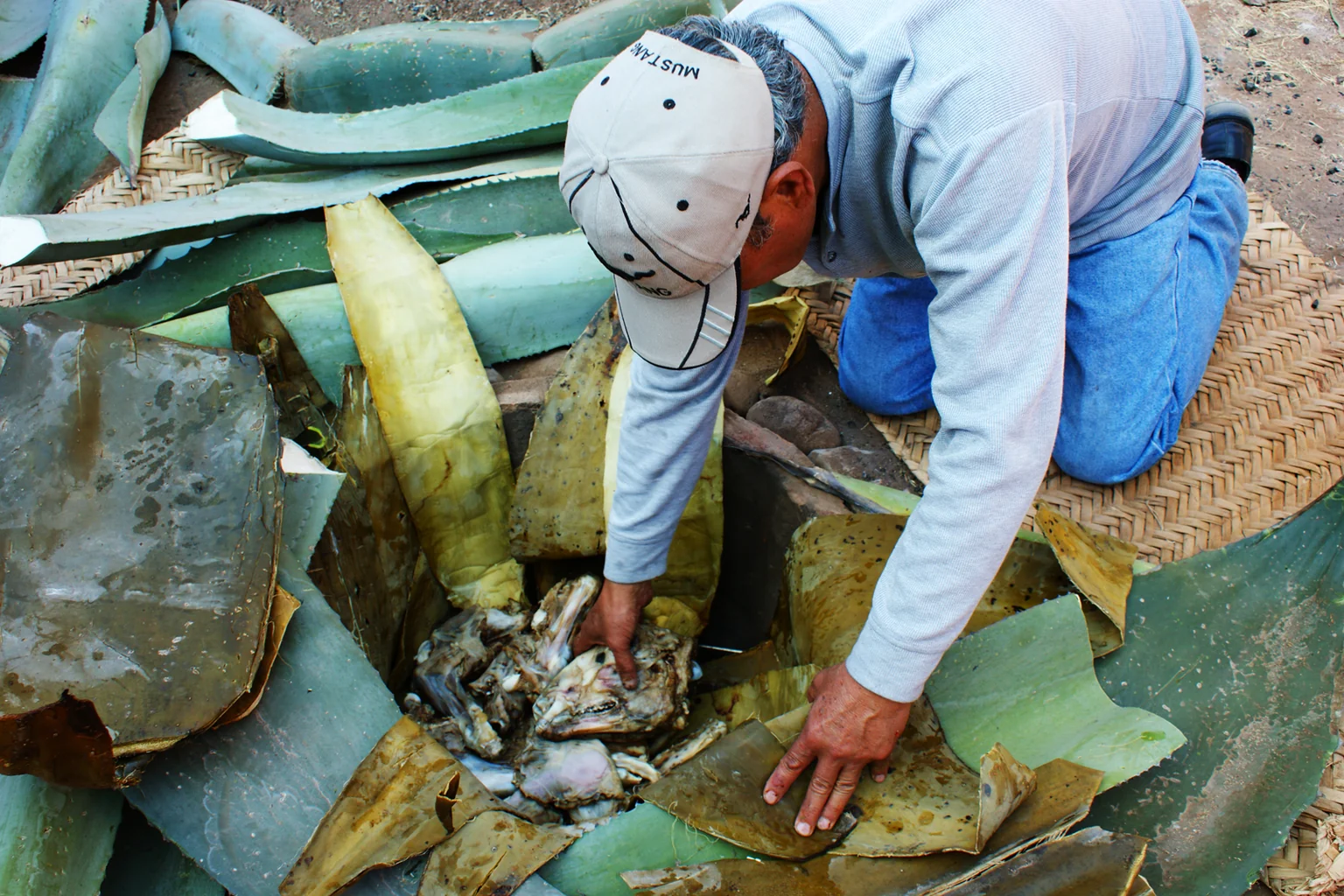
Earthen pit lined with agave leaves for roasting piñas

Pit roast

Mezcal’s campfire usually starts here — not as a flavoring after the still

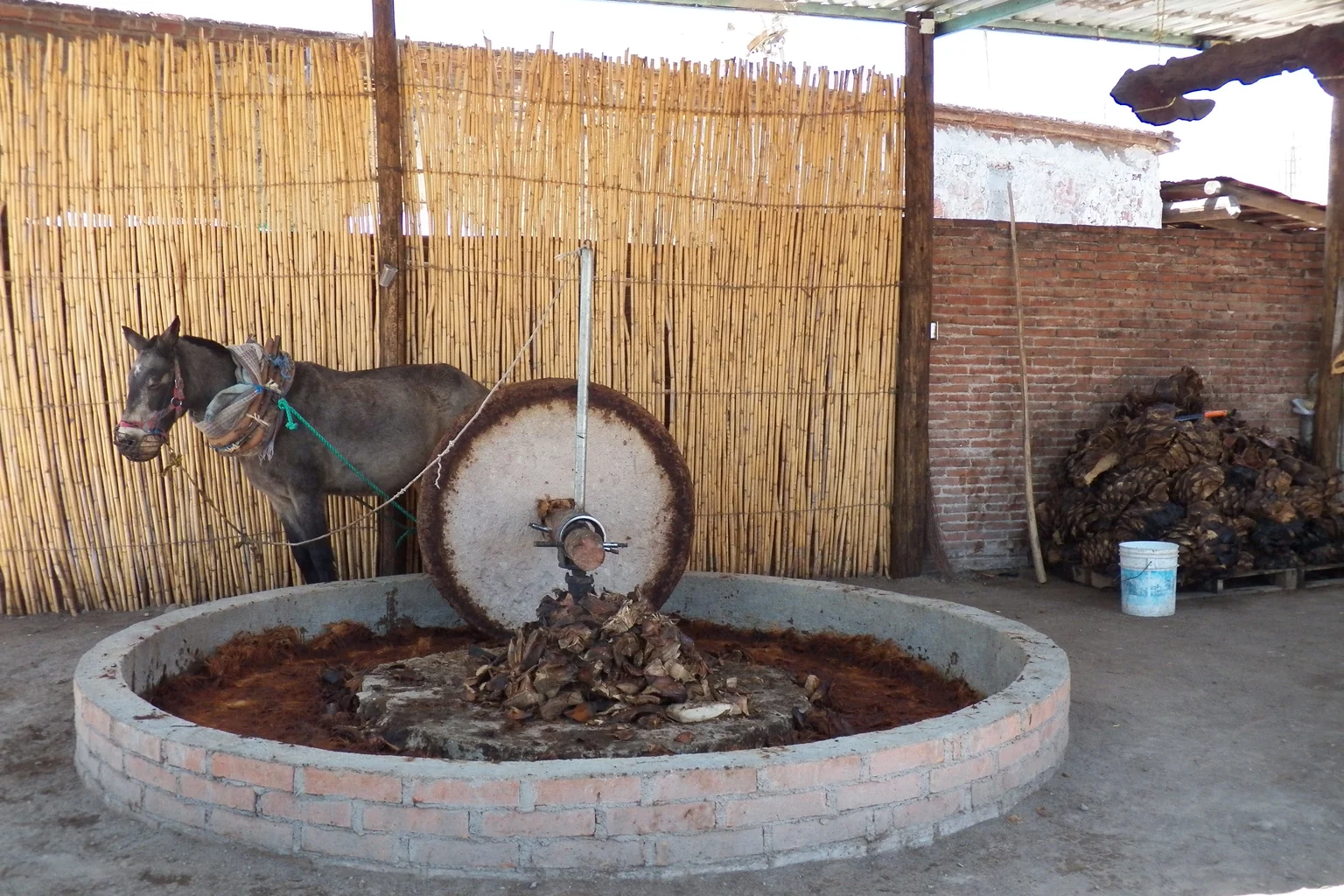
Stone tahona mill crushing cooked agave in a brick pit

Crush

Stone, mill, or shredder. How you get the juice changes the body under lime

Tequila usually cooks piñas above ground: brick ovens (hornos) or faster autoclaves. You get caramelized agave without a campfire. Autoclaves can taste cleaner and sometimes thinner. A traditional oven often keeps more roasted depth.

Traditional mezcal often roasts in an earthen pit under soil and agave leaves, with wood and sometimes stone. That is where most of the phenolic smoke comes from — the cook, not a drop of liquid smoke later. Not every mezcal is aggressively smoky. The pit is the usual reason the ones that are, are.

Crush, ferment, still

Cooked piñas are crushed — tahona stone, mill, or shredder — then fermented. Open wood vats, wild yeast, and a long ferment pull more aroma. Stainless and cultured yeast keep things quieter. You will taste that difference under lime more than you will read it on the front label.

Pot stills keep body and perfume. Column stills clean the spirit up. Tequila often uses a column or a hybrid. Much mezcal still runs in small pots. Neither is a quality score. It is why one bottle feels oily and another feels sharp at the same proof.

Tip

Additives — awareness, not paranoia

Mexican rules allow small amounts of certain additives (abocantes — glycerin, oak extract, caramel, and a few others) in joven/oro and in oak-aged tequilas for smoothness and aroma. Blanco / plata is defined without those abocantes. If a bottle labeled blanco smells like dessert vanilla candy, treat it as a tasting red flag — possible mislabel, brief oak rest, or other flavoring — not as “this is how the CRT finishes blancos.”

If a bottle tastes like vanilla candy or perfume more than cooked agave, it may not shine in a Tommy’s. Favor producers known for agave-forward profiles when the spirit is the drink’s backbone. You do not need a purity crusade. You need a sour that still tastes like the plant.

Common mistakes

  • Treated smoke as a tequila setting → mezcal’s campfire usually starts in the pit roast, not in a flavoring step after the still.
  • Tommy’s tastes like perfume and sugar → suspect additives or mixto before you rewrite the lime; switch to an agave-forward 100% blanco.
  • Assumed a column-still blanco is “worse” → read the glass: cleaner can be exactly what a Paloma wants; thin and hot is the actual problem.
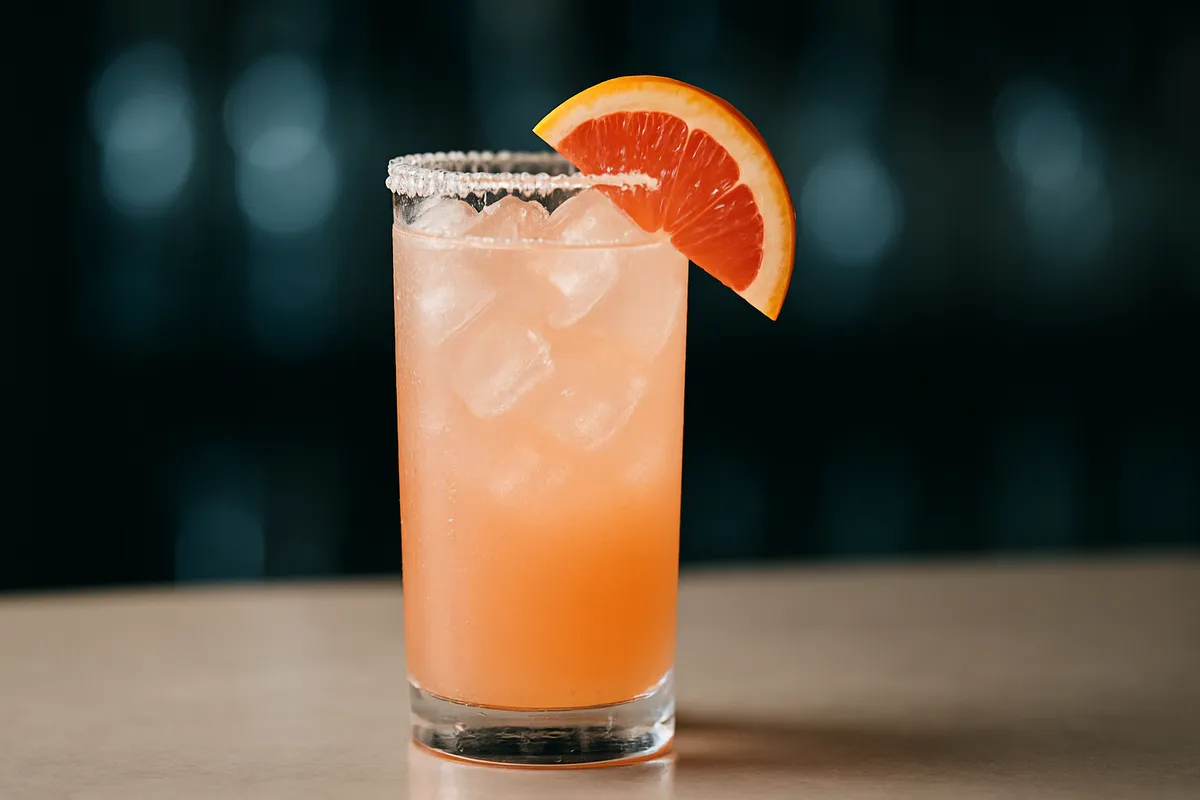
A Paloma in a tall glass with grapefruit — Mexico’s everyday tequila highball

Up next · 6 min

Agave history in your glass

In Agave: from bottle to classics · Library