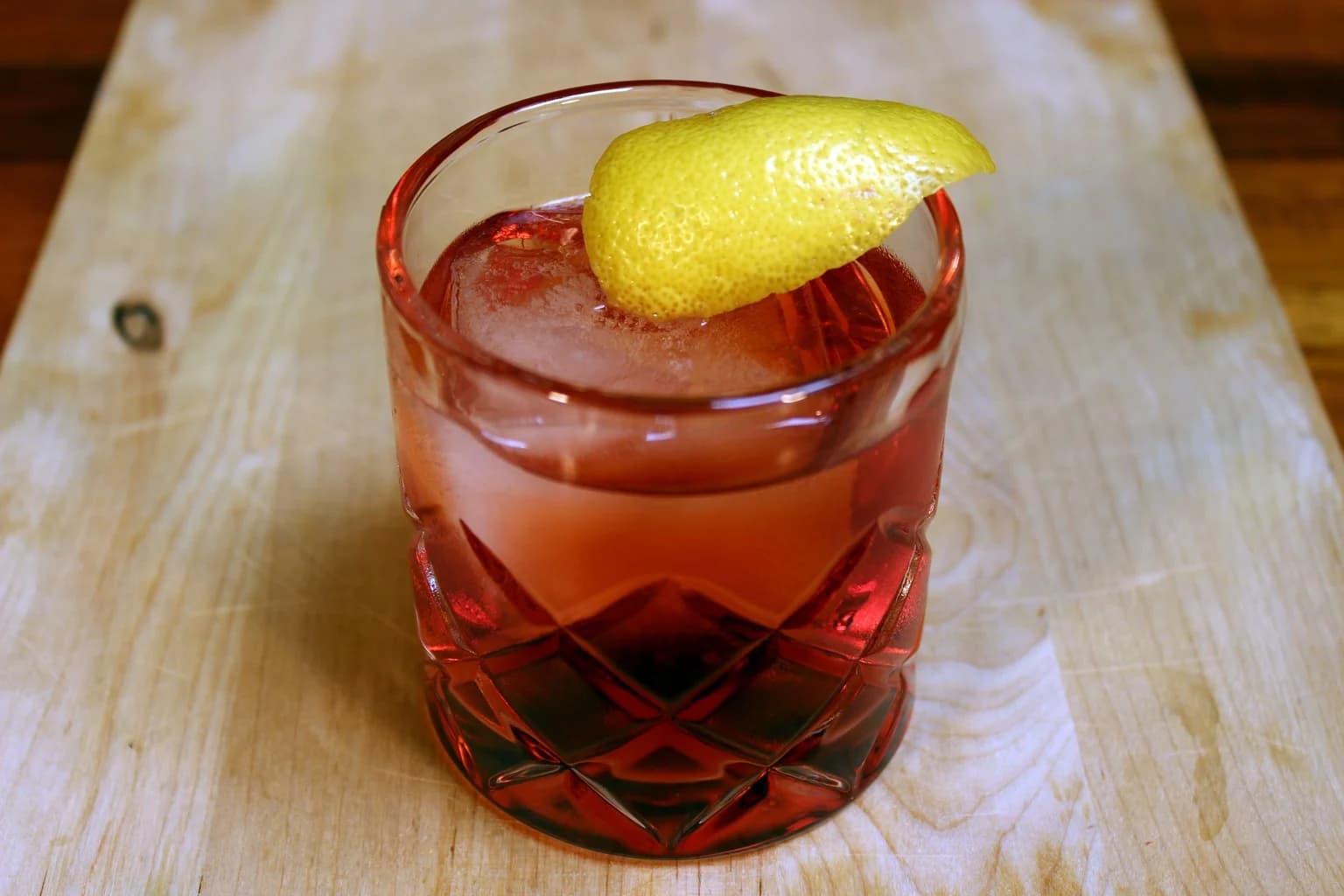
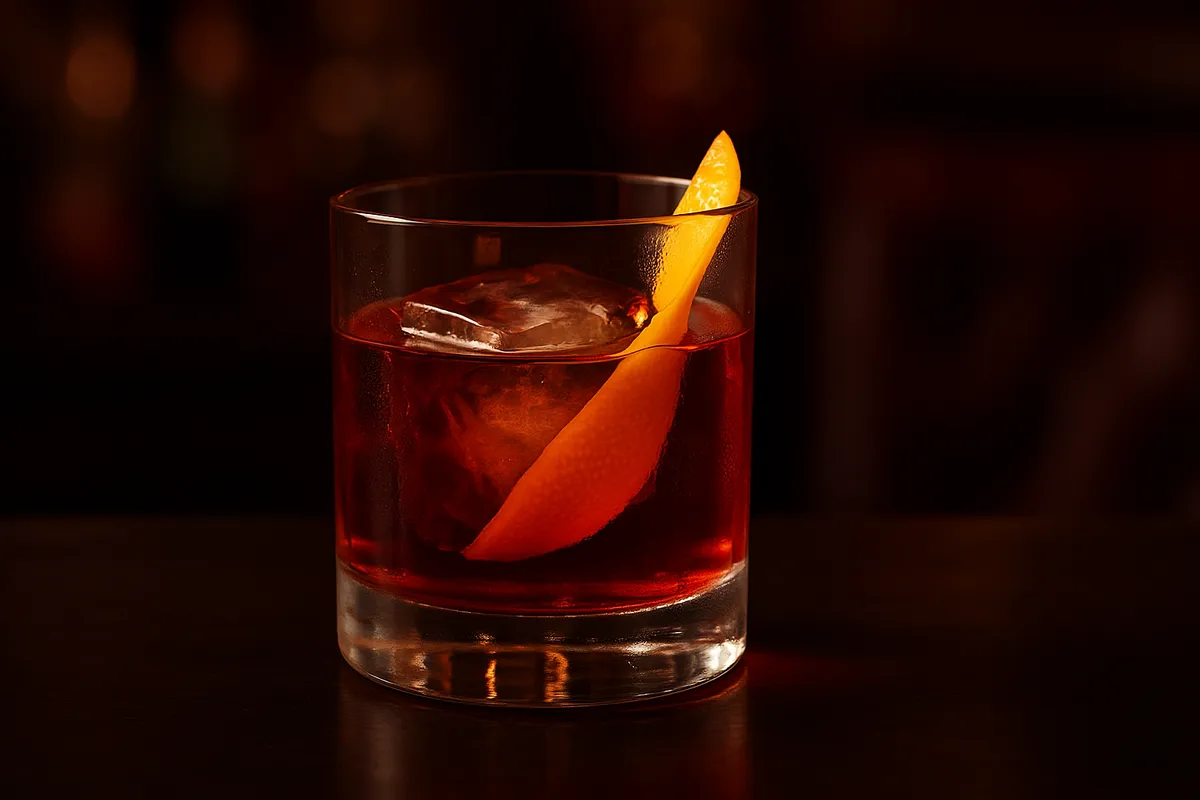
Own the Negroni family: equal parts still need a stir, Campari isn’t Aperol, and dusty bitterness is usually tired vermouth.
The big idea
Equal parts is a skeleton, not a free pass on ice. Stir until hot alcohol softens — then orange oil, not a muddled wheel.
Keep these
4 things to remember
01
Equal parts still needs dilution — stir on ice until the burn softens.
02
Campari is bitter-forward; Aperol tastes sweeter and is much lower proof — rename the drink if you swap.
03
Dusty Negronis are often oxidized sweet vermouth, not bad gin.
04
Boulevardier shares the bones; whiskey vs gin changes the mid-palate.
The rule
Equal parts is a skeleton
Three audible ingredients — dilution still required
1 · Spirit
Gin or whiskey
1 · Vermouth
Sweet wine
1 · Bitter
Campari family
The Negroni’s power is simplicity: one part gin, one part sweet vermouth, one part bitter. That clarity is why small mistakes — warm glass, short stir, tired vermouth — show immediately.
Other equal-parts drinks (Last Word, Paper Plane, many modern specs) use the same honesty: every ingredient is audible. There is nowhere for a weak bottle to hide.
02
Bitter bottles are not interchangeable
Campari brings bitterness and weight. Aperol brings orange sweetness and less grip. Swapping them makes a different drink — lovely if intentional, confusing if you expected a Negroni.
Amari vary even more. When a recipe names a bottle (Nonino, Averna, Chartreuse in a Last Word), treat it like a category choice, not a vibe. Silent swaps change the mid-palate before guests can name why.
Tip
Dilution and the rock
Stir until the drink tastes integrated, then strain over a large cube or serve up. A small pile of wet ice in the glass will keep watering the drink while you talk.
Orange oil on top is seasoning — express a peel, don’t muddle a wheel into the equal parts. The oils hit the nose; the pulp just sweetens and muddies.
Tip
Americano and the highball cousin
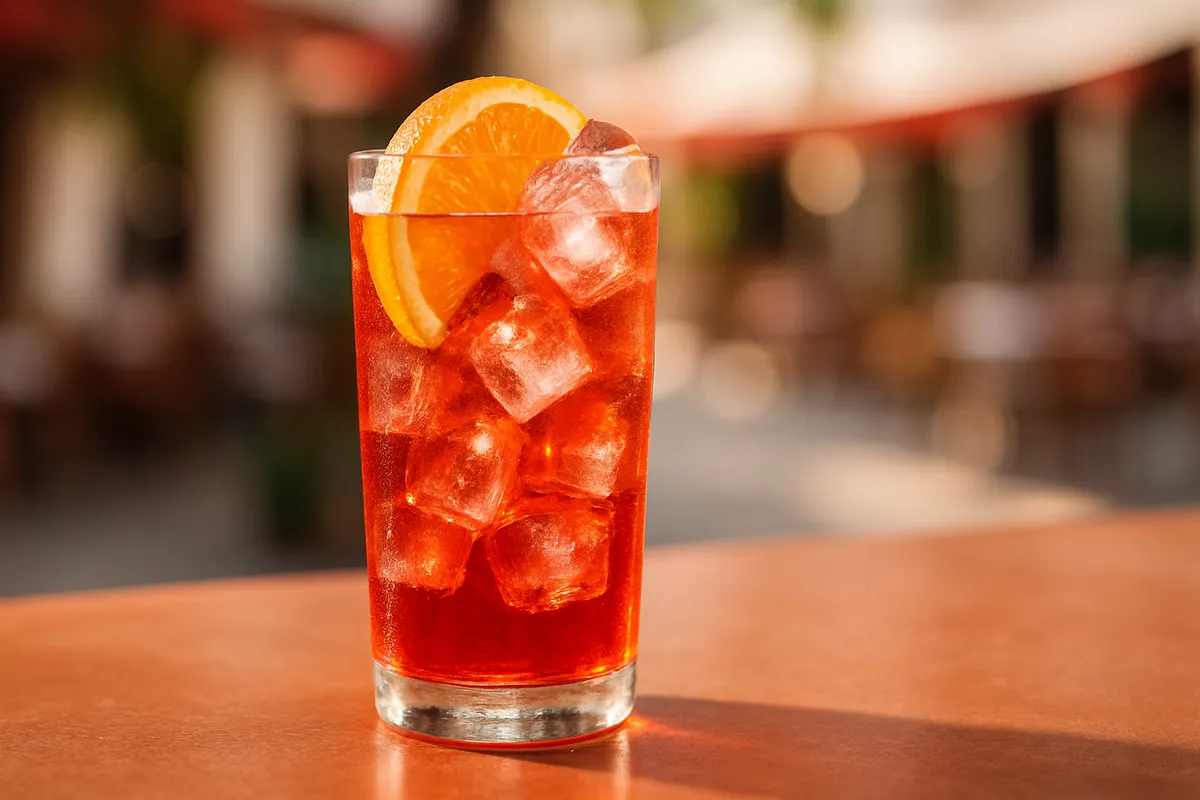
Campari + sweet vermouth + soda is the Negroni’s lengthened relative. It teaches the same bitter-sweet wine idea with bubbles. Pack ice; use cold soda; brief stir.
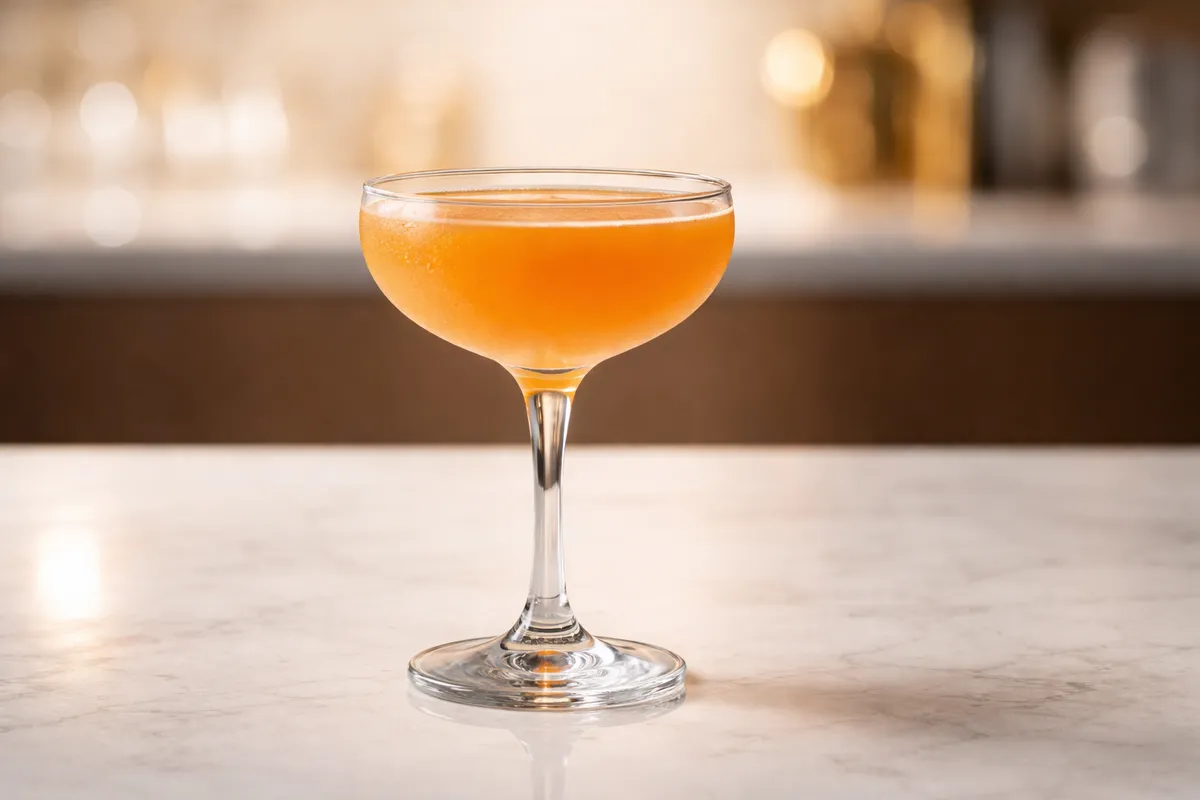
Paper Plane and Last Word show equal parts with citrus or herbal liqueur — still equal ounces, but the method may be a shake. Match method to ingredients, not to the Negroni’s fame.
05
Common mistakes
Shaking a Negroni for “texture” → stir instead.
You want silk and clarity, not cloud and extra water.
Building with counter vermouth from last winter → fridge and replace; oxidized wine makes bitter drinks taste dusty.
Calling every red-bitter drink a Negroni → use the honest name (Boulevardier, Americano, spritz) so guests know what they’re drinking.
In the glass
Practice these
Read the drill, then make the drink once focusing on that cue — repetition beats another paragraph.