A few true stories explain why a recipe wants London dry, vermouth judgment, or a louder gin — not a timeline for its own sake.
The big idea
History earns a place in Learn only when it changes the pour.
01
Genever to London dry
History that changes what you pour
01
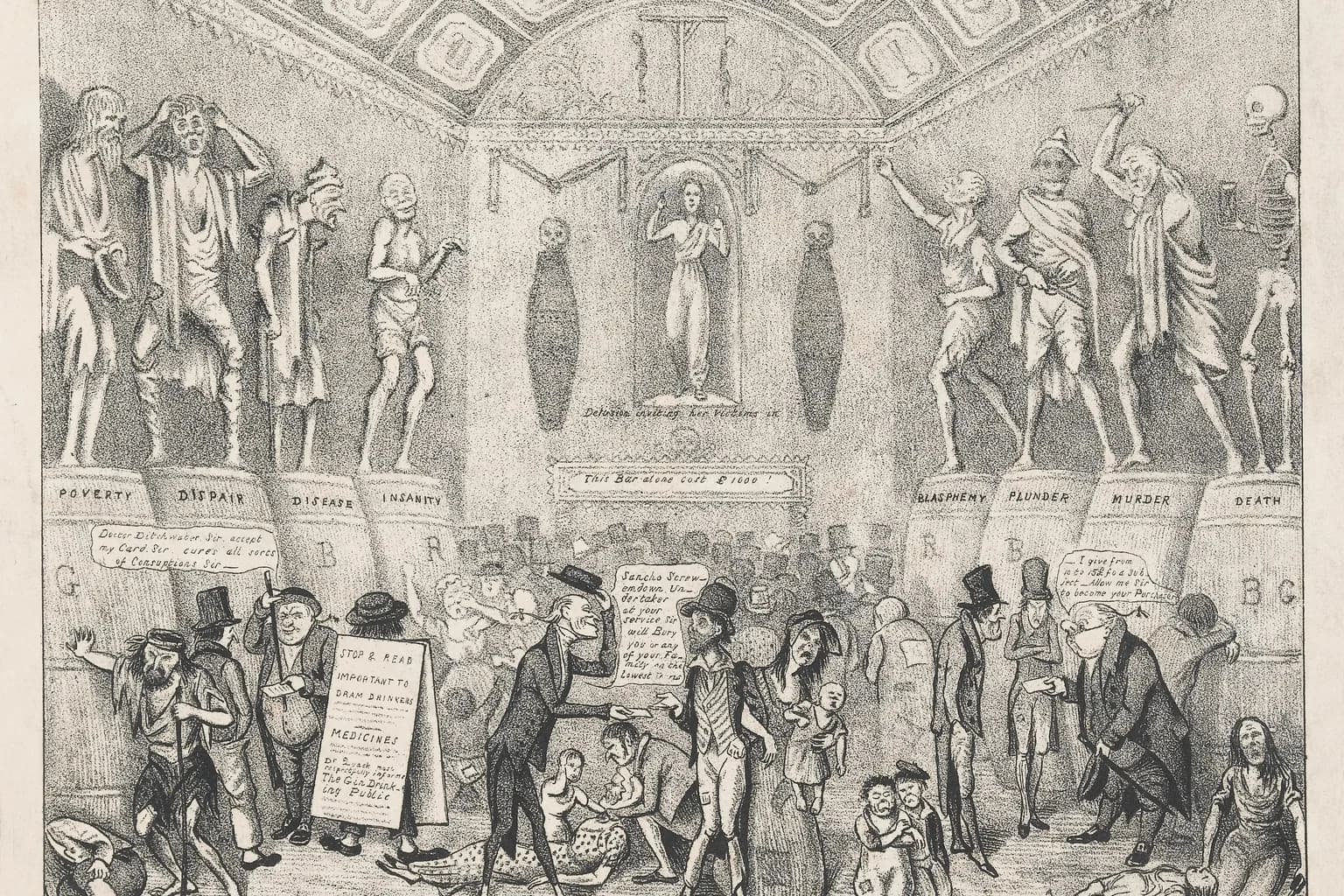
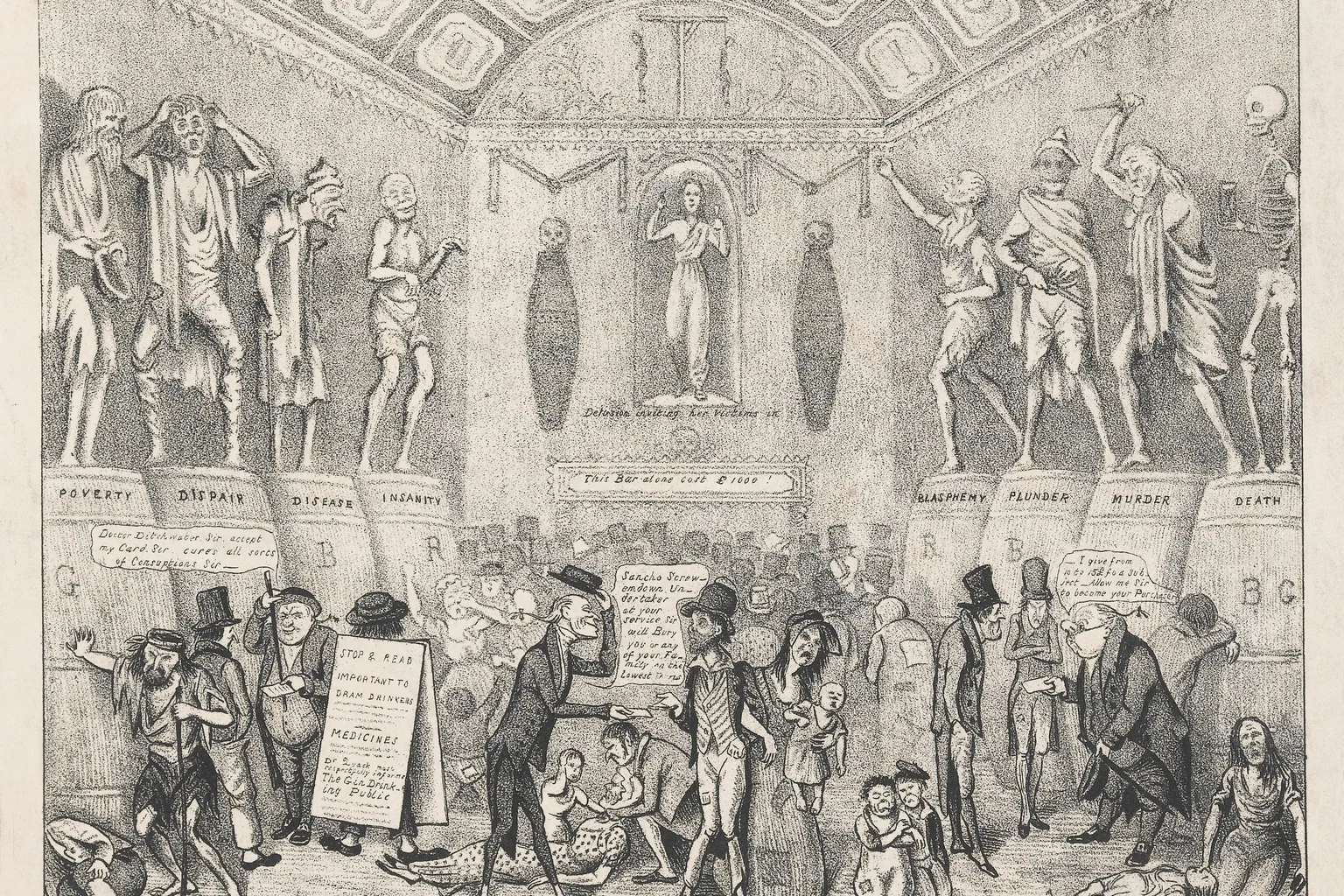
English gin palaces
C. J. Grant, 19th c. — when a classic says only “gin,” it usually means the drier English style, not genever
02
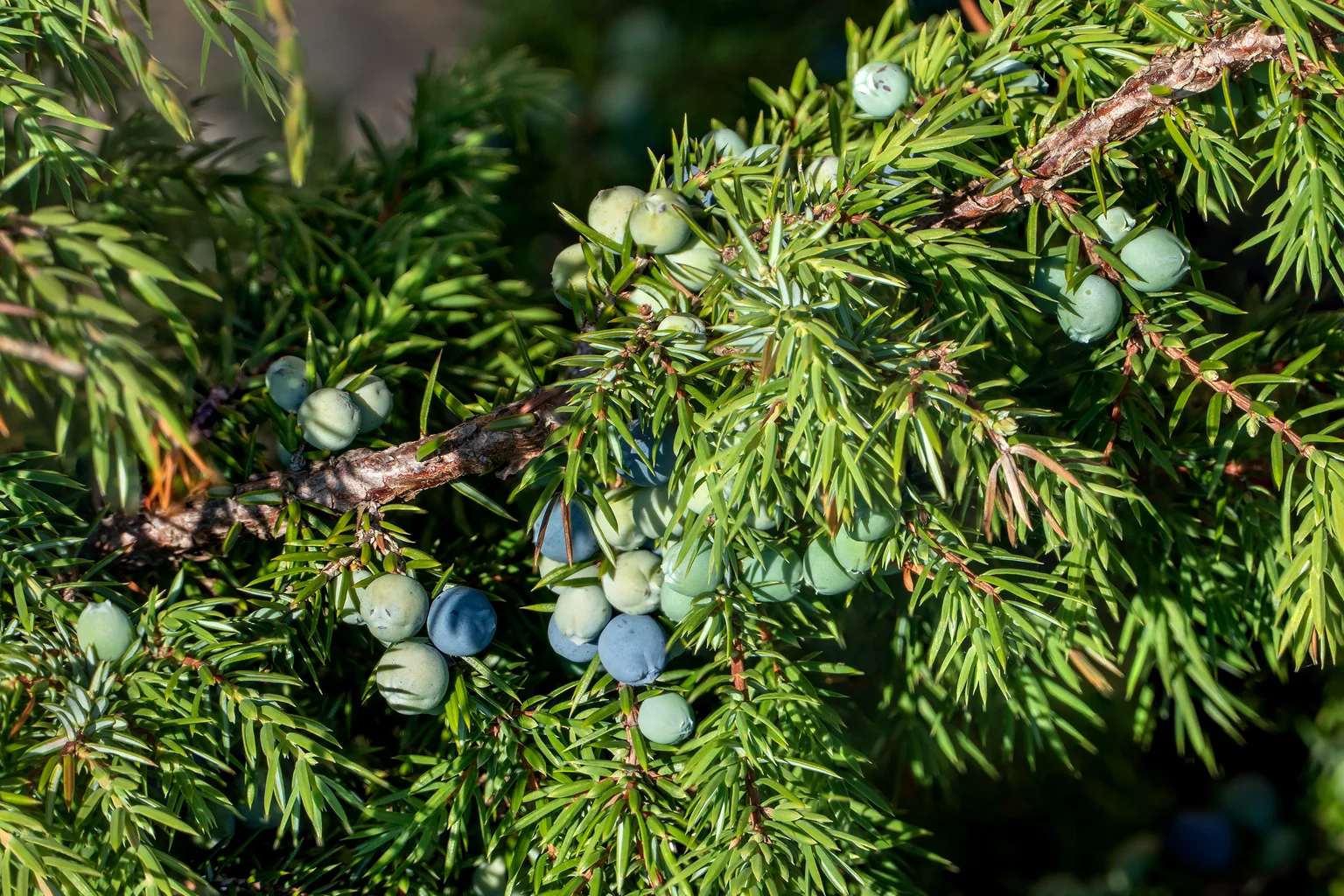
Juniper traveled
The legal spine that survived genever → London dry. Everything else is house style
03
Equal-parts frame
Florence-era bones: gin must still read under Campari. Soft boom bottles often vanish
04
Tonic matching
Colonial highball habit, reframed: ice and tonic brand reveal the bottle — not a medicine story
Genever is the older Dutch cousin — a malt-wine base flavored with juniper, spanning lighter jonge styles and richer oude or korenwijn. It traveled to England, where cheaper grain spirit and, later, column stills made a drier, cleaner gin. London dry became the nineteenth-century export style: botanical flavor from distillation, tightly limited sweetening, built for bars that mixed.
The useful leftover is the pour. In modern specs, unspecified “gin” usually means dry English-style gin — Beefeater, Tanqueray, or similar — not Bols Genever and not a cucumber-led contemporary such as Hendrick’s. In nineteenth-century recipes, check the date: “gin” may mean Holland gin/genever or Old Tom.
02
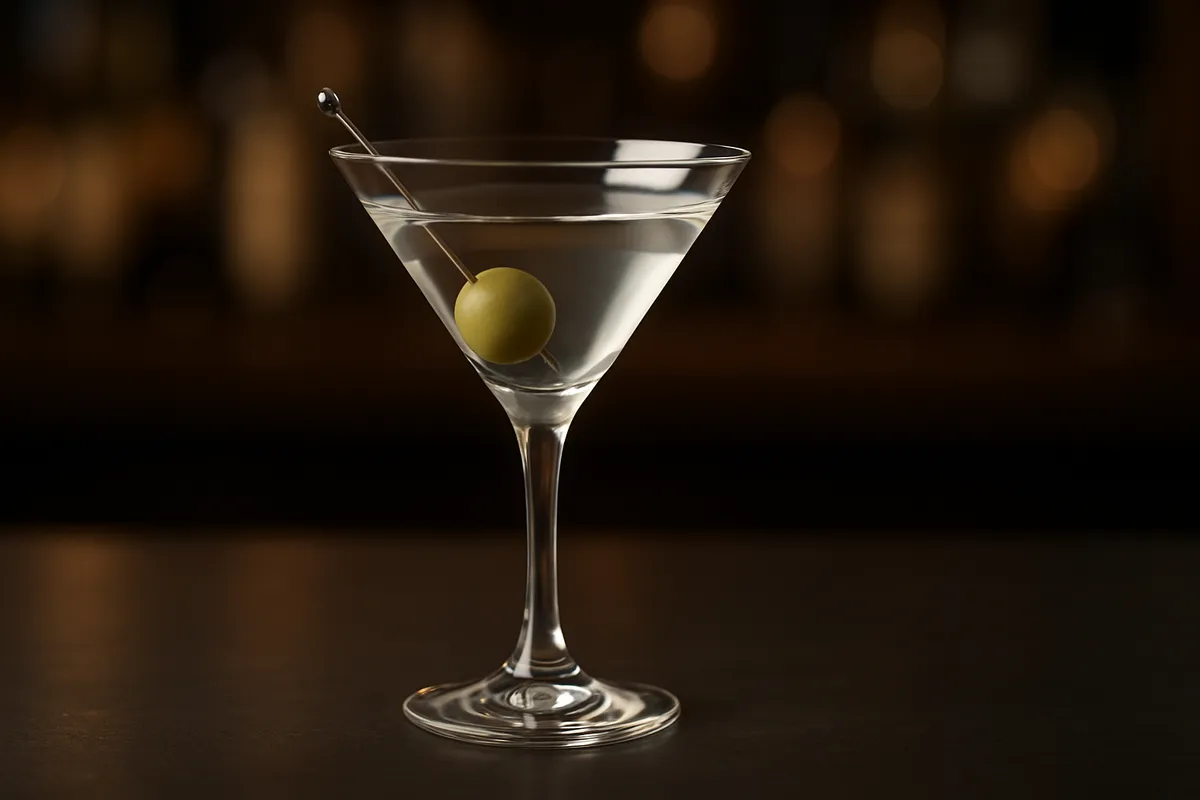
The Martini is a gin-and-vermouth judgment
The Martini settled in the late 1800s as gin and vermouth. Martinez, Manhattan, and hotel-bar stories compete in print. Treat them as legend around a documented template. None of them change the glass as much as the ratio and the bottle.
What survived is the judgment: mostly gin, a measured wine, stirred cold. Hendrick’s, or another soft floral, can taste like cold cologne once the vermouth fades. Juniper and structure — Beefeater, Tanqueray, or similar — are the era’s leftover.
03
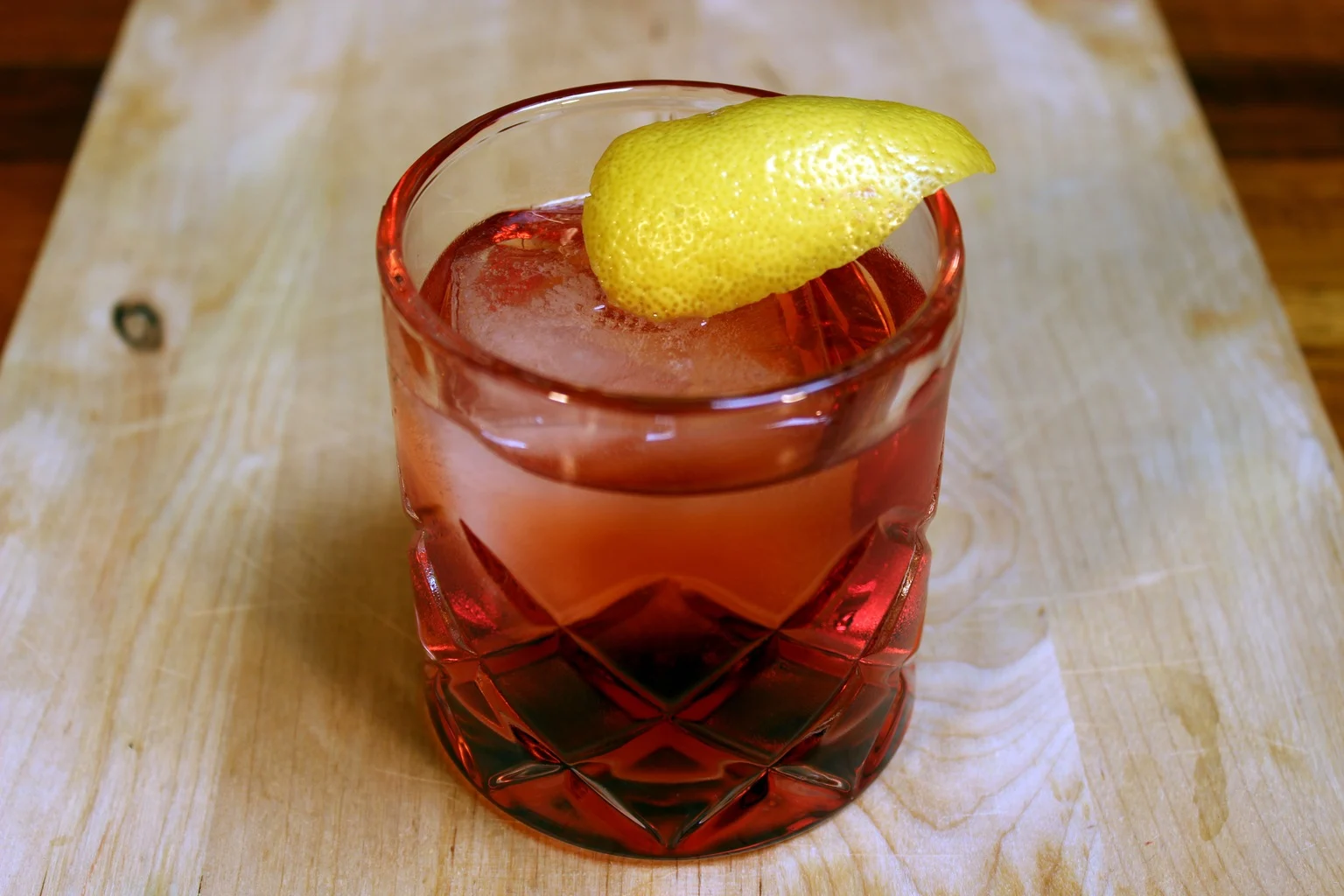
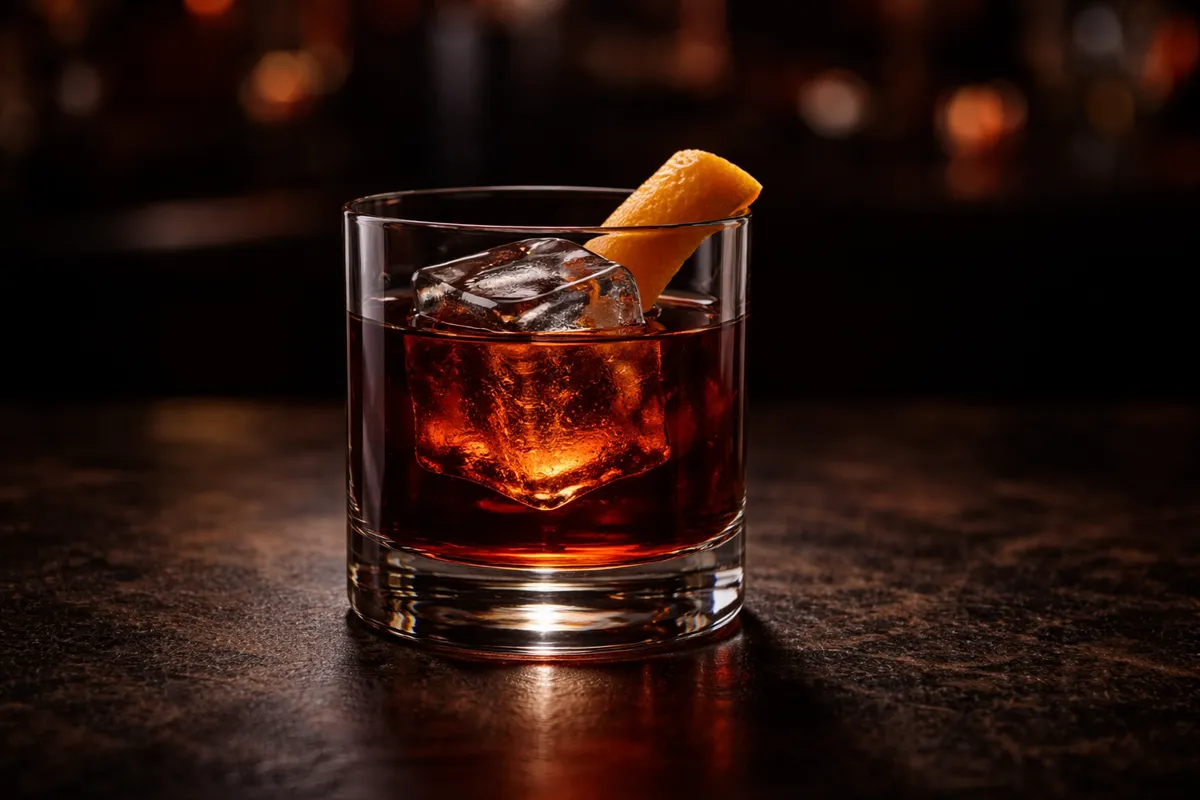
Negroni — bitter equal parts
The usual telling is Florence, around 1919–20: a Count Negroni asking a café to stiffen an Americano with gin. Contemporary paperwork is thinner than later retellings. The template is what we can teach.
Equal parts gin, Campari, sweet vermouth. The bitter frame is the point. Gin must still read. That is why a Hendrick’s-style bottle that only shines in a G&T can make a Negroni taste like Campari and wine.
04
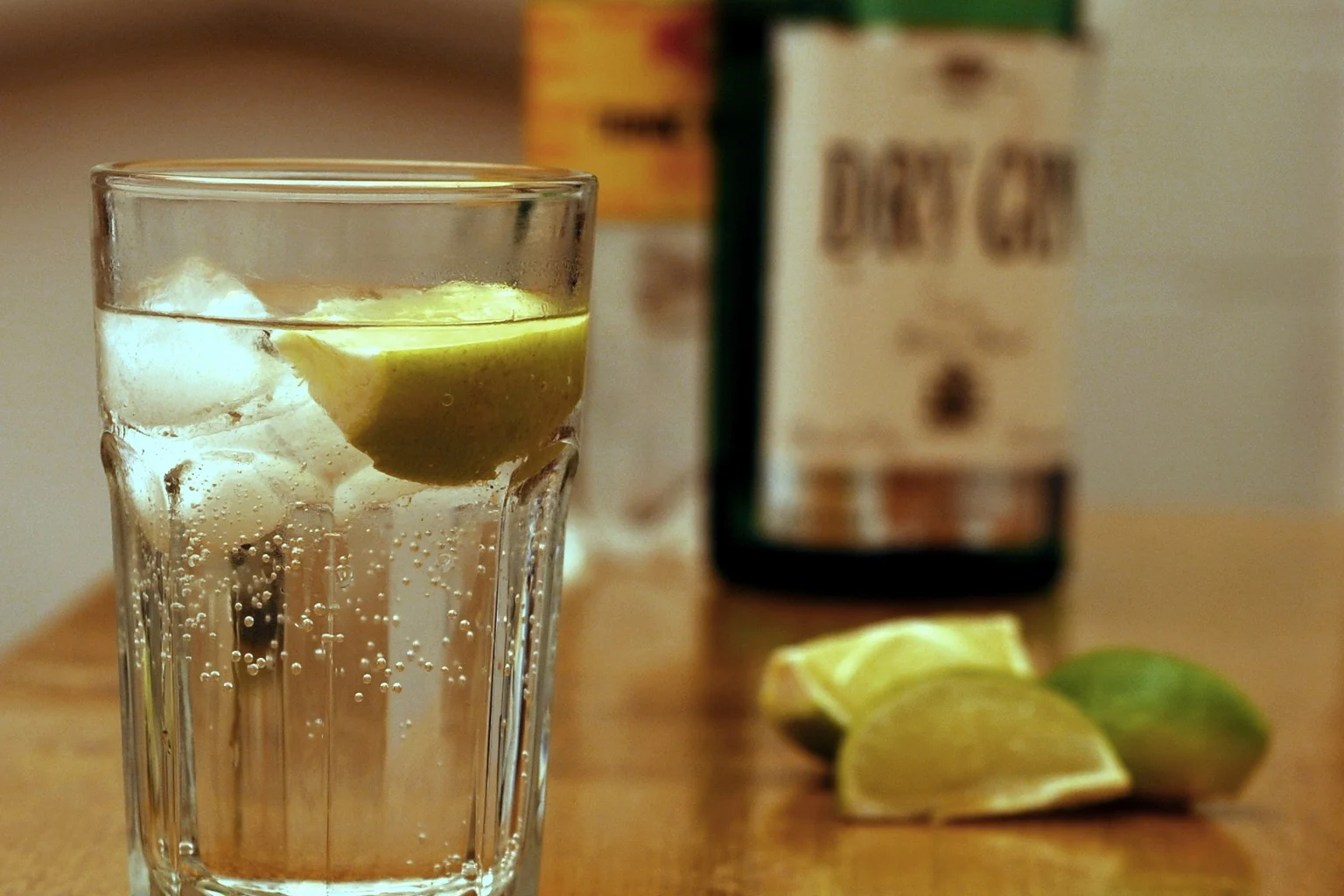
G&T — tonic matching, not a medicine story
British officers in malaria country drank quinine tonic. Gin joined the glass. That colonial highball habit is the usual origin sketch. Quinine doses in modern tonic are not a treatment, and the story is not a tasting method.
Reframe it as skill. Tonic is a bitter lengthener with its own sugar. Packed ice and a fridge-cold bottle reveal the gin. Warm soda and three cubes flatten any bottle. Match the tonic to the botanicals — dry tonic for Beefeater or Tanqueray, a leaner one for Hendrick’s.
Tip
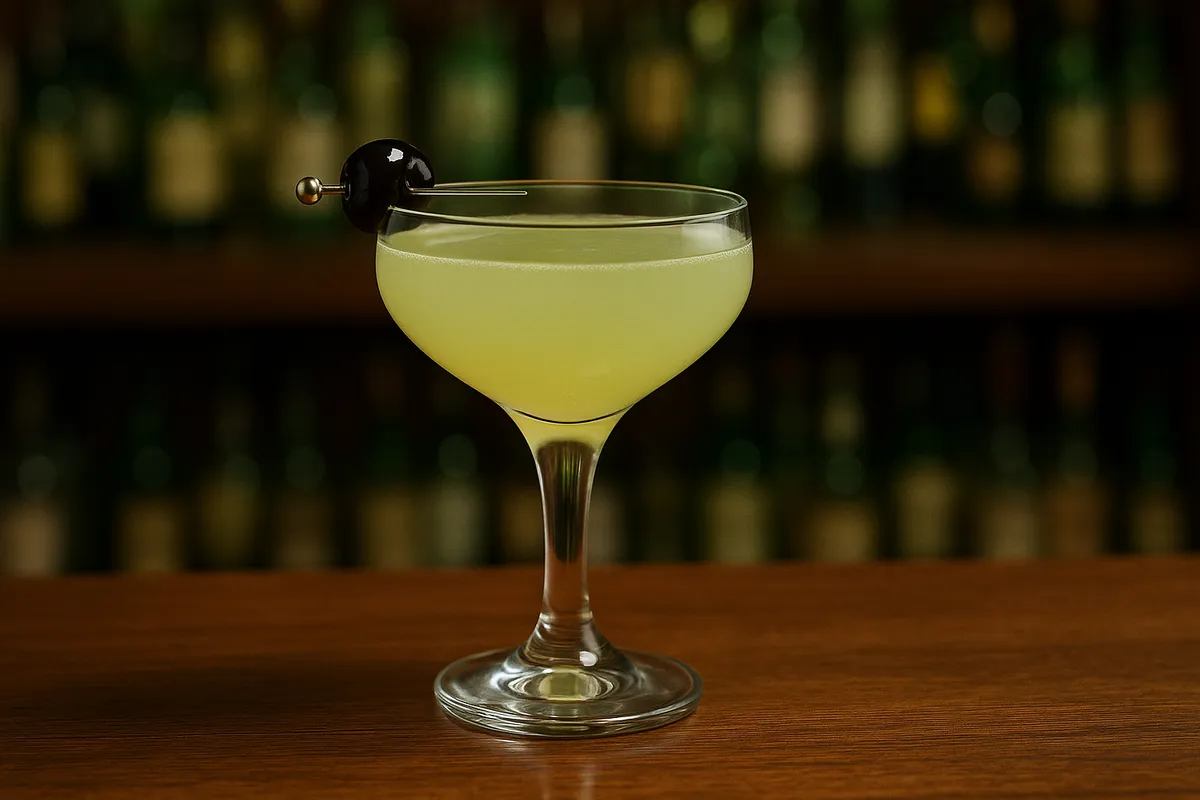
Last Word — a later equal-parts chapter
The Last Word is documented at the Detroit Athletic Club in the 1920s and revived in the early 2000s. It is not a nineteenth-century London dry story. It teaches volume: gin can be loud when Chartreuse and lime already are.
Stay on the same Beefeater / Tanqueray default, or step up density with Plymouth Navy Strength or Tanqueray export strength if you want more spine. A shy floral 40% bottle will taste like herbs and lime.
Tip
Why contemporary Negronis got weird
The 2000s gin boom filled shelves with citrus, floral, and cucumber bottles. Many are excellent highballs. Equal-parts drinks were written for a drier, juniper-led spine.
If a Negroni from the last twenty years tastes hollow or perfumed, check the gin before you blame Campari. History here is a shopping warning, not a lecture.
07
Common mistakes
A hotel Martini story changed the pour → keep the template: Beefeater or Tanqueray, measured vermouth, stirred cold.
G&T tastes flat after the origin story → pack the ice and match the tonic (dry for London dry, leaner for Hendrick’s).
Negroni from a newer floral bottle tastes hollow → pour a juniper-led London dry; Hendrick’s-style boom gins belong in the G&T, not equal parts.
In the glass
Practice these
Read the drill, then make the drink once focusing on that cue — repetition beats another paragraph.