Library

Gin · 6 min read

Gin: learn to taste the difference

Styles are easiest to learn with your nose. A short protocol beats another shelf chart.

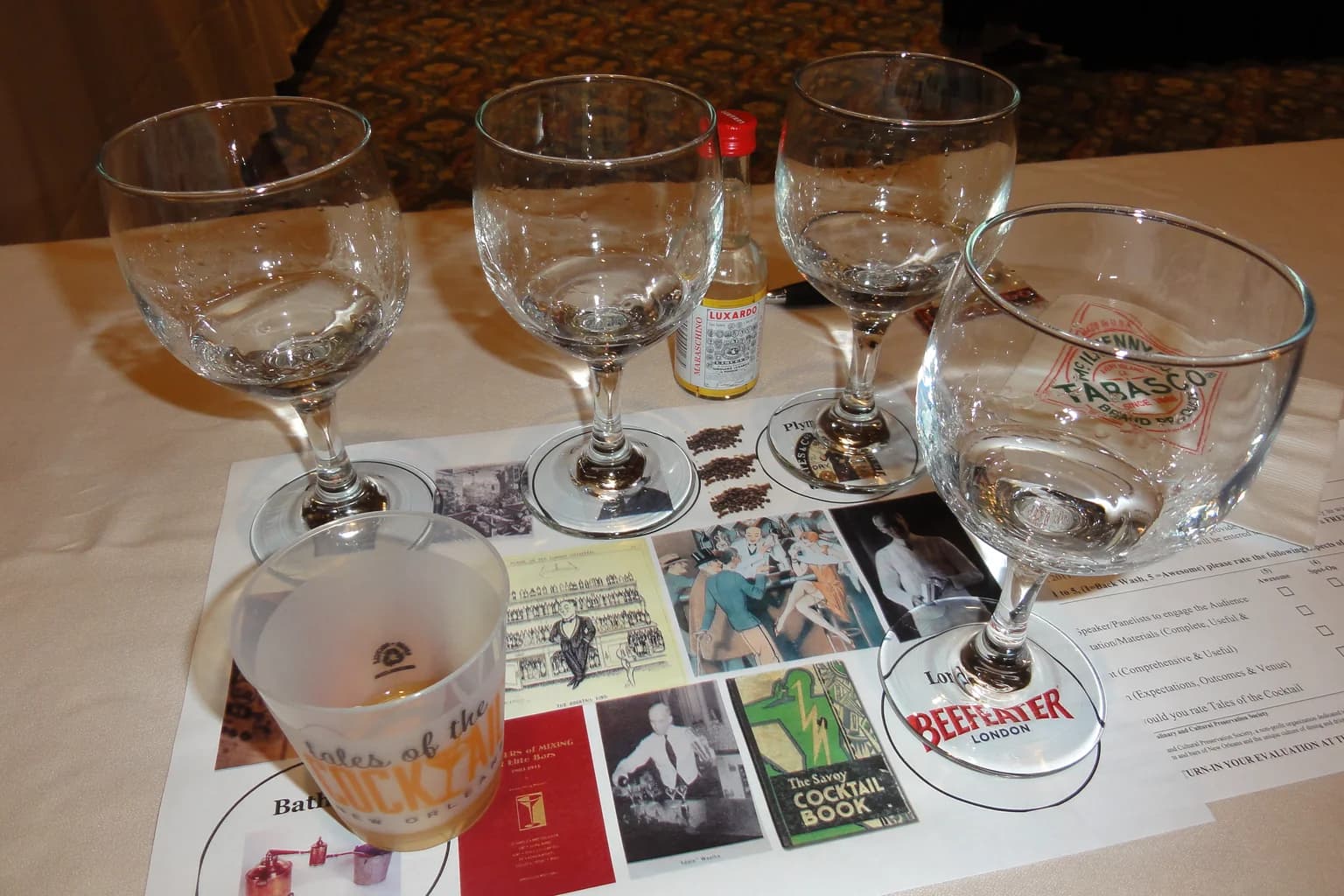
A gin tasting flight at Tales of the Cocktail — stemmed glasses on a marked mat, including Beefeater London and Plymouth

The big idea

Learn styles with a short protocol, not a shelf chart.

The rule

A tasting protocol

Nose → sip → two words → name
1

Nose

Smell it first — no sip yet.

2

Sip

A little, then air.

3

Two words

Write what you found.

4

Name

London dry or contemporary.

Old Tom and genever are footnotes. Guessing the style first just trains you to confirm the label.

Smell first. Taste. Two words — then name the style. Guessing early just trains you to confirm what the label already told you. “Juniper, dry” or “floral, soft” will still help you at the shelf next month. A stack of botanist names will not.

Name London dry vs contemporary first. Old Tom and genever are footnotes: Hayman’s (sweeter) or Bols (malt-forward). Write the words. Then look at the bottle.

What to listen for

Styles that change Martini and Negroni behavior

London dry

Juniper · dry

Contemporary

Citrus · floral

Navy / overproof

Hot · holds citrus

Old Tom

Softer · historic

London dry: juniper, peel, a dry finish. Beefeater or Tanqueray if you need a named glass. If pine and citrus pith are the first things you smell, you found the cocktail default.

Contemporary: citrus candy, cucumber, florals, or spice in front. Hendrick’s is the usual cucumber-floral example. If the nose is a garden and juniper is a rumor, believe it.

Old Tom: softer, a little sweet — Hayman’s is the shopping footnote. Useful in older specs. Not a silent dry Martini pour.

Genever: malt, bread, oil under the juniper — Bols is the familiar cousin. Closer to whiskey in a stirred drink.

Tip

Mini labs

A: A juniper-led London dry (Beefeater or Tanqueray) vs a contemporary such as Hendrick’s, neat. Same splash, same glass shape. Two words each. Then name the style.

B: The same tiny vermouth taste — a barspoon in each gin. Name which one stayed structured.

C: Tonic alone, then a G&T with each gin. If the highball tastes soapy or flat, decide whether the gin or the tonic did that. Warm soda is a third suspect.

Common mistakes

  • Style named from the label before the glass → smell, sip, write two words, then look.
  • Aromatic gin written down as “craft” → describe the bill instead: juniper-led (Beefeater / Tanqueray) vs cucumber-floral (Hendrick’s).
  • Six bottles tasted in a rush, none remembered → taste two pours (London dry vs Hendrick’s), write two words each, then stop.
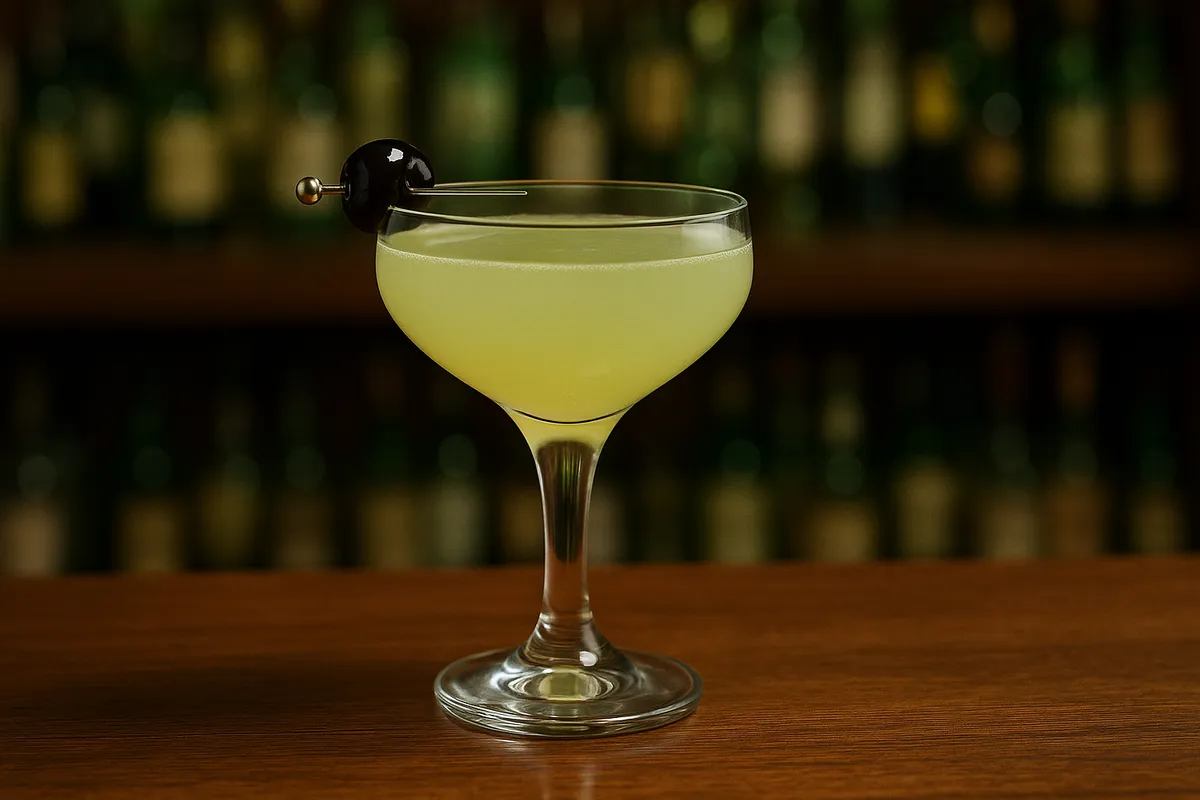
A Last Word in a stemmed cocktail glass — pale green, condensation on the bowl

Up next · 7 min

Gin: four classics, four lessons

In Gin: from bottle to classics · Library