Library

Gin · 6 min read

How gin is made

Base spirit, botanical recipe, and still choices explain why two gins drink differently in a Martini.

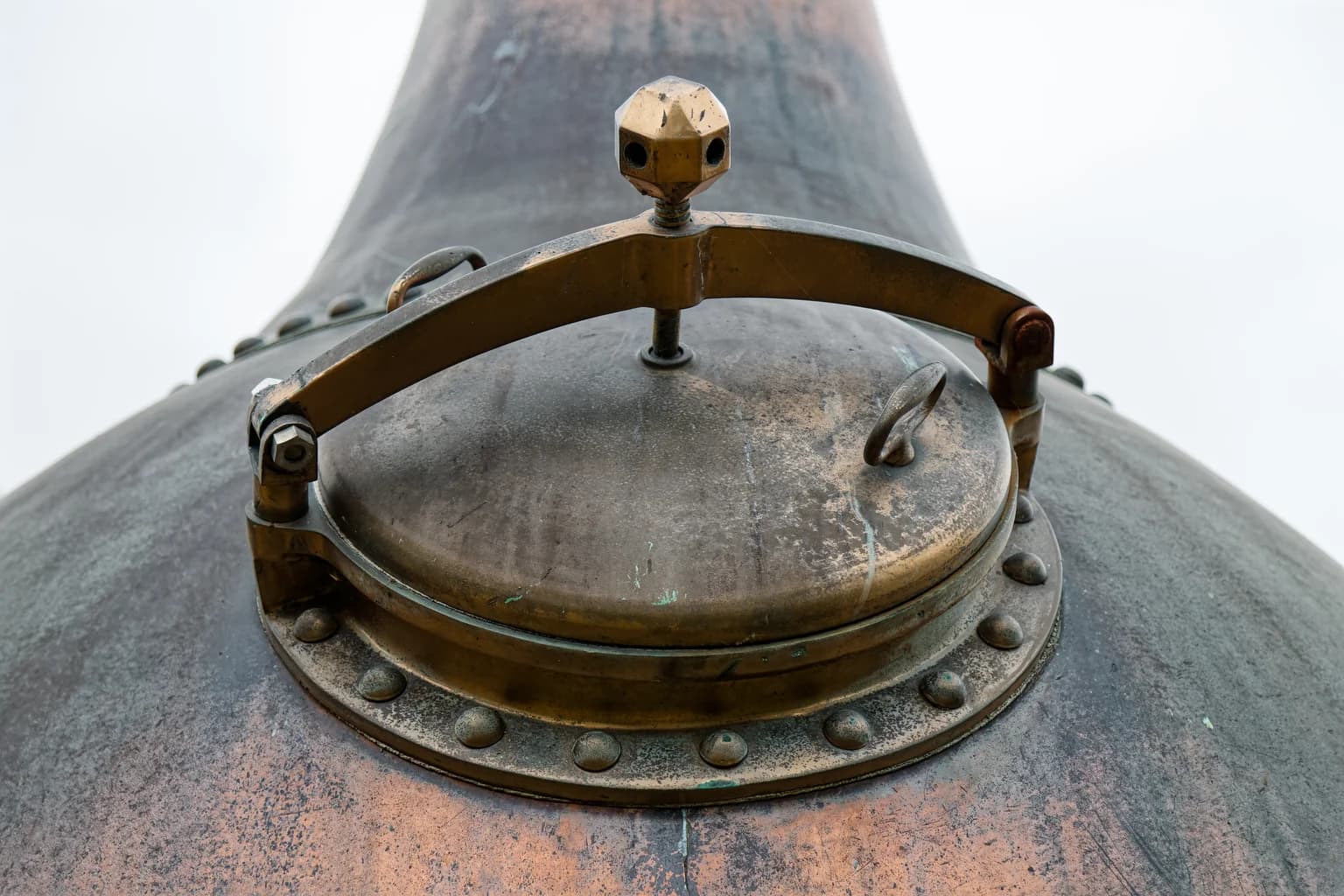
Brass manway on Gilbey’s copper gin still at Harlow Museum — where the botanical bill is locked in

The big idea

Base spirit, botanical recipe, and still choices explain why two gins drink differently in a Martini.

The rule

From base to bottle

Four levers from base to bottle
1

Base

Neutral grain — or a malt-forward cousin.

2

Botanicals

Juniper first. The rest is house style.

3

Distill

Steep or vapor — how aroma is pulled.

4

Bottle

Water to proof. London dry stops here.

The still and the botanical bill show up in a Martini more honestly than the label art.

A few production choices sit between the grain and the glass: what you start with, which botanicals you load, how you extract them, and how you bottle the result.

Those levers show up more honestly than the illustration on the label. Learn them, and a new bottle is a set of choices you can taste.
Neutral vs characterful base

Most cocktail gin begins as a high-proof neutral spirit — usually column-distilled grain — then gets redistilled or infused with botanicals. The mash is quiet on purpose. The botanical bill does the talking.

A characterful base — malt wine in genever, a heavier grain distillate in some craft gins — leaves bread, oil, or sweetness under the juniper. That is a different Martini than a clean London dry, even at the same proof.

Vapor infusion vs steeping

Steeping — maceration — soaks botanicals in spirit before the still runs. It can pull deeper, rounder, sometimes earthier notes. Leave them too long and the gin tastes stewed.

Vapor infusion hangs botanicals in a basket. Steam picks up aroma as it rises. The result often reads brighter and more perfume-forward — citrus and floral notes sit on top instead of in the body. That is why a cucumber-floral contemporary such as Hendrick’s can smell like a garden before vermouth arrives.

Many houses do both. The useful leftover is not a brand story. It is why one gin smells like pine and another like a flower stall before you add vermouth.

A juniper-led botanical bill

Juniper has to be perceptible. That is the legal spine. Coriander, citrus peel, angelica, and orris are the usual supporting cast. After that, the recipe is house style.

A juniper-led bill keeps structure in a Martini and a Negroni. A citrus- or floral-led bill can be lovely with tonic and disappear the moment Campari arrives.

Tip

London dry rules and proof as a tool

London dry is a production rulebook, not a postcode. Botanicals must be distilled. No flavoring after distillation. Sweetening only within a tiny allowance. Water to bottle strength. That is why a London dry tastes dry in the glass, not candied.

ABV is a density tool. Around 40% can taste thin once vermouth, citrus, or sugar enter. Plymouth Navy Strength — near 57% — holds a Last Word or a sour without going slack; that “navy strength” mark is a producer convention, not a legal gin class. Tanqueray at export strength (~47%) is a smaller step. Neither is a silent ounce-for-ounce swap for a standard bottle.

Tip

Old Tom and genever — cousins, not swaps

Hayman’s Old Tom is a slightly sweeter historic style. Older recipes that assume it — a Tom Collins, some Martinez specs — will taste lean if you pour a bone-dry London dry without adjusting sugar.

Bols Genever starts closer to whiskey: a malt-wine base, then juniper. It can stir beautifully. It will not silently do a dry Martini’s job. Call the pour what it is.

What “compound” gin is doing

Some inexpensive gins are flavored after distillation — essence in a neutral spirit, no second still run. Legal in some markets. They can taste flat once tonic or vermouth arrives. Infer compound production only from an explicit designation or producer notes — silence on the label is not proof.

Common mistakes

  • Label art drove the buy → read production clues instead: distilled botanicals, London dry rules, and proof.
  • Negroni tastes like Campari and wine → switch to a juniper-led London dry (Beefeater, Tanqueray, or similar); a vapor-infused floral such as Hendrick’s often disappears in equal parts.
  • Navy-strength Last Word tastes hot → cut the pour or accept the extra density; Plymouth Navy Strength or Tanqueray export strength is not a silent 40% swap.
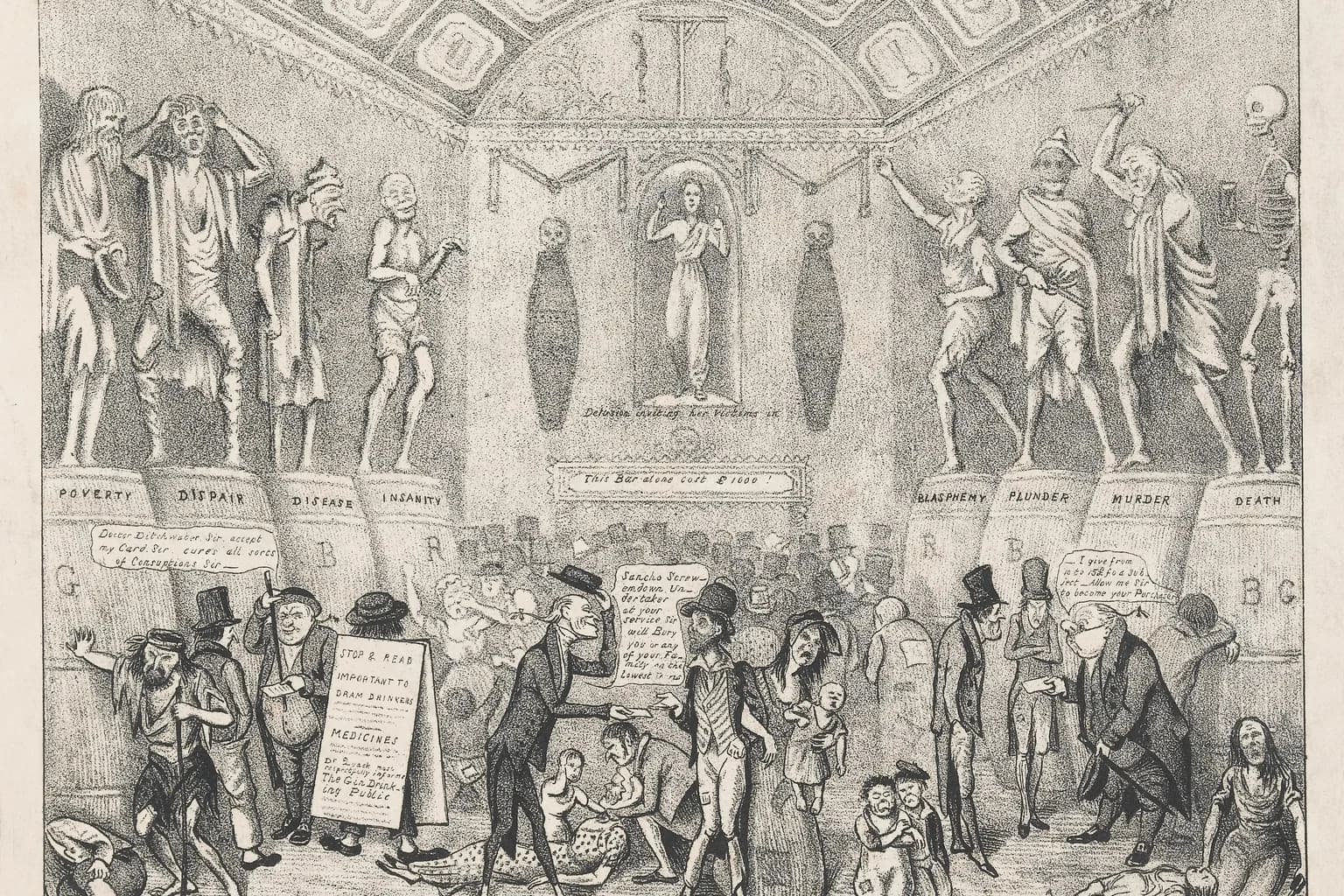
Nineteenth-century lithograph of a London gin palace as a “temple of Juniper,” by C. J. Grant

Up next · 6 min

Gin history in your glass

In Gin: from bottle to classics · Library