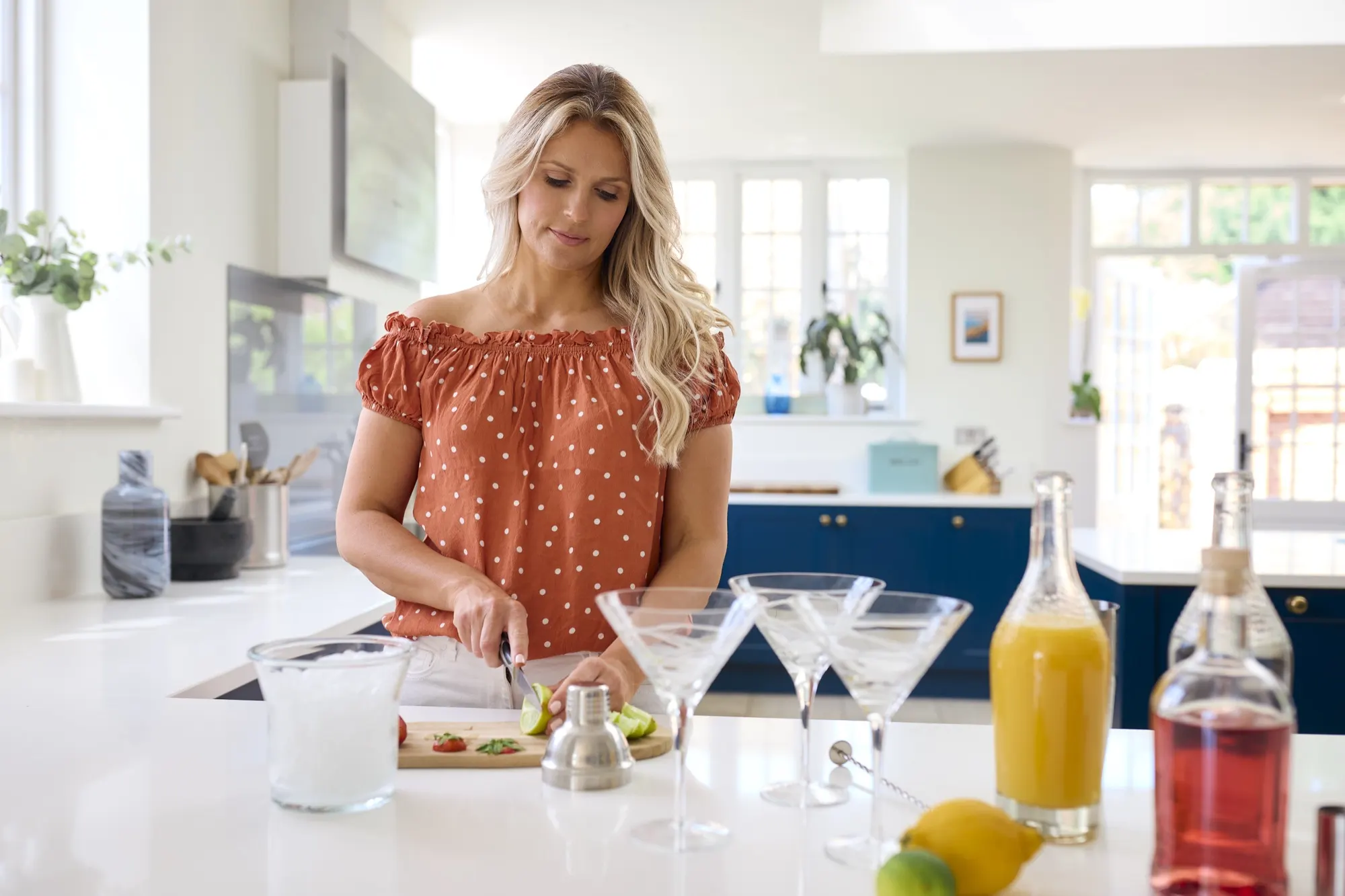
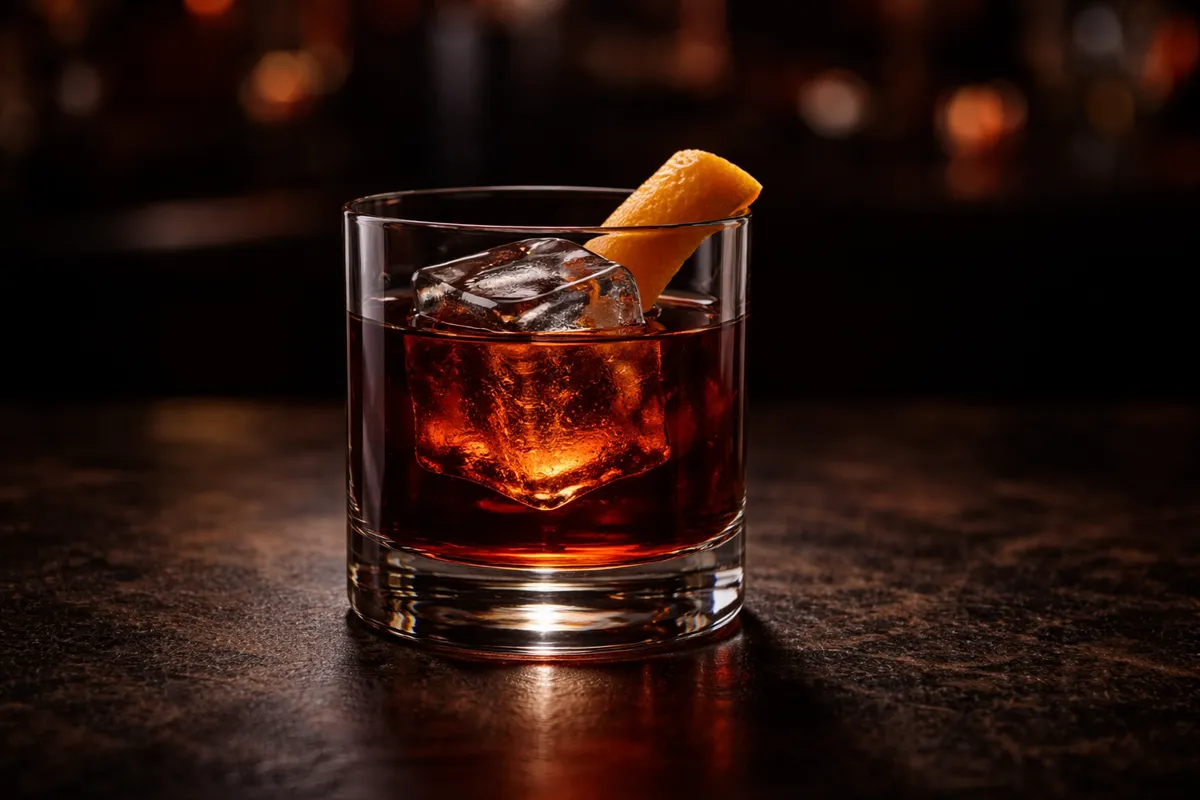
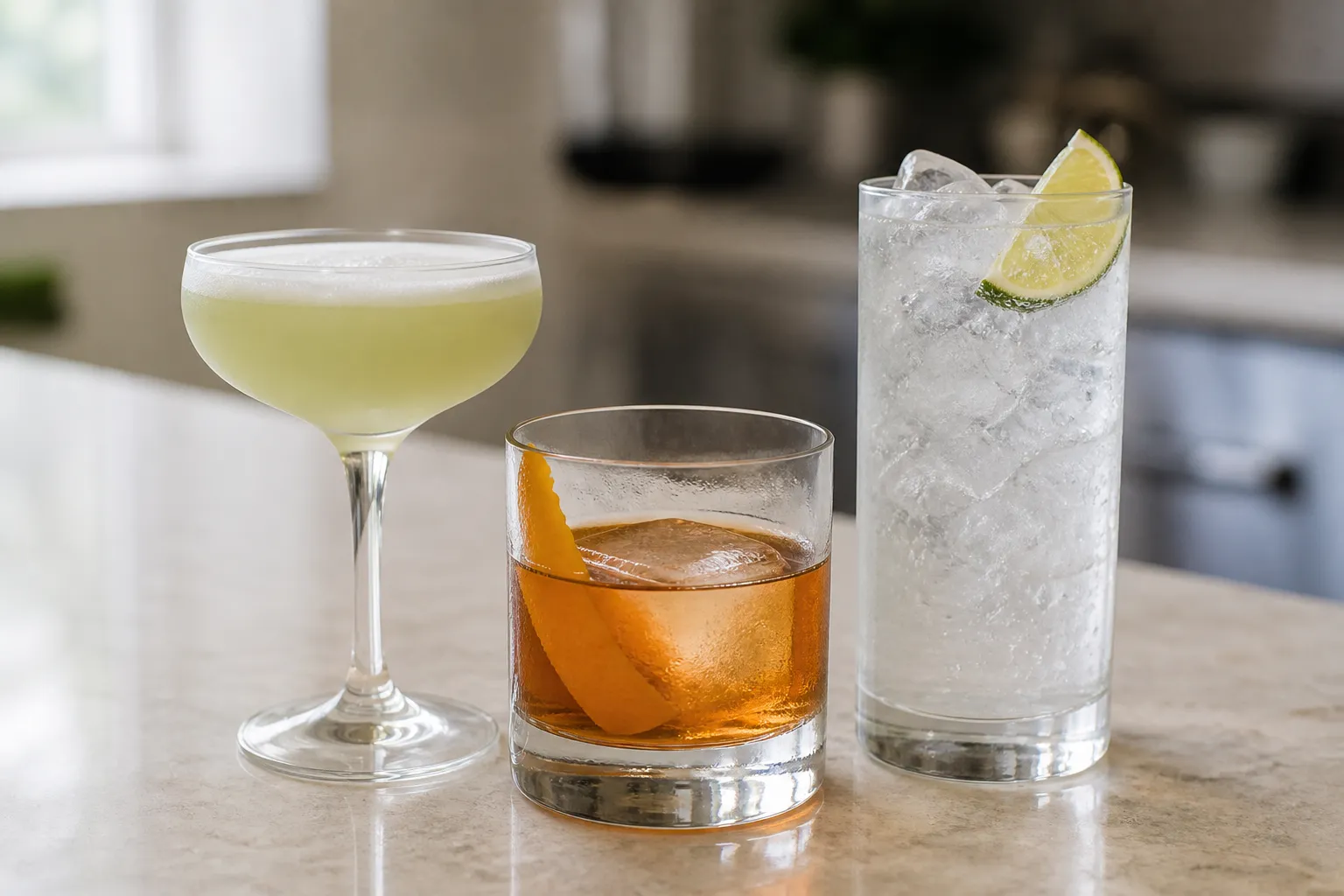
Stock a short kit that covers most classics: five tools, ice you trust, fresh citrus, and a handful of bottles — not a cart of half-used liqueurs.
The big idea
Buy for templates, not viral recipes. One solid bottle per base spirit, plus vermouth, a dry orange liqueur, and Angostura, covers most of the catalog.
Keep these
4 things to remember
01
Five tools cover almost every classic: shaker, strainer, jigger, barspoon, peeler.
02
Ice quality controls chill and dilution more than spirit brand does for most home drinks.
03
Squeeze citrus to order — dull juice is the usual reason a classic tastes off.
04
One gin, whiskey, blanco tequila, rum, and vodka — then vermouth, dry orange liqueur, Angostura.
The rule
Build a small kit that works hard
Five tools cover almost every MixWise method
01
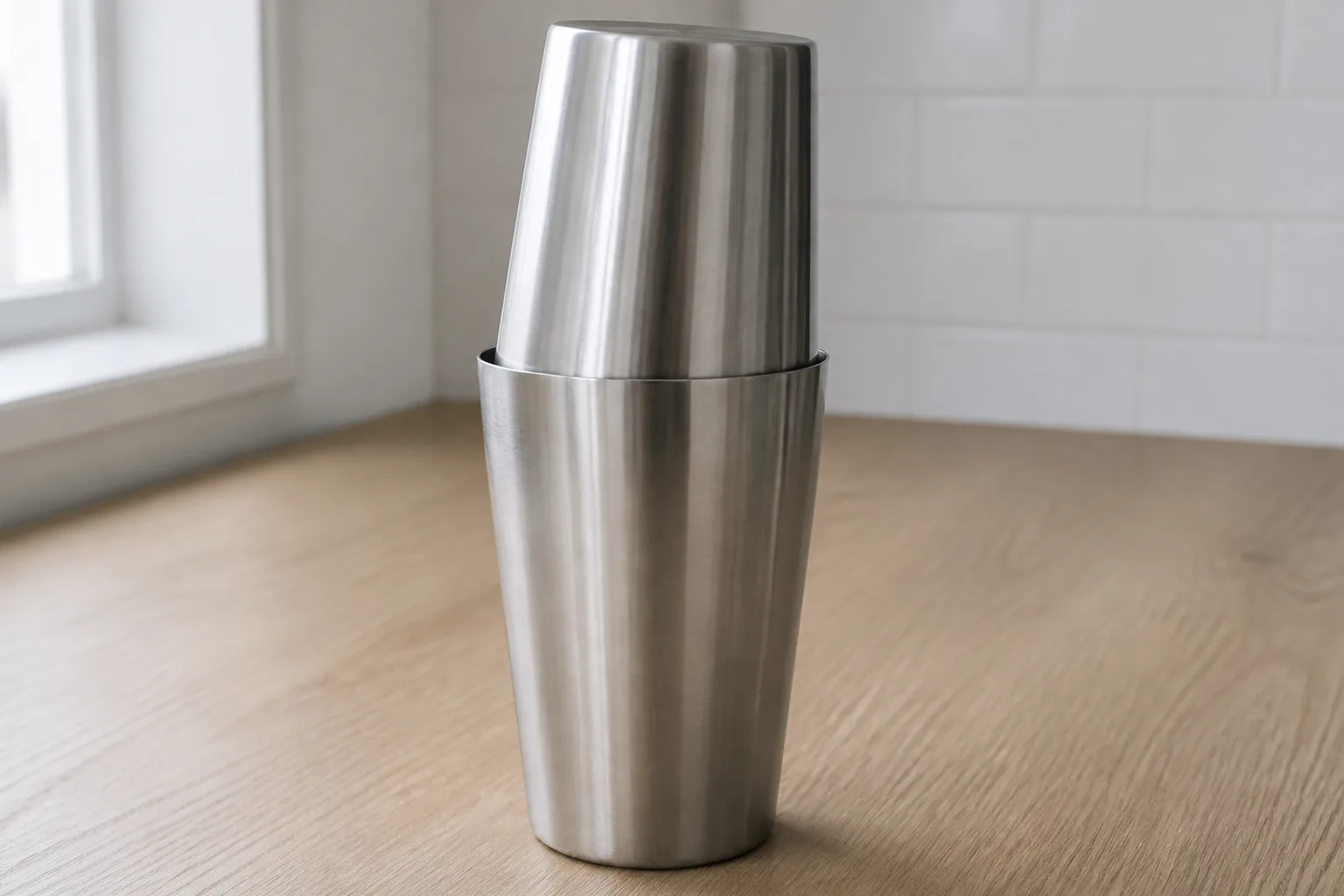
Shaker
Chill, dilute, and blend — tin on tin
02
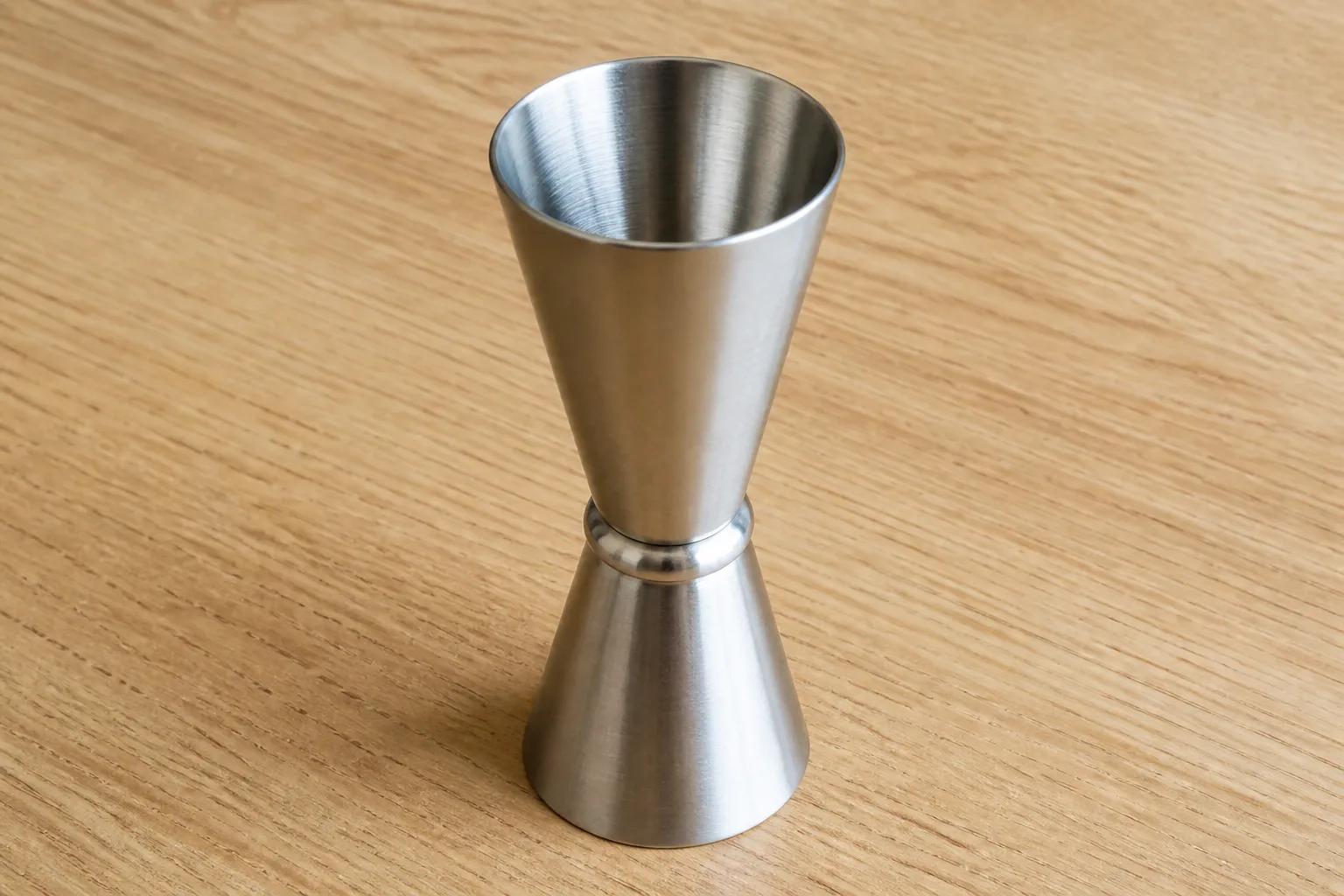
Jigger
Accurate pours beat free-pour guessing
03
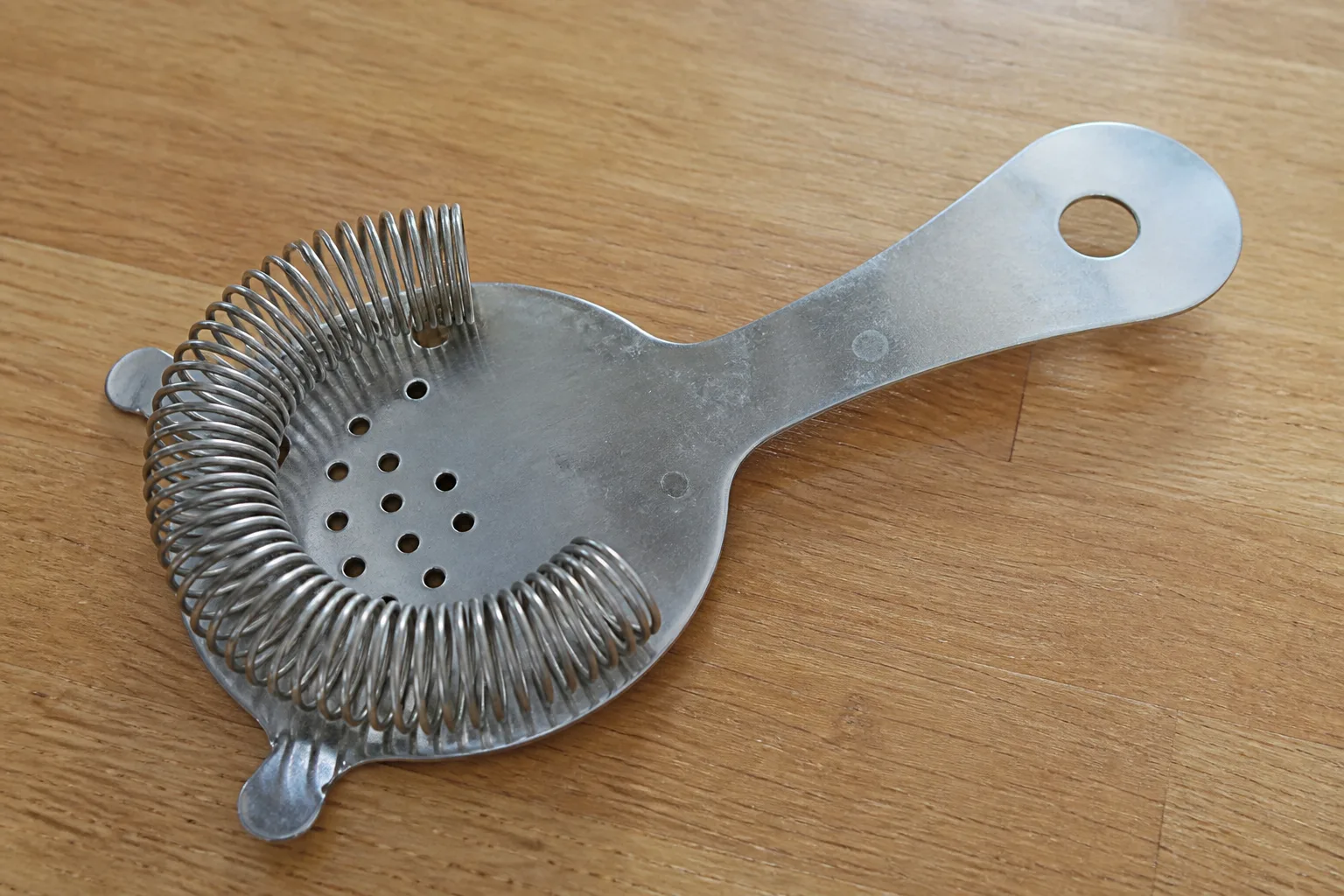
Strainer
Hold back ice for a clean pour
04
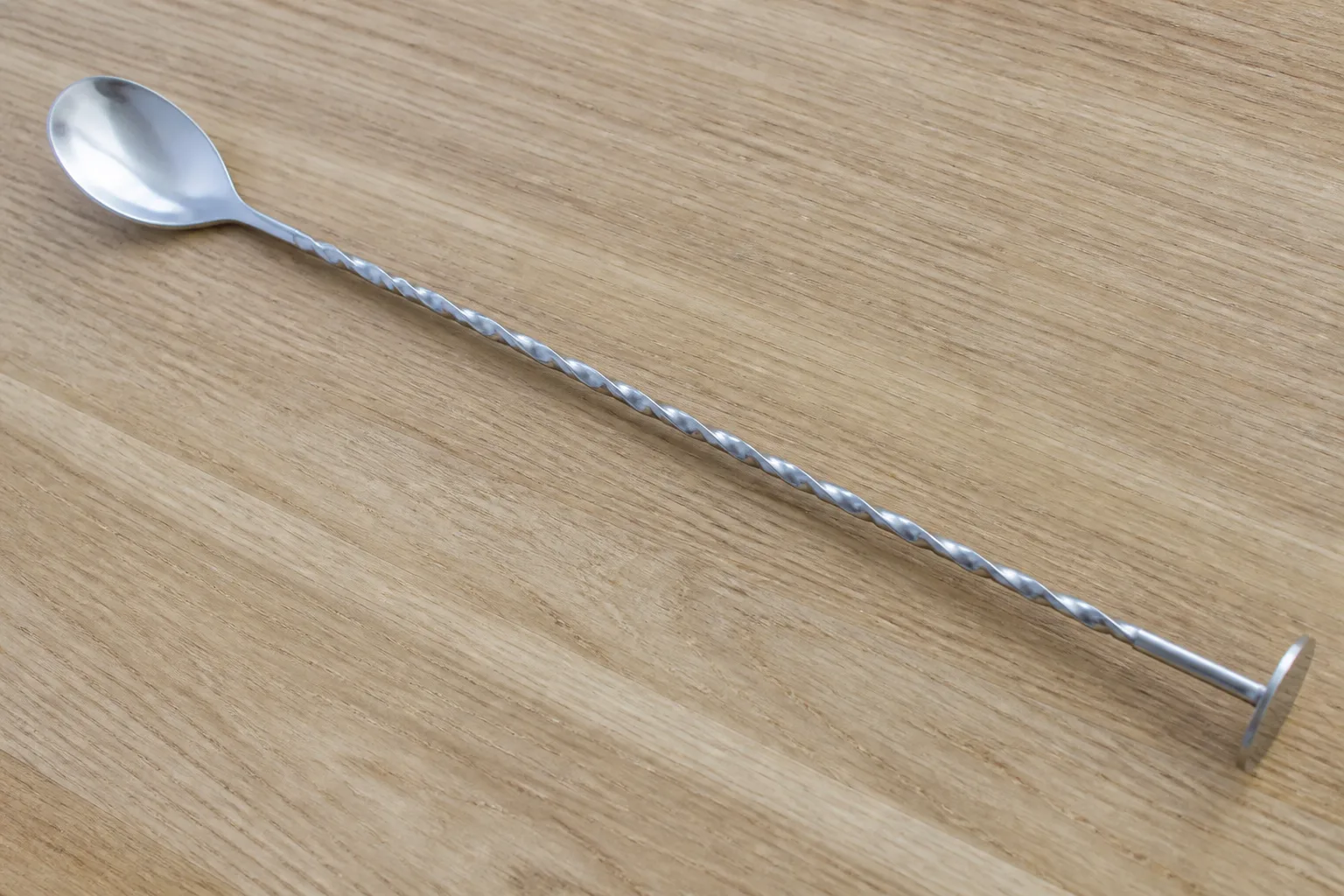
Barspoon
Stir, layer, and reach the bottom of the glass
05
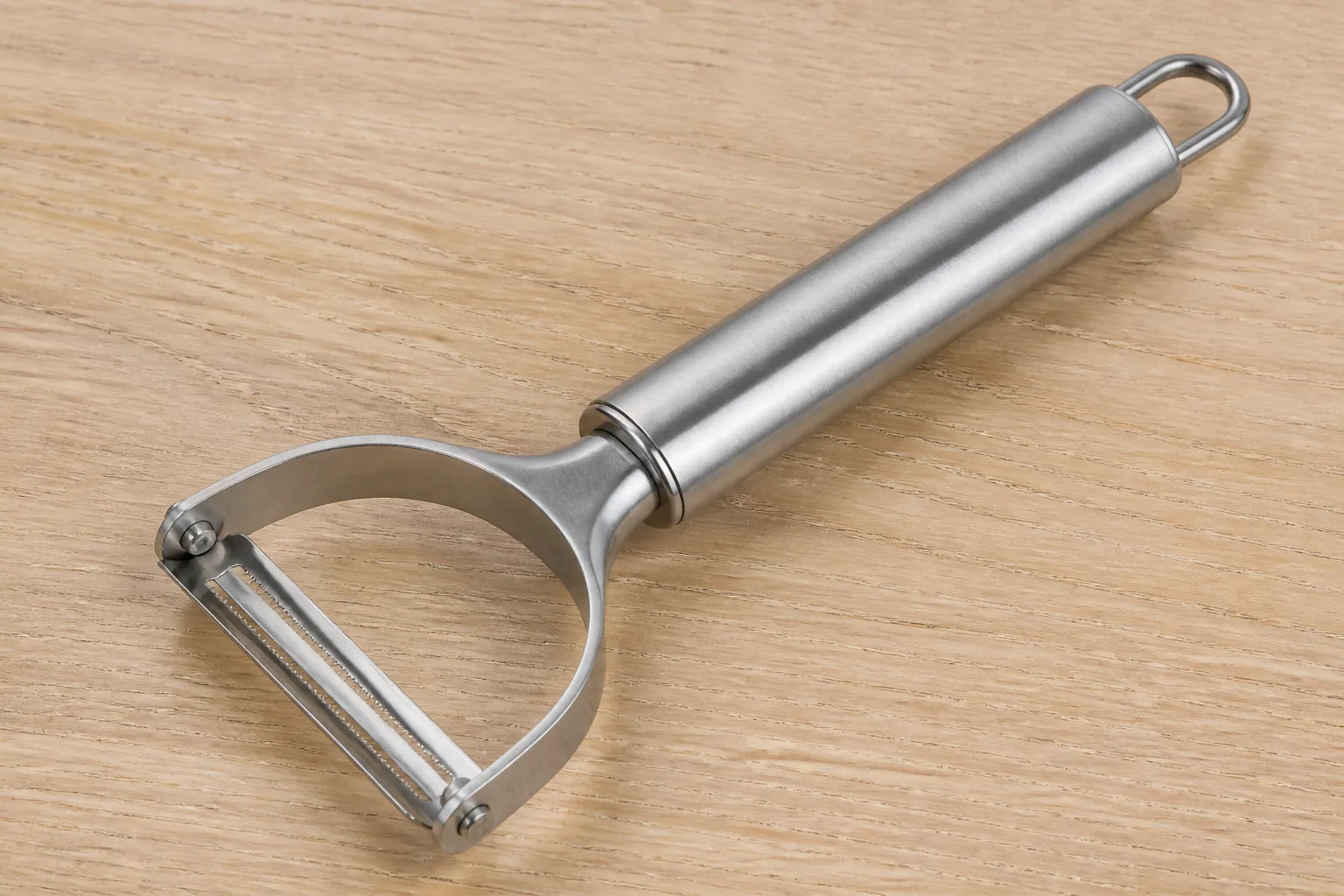
Peeler
Thin peels for garnish and express
You do not need a full bar cart to make serious drinks. A shaker (or jar with a tight lid), a Hawthorne strainer, a jigger, a barspoon, and a Y-peeler cover nearly every classic technique on MixWise.
Add a fine-mesh strainer when you start serving drinks “up.” That second strain keeps ice chips and pulp out of coupes and Nick & Noras — the difference between a jewel-clear Daiquiri and a watery one that keeps diluting in the glass.
02
Ice is an ingredient — treat it like juice
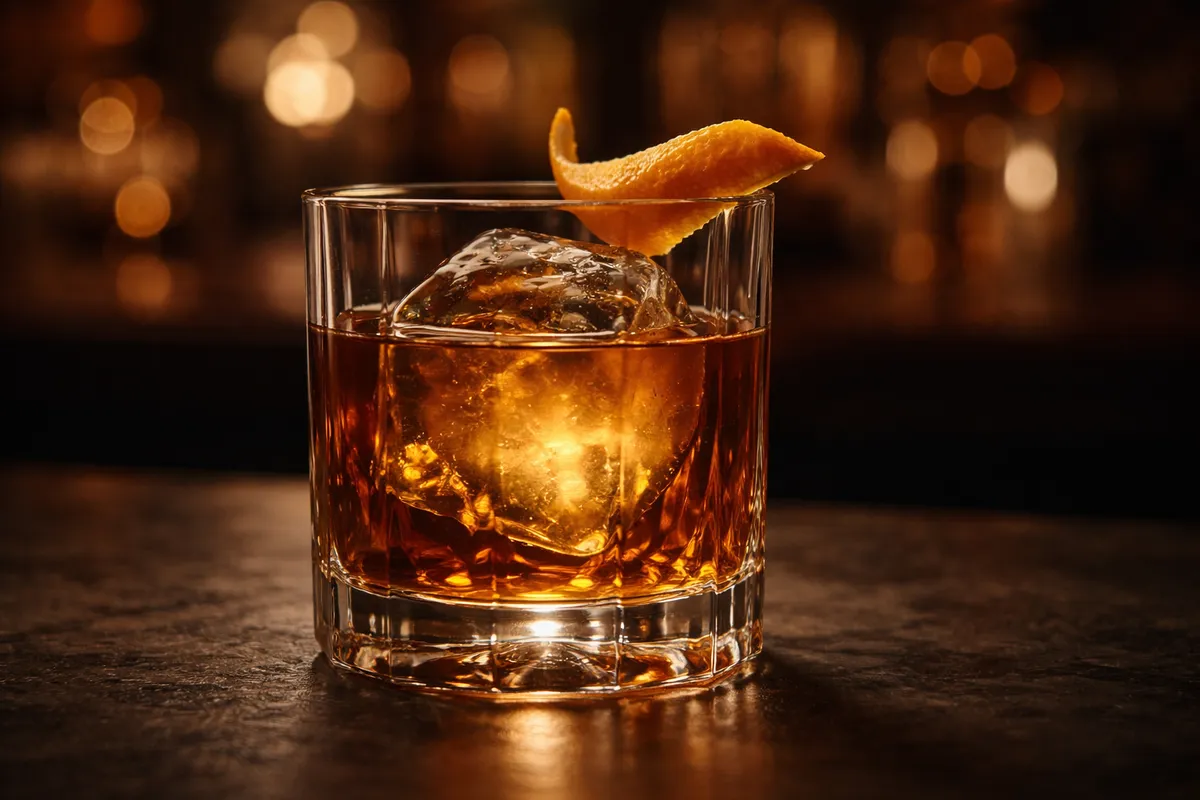
Clear, hard cubes chill and dilute predictably. Soft freezer ice dumps water before the drink is cold — that is why home Manhattans taste thin even when the whiskey is good.
Large dense cubes for stirred spirit-forward drinks. Packed ice for shakes and highballs. Crushed only for swizzles, juleps, and some tiki builds — not every tall drink. If your freezer ice is brittle, buy a bag of denser cubes for Manhattan night.
03
Fresh citrus changes everything
Bottled lemon and lime flatten sours. Squeeze to order when you can: roll the fruit, cut, juice, strain seeds. Underripe fruit and day-old juice are the usual “this recipe is wrong” culprits.
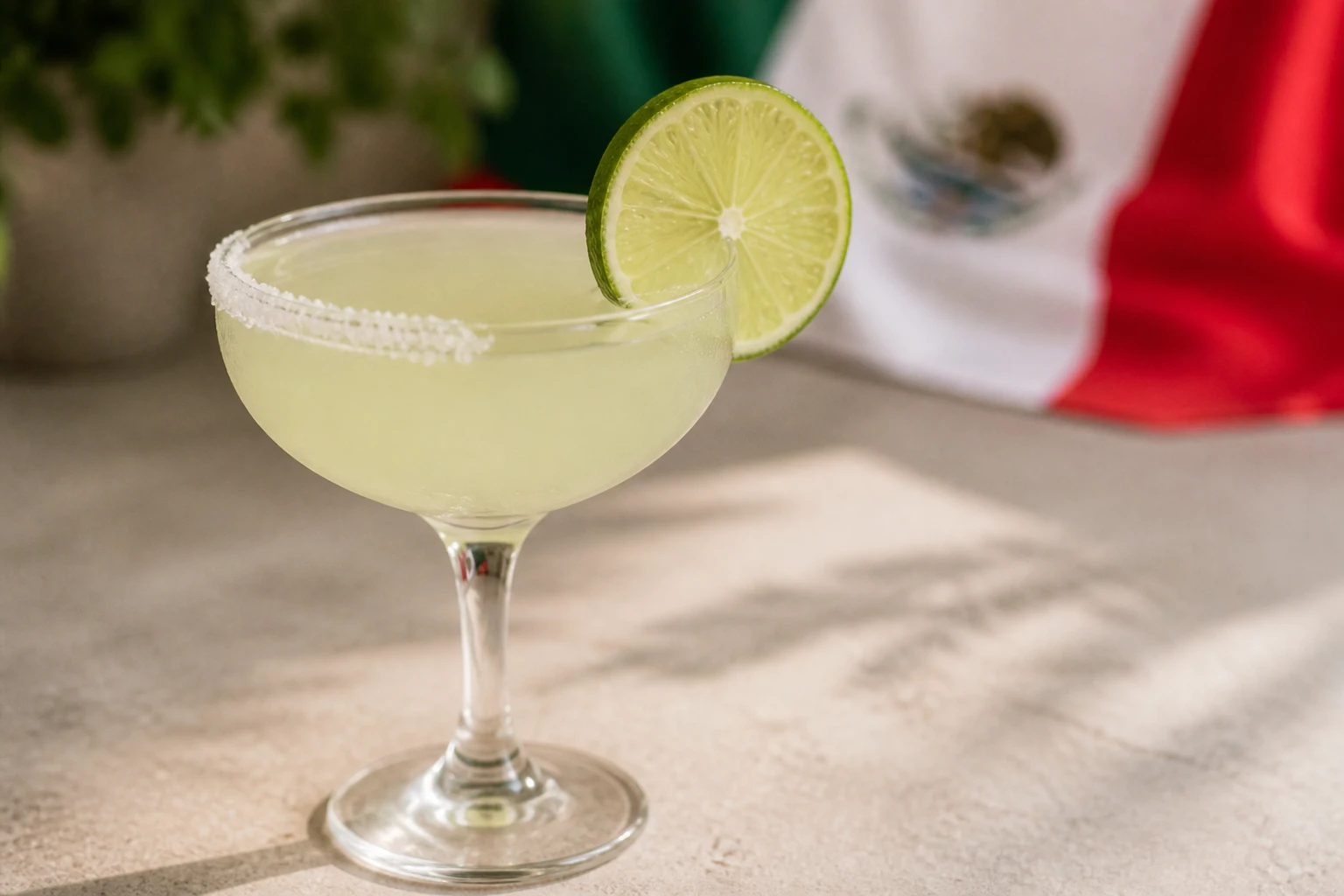
If a Margarita or Daiquiri tastes dull, check citrus before you blame the spirit. Aroma dies first; acidity hangs around pretending everything is fine.
Tip
A starter bottle list that actually covers the catalog
One London-dry gin (Beefeater or Tanqueray class), one vodka, one 100% agave blanco, one mixing whiskey you like neat (bourbon or rye), and a clean white rum cover a surprising share of MixWise.
Then: sweet vermouth (Carpano Antica or Cocchi class for Manhattans/Negronis), dry vermouth (Dolin class — fridge both), a dry orange liqueur (Cointreau-style), and Angostura. Add Campari when Negronis start. That set beats a seventh novelty liqueur.
A half-ounce swing in citrus or syrup can flip a sour from bright to flabby. Until your eye and pour are calibrated, a jigger is how you learn what balanced feels like — not pedantry.
Once you can taste a measured 2:1:1 Daiquiri and know it is right, free-pouring becomes a controlled choice. Build muscle memory on measured drinks first.
Tip
Glassware that earns its shelf space
Start with a rocks glass, a highball or Collins, and a coupe or Nick & Nora. Chill glassware for drinks served up — a warm coupe undoes careful shaking. Skip specialty shapes until a drink family you love actually needs them.
In the glass
Practice these
Read the drill, then make the drink once focusing on that cue — repetition beats another paragraph.