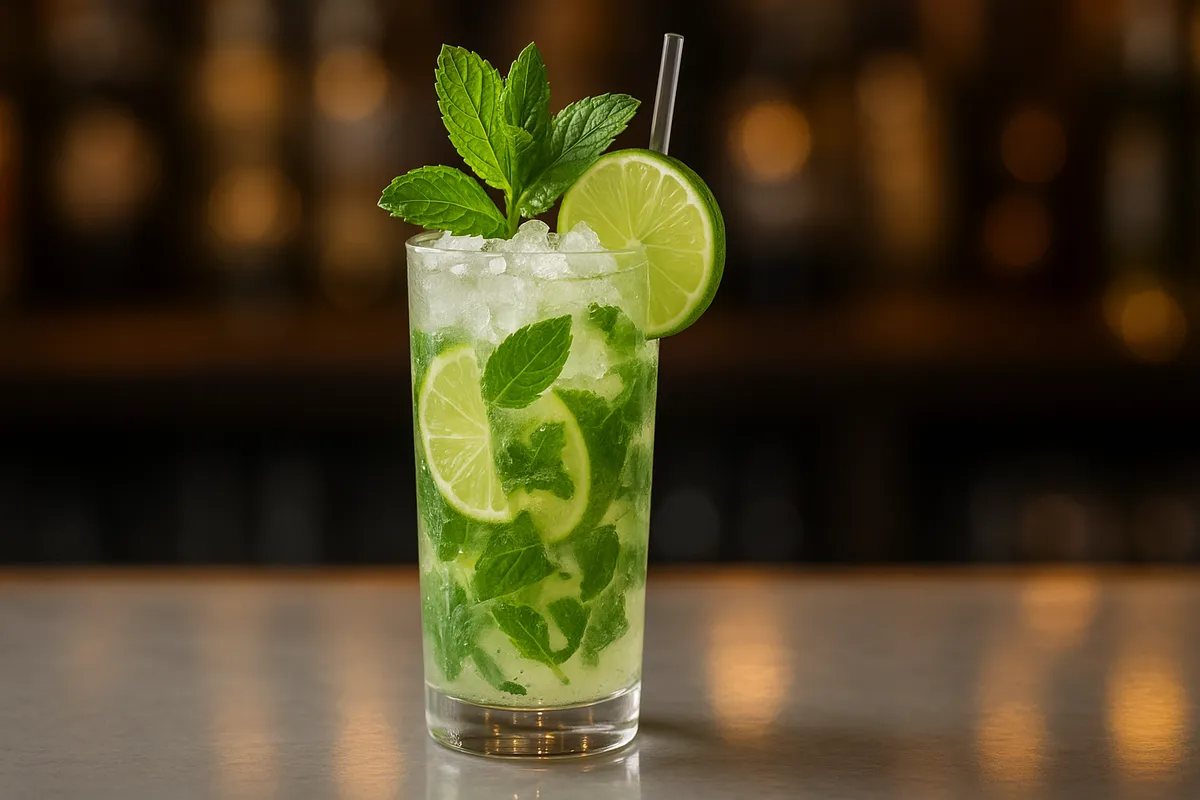
A few true stories explain why classics call for clean white, navy-weight rum, or a funky blend — not a timeline for its own sake.
The big idea
Rum history earns a place in Learn only when it changes what you pour.
01
Two chapters of the Daiquiri
History that changes what you pour
01
Two Daiquiri chapters
A camp sour, then a Havana bar that taught the shake
02
Havana years
Prohibition tourism popularized the drink — it did not invent lime and rum
03
Navy weight
Proof that holds ginger and sugar — not a gunpowder campfire story
04
Cane and molasses
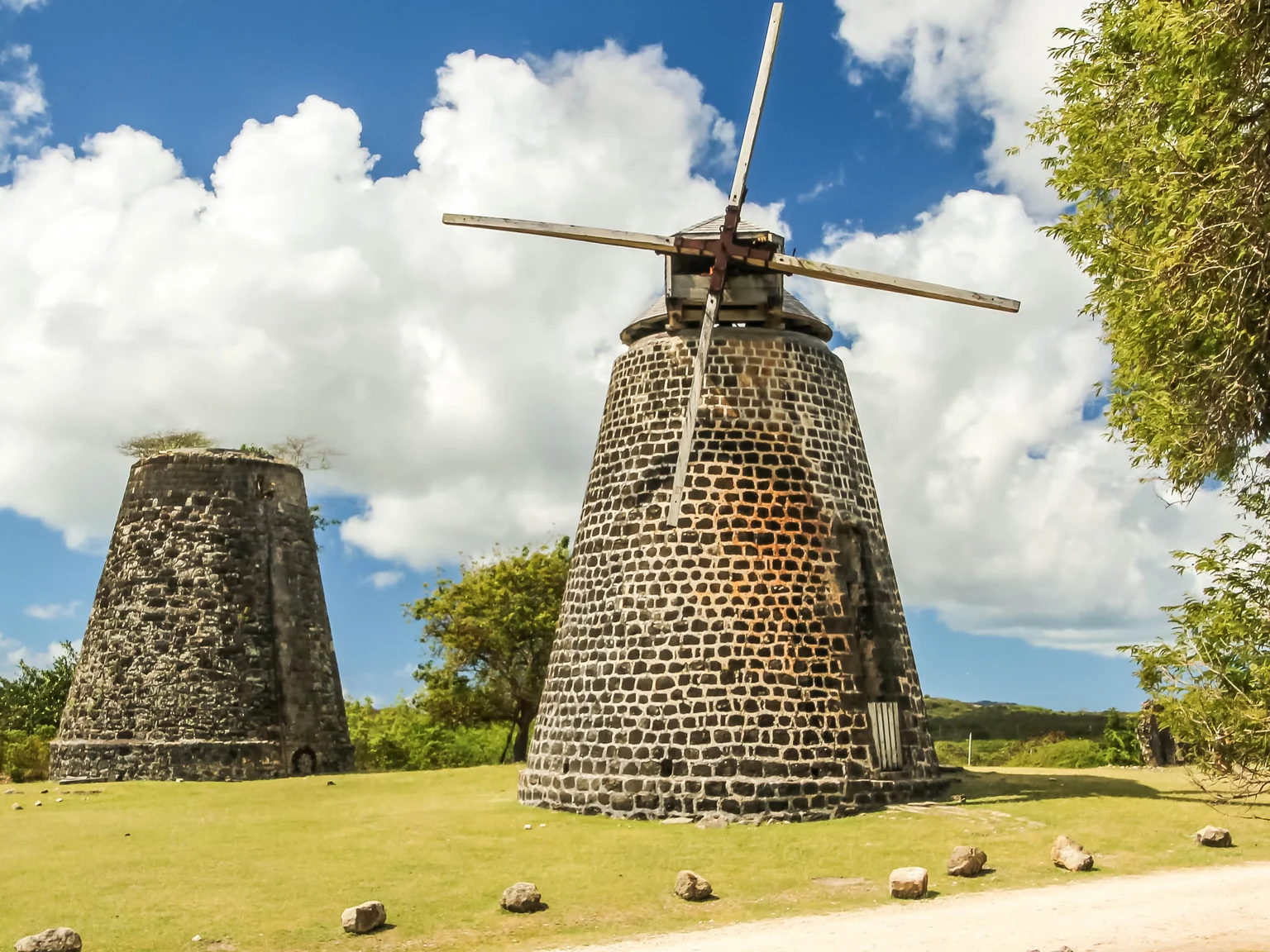
Mills crushed cane for sugar. Molasses was left to ferment. This is the sugar economy — not a tasting note, and not a brand.
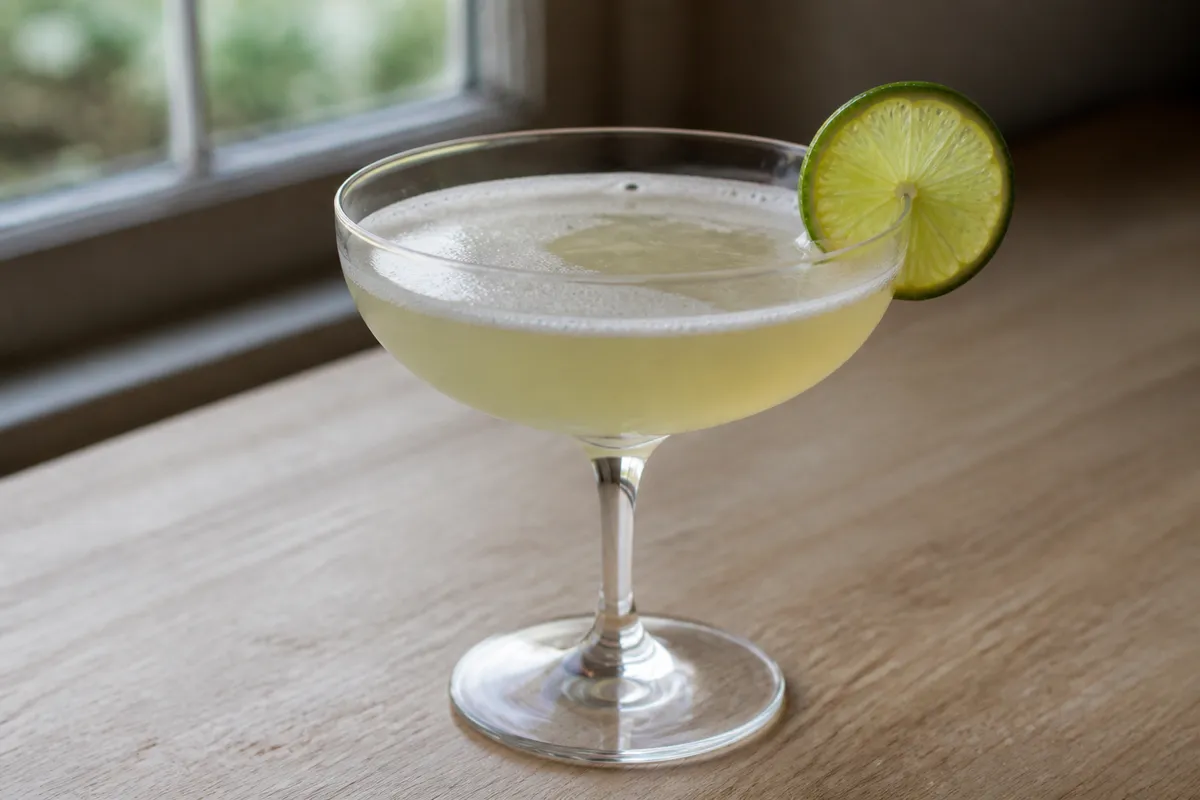
The usual documented start is Jennings Cox, an American engineer near the Daiquirí mines in Cuba, around the turn of the twentieth century: rum, lime, and sugar as a practical sour. Later retellings fill in details the contemporary record does not always lock down. The template is what survived.
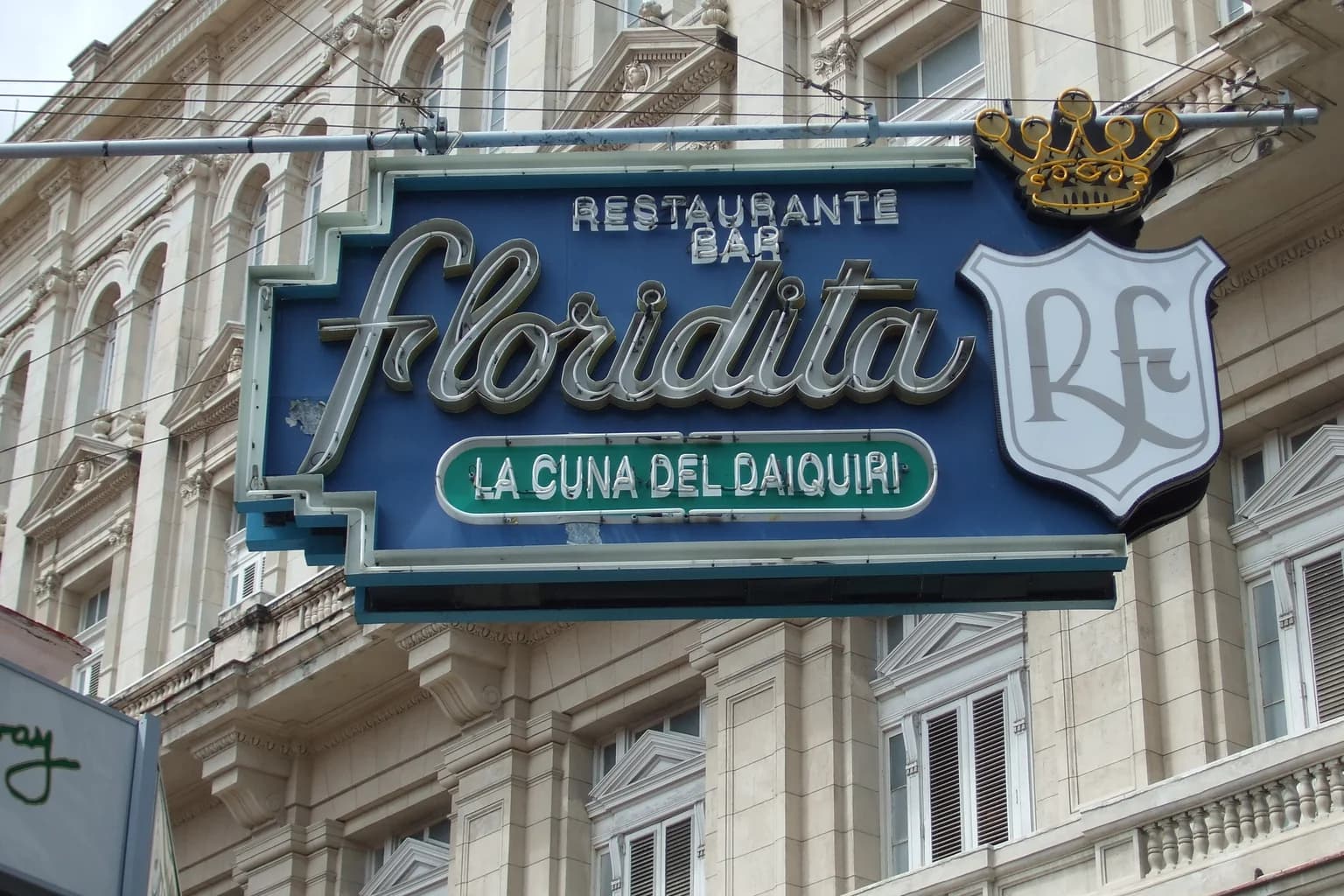
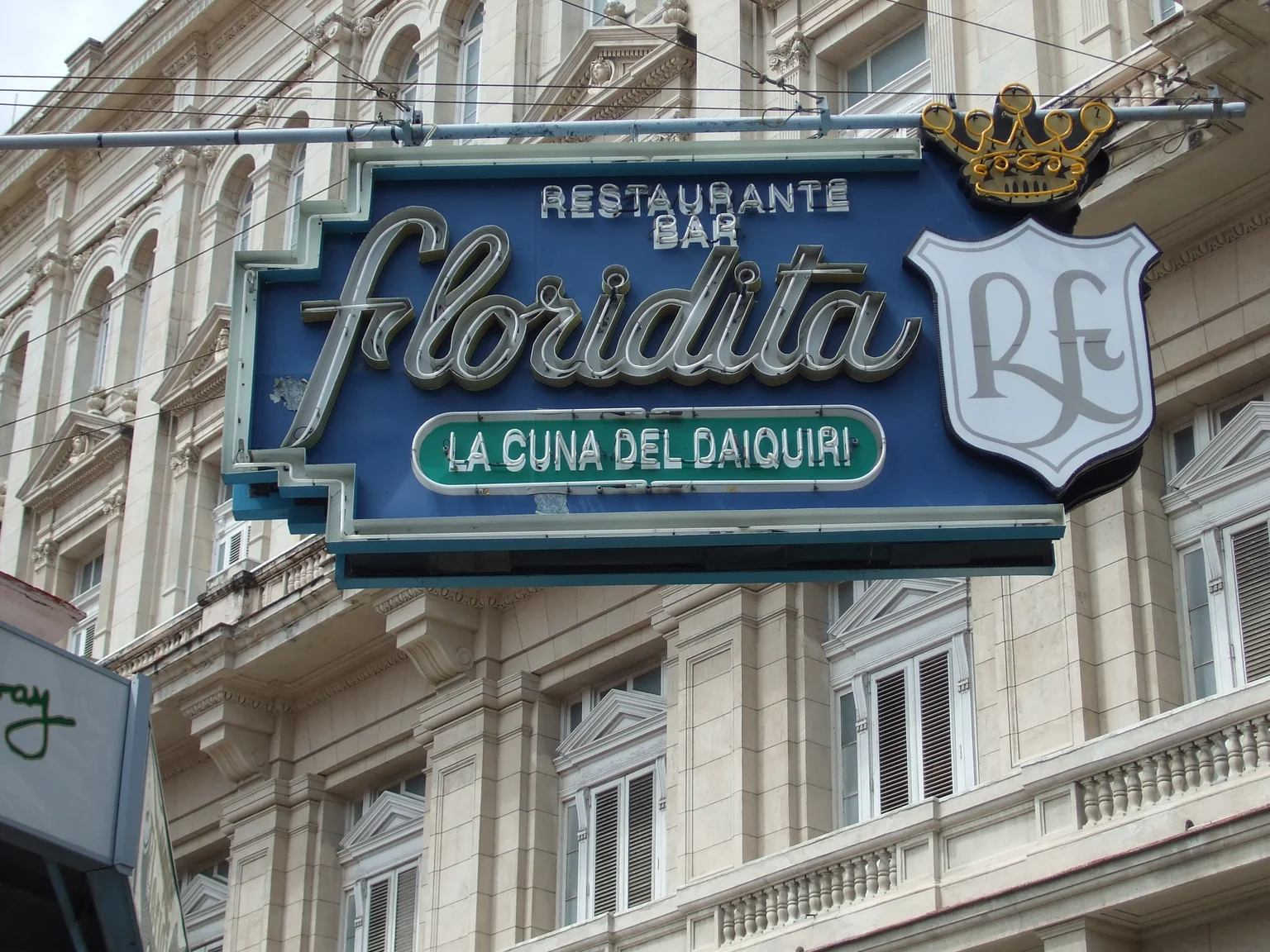
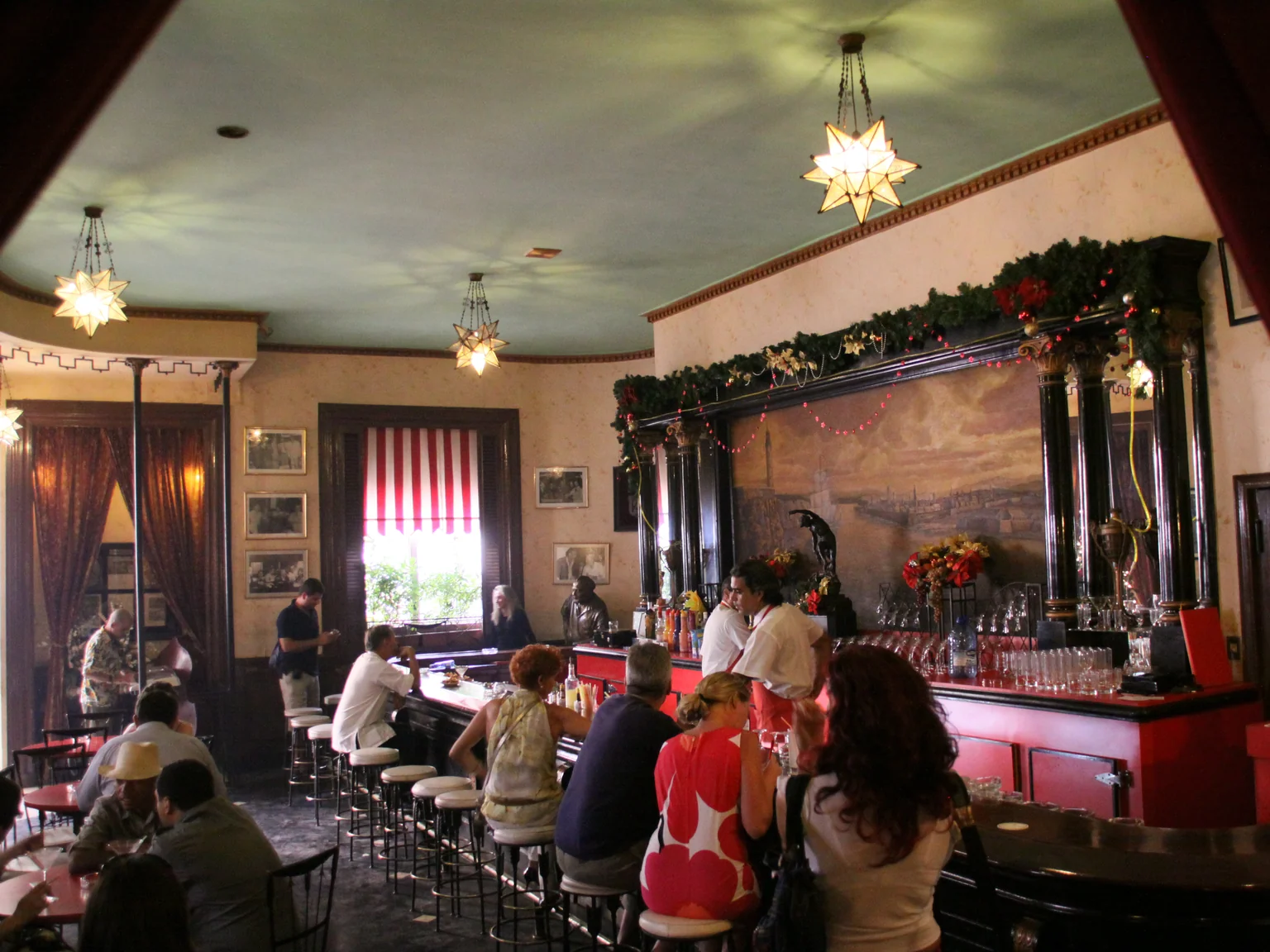
Constantino Ribalaigua Vert at El Floridita did not invent lime and rum. He refined the shake, the freeze, and the service until the Daiquiri became a house signature. Cox is the usual cited start; Floridita’s role in popularizing the shaken Daiquiri is on firmer ground. Separate those two chapters when you choose a bottle: clean rum, bright lime.
02
Prohibition tourism, carefully
When the United States went dry, Havana was wet. Americans drank at Floridita and elsewhere, then brought the sour home in memory and in print. The drinks that traveled were the ones that could be made again.
Hemingway drank there. That is documented nightlife, not authorship. He did not invent the Daiquiri.
03
Navy strength still matters
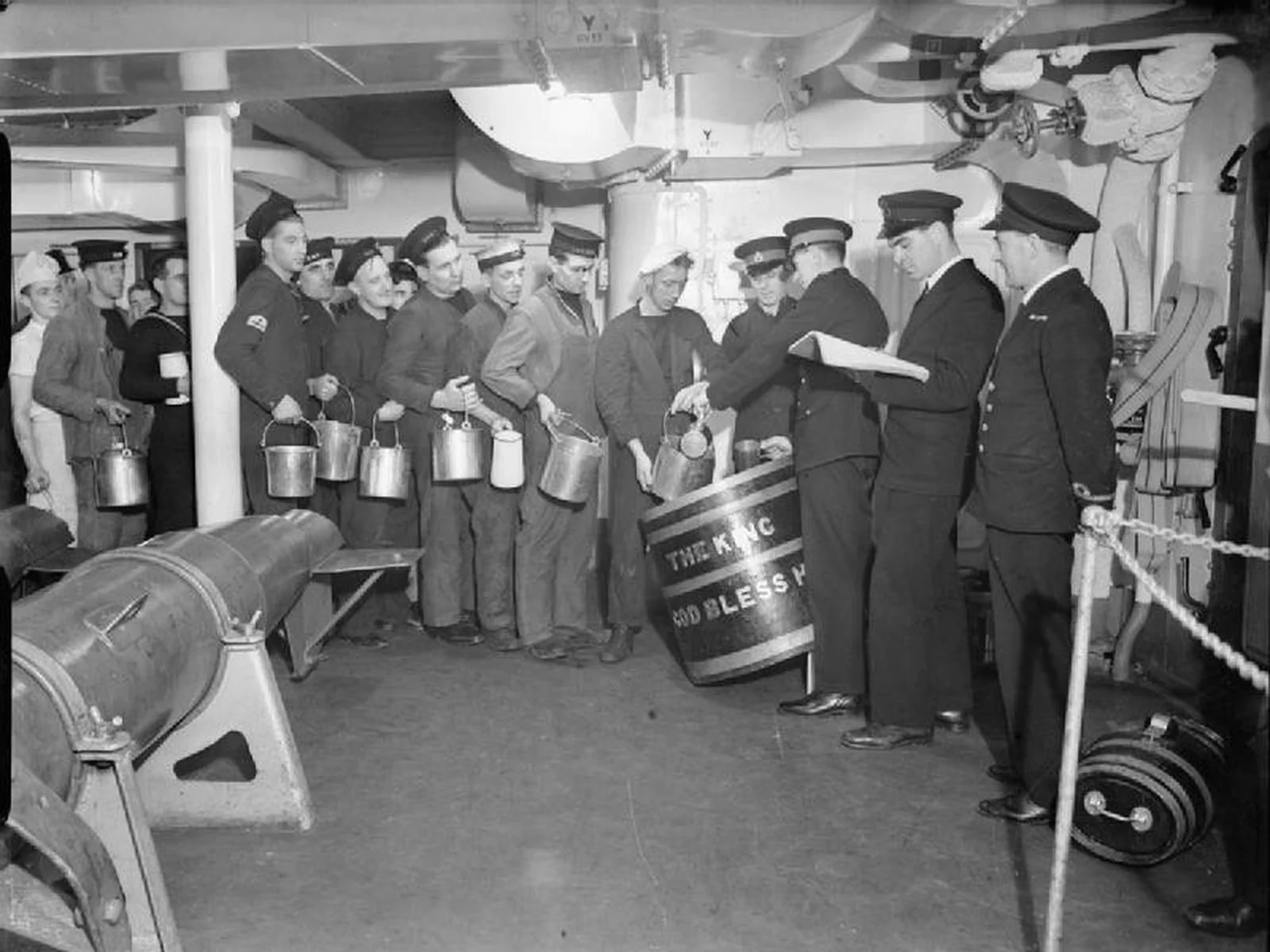
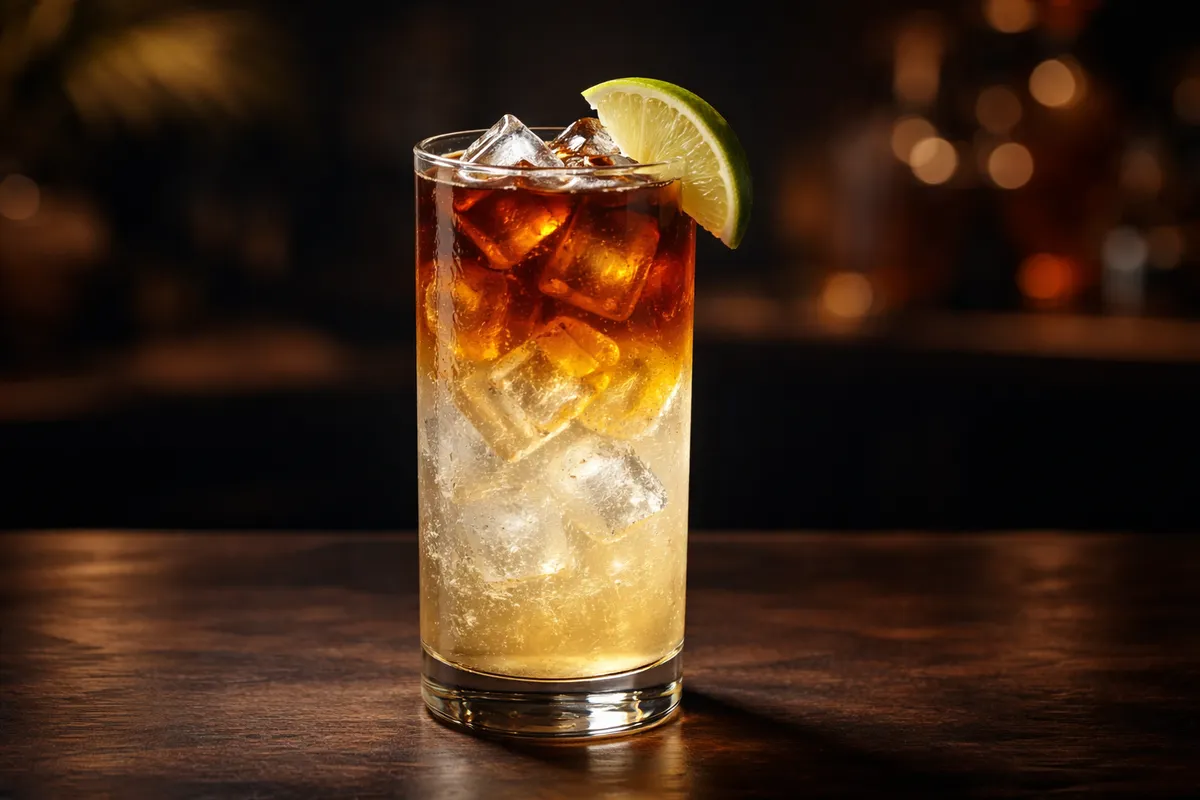
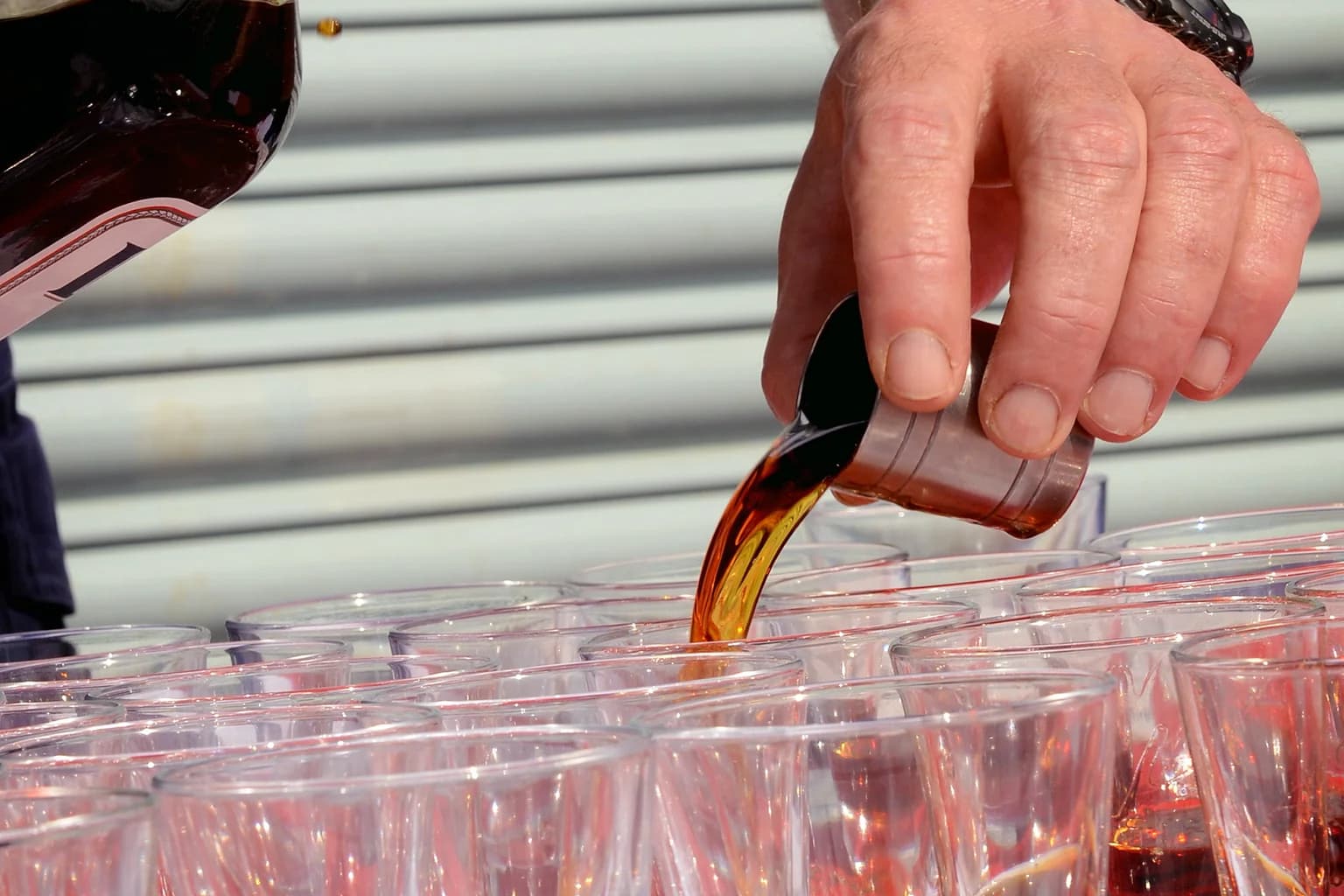
The Royal Navy issued rum for centuries. The useful leftover is strength: modern shelf “navy strength” usually sits near 57% ABV (100° British proof) — a marketing and tradition cue, not a protected rum category — and holds ginger, sugar, and ice without going thin. The historical navy tot was about 54.5% ABV — different number, same lesson that underproof rum disappears in a highball.
The story that gunpowder would still light if the rum was strong enough is folklore around that older proof system. Use the proof. Don’t treat the legend as a tasting method.
04
Jamaica punch and tiki blends
Jamaican pot-still rum was built to carry across a punch bowl — high aroma, high ester, not a shy backbone. Smith & Cross is the usual modern bottle for that job — not a silent Daiquiri swap.
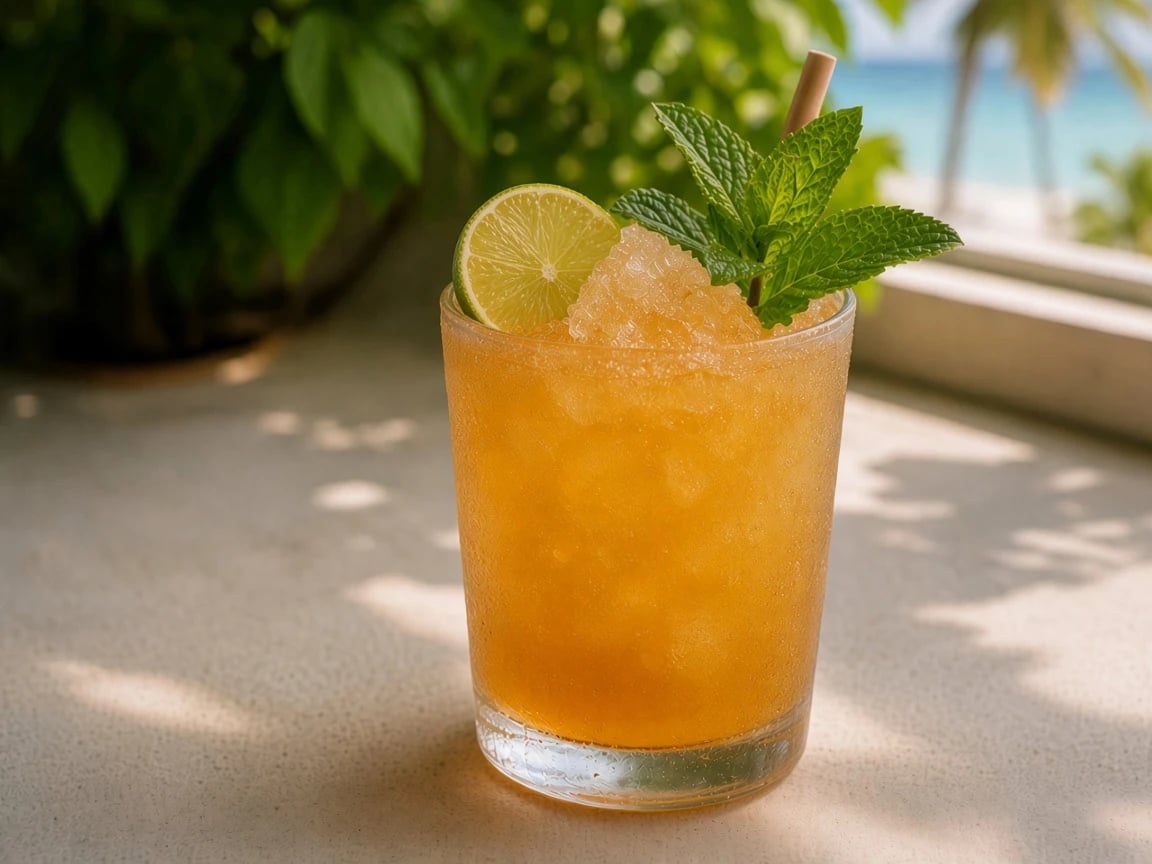
Mid-century tiki treated rum like a kitchen: blend a clean or aged frame with a funky fraction. The Mai Tai is that idea in a rocks glass — today’s blends are usually a reconstruction after the original single aged Jamaican rum Trader Vic used became hard to buy in the same form.
Tip
Why island styles diverged
Islands that refined sugar had molasses to ferment. Places that distilled juice kept a grassy agricole character. Column stills later made clean mixing rum at scale.
That is why a supermarket “white rum” and a Martinique blanc are not silent swaps — the sugar economy showed up in the glass.
06
Common mistakes
A dark bottle poured because of the Hemingway story → use a clean mixing white and shake hard.
Navy rum treated as any dark bottle → use ~57% ABV with real body that holds ginger, not a darker tint.
One tiki-blend bottle in the Mai Tai → start with an aged frame, then add a Jamaican fraction until the lime still reads.
In the glass
Practice these
Read the drill, then make the drink once focusing on that cue — repetition beats another paragraph.