100% de agave, CRT aging words, and NOM — what Mexican law puts on the label, and what a Margarita actually needs.
The big idea
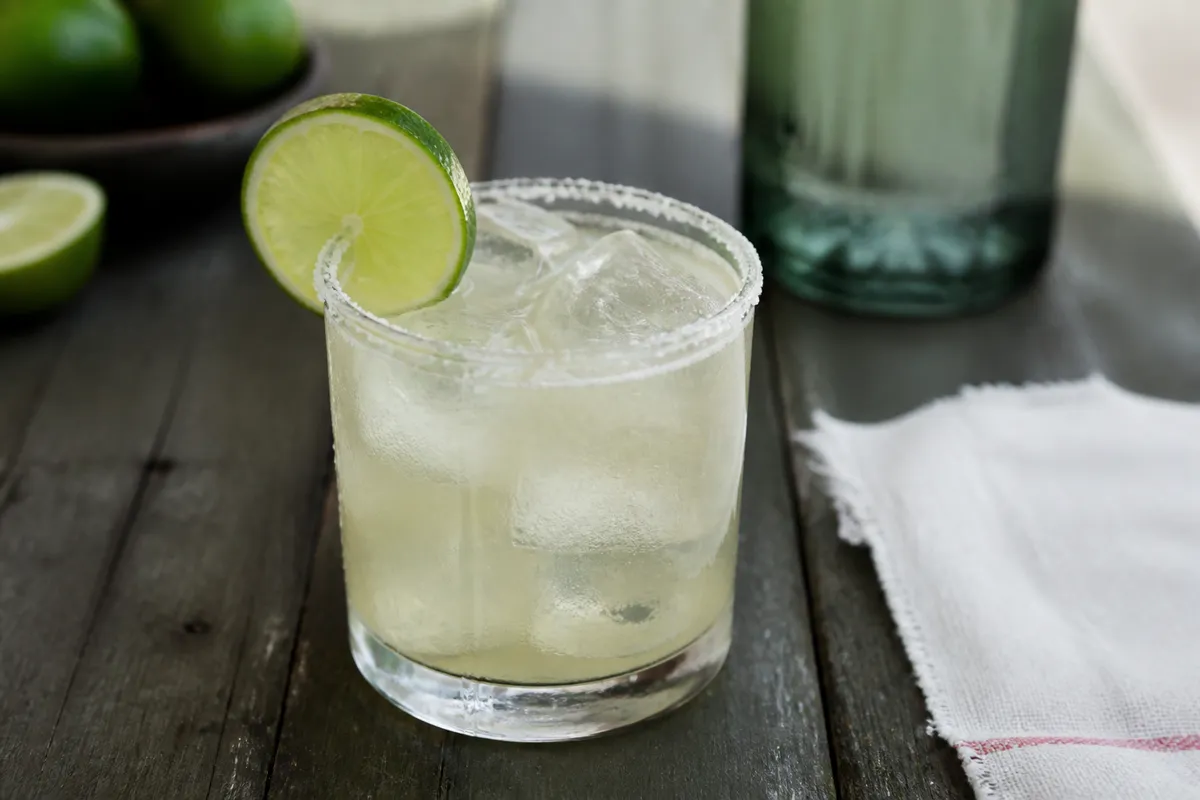
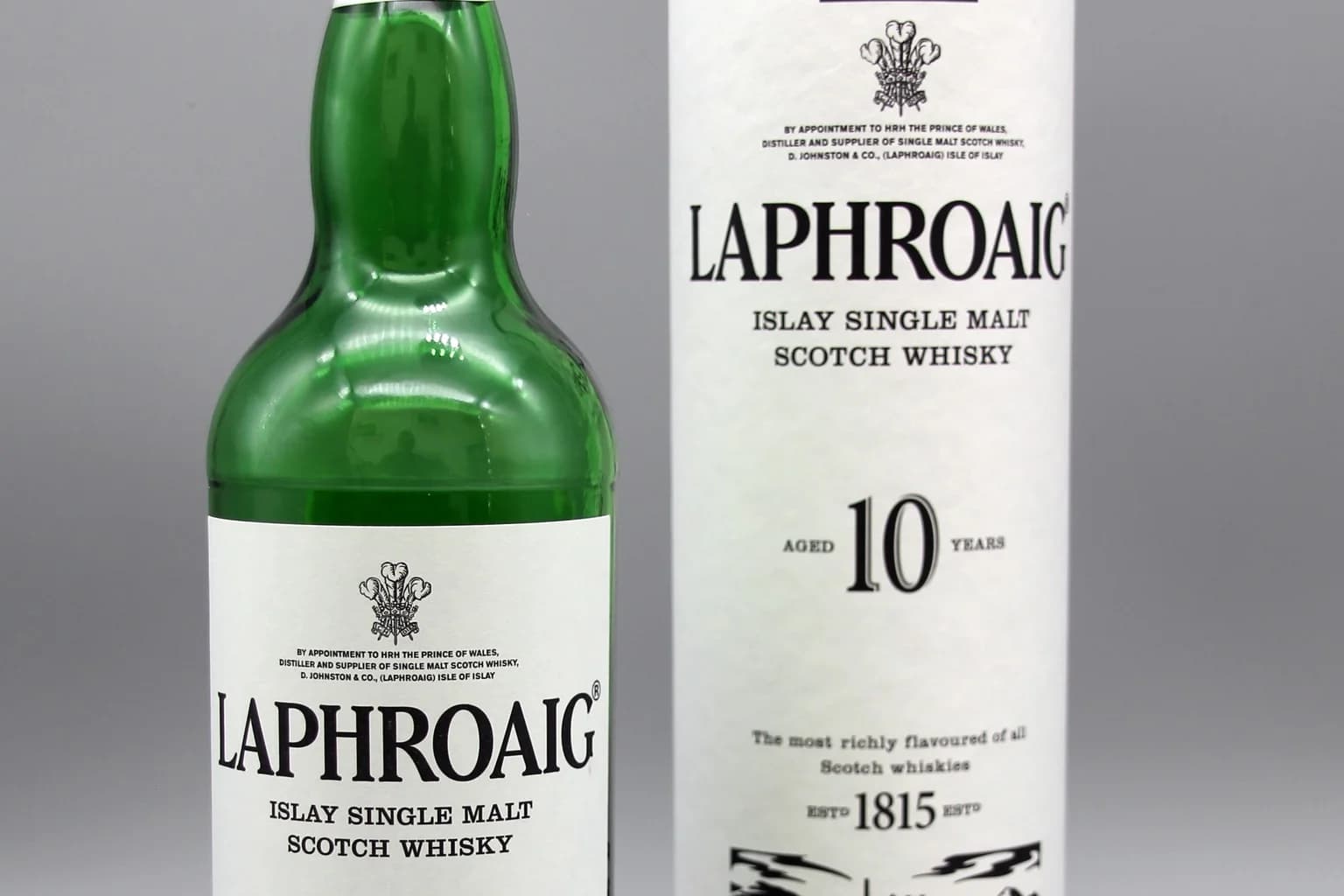
Flip the bottle for “100% de agave” and a NOM. Mixto tastes flatter in lime-heavy sours before salt or ice can save it.
Keep these
4 things to remember
01
100% de agave = all fermentable sugar from agave; mixto allows up to 49% other sugars.
02
CRT aging: blanco, reposado, añejo, extra añejo — oak time with legal minimums.
03
NOM identifies the producer — useful traceability, not a quality score.
04
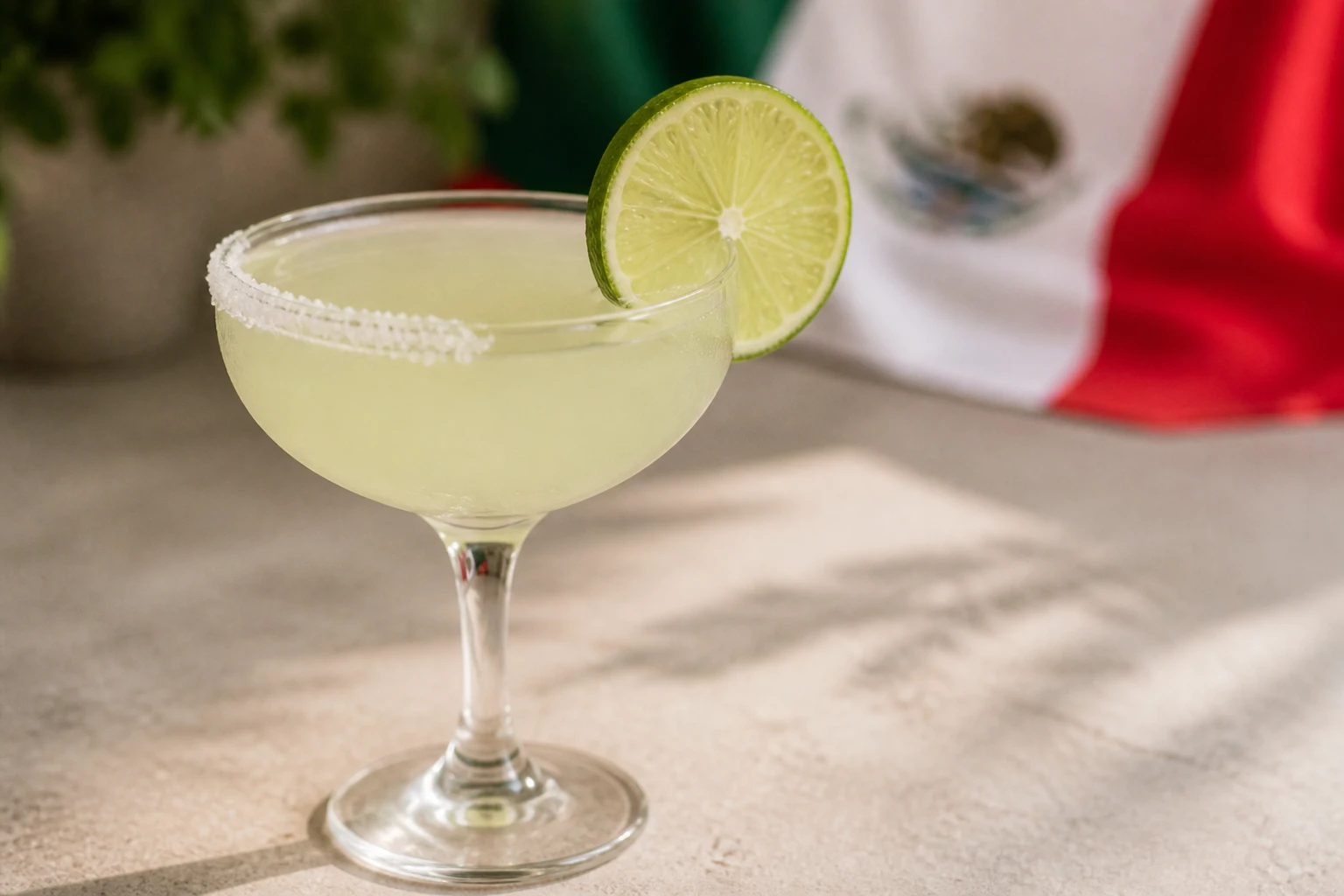
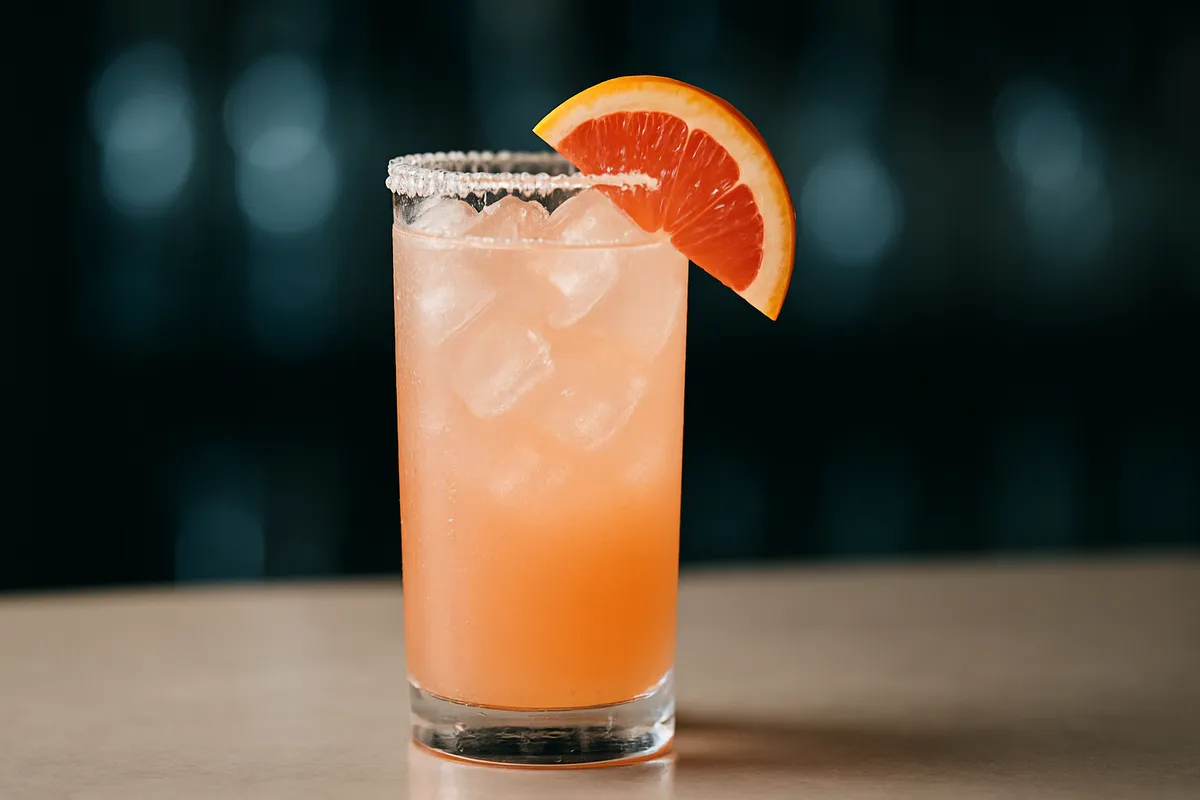
Margaritas and Palomas want blanco (or restrained reposado); añejo is a different template.
The rule
The four lines that matter most
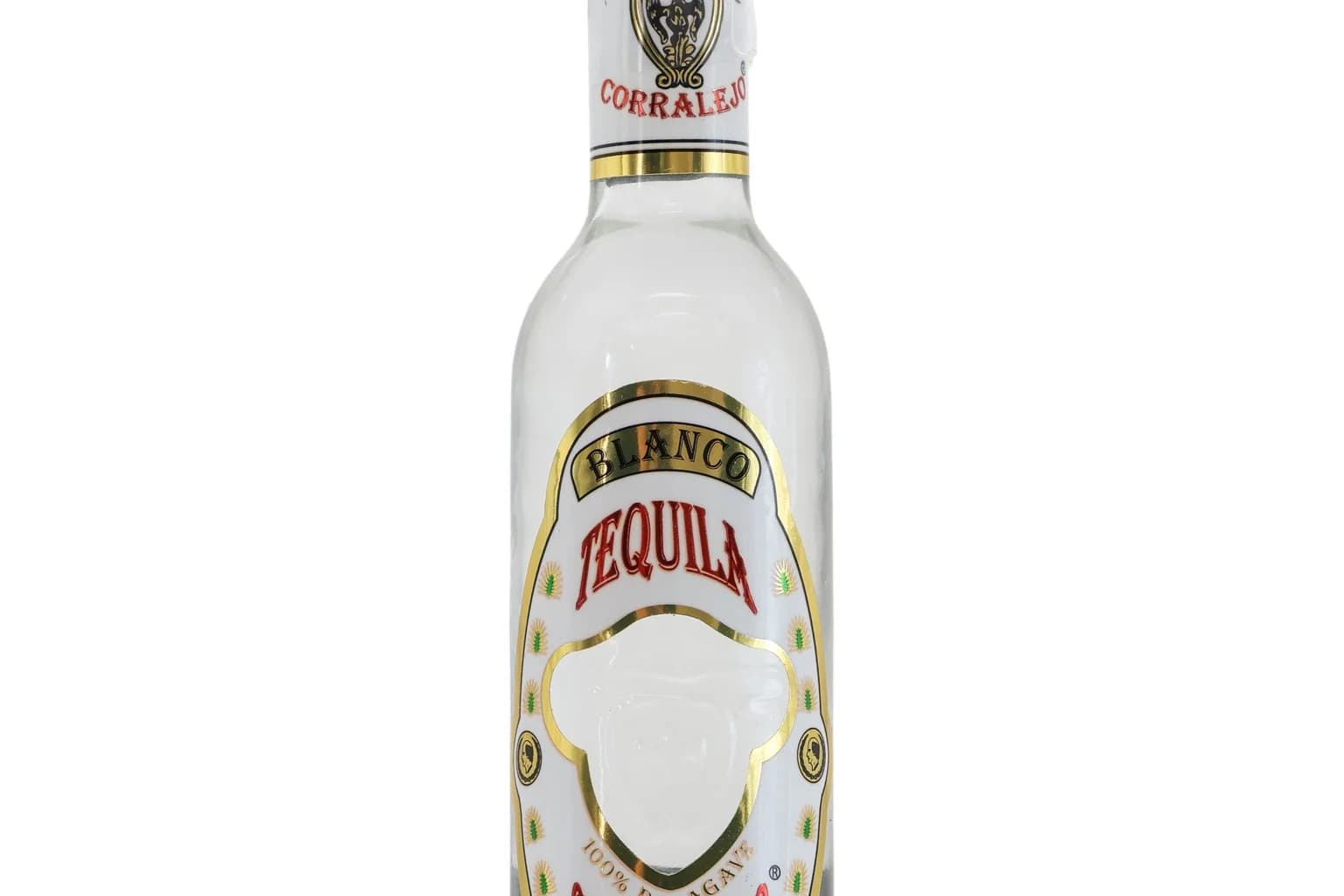
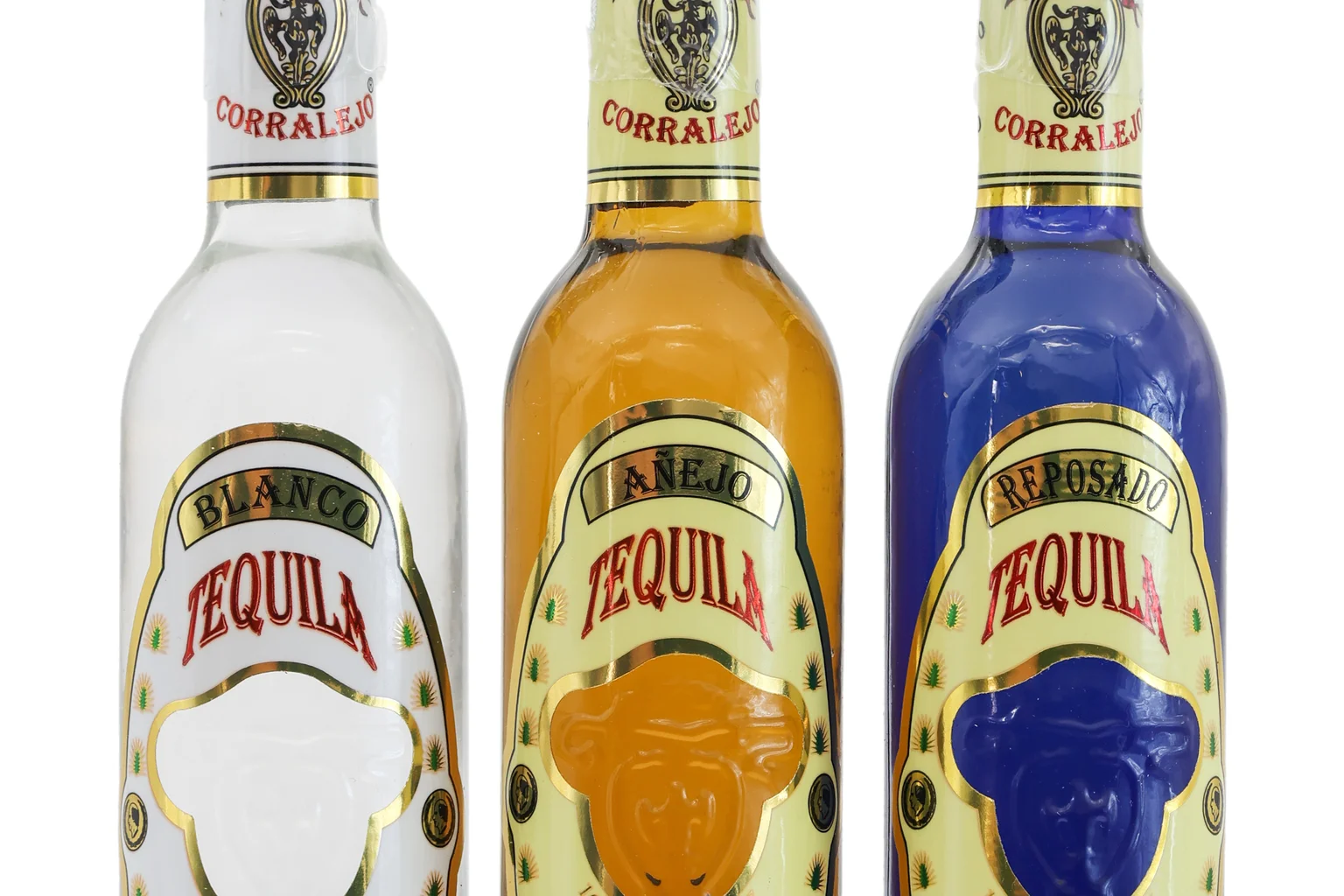
CRT aging words on one brand — blanco, reposado, añejo
01
Blanco · reposado · añejo
Same brand, three legal aging tiers — oak time, not just color
02
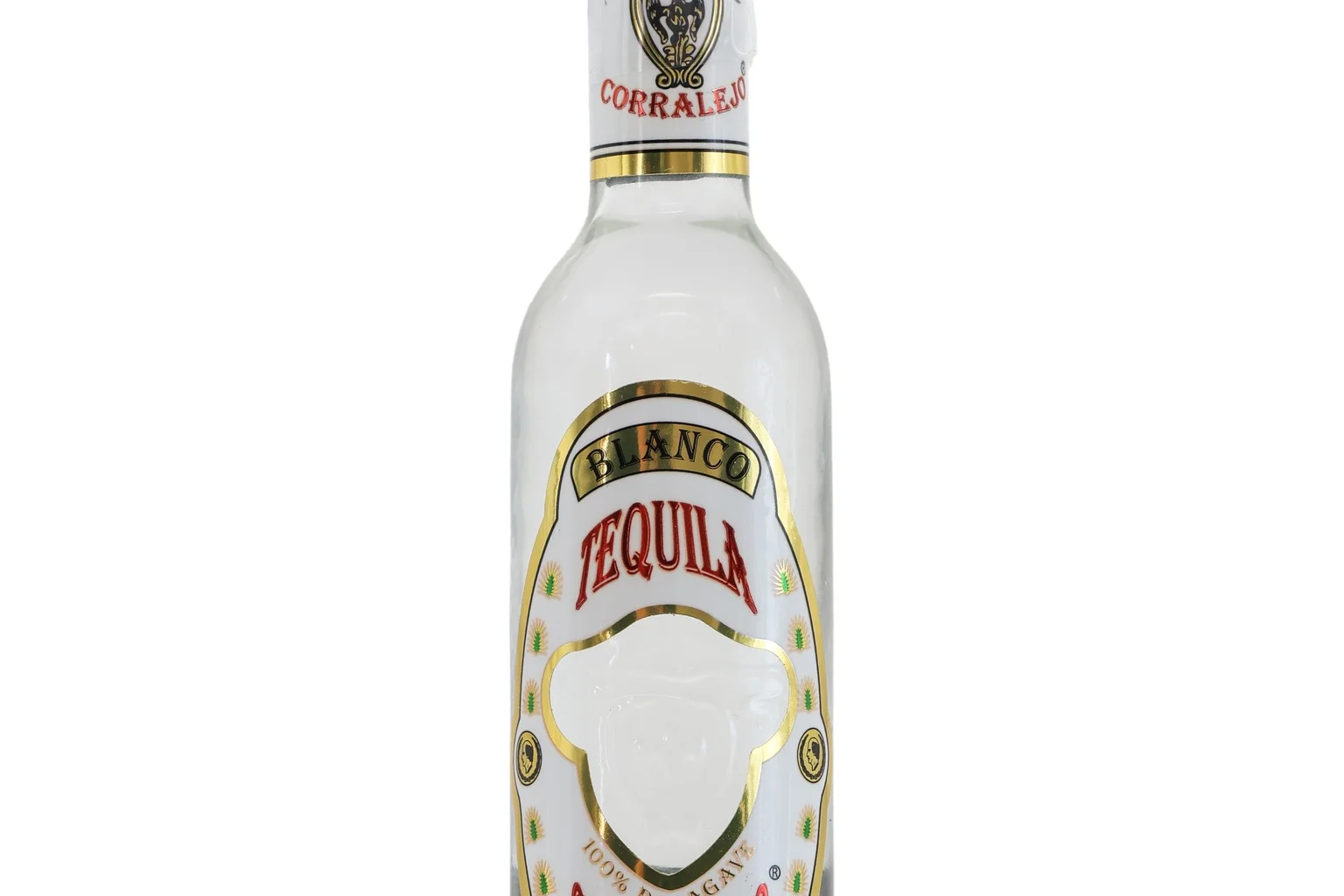
100% de agave
The purity claim a Margarita needs — below the CRT word
1) Tequila: “100% de agave.” Mezcal: the word mezcal plus CRM/NOM marks — certified mezcal is already 100% agave; then note category (mezcal / artesanal / ancestral), class (usually joven), and species (Espadín for cocktails). 2) Aging class — tequila CRT words (blanco, reposado, añejo, extra añejo); also watch joven/oro gold bottles, which may be colored or flavored without real oak time. Mezcal uses CRM classes (no extra añejo). 3) NOM #### on tequila is the CRT distillery ID for that bottle — not the Norma Oficial Mexicana text (NOM-006) itself. 4) Denominación de origen / Hecho en México — geography rules, not a quality score.
Skip front-label medals until those four check out for cocktail bases.
02
100% agave vs mixto
Margarita tastes flat and candy-sweet → flip for “100% de agave”; mixtos (as little as 51% agave sugars) flatten lime before salt helps.
Bottle only says “tequila” with no 100% claim → assume mixto unless the back label proves otherwise; NOM alone is not enough.
03
CRT aging categories (tequila)
Oak time changes what the bottle can do
Blanco
< 2 mo
Reposado
2–12 mo
Añejo
1–3 yr
Extra
3+ yr
Blanco: unaged or <2 months rest. Reposado: 2 months–1 year in oak. Añejo: 1–3 years. Extra añejo: >3 years. Oak adds vanilla and roundness — it also mutes fresh agave snap. Joven/oro (“gold”) is a different shopping trap: it can be blanco with color or additives, not a real aging class like reposado.
Margaritas and Palomas want blanco or restrained reposado. Añejo tequila in a sour is an Old Fashioned mindset — less lime sweetness, more spirit-forward balance.
Tip
Mezcal labels — species and process
Mezcal labels may list agave species (Espadín, Tobalá, etc.) and production (ancestral, artesanal, mezcal). Pit-roasted agave brings smoke phenols — not every mezcal is heavily peated in style, but tradition leans smoky.
Espadín is the volume workhorse for cocktails. Wild or single-village agaves can be stunning neat and loud in equal-parts drinks.
05
NOM and additive transparency
NOM ties a bottle to a permitted distillery — helpful when you find a house style you trust. It is not a rating, and the NOM number on the label is not the Norma Oficial Mexicana text itself.
Some tequilas use permitted additives (abocantes) for smoothness or flavor in joven/oro and oak-aged classes — not in blanco/plata. If a blanco tastes like vanilla candy or perfume, suspect mislabel, brief oak rest, or other flavoring before blaming your lime. Additive-free or traditionally made bottlings often shine in Tommy’s-style specs.
Tip
Denomination geography, briefly
Tequila’s denomination covers specific Mexican states with blue Weber agave. Mezcal has its own map (Oaxaca heartland plus other permitted regions). “Hecho en México” on authentic bottles reflects export and CRT compliance — not generic Latin branding.
Tip
When reposado or añejo makes sense on the label
Oak-aged tequila for stirred, spirit-forward builds (reposado Old Fashioned riffs) or slow sippers. Not default for bright Margaritas — the label age word tells you which template to use.
In the glass
Practice these
Read the drill, then make the drink once focusing on that cue — repetition beats another paragraph.