Single malt vs blend, age statements, and peat intensity — how to buy Scotch for Rob Roys, highballs, and Penicillins.
The big idea
Scotch labels describe how it was built — malt vs grain, blend vs single distillery, youngest age — not a quality score. Match that to the drink.
Keep these
4 things to remember
01
Blended Scotch is the cocktail workhorse; single malt is one distillery’s fingerprint.
02
Age statement = legal floor (youngest whisky), not a score or an average.
03
Regions hint at peat and fruit; they are not legal quality tiers.
04
Float peated malt on a Penicillin — don’t shake a full pour unless smoke is the point.
The rule
Category words on Scotch labels
Category, age, and region on one bottle
01
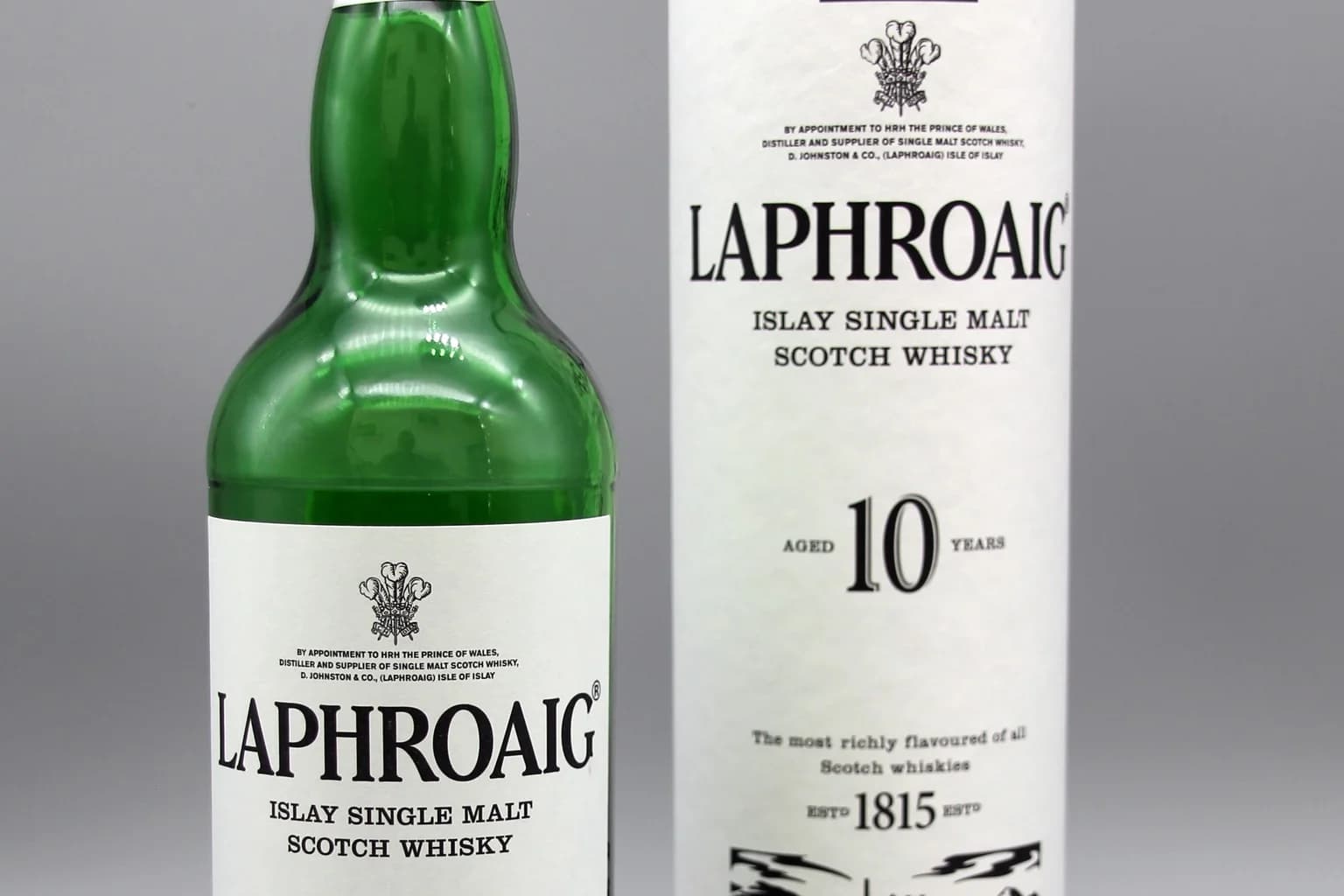
Single malt · 10 Years · Islay
How it was built, the age floor, and a peat-region hint — three different claims
Single malt Scotch whisky: one distillery, malted barley, pot stills. Blended Scotch whisky: malt and grain whiskies from multiple distilleries — the usual cocktail workhorse. Blended malt Scotch (sometimes still called vatted malt) is all malt from more than one distillery — Monkey Shoulder is a bartender favorite in that class.
Single grain Scotch is whisky from one distillery that is not single malt — often other cereals and usually column stills, though the law does not require a column. None of these words rank quality; they describe how it was built.
02
Age statements and NAS
If the label says 12 Years, every drop in the bottle is at least 12 years old. Older whisky can be blended in; younger cannot. Think of the number as a legal floor, not a score or an average of cask ages.
No age statement (NAS) Scotch is legal and common. Producers may use younger stock with creative cask finishing. Taste for cocktails; do not assume NAS means cheap.
Tip
Regions, peat, and flavor hints
Islay, Speyside, Highland, Lowland, and Campbeltown are legally protected Scotch localities and regions under the Scotch Whisky Regulations 2009 — they tell you where the whisky was distilled. They do not guarantee peat level or quality. Islay malts often carry smoke; Speyside and many Highlands lean fruit and malt — useful stereotypes, not law. Always taste.
Some producers publish phenol ppm for the malted barley before mashing; that is not a direct measure of smoke in the bottled whisky. For cocktails, think aroma intensity: float peated malt on a Penicillin, do not shake a full pour unless you want smoke as the main ingredient.
04
Blended for cocktails, single malt for character
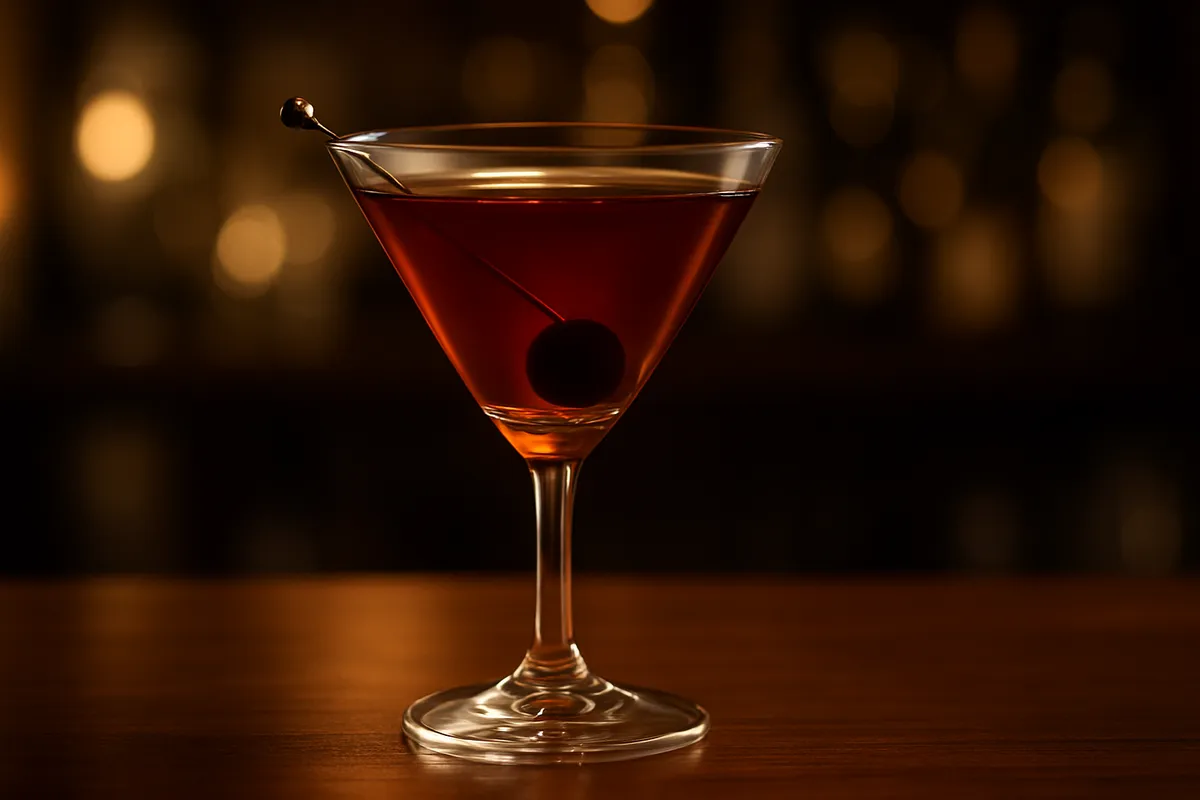
Rob Roy, Scotch highball, Blood and Sand (with Scotch in the family): blended Scotch keeps balance. Single malt shines when the recipe names it or when you want one distillery’s fingerprint.
Finished Scotch (sherry cask, port cask) reads on the label — wine notes can clash with vermouth or amplify it. Know which you are buying.
05
Spelling and export labels
Bought by whiskey/whisky spelling → ignore the e; read single malt vs blend, age statement, and peat intensity for the drink.
Peated Islay poured as a silent bourbon swap in a Sour → smoke fights lemon; use peat as a float/rinse or pick a different template.
Tip
Why blends dominate the back bar
Blended Scotch exists because column-still grain whisky adds lightness and volume while malts add flavor — intentional recipe design. Famous blends are not “lesser” whisky; they are different engineering for consistency and highballs.
Tip
Penicillin label strategy
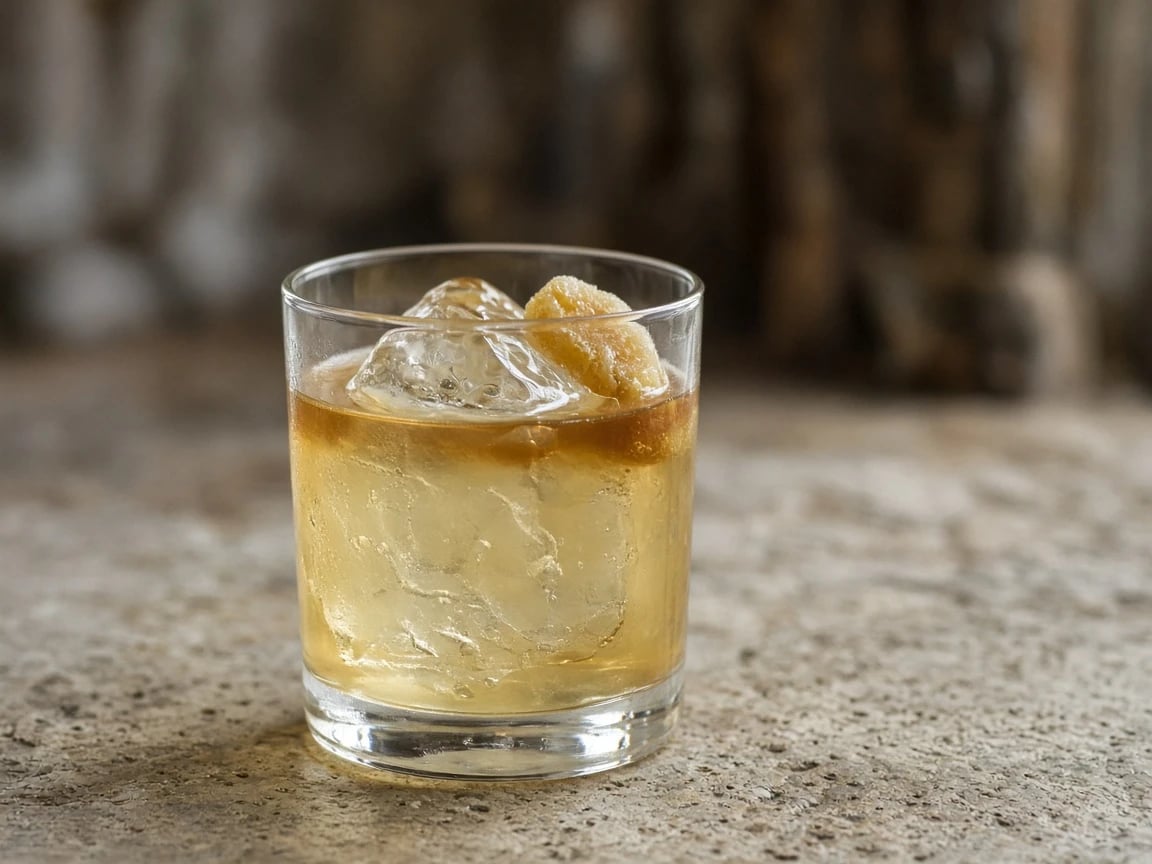
Sam Ross’s Penicillin uses mild blended Scotch in the shaker and Islay malt on top. The label lesson: buy two categories — workhorse blend + peated malt — instead of one expensive single malt trying to do both jobs.
In the glass
Practice these
Read the drill, then make the drink once focusing on that cue — repetition beats another paragraph.