Library

Labels · 8 min read

Spirit labels decoded

A shelf checklist: which words are law, which are marketing, what proof actually does in a drink, and how age statements differ by spirit.

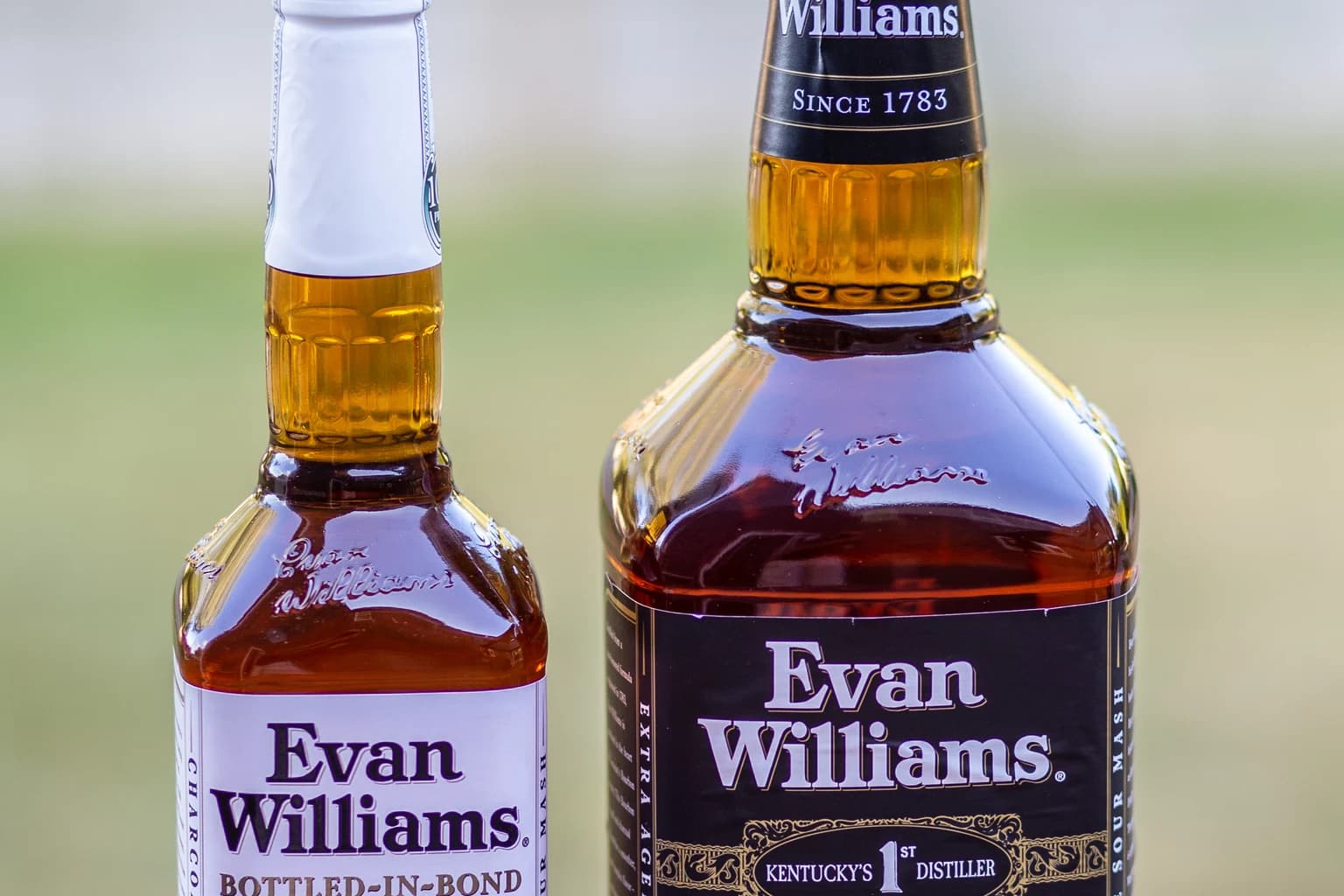
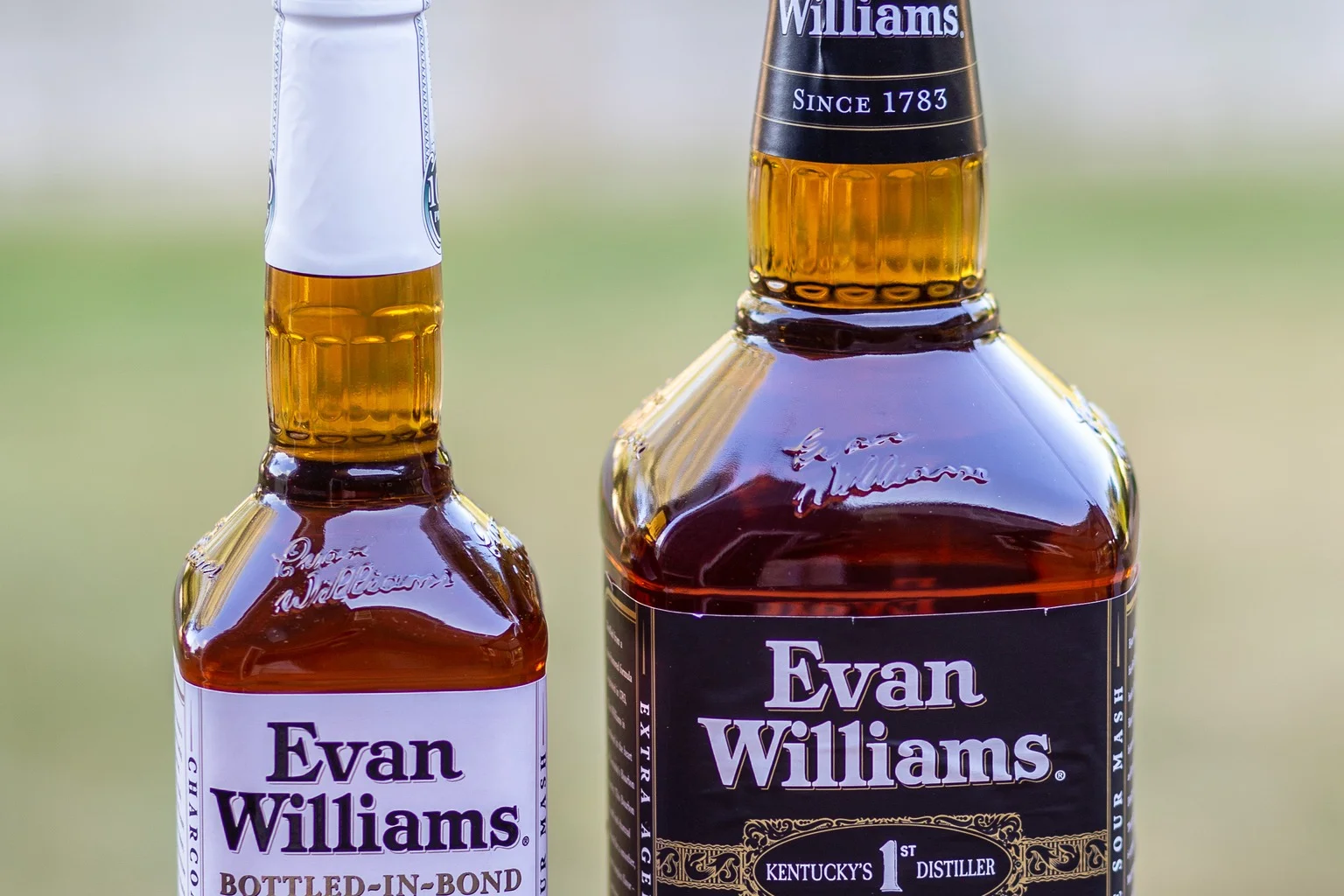
Evan Williams Bottled-in-Bond white label beside Evan Williams black label — regulated BiB wording vs marketing copy

The big idea

A useful bottle tells you four things before the story: category word, strength, aging word (if any), and who/where made it. If those are missing or vague, you are buying romance — not a cocktail base.

Keep these

4 things to remember
  1. Scan in order: category → ABV/proof → aging word → producer/origin. Adjectives last.

  2. Regulated words (bourbon, rye, Scotch whisky, 100% de agave, bottled-in-bond) constrain production. “Reserve,” “craft,” and “small batch” usually do not.

  3. For most stirred American whiskey classics, 45–50% ABV holds sugar and citrus better than 40%. Bonded whiskey is already 50%. Everyday Irish or Scotch highballs can sit near 40%.

  4. Age means different things by spirit: Scotch years are a legal floor; tequila uses blanco/reposado/añejo; bourbon only prints age when required or chosen.

The rule

The four-line shelf scan
Regulated wording vs decoration — same brand, two labels
Evan Williams Bottled-in-Bond white label beside black label Extra Aged

Law vs marketing

“Bottled-in-Bond” is a legal floor · “Extra Aged” / “Kentucky’s 1st Distiller” sell the story

Stand at the shelf and answer four questions before you believe the brand story.

1) Category: What legal style is this — bourbon, rye, Scotch whisky (blend or single malt), tequila, mezcal, rum? If the only word is “whiskey” or “tequila” with no further claim, keep reading.

2) Strength: What is the ABV or proof? Write it down. 40% (80 proof) is the US floor for most spirits; many cocktail workhorses sit at 45–50%.

3) Aging word: Straight, bottled-in-bond, 12 Years, blanco, reposado, añejo, NAS (no age statement). These are not interchangeable across spirits — see below.

4) Producer / origin: Distilled by vs produced/bottled by; NOM on agave; Scotland / Mexico / US claims. You need this to buy the same bottle twice.
Law words vs marketing words

Category and proof before adjectives
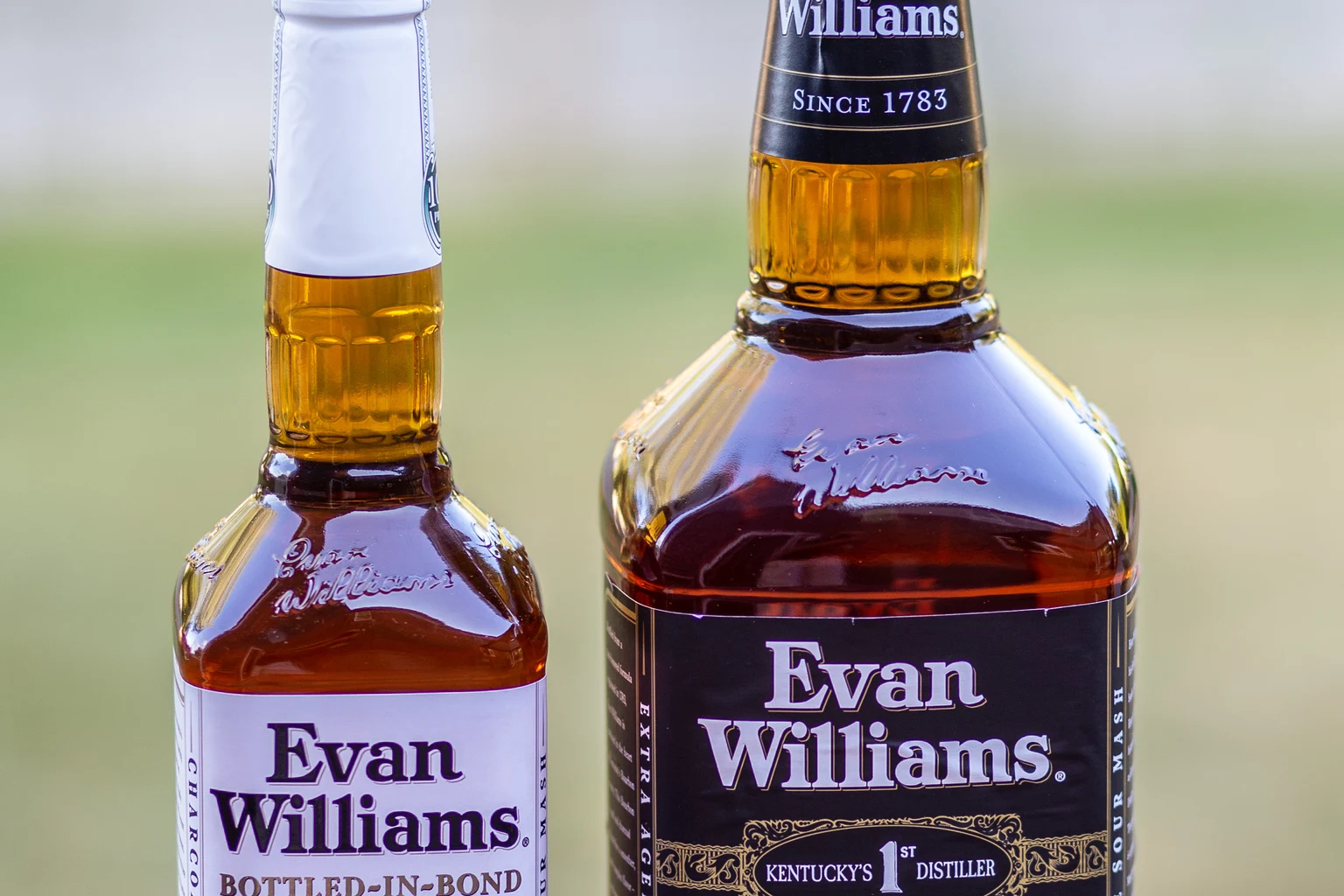
Evan Williams Bottled-in-Bond white label next to black label Extra Aged

Find the category word

White label: “Bottled-in-Bond” · Black: “Extra Aged” is marketing

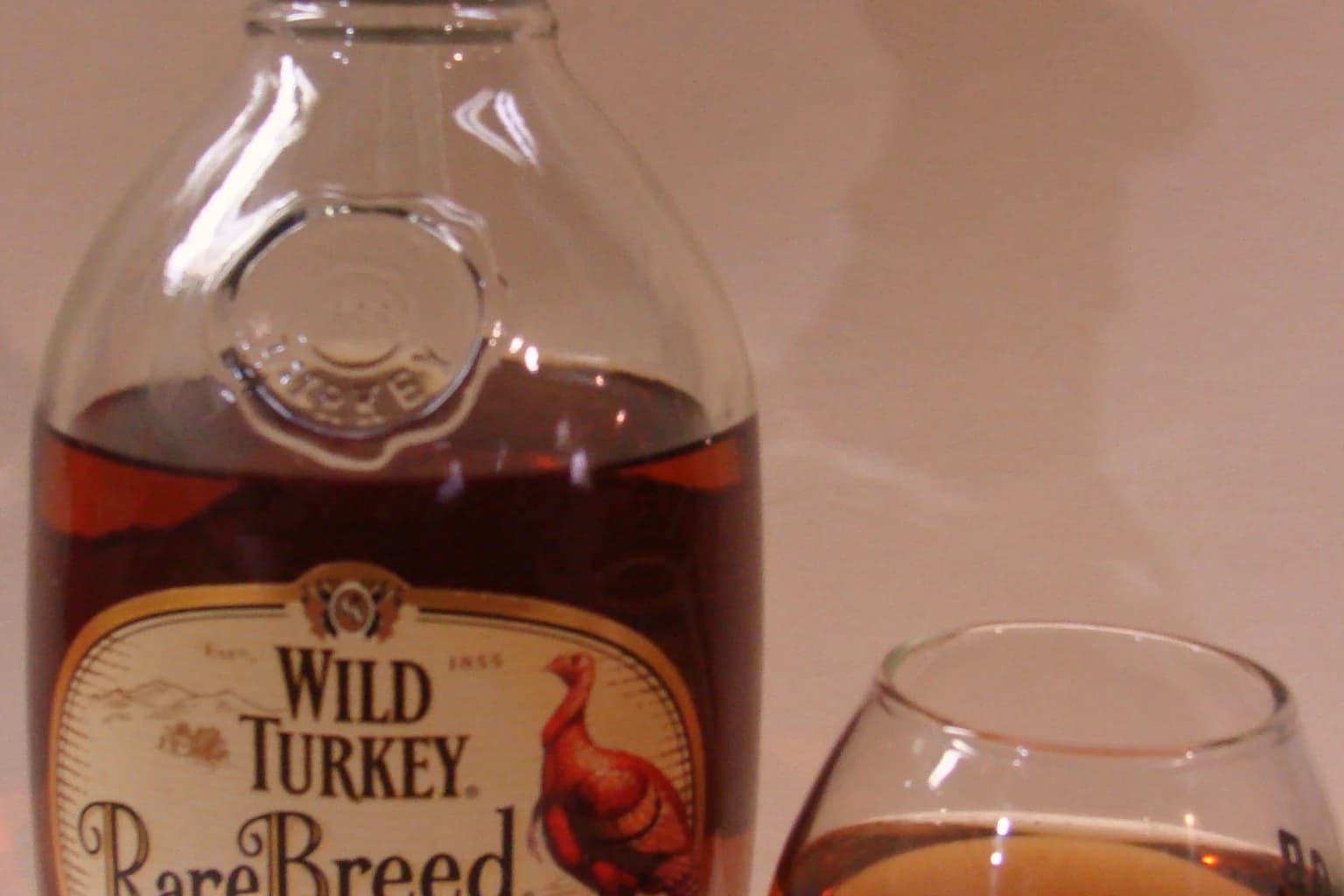
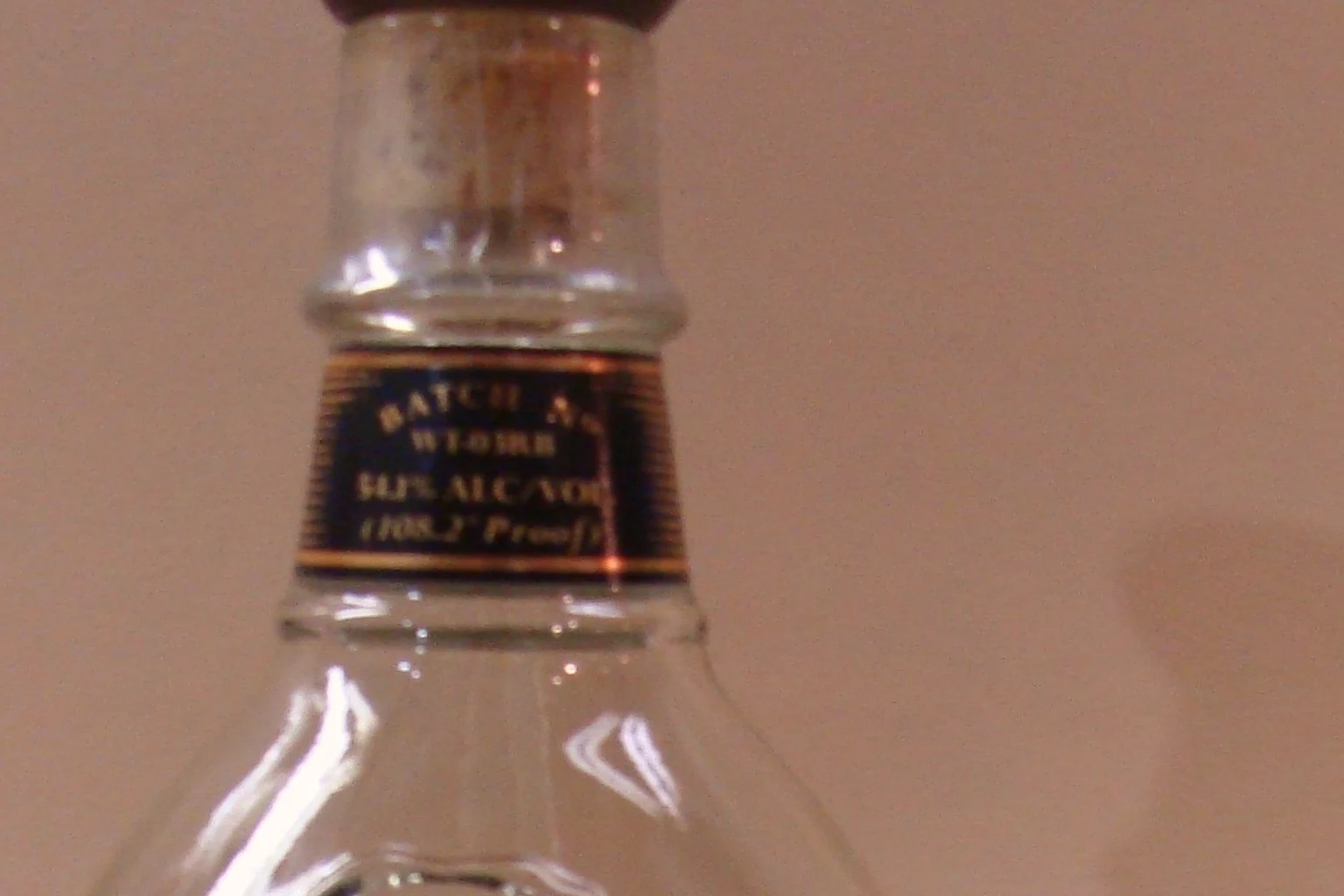
Wild Turkey Rare Breed neck band showing 54.1% alc/vol and 108.2 proof

Read the proof

54.1% ABV · 108.2 proof — a real barrel-proof number

Law words are scarce on purpose. US: bourbon, rye whiskey, straight, bottled-in-bond, Tennessee whiskey. Mexico: tequila, mezcal, 100% de agave, blanco/reposado/añejo. UK/Scotland: Scotch whisky, single malt, blended Scotch, and a printed age floor when shown.

Marketing words are cheap: reserve, small batch, craft, hand-selected, master distiller’s, limited, ultra-premium, gold medal. They can be true in spirit and still tell you nothing about mash, agave purity, or proof.

Rule of thumb: if dropping the adjective would not change what is legally in the bottle, it is decoration. “Straight bourbon” without “Kentucky” is still bourbon. “Reserve bourbon” without “straight” may be younger or less informative — keep scanning. If it’s flavored, it should no longer be labeled simply as bourbon.

Proof and ABV for real drinks

US labels must show alcohol as percent ABV; many also show proof, which is 2× ABV. A 40% spirit is often fine neat and can taste thin once you add syrup, citrus, or vermouth — especially in stirred American whiskey drinks. That is why bonded bourbon (always 50% / 100 proof) and many ryes at 45–50% are reliable Manhattan and Old Fashioned fuel. Everyday Irish or Scotch highballs are often fine near 40%.

Margarita / Paloma: 40% blanco can work if it is 100% agave; hotter blancos (42–45%) hold lime better. Whiskey sour / Daiquiri: 40–45% is common; underproof whiskey disappears under lemon. Stirred whiskey drinks: prefer ≥45% when you can.

Cask strength / barrel proof with a printed number is useful — you know how much water was (or was not) added. “Barrel proof” with no number is tone, not data. Dilute in the glass if needed; do not guess from the neck tag.

Tip

Age statements are not one system

A printed age is a floor, not an average
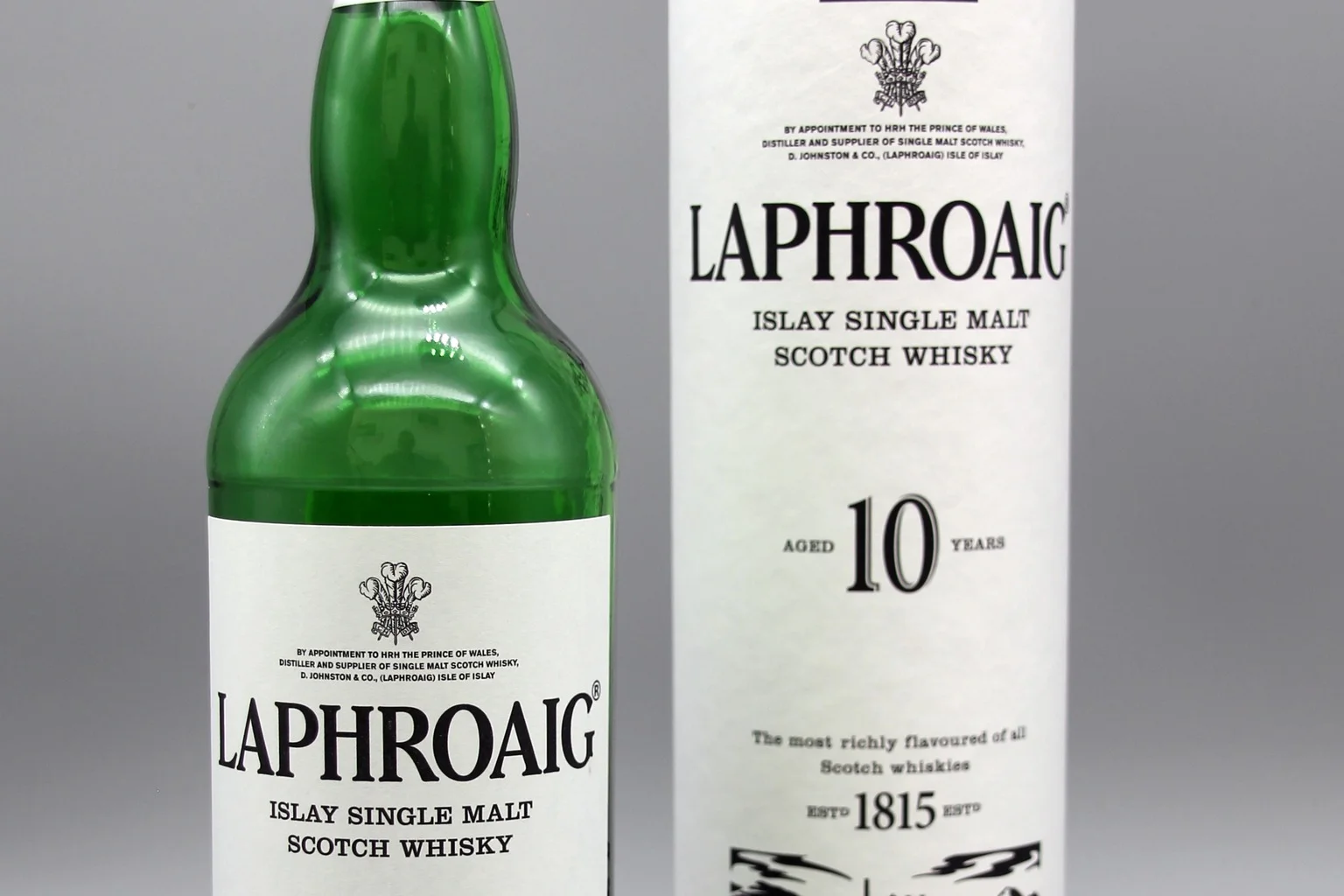
Laphroaig tube and bottle showing Aged 10 Years and Islay single malt Scotch whisky

“Aged 10 Years”

Youngest whisky in the bottle is ≥10 — not a quality score

Scotch (and Irish whiskey): a printed “12 Years” is a legal floor — every drop is at least that old. Older casks may be in the blend; younger may not. No age statement (NAS) is legal; it does not mean the whisky is young, only that no floor is printed.

American whiskey: no minimum age for “bourbon” or “rye.” “Straight” means ≥2 years (and age must appear if under 4 years in many cases). Bottled-in-bond means ≥4 years at 100 proof from one season and one distillery — a built-in cocktail shortcut.

Tequila: you will not usually see “8 Years.” You see CRT words — blanco (unaged or briefly rested), reposado (≥2 months oak), añejo (≥1 year), extra añejo (≥3 years). Mezcal uses different CRM/NOM-070 classes (joven, reposado, añejo — no extra añejo). Do not map either system onto Scotch year-floors.

Rum: age claims vary wildly by country. Treat a rum age number as a brand claim unless you know the producer’s rules — and buy for style (white mixing, aged dry, funky) more than for the year count.

Origin and denomination — when geography is load-bearing

Scotch whisky must be made in Scotland. Tequila and mezcal are Mexican denominations of origin — place and agave rules are part of the legal name. Bourbon must be made in the United States; Kentucky on the label is geography plus pride, not a separate spirit species.

Canadian whisky labeled “rye” is often a style nickname, not US mash-bill rye. For Manhattan snap, buy US straight rye and leave Canadian “rye” for gentler pours unless the mash notes say otherwise.

“Distilled by” vs “produced by / bottled by” on US whiskey: distilled by usually means that company ran the still; produced by can mean sourced distillate blended and bottled elsewhere. Sourced juice is not a moral failure — but transparency helps you repeat a great drink.

Tip

What to open next (by bottle)

American whiskey (bourbon, rye, bonded, Tennessee): American whiskey labels — mash rules, straight vs bonded, the Canadian rye trap.

Tequila and mezcal: Agave spirit labels — 100% de agave, CRT aging words, NOM, and what a Margarita actually needs.

Scotch for Rob Roys, highballs, and Penicillins: Scotch whisky labels — blend vs single malt, age floors, and peat as intensity.

Tip

Mini labs

Three shelf drills. Phone camera optional — write the four lines on paper if you prefer.

A: Two bourbons side by side. Find category, proof, and whether either says straight or bottled-in-bond. Ignore “reserve” and “small batch” until those three are written down. Which one would you buy for a Manhattan?

B: Two tequilas. Confirm “100% de agave,” CRT word (blanco vs reposado), and NOM. If either bottle only says “tequila,” treat it as mixto until the back label proves otherwise.

C: One blended Scotch and one peated single malt. Note category and age (or NAS). Decide which is the Penicillin shake base and which is the float — without smelling them first if you can. Then smell and check your call.

Common mistakes

  • Trusted the brand name over the small type → write category, proof, and aging word first; hype does not set Margarita or Manhattan behavior.
  • Paid for a limited edition that still drinks ordinary → check category and proof before the story; expensive glass is not a style.
  • Ignored ABV because the front looked premium → for stirred American whiskey, 40% often vanishes under sugar and citrus; 45–50% usually holds.
  • Highballs with Irish or Scotch can still work near 40%.
  • Treated every age number like a Scotch floor → tequila uses CRT words; mezcal uses CRM classes; American whiskey may not print age at all; rum years are inconsistent by country.
  • Bought Canadian “rye” for a US rye Manhattan → buy US straight rye, or read the mash notes before you assume spice.

Tip

When the label stops helping

Once category matches the template and proof is in range, taste. Labels cannot tell you if you like the bottle neat — only whether it is the right kind of bottle for the drink you are building. Medals are optional; the four-line scan is not.

Wild Turkey Rare Breed bottle — brand mark and Kentucky straight bourbon whiskey on the main label

Up next · Labels

American whiskey labels

Part of Spirit labels decoded · View path · Restart