Library

Agave · 5 min read

Agave: family & buying myth

Buy 100% agave for the job — blanco for brightness, reposado for softness, mezcal when you want smoke — not a gold/joven bottle or a medal on the neck.

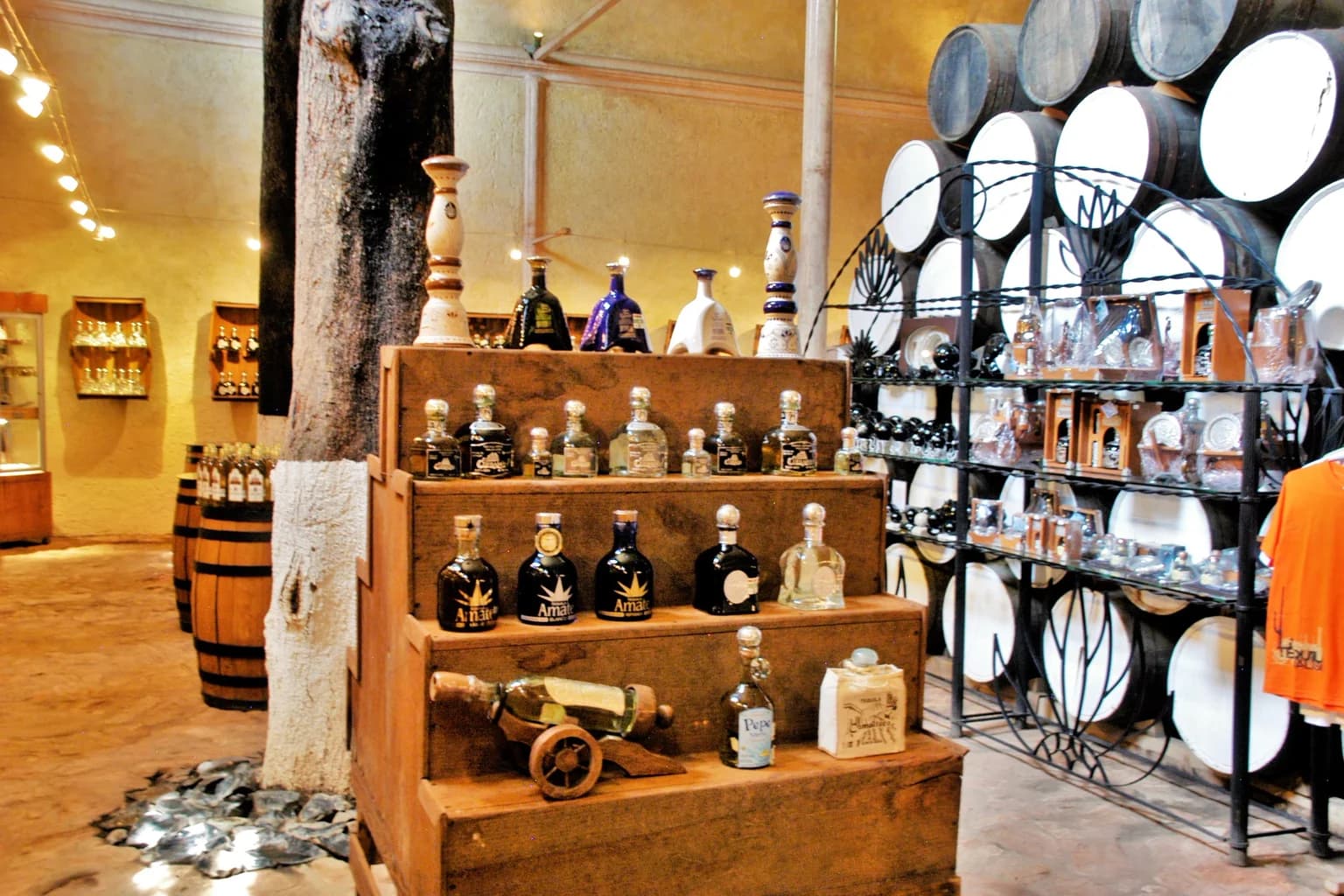
Finished tequila bottles standing in front of oak barrels in a distillery warehouse

The big idea

Agave spirits are a family with jobs — buy 100% agave for how the bottle behaves under lime or grapefruit, not the medal on the neck.

Keep these

5 things to remember
  1. Look for “100% agave.” If the bottle only says tequila, assume mixto until the back label proves otherwise.

  2. Blanco is the cocktail default — Espolòn, Olmeca Altos, or similar — for Margaritas, Palomas, and Tommy’s.

  3. Reposado adds light oak. Use it when you want softness, not as a silent upgrade in a bright sour.

  4. Mezcal is a different denomination, not “smoky tequila.” Espadín (Del Maguey Vida or similar) is the cocktail start.

  5. One solid blanco covers most MixWise agave drinks. Add reposado or mezcal when a recipe asks.

The rule

100% agave vs mixto

Oak time changes what the bottle can do

Blanco

< 2 mo

Reposado

2–12 mo

Añejo

1–3 yr

Extra

3+ yr

Tequila must be made from blue Weber agave in defined Mexican states. The load-bearing shopping line is “100% agave” (or “100% de agave”). Mixto only needs 51% of its fermentable sugars from agave; the rest can be cane or other sugars.

If the front label only says tequila, assume mixto until the back proves 100%. Mixto often tastes flatter and sweeter once lime arrives. That is chemistry in the glass, not a brand lecture.
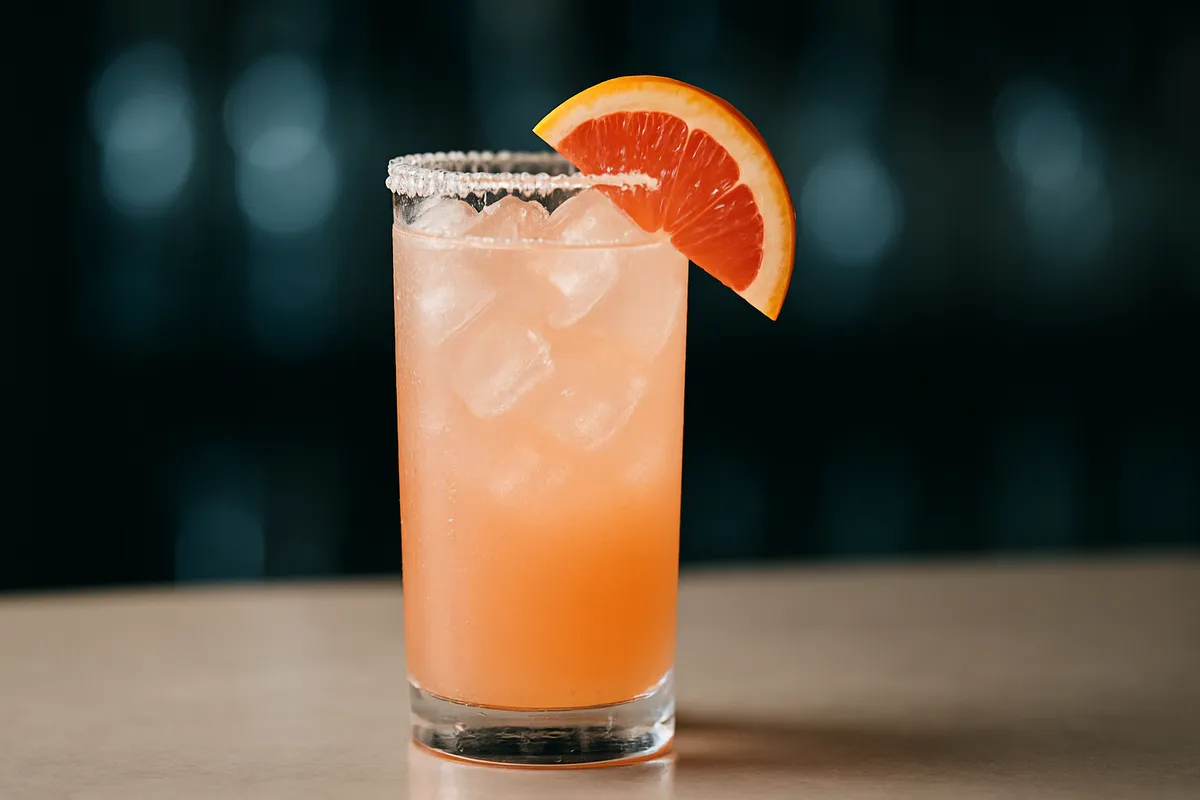
Blanco, reposado, añejo — jobs, not prestige

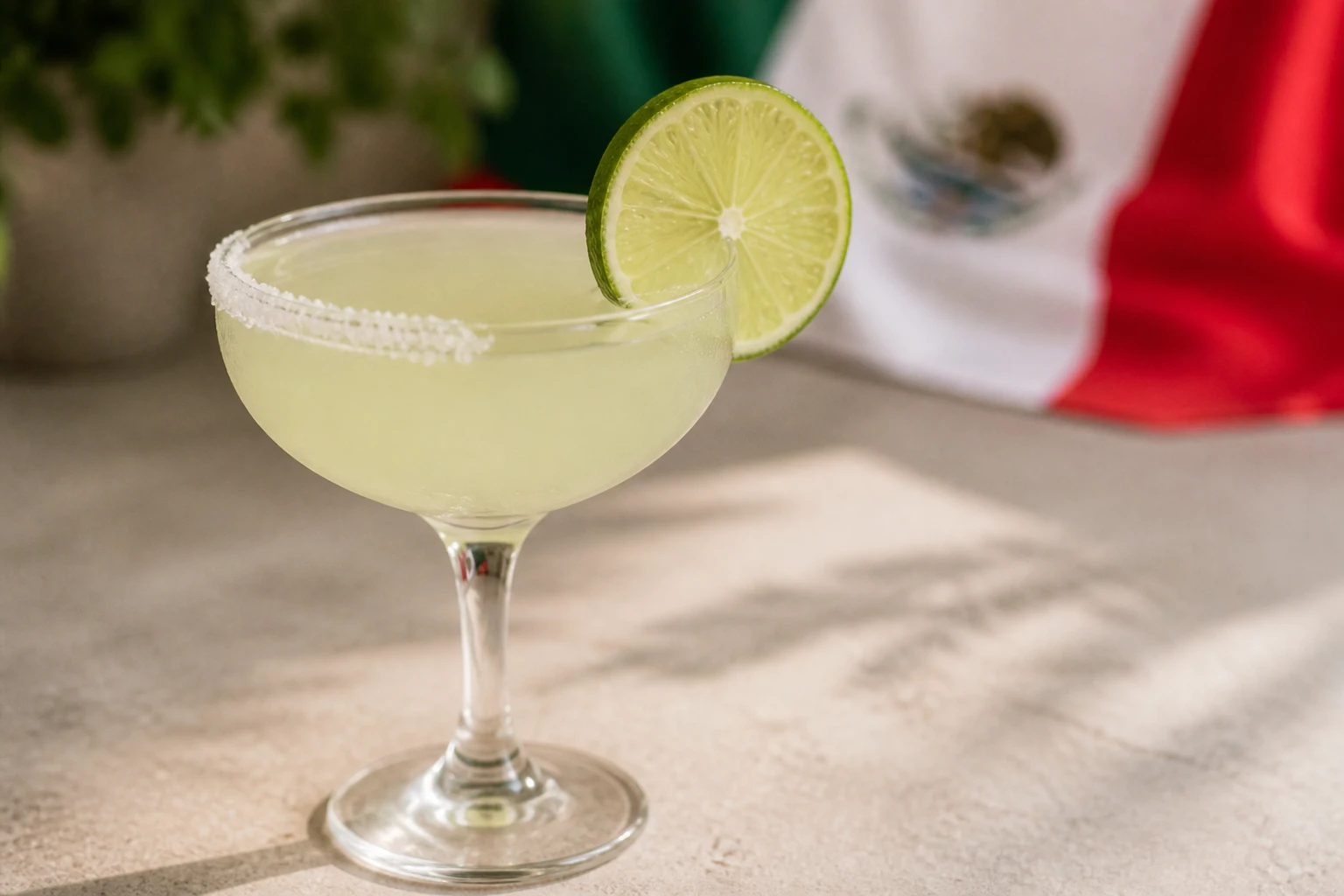
Blanco is unaged or rested less than two months. Bright cooked agave and pepper. It is the home default for Margaritas, Palomas, and Tommy’s. Espolòn, Olmeca Altos, or another 100% agave blanco you like in a Tommy’s does the same job.

Reposado spends two months to a year in oak. Vanilla and a softer edge. Fine when you want that roundness in a highball or a stirred build. In a bright sour it can read as dessert.

Añejo is one to three years. Extra añejo longer. Oak is now the story. Treat an añejo “Margarita” as Old Fashioned thinking — less lime sweetness, more spirit-forward balance — or pour it neat.

Joven/oro (“gold”) is a shopping trap: it can be blanco with color or additives, not a real aging step like reposado. Prefer blanco, reposado, or añejo wording you can trust.

Mezcal vs tequila at the shelf

Tequila is one denomination: blue Weber, mapped states, CRT aging words. Mezcal is another: more agave species, a wider map, and a process that often includes a pit roast. Smoke is common. It is not required, and it is not a tequila setting.

Espadín is the widely planted workhorse. Del Maguey Vida, or a similar cocktail-weight Espadín, is an honest house mezcal. Wilder agaves — Tobalá, Tepeztate, and friends — can be floral or savory and loud. Beautiful neat. Trickier when citrus and sugar compete.

Tip

A starter bottle

You do not need an agave library. One 100% agave blanco — Espolòn, Olmeca Altos, or similar — that you like with lime and a pinch of salt covers Margaritas, Palomas, and Tommy’s.

Add a reposado when you want softness on purpose. Add an Espadín mezcal when you want smoke on purpose. Añejo can wait until a stirred drink or a sipping glass asks.

Common mistakes

  • Margarita tastes flat and candy-sweet → flip the bottle for 100% agave; mixtos flatten lime before the salt rim matters.
  • Oaky dessert in a bright sour → pour blanco (Espolòn, Olmeca Altos, or similar); save reposado for when you want softness.
  • Bought mezcal as “smoky tequila” → treat it as its own bottle; start with Espadín (Del Maguey Vida or similar), not a wild-agave trophy.
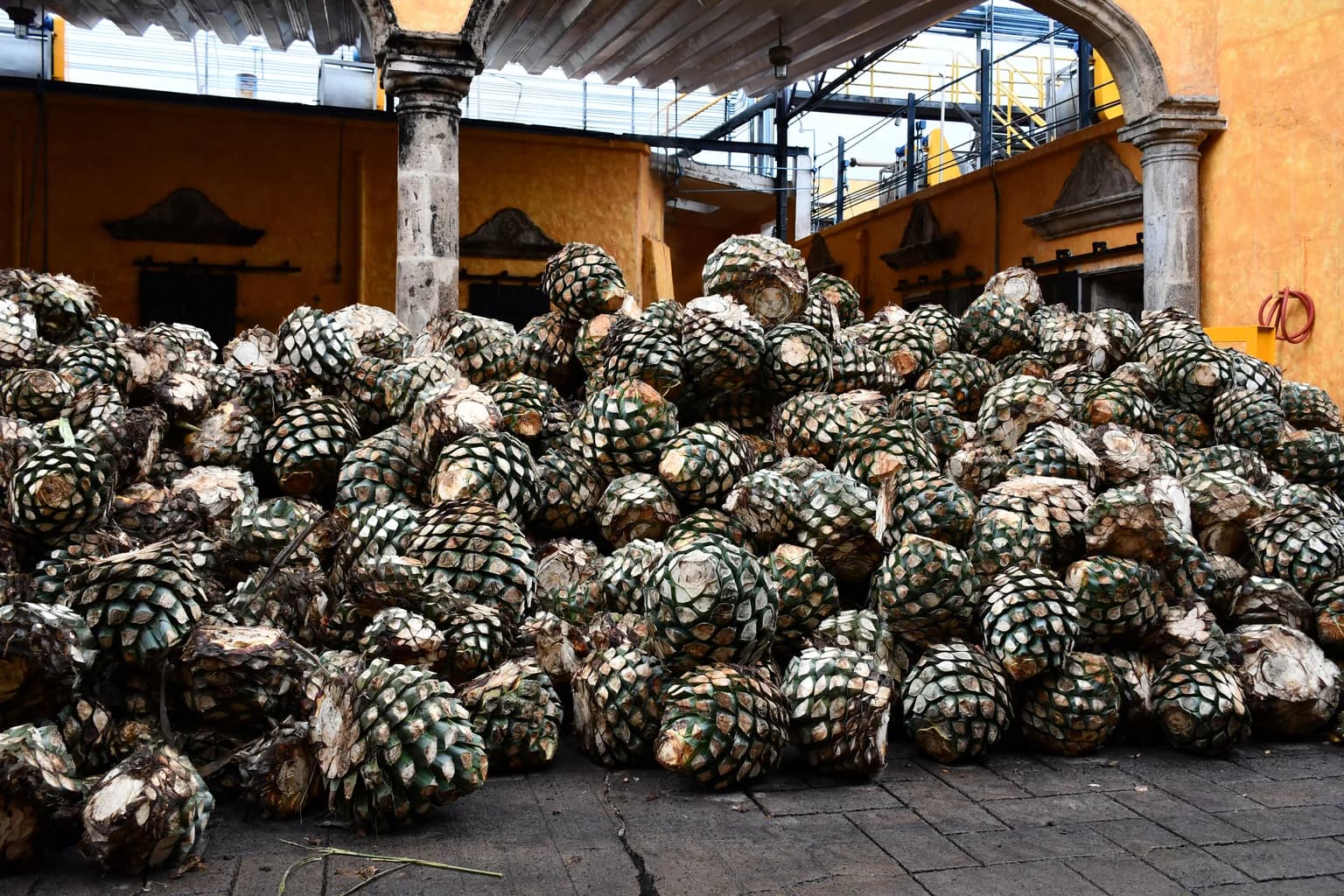
Harvested agave hearts — piñas — stacked at a tequila distillery in Jalisco

Up next · 6 min

How agave spirits are made

In Agave: from bottle to classics · Library