Charred oak whiskey barrels stacked in a quiet aging warehouse
Learn library

Spirits · 5 min read

Whiskey primer: bourbon, rye & beyond

Bourbon, rye, Scotch, and Irish — how they differ, how American whiskey history shaped the classics, and which bottle to pour for Old Fashioneds, Manhattans, and whiskey sours.

The big idea

Whiskey styles are not interchangeable seasoning — mash bill, cask, and history decide sweetness, spice, and smoke, so choose the bottle for the template you are pouring.

5 things to remember
  1. When a recipe says only “whiskey,” American tradition usually means bourbon or rye.

  2. Bourbon (corn + new charred oak) is rounder — default for Old Fashioneds and many sours.

  3. Rye is drier and spicier — the classic Manhattan and Sazerac spine; it nearly vanished after Prohibition and came back with the cocktail revival.

  4. Blended Scotch and Irish blends are lighter mixing pours; peat is aroma, not a silent swap for bourbon.

  5. Buy a solid ~45–50% ABV bottle you like neat — timid 40% whiskey disappears under sugar and citrus.

Four styles that matter at home

Four styles — pick for the template, not the shelf flex

Bourbon

Corn · new oak

Rye

Spice · dry

Scotch

Malt · peat?

Irish

Soft · pot still

Bourbon is at least 51% corn and aged in new charred oak — vanilla, caramel, corn sweetness. It is the usual home pour for Old Fashioneds and whiskey sours. It may be made anywhere in the United States; Kentucky is tradition, not a legal requirement.

Rye is at least 51% rye grain — pepper, baking spice, a drier finish. Manhattans and Boulevardiers were written for that snap; bourbon softens them. US rye also ages in new charred oak, so it shares bourbon’s vanilla frame with a leaner grain center.

Scotch must be distilled and aged in Scotland (at least three years in oak). Blended Scotch is the cocktail workhorse — highballs, Rob Roy, Penicillin base. Heavily peated malt is seasoning — a float or rinse — unless the recipe wants smoke up front.

Irish whiskey is often lighter and softer, especially everyday blends (often triple-distilled). Single pot still — malted and unmalted barley, unique to Ireland — carries more body for stirred drinks; light blends shine in highballs and gentle sours.
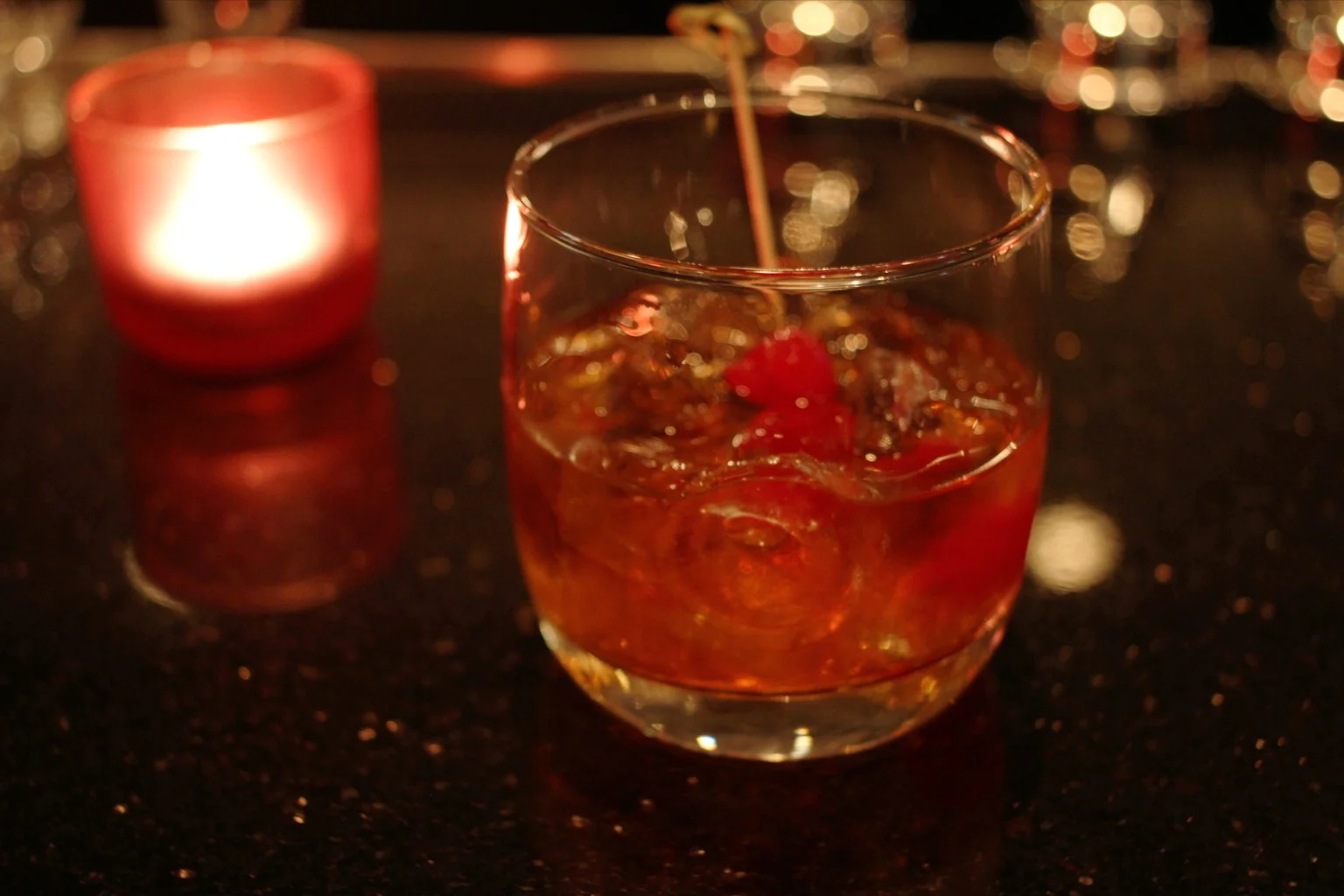
How American whiskey history shows up in your glass

Nineteenth-century American bars poured mostly rye. The Manhattan (New York, 1870s–80s) and the Sazerac (New Orleans — cognac first, then rye) were built on that spice. The whiskey cocktail that became the Old Fashioned — spirit, sugar, bitters, water or ice — and the whiskey sour are the same era’s templates.

After Prohibition, bourbon’s corn economics and broader distribution made it the default supermarket whiskey. Rye nearly left the back bar. Mid-century American recipes that say only “whiskey” often silently assume bourbon.

The cocktail revival of the 2000s brought rye back because Manhattans and Sazeracs taste flabby when corn sweetness is the only whiskey in the glass. Reading a recipe’s era is often enough to choose a bottle.

Match the bottle to the template

Three glasses that teach the category
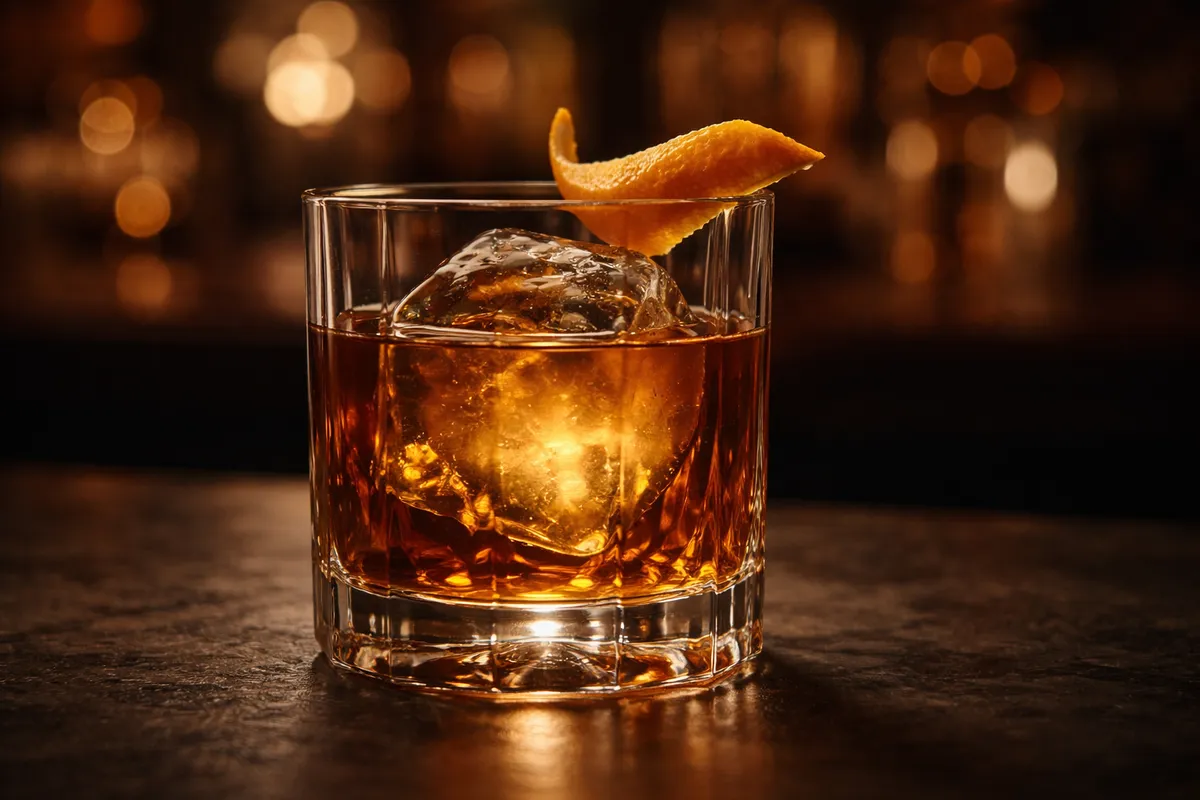
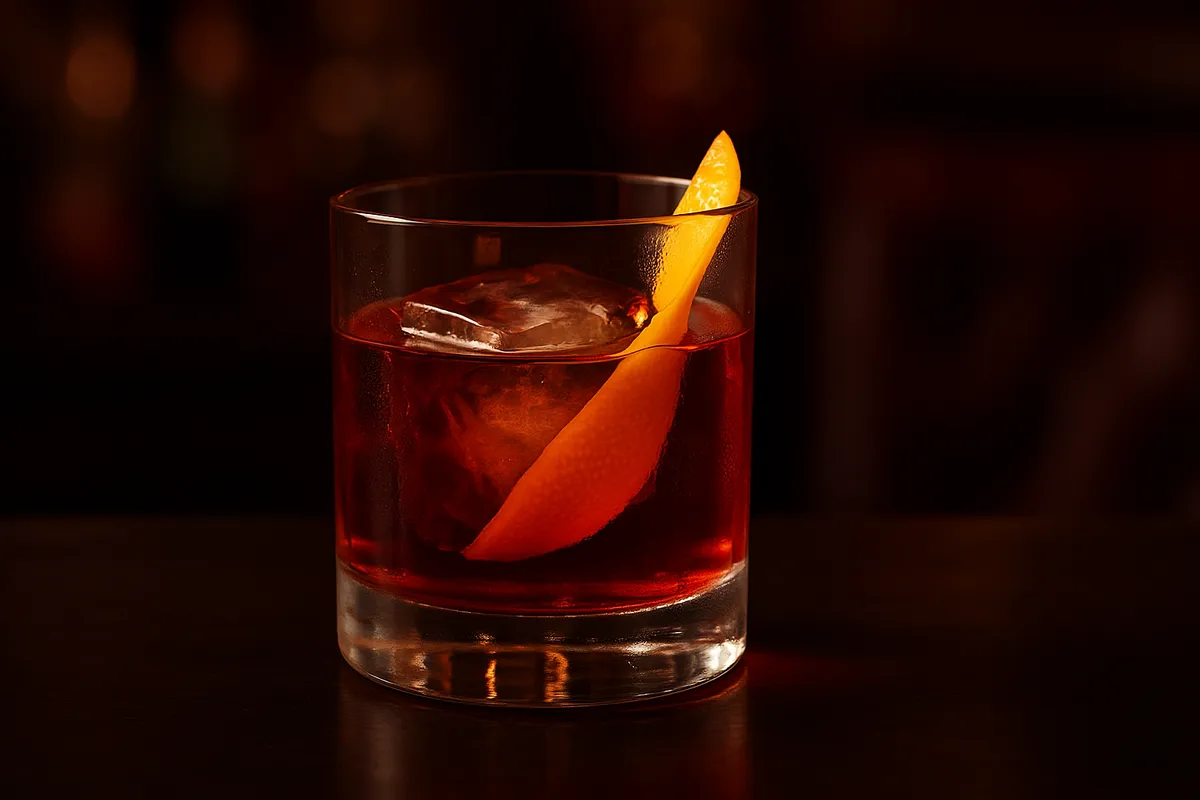
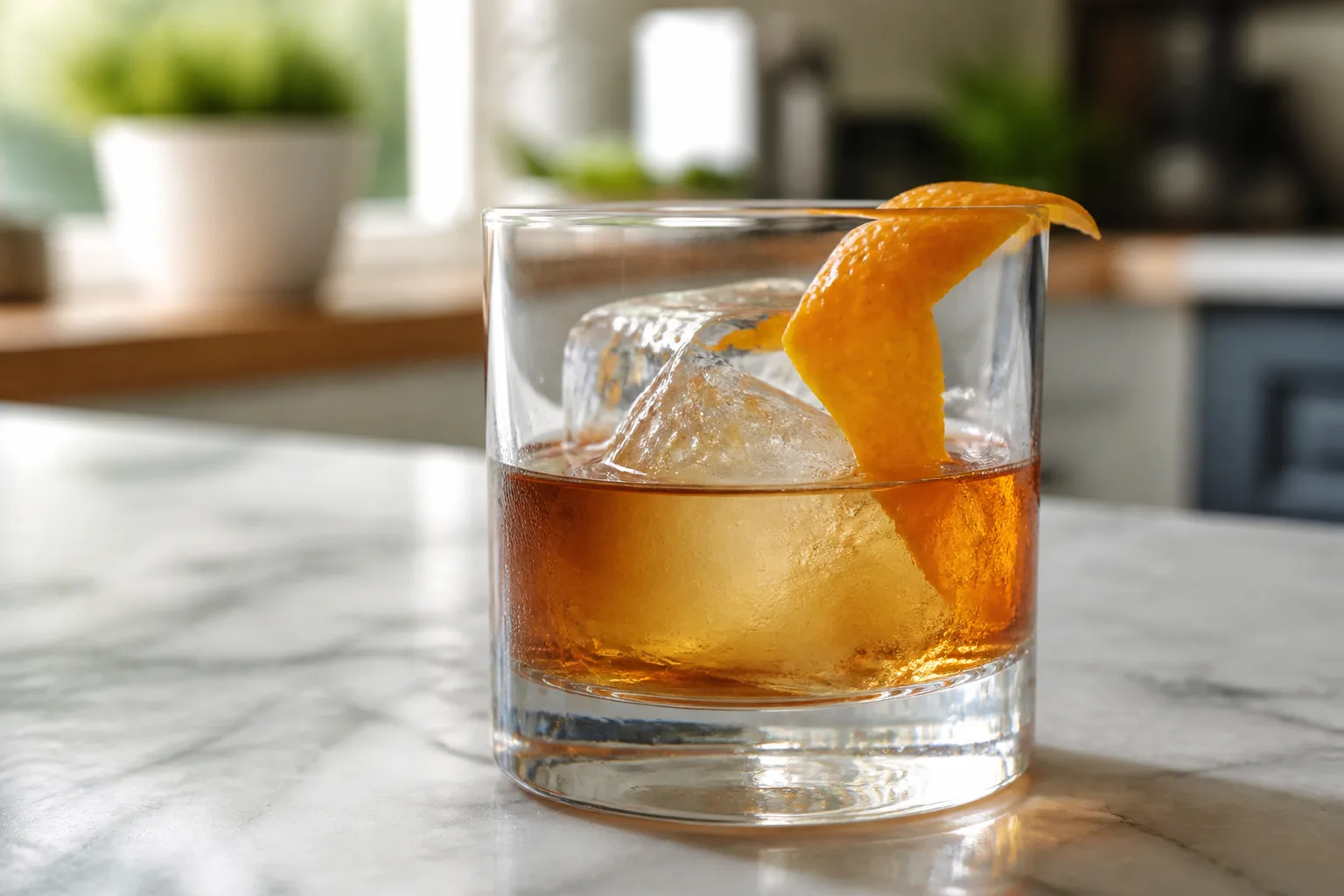
An Old Fashioned in a rocks glass with a large ice cube and orange peel

Old Fashioned

Spirit + sugar + bitters — bourbon or rye

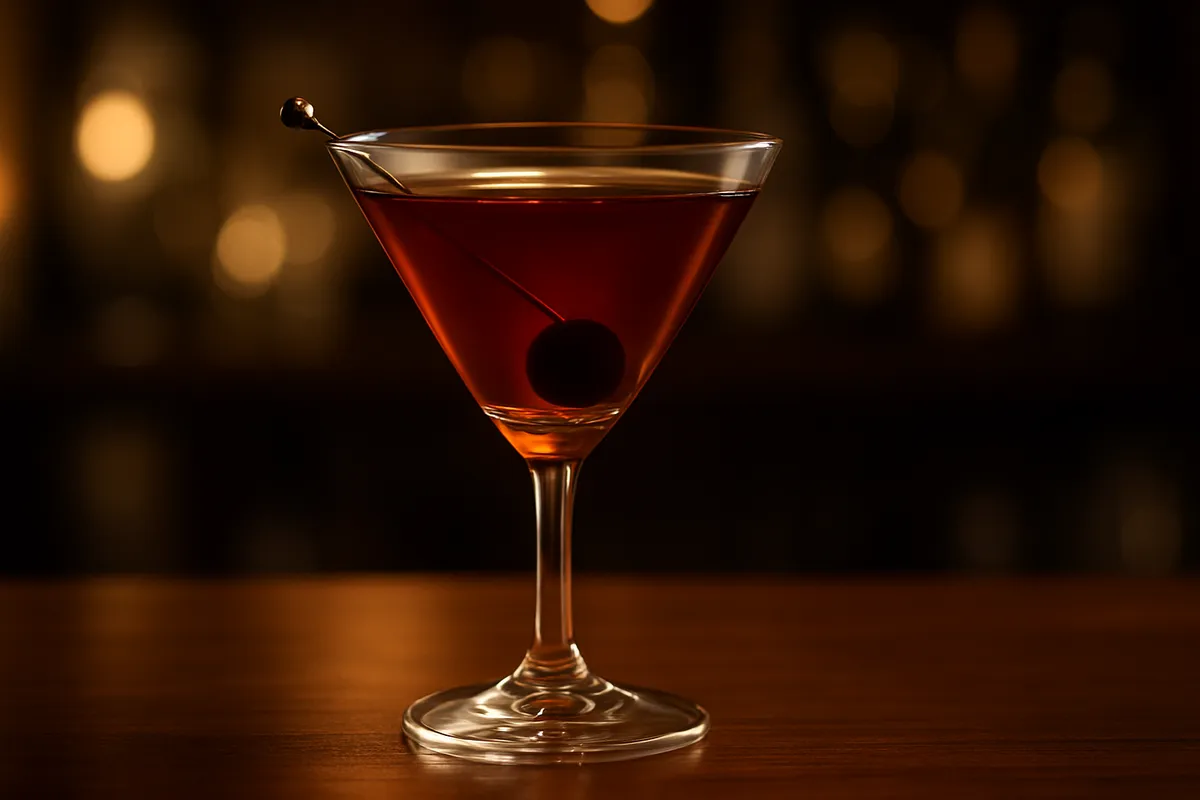
A Manhattan in a coupe with a cherry on a pick

Manhattan

Whiskey + sweet vermouth — rye keeps it dry

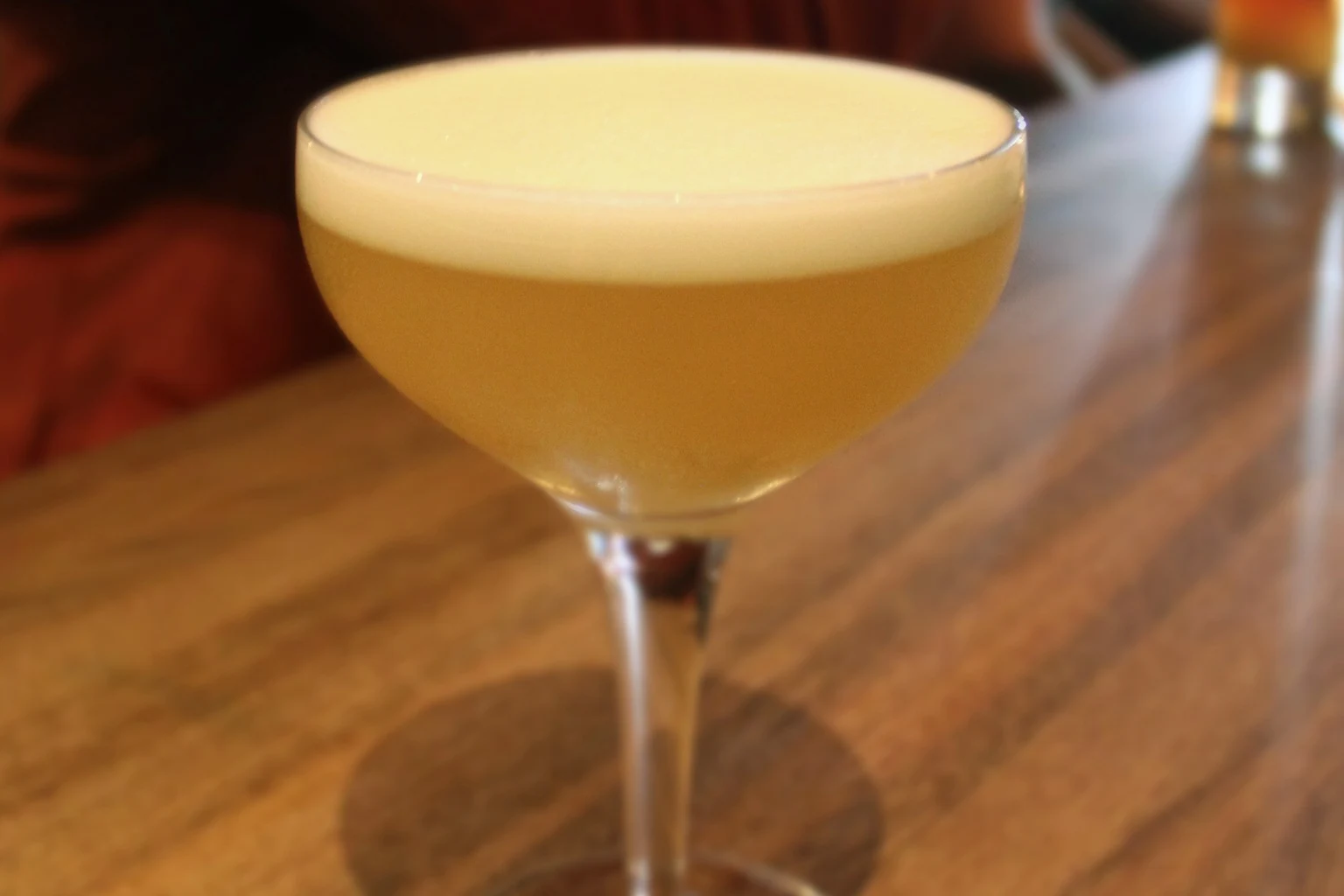
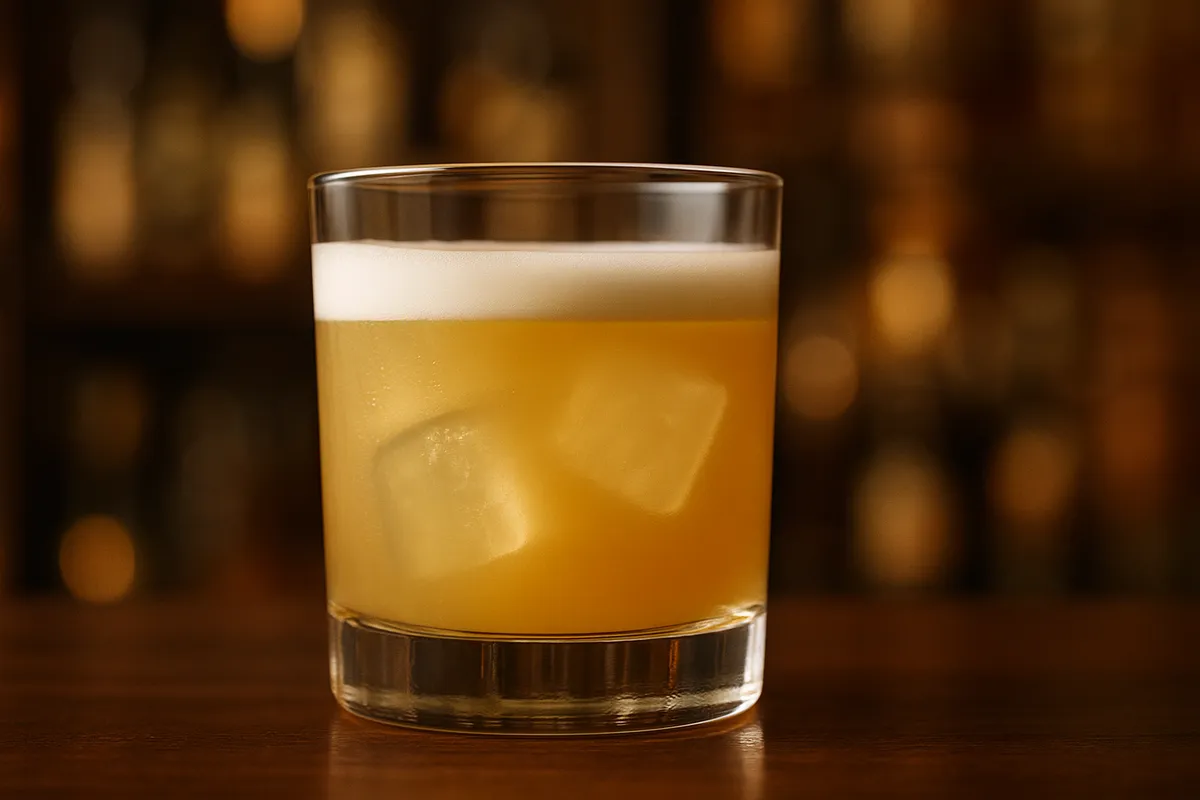
A Whiskey Sour served up in a coupe with an egg-white foam head

Whiskey Sour

Spirit + lemon + sweet — shake hard

Old fashioned family (spirit + sugar + bitters): bourbon for round oak, rye when you want spice without extra sweetness. Fruit muddled in the glass is a later restaurant habit — not the structure.

Manhattan family (whiskey + sweet vermouth + bitters): rye keeps vermouth from turning the drink into dessert; bourbon is a legitimate softer cousin. A Rob Roy is the same idea on Scotch.

Whiskey sour: bourbon or a friendly Irish blend. Peated Scotch will usually bury the lemon unless you are building a Penicillin-style drink on purpose.

If the line only says “whiskey,” pour bourbon or rye — not Scotch — unless the drink’s name or notes point elsewhere.

Proof and one good bottle

Mixing whiskey around 45–50% ABV holds up when sugar, citrus, or vermouth enter the glass. A shy 40% pour can taste thin the moment you add sweetener.

You do not need a whiskey library to start. One solid bourbon you enjoy neat covers Old Fashioneds and sours; add rye when Manhattans become a habit. Scotch and Irish can wait until a recipe names them.

Common swaps that quietly change the drink

  • Substituting bourbon for rye in a Manhattan is fine — call it what it is: rounder and sweeter, not “the same drink.”
  • Pouring peated Scotch into a standard whiskey sour usually tastes like smoke fighting lemon, not a clever upgrade.
  • Canadian whisky labeled “rye” is often a milder grain blend; it will not automatically taste like US straight rye.

Part of a path

Whiskey primer: bourbon, rye & beyond

Bourbon vs rye, then three drinks that teach the category: Old Fashioned, Manhattan (with fresh vermouth), and Whiskey Sour — finished with citrus oil.

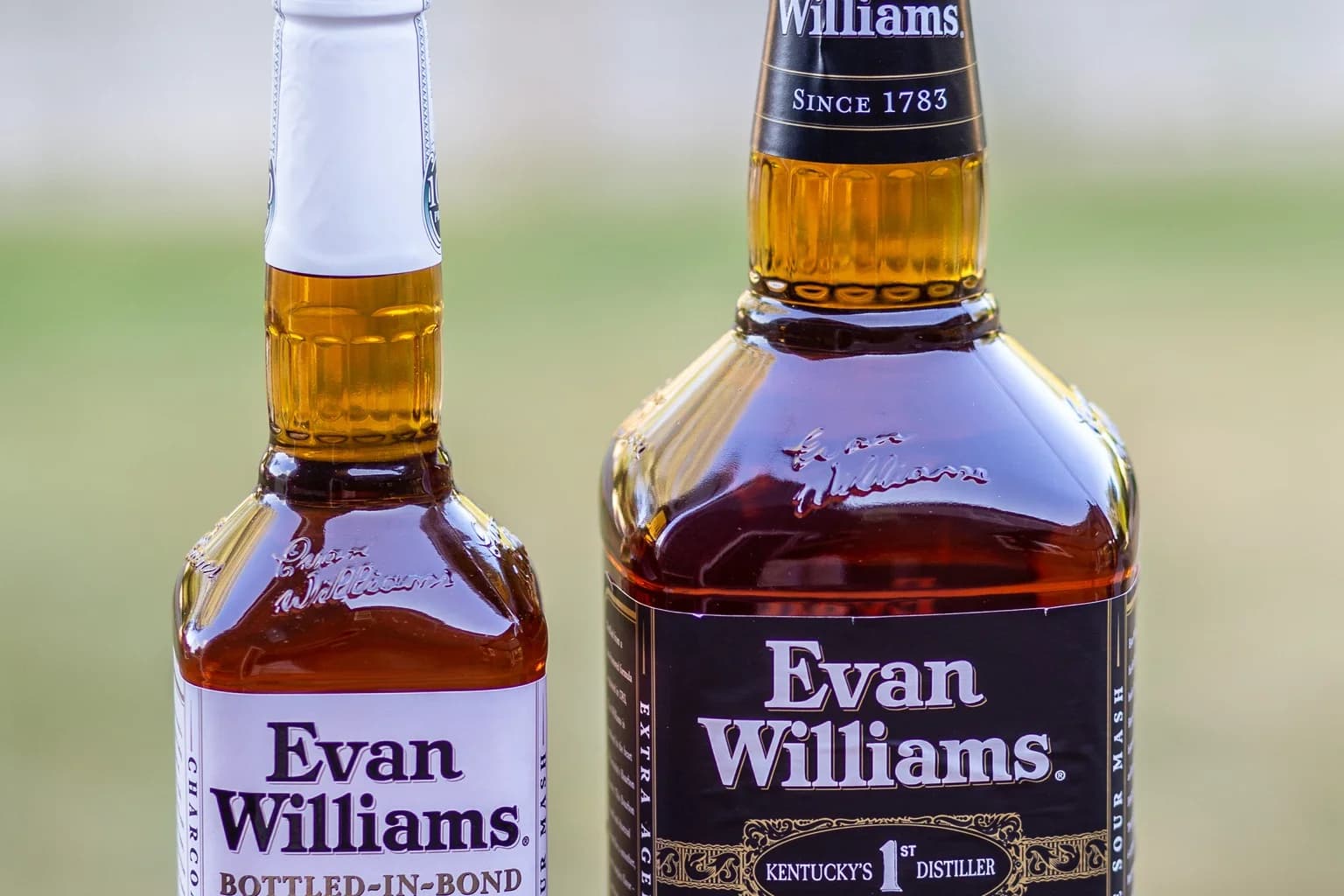
Two Evan Williams bourbon bottles side by side — bottled-in-bond white label next to standard black label

Up next · 5 min

Spirit labels decoded