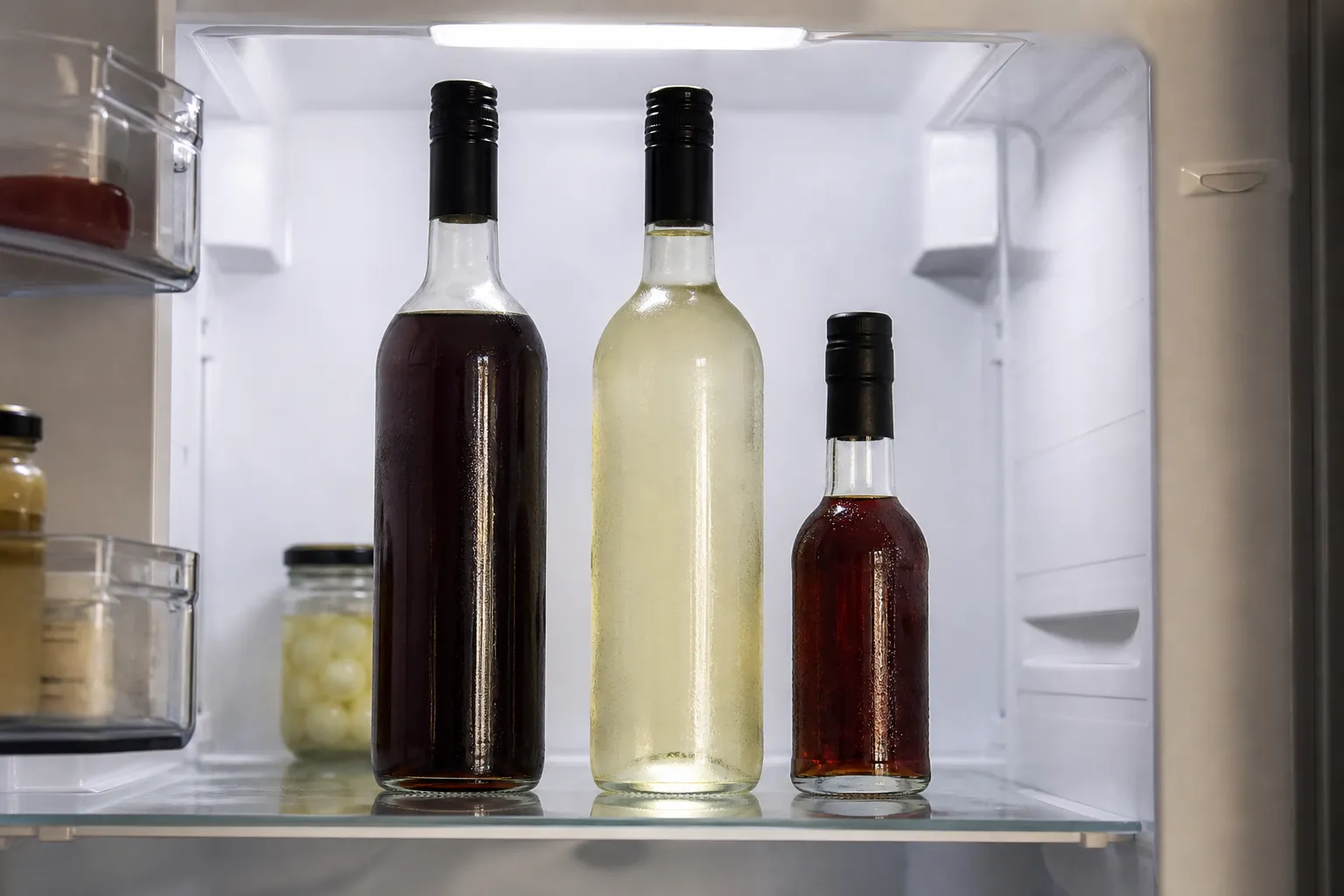
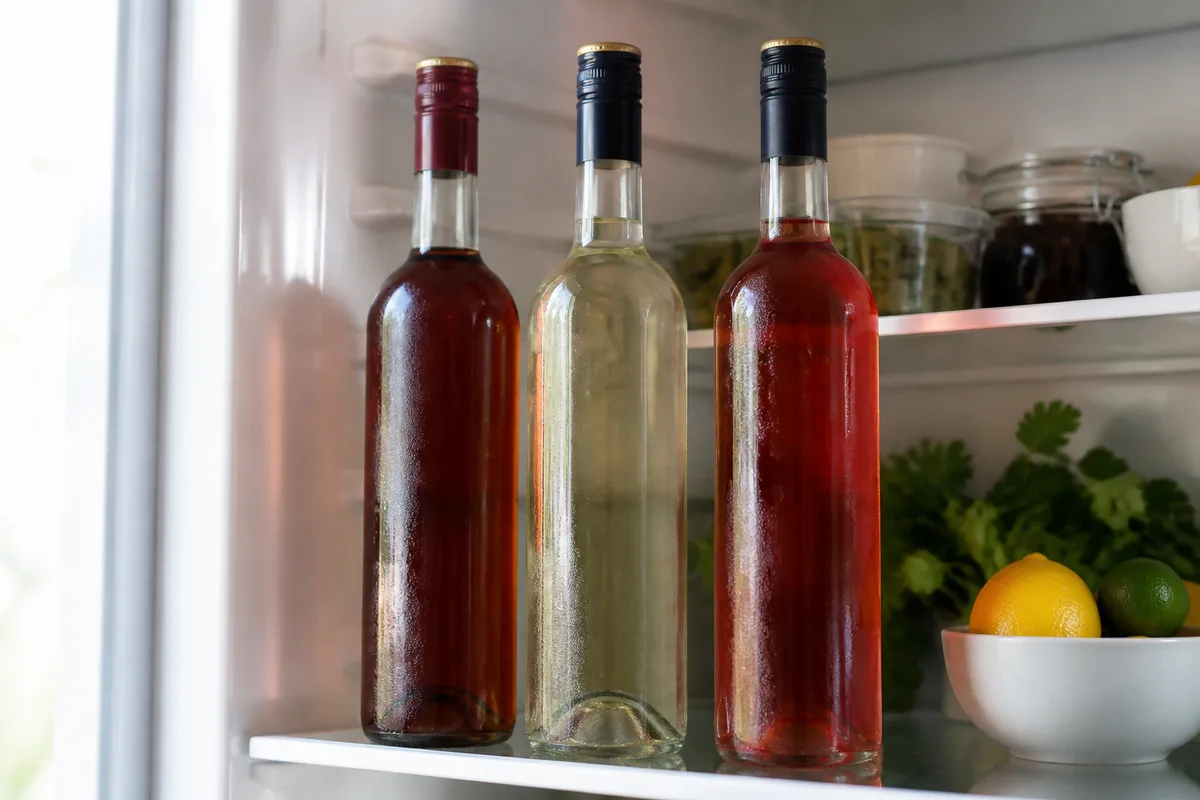
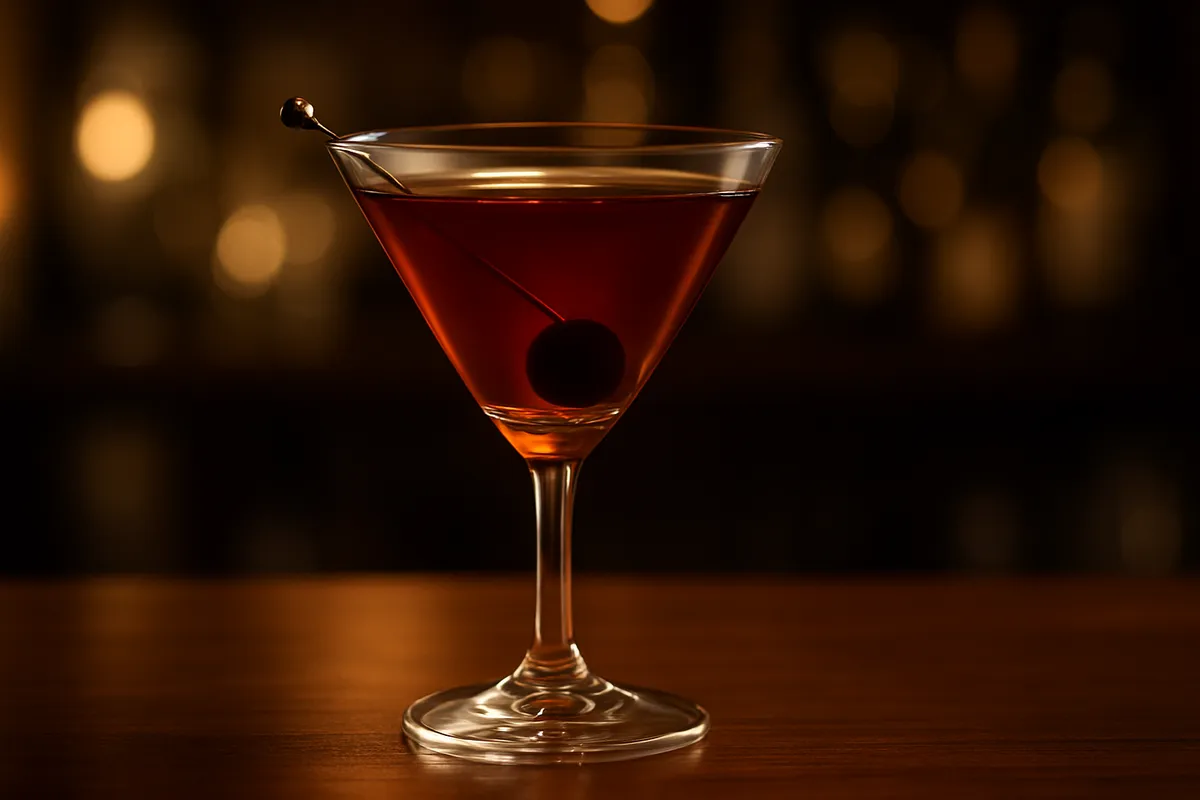
Vermouth is fortified wine — it oxidizes. Fridge it, finish it in weeks, and stop blaming the whiskey for a dusty Manhattan.
The big idea
Fridge vermouth the day you open it. Counter bottles are why last month’s Negroni tasted stale — Campari was fine; the wine wasn’t.
Keep these
4 things to remember
01
Sweet, dry, and blanc vermouth are different jobs — not a flavor slider on one bottle.
02
Refrigerate after opening; finish in weeks. Write the open date on the label.
03
Campari and bitters keep; the wine in the drink is the perishable part.
04
Aperol tastes sweeter and is much lower proof than Campari — taste and adjust, don’t silent-swap.
The rule
Refrigerate vermouth after you open it
Vermouth is wine. Treat it that way.
01
Do this
Refrigerate as soon as you open it. Plan to finish the bottle in a few weeks.
02
Skip this
Leaving it out oxidizes the wine — Manhattans turn dusty and flat.
Vermouth is aromatized, fortified wine. Fortification helps it last longer than a table white, not forever. Oxygen and heat dull the herbs and leave a nutty, stale edge that reads as “this cocktail is bad” when the whiskey was fine.
Buy a bottle you will finish in a few weeks of actual mixing. Split a 375 ml if Manhattans are occasional. Refrigerate the moment you open it — same shelf as the white wine, not the whiskey cart.
02
Sweet, dry, blanc — pick the job
Sweet (rosso) vermouth is the Manhattan and Negroni partner — caramel, spice, bitter-sweet herbs. Carpano Antica and Cocchi Storico are richer; lighter rosso styles keep equal-parts drinks leaner.
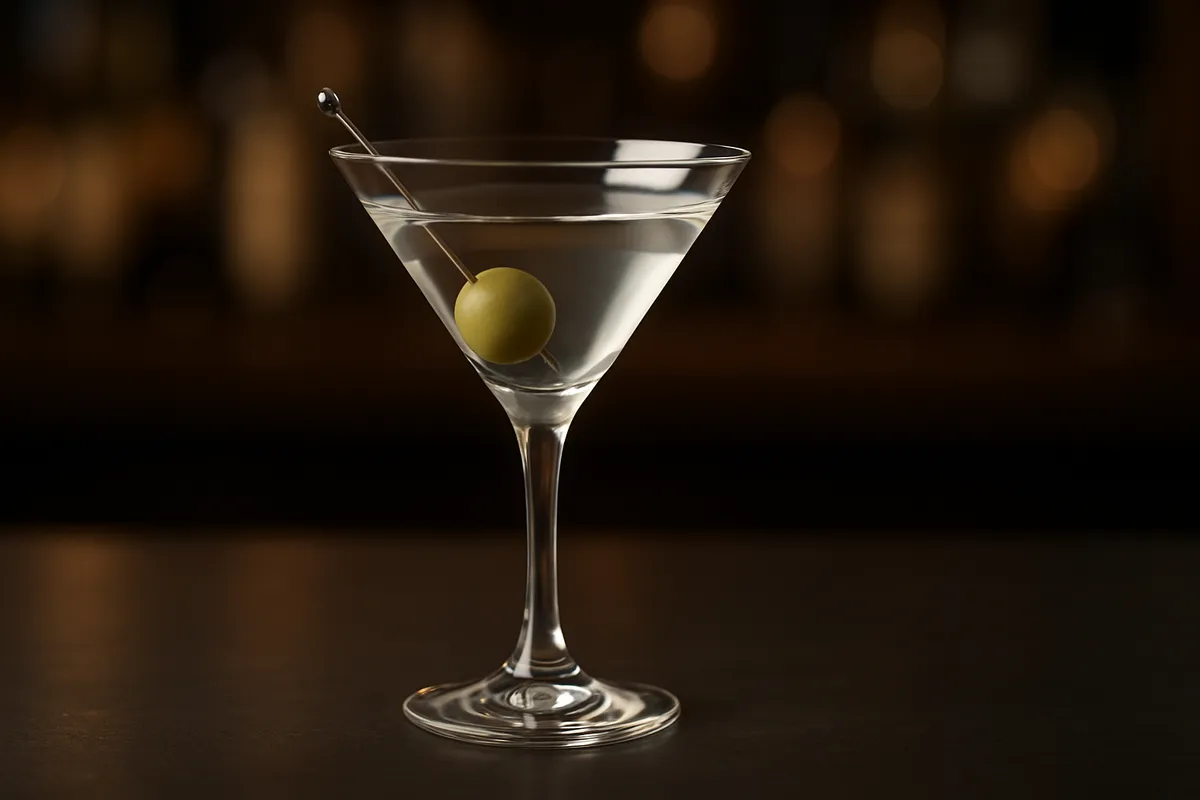
Dry vermouth is the Martini’s whisper of wine and botanicals (Dolin Dry is a reliable home default). Blanc/bianco sits between: sweeter than dry, paler than rosso, useful in modern gin drinks. They are not interchangeable by the ounce.
Tip
Bitter modifiers and bitters
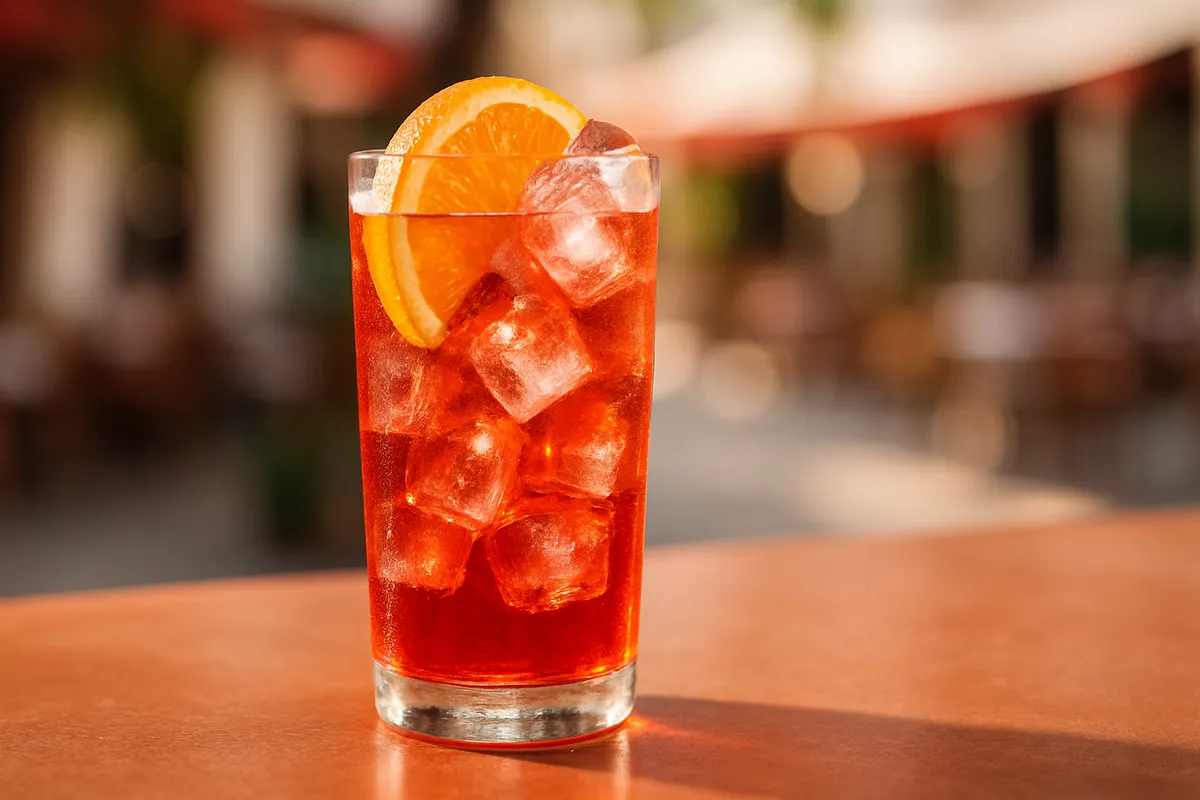
Campari, other red bitter aperitivi, and amari are closer to liqueurs than to wine — they keep at room temp. They still aren’t 1:1 with each other. Aperol in a Negroni is a softer, sweeter cousin; don’t expect Campari’s grip.
Aromatic bitters (Angostura and friends) are seasoning. A few dashes frame whiskey and vermouth. A tablespoon in an Old Fashioned is a different recipe, not a louder version of the same one.
04
Common mistakes
Vermouth on a warm cart for months → fridge it and replace.
If it smells like leftover wine and walnuts, it’s done.
One bottle for Martinis and Manhattans → dry and sweet are different modifiers; buy both or pick the drinks you’ll actually make.
Fixing a dusty Negroni with more sugar → open fresher sweet vermouth first; sugar won’t hide oxidation.
Tip
How long is “fresh enough”?
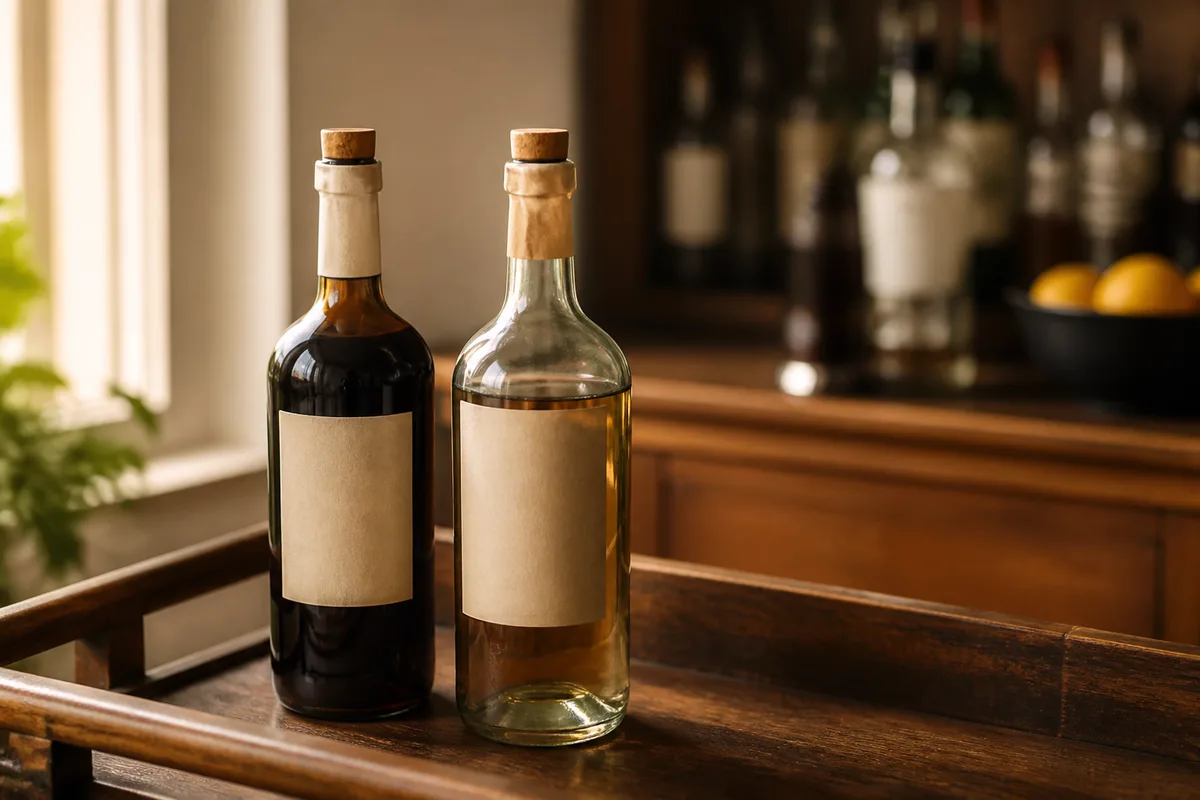
Working bartenders treat opened vermouth as a perishable measured in weeks, not seasons. If it smells like leftover white wine and walnuts instead of herbs and fruit, it’s done. Write the open date on the label with a marker.
Unopened bottles still fade slowly. Don’t hoard a “good” vermouth for years before cracking it for one Manhattan.
Tip
Orange liqueur is a modifier too
A dry orange liqueur (Cointreau-style) is structural in a Margarita — it’s the sweet side of a sour, plus aroma. A cheap, syrupy triple sec shifts the template toward candy. Stay dry unless you taste and cut sweetness elsewhere.
In the glass
Practice these
Read the drill, then make the drink once focusing on that cue — repetition beats another paragraph.