Library

Whiskey · 5 min read

Whiskey: family & buying myth

Whiskey styles are not interchangeable seasoning. Mash, cask, and history decide what goes in the glass.

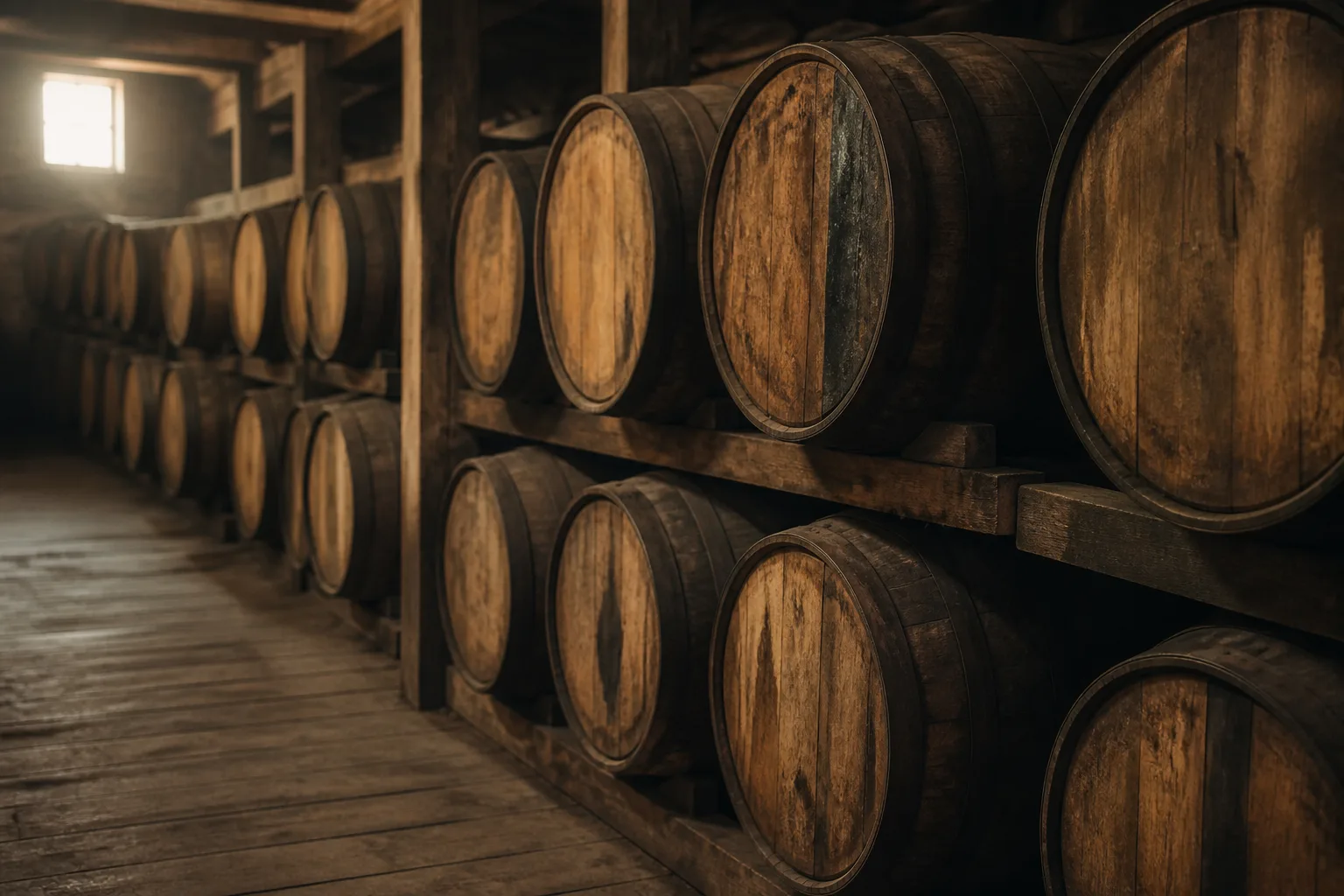
Charred oak whiskey barrels stacked in a quiet aging warehouse

The big idea

Whiskey styles aren’t interchangeable seasoning — mash, cask, and history decide what goes in the glass.

Keep these

5 things to remember
  1. When a US recipe says only “whiskey,” it usually means bourbon or rye.

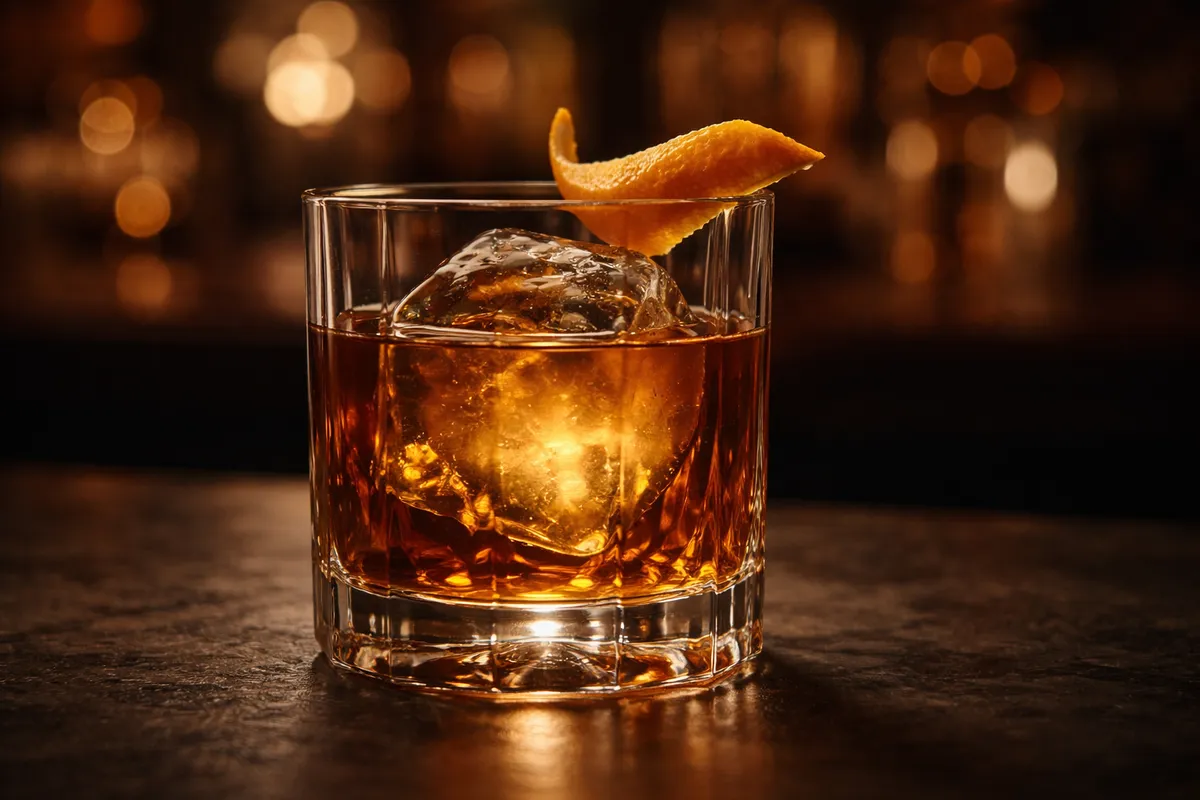
  2. Bourbon is corn plus new charred oak — round vanilla for Old Fashioneds and many sours.

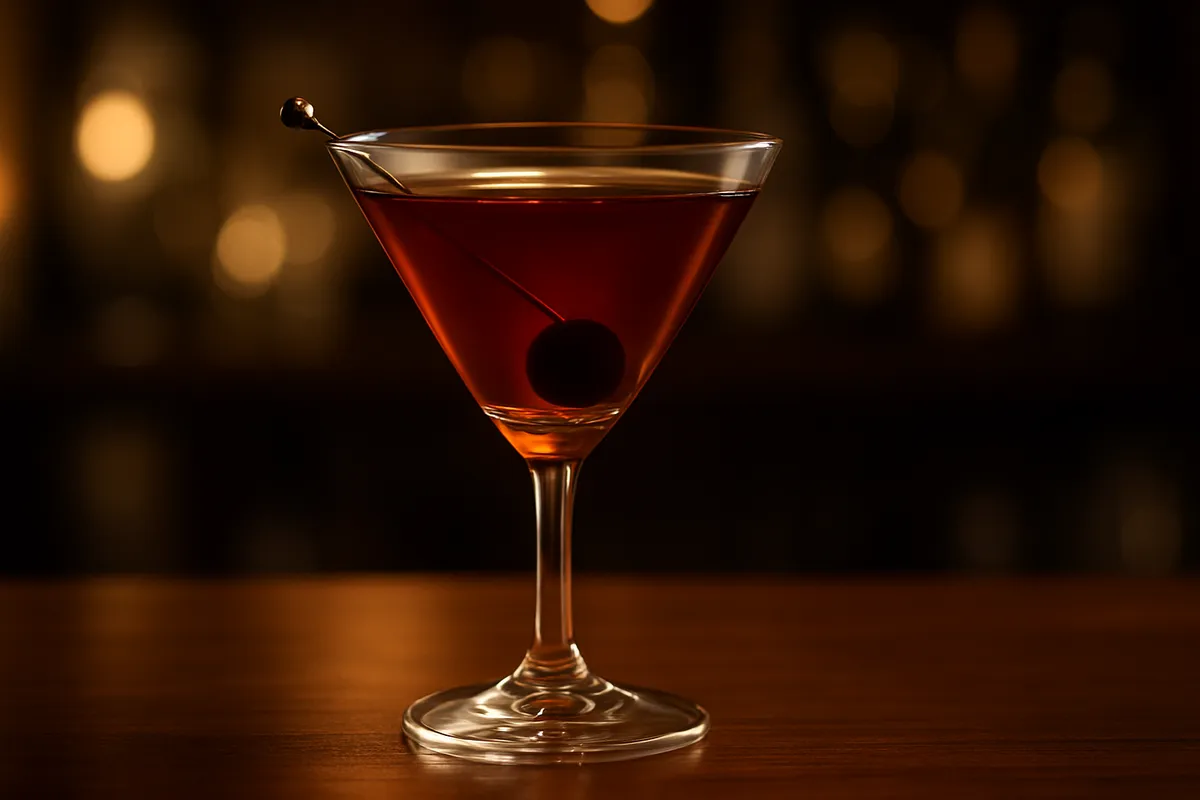
  3. Rye is drier and spicier — the classic Manhattan spine.

  4. Scotch and Irish are their own mixing families, not silent swaps for American whiskey.

  5. For stirred American whiskey drinks, mix around 45–50% ABV. Buffalo Trace or Maker’s Mark (or similar) first; Rittenhouse or Wild Turkey 101 Rye when Manhattans start. Everyday Irish or Scotch highballs can sit near 40%.

The rule

Four styles that matter at home

Four styles — pick for the template, not the shelf flex

Bourbon

Corn · new oak

Rye

Spice · dry

Scotch

Malt · peat?

Irish

Soft · pot still

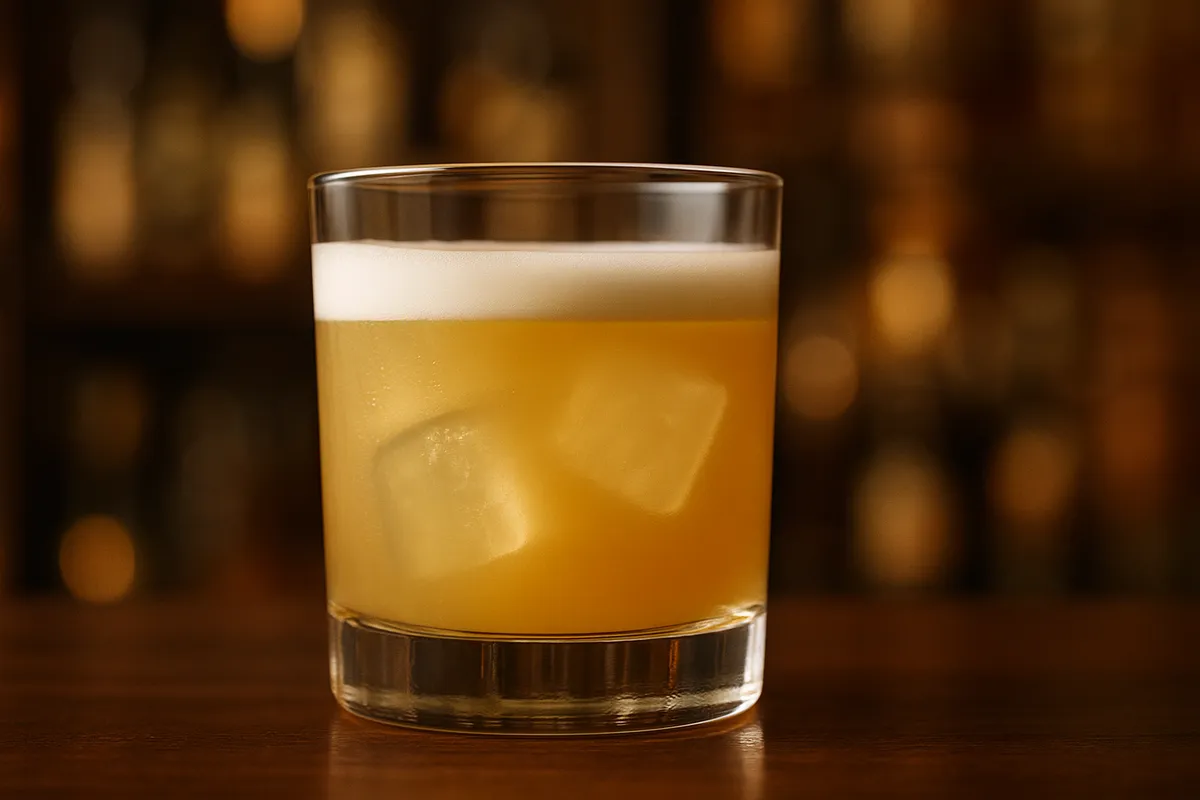
Bourbon is at least 51% corn, aged in new charred oak. Vanilla, caramel, corn sweetness. It is the usual home pour for Old Fashioneds and whiskey sours. Buffalo Trace or Maker’s Mark — or another solid ~45% bourbon you like neat — will do that job. Maker’s is a little softer (wheat in the mash). Both mix. Bourbon may be made anywhere in the United States. Kentucky is tradition, not a legal requirement.

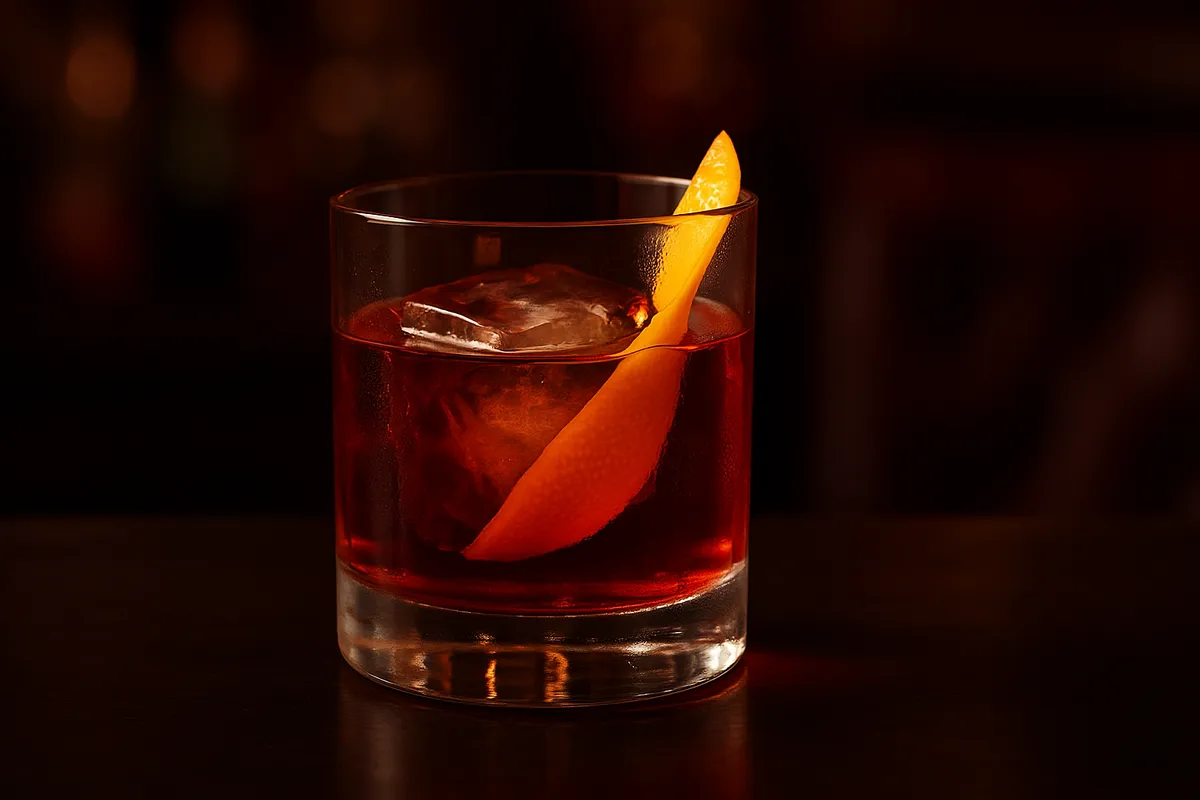
Rye is at least 51% rye grain. Pepper, baking spice, a drier finish. Manhattans and Boulevardiers were written for that snap. Rittenhouse Bonded or Wild Turkey 101 Rye, or similar, is the snap. Bourbon softens them. US rye also ages in new charred oak, so it shares bourbon’s vanilla frame with a leaner grain center.

Scotch must be distilled and aged in Scotland — at least three years in oak. Blended Scotch (malt plus grain whisky) is the cocktail workhorse: highballs, Rob Roy, the body of a Penicillin. Famous Grouse covers that job. Monkey Shoulder is a blended malt — all malt from several distilleries, no grain whisky — also built for mixing. Heavily peated malt is seasoning. Laphroaig 10 or Ardbeg 10 belong as a float or rinse, not as a silent swap for bourbon.

Irish whiskey is often lighter and softer, especially everyday blends. Jameson is the soft highball and gentle sour. Single pot still — malted and unmalted barley, unique to Ireland — carries more body for stirred drinks. Reach for Redbreast, or similar, when the blend goes slack.
Shopping myths

Darker is not older, and older is not automatically better in a cocktail. Color can be char, time, or caramel. The drink cares about grain, cask, and proof.

The legal words — bourbon, rye, straight, bottled-in-bond — live on the American whiskey labels lesson, in the Spirit labels decoded path. This lesson is about what you pour.

Ireland and the United States usually spell whiskey; Scotland often uses whisky. The letter does not decide the cocktail — mash and cask do.

A famous bottle you like neat is not always the bottle the template wants. Save the allocated pour for a glass. Mix with something solid you will open again.

Tip

Proof and a starter shelf

For stirred American whiskey drinks — Old Fashioneds, Manhattans — around 45–50% ABV holds up when sugar, citrus, or vermouth enter the glass. A shy 40% bourbon or rye can taste thin the moment you add sweetener. Everyday Irish blends and blended Scotch in highballs are often fine near 40%; save the hotter pour for spirit-forward builds.

You do not need a whiskey library to start. One solid bourbon you enjoy neat — Buffalo Trace, Maker’s Mark, or similar around 45% — covers Old Fashioneds and sours. Add rye when Manhattans become a habit: Rittenhouse Bonded or Wild Turkey 101 Rye, or similar. Famous Grouse or Jameson can wait until a recipe names them. Peated malt waits longer.

Common mistakes

  • Whiskey sour tastes like smoke fighting lemon → pour bourbon or Jameson, or similar; save Laphroaig 10 or Ardbeg 10 for a Penicillin-style float, not the whole sour.
  • Manhattan tastes mild or sweet from a Canadian bottle labeled “rye” → switch to US straight rye (Rittenhouse Bonded or Wild Turkey 101 Rye, or similar) and read the back label before you buy.
  • Old Fashioned tastes like fruit salad → skip the muddle; spirit, sugar, bitters, and ice, then express an orange peel.
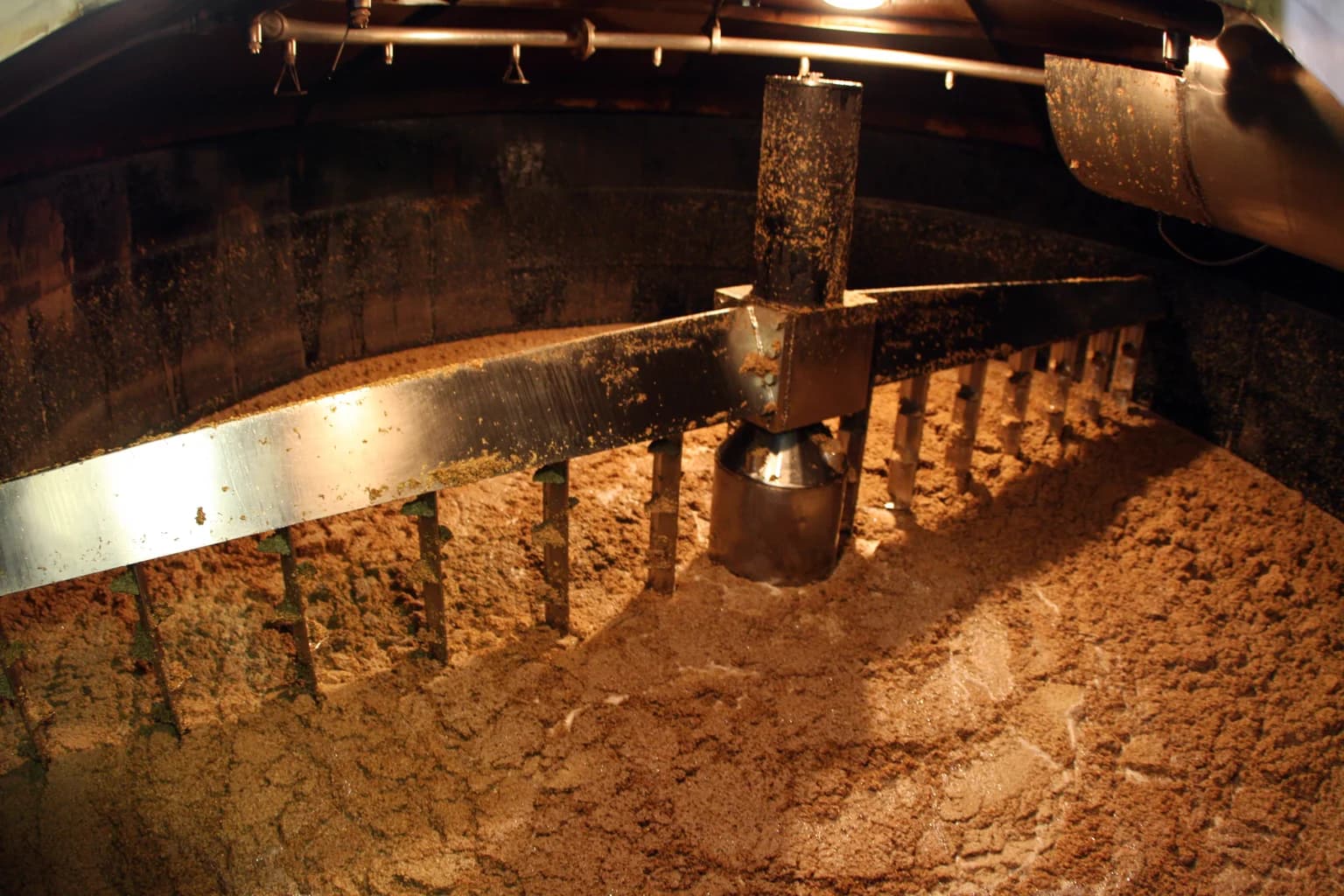
Looking down into a mash tun — grain and water under a steel rake

Up next · 7 min

How whiskey is made

In Whiskey: from bottle to classics · Library