Library

Whiskey · 7 min read

How whiskey is made

Grain, still, and cask explain sweetness, spice, and smoke better than the font on the label.

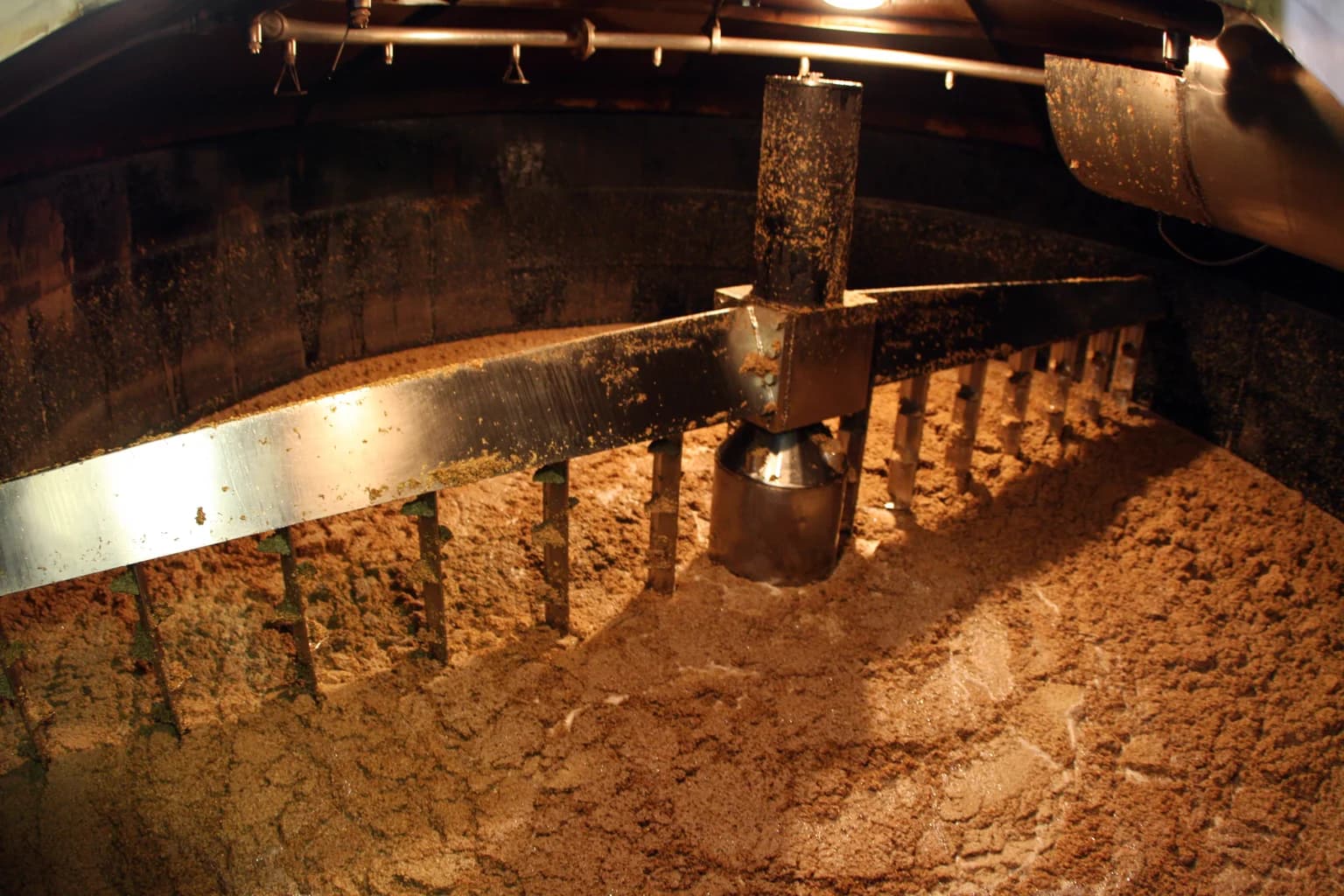
Looking down into a mash tun — grain and water under a steel rake

The big idea

Grain, still, and cask explain sweetness, spice, and smoke better than the label font.

The rule

From mash to glass

Five levers from mash to glass
1

Mash

Corn, rye, malt — the grain you taste later.

2

Ferment

Wash for the still.

3

Still

Pot keeps character; column refines.

4

Cask

New charred oak vs used barrels.

5

Bottle

Proof, filter, then the glass.

New charred oak is the vanilla split. Used casks leave grain and peat more visible.

A few production choices sit between the grain and the glass: what you mash, how you distill it, what cask you fill, how long it sits, and how you bottle it.

Those levers show up more honestly than the typeface on the neck tag. Learn them, and a new bottle is a set of choices you can taste.
Mash bill and still

Mash bill is the grain recipe. Corn reads sweet. Rye reads spice and dry. Malted barley reads bread and, if it was dried over peat, smoke. Wheat reads soft. The legal floors — 51% corn for bourbon, 51% rye for rye — are the start of the flavor, not the whole story. The rest of the mash still matters.

Pot stills keep more of that grain character. Column stills can refine toward a lighter, cleaner spirit. Many bottles are a conversation between the two — especially blends. A mixing Scotch such as Famous Grouse is usually malt plus column-still grain; Monkey Shoulder is a blended malt (all malt, several distilleries, no grain whisky). A single malt can dominate a cocktail. Irish pot still (Redbreast or similar) keeps unmalted-barley body; Jameson is the light blend.

New charred oak vs used casks

Bourbon and US rye must age in new charred oak. The char and fresh wood pull vanillin, caramelized sugars, and toast into the spirit. That is why American whiskey so often tastes of vanilla before you add anything.

Scotch and much Irish whiskey typically age in used barrels — often ex-bourbon, sometimes sherry. Oak reads softer. Grain and peat, if any, stay more visible.

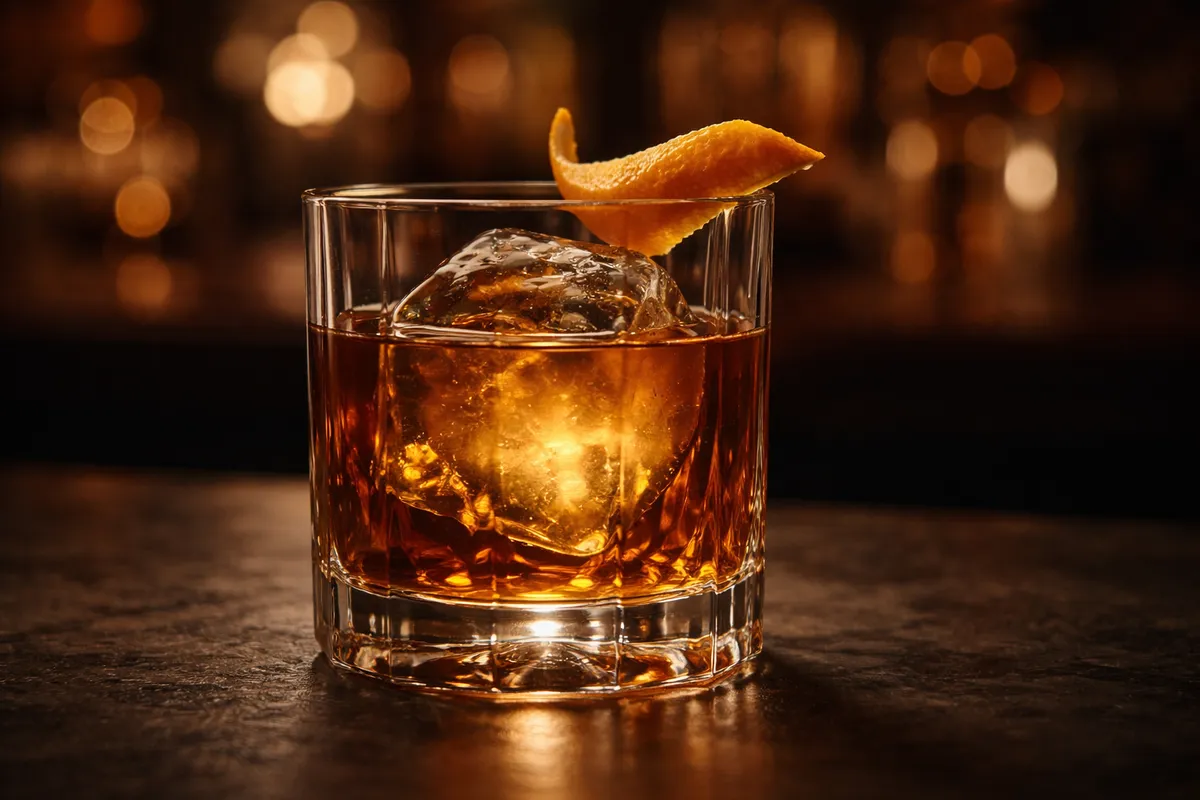
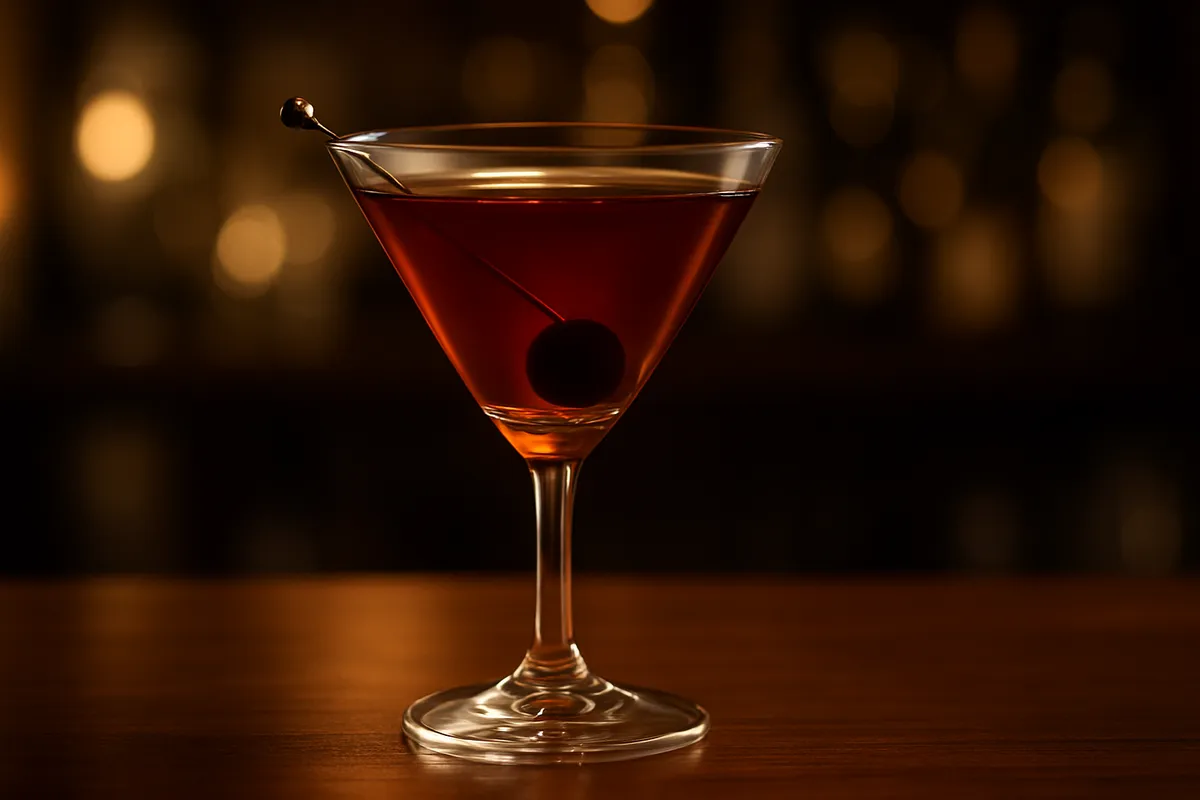
A bourbon Old Fashioned and a Scotch Rob Roy share a template. They are not the same drink. Same bones, different wood and grain.

Tip

Age, peat, and the bottle

Time in wood is work, not a score. US straight whiskey has a two-year floor. Scotch and Irish have a three-year floor. More years can mean more oak — or just a quieter spirit that lost more to the air.

Peat is aroma, not proof. The smoke is in the malted barley, dried over a peat fire, before the still ever runs. A 40% peated malt can shout louder than a 50% bourbon. Laphroaig 10 or Ardbeg 10 will do that job. Dose them like seasoning — not as a silent bourbon.

Many bottles are chill-filtered so they stay bright when you add ice or water. That can strip a little texture. It is not a quality verdict. ABV on the label is the more honest mixing number — for stirred American whiskey drinks, around 45–50% still holds sugar and citrus.

Common mistakes

  • The bottle looks serious but the Old Fashioned tastes thin → check proof first; for stirred American whiskey, mix around 45–50% ABV (Buffalo Trace, Maker’s Mark, or similar), not a shy 40%.
  • You poured more peated malt to make the drink “stronger” → peat is aroma, not proof; keep Laphroaig 10 or Ardbeg 10 as a barspoon float or rinse.
  • Scotch Old Fashioned has no vanilla → that is used casks doing their job; pour new-oak bourbon (Buffalo Trace or Maker’s Mark, or similar) when you want that oak-and-vanilla frame.
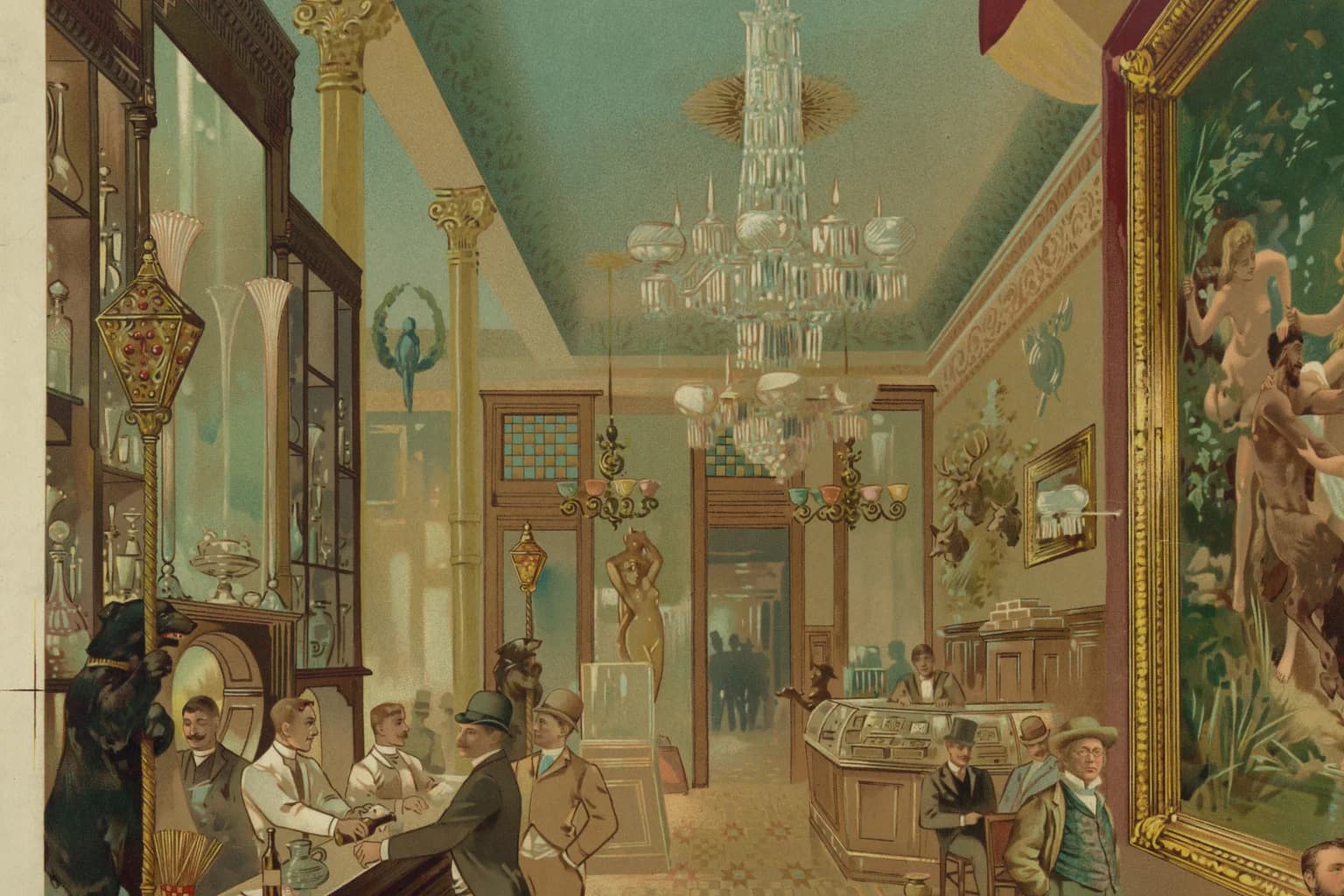
Hoffman House bar, New York, 1880s — a Gilded Age American bar where rye was the usual pour

Up next · 6 min

Whiskey history in your glass

In Whiskey: from bottle to classics · Library