Library

Whiskey · 6 min read

Whiskey history in your glass

A few true stories explain why a recipe wants rye, bourbon, or a different family — not a timeline for its own sake.

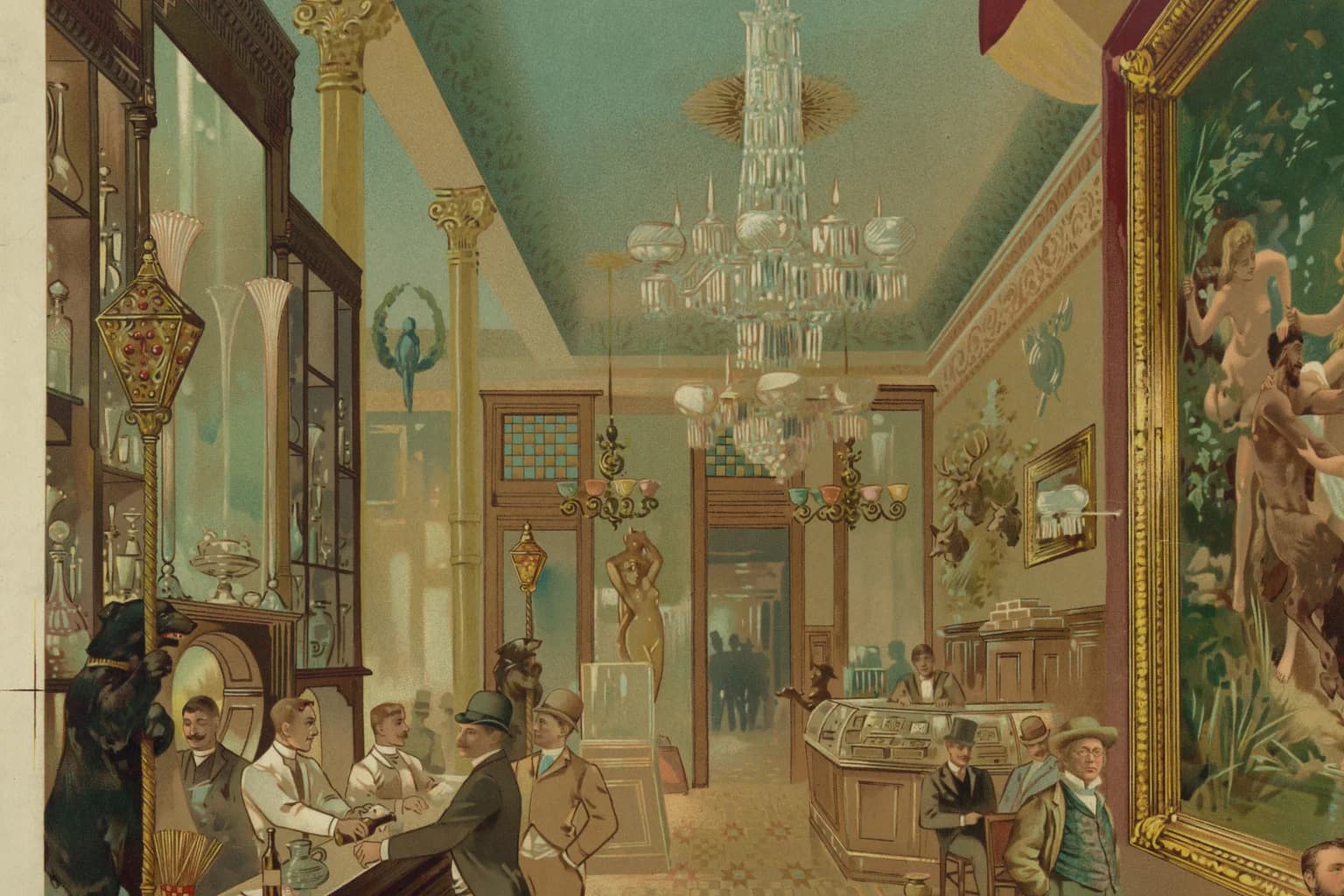
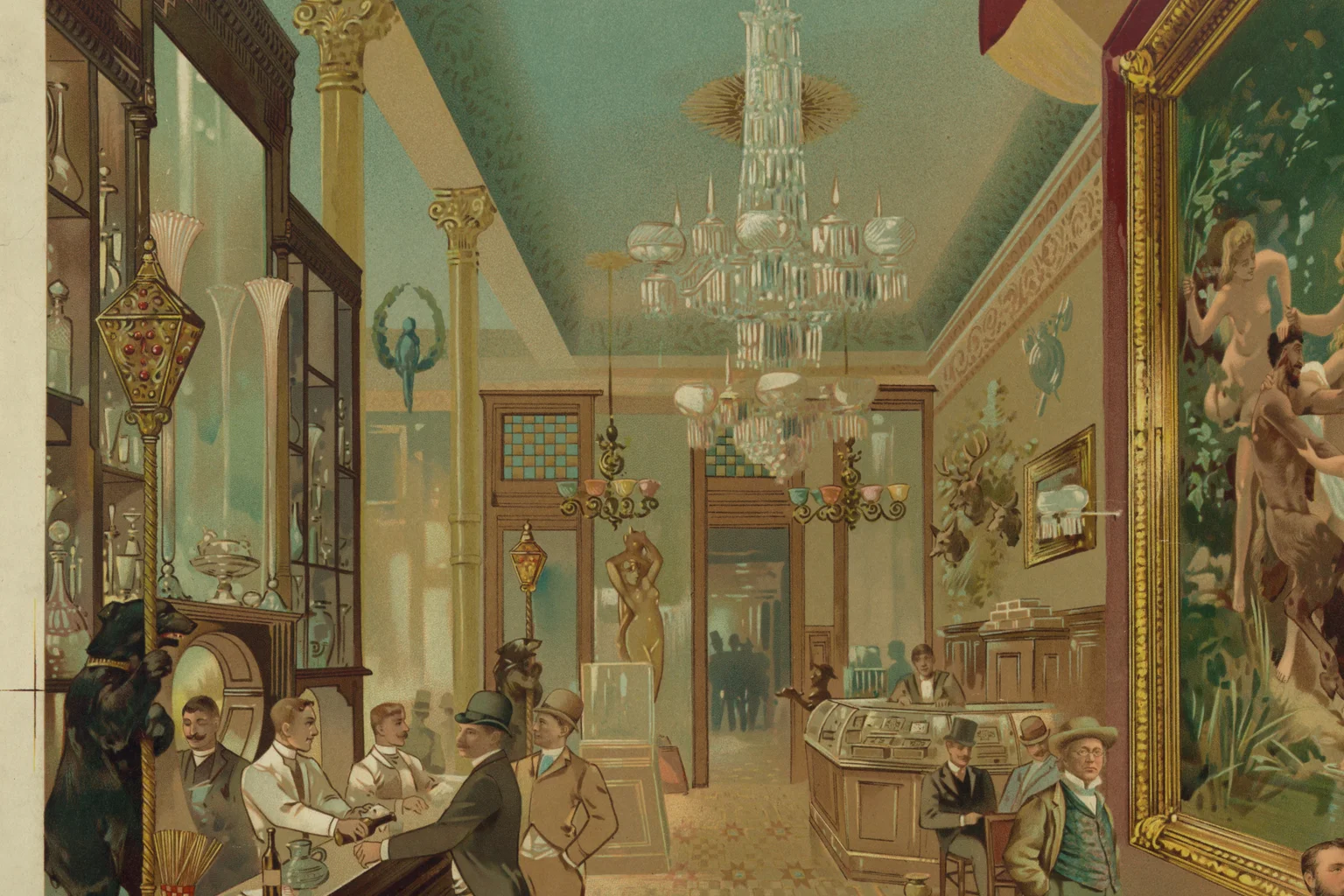
Hoffman House bar, New York, 1880s — a Gilded Age American bar where rye was the usual pour

The big idea

Recipe era often tells you which bottle to pour.

Nineteenth-century rye bars
History that changes what you pour
Hoffman House bar, New York, about 1882 — bartenders pouring at a long mahogany bar

Rye-era New York

Hoffman House, ca. 1882 — the city and decade of the Manhattan. American bars poured mostly rye.
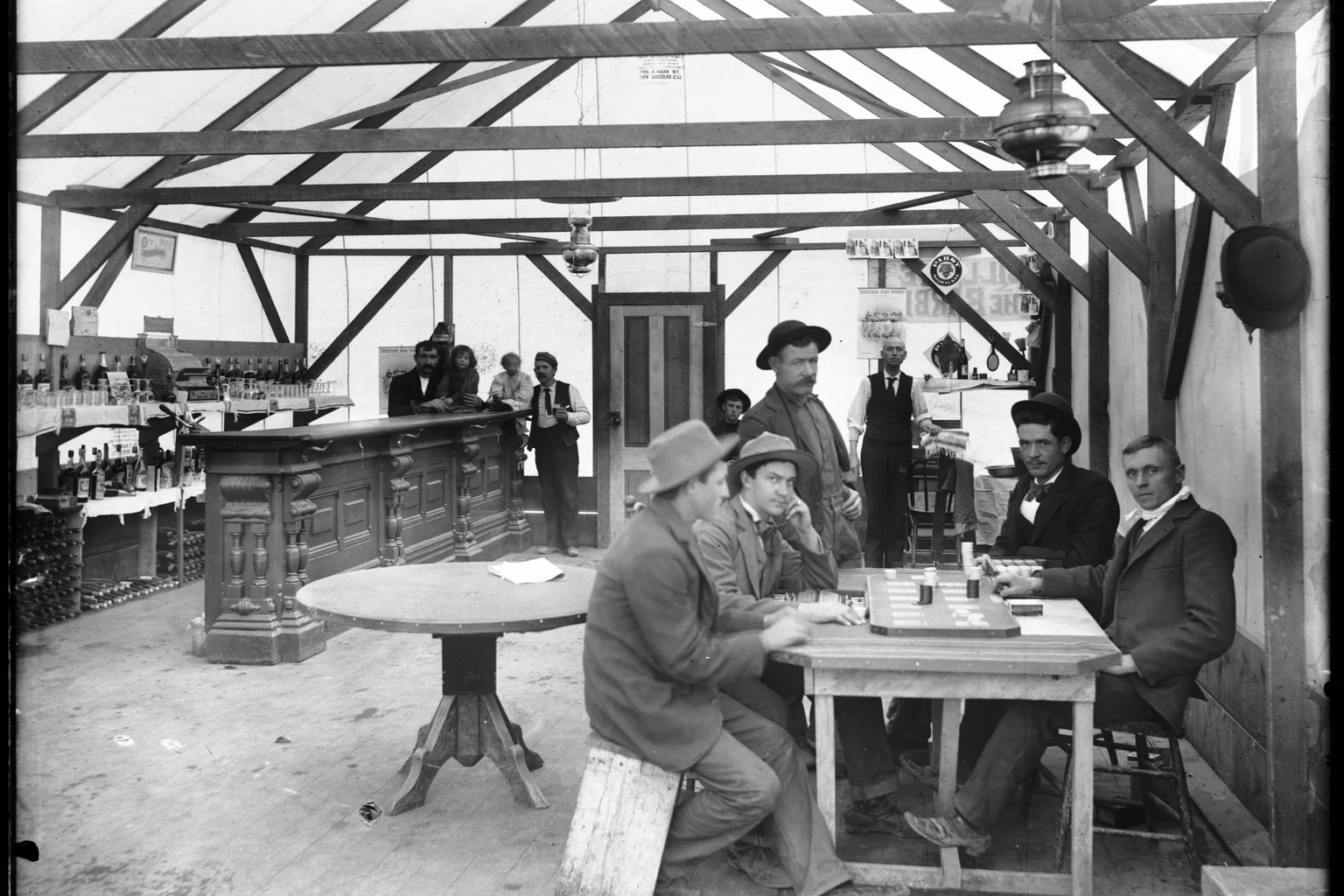
Interior of the Yellow Aster Saloon in Randsburg, California, about 1900 — bottles on the back bar, men at tables

The bar Prohibition emptied

Yellow Aster Saloon, about 1900. Not a speakeasy — the ordinary American back bar that went dark after 1920.
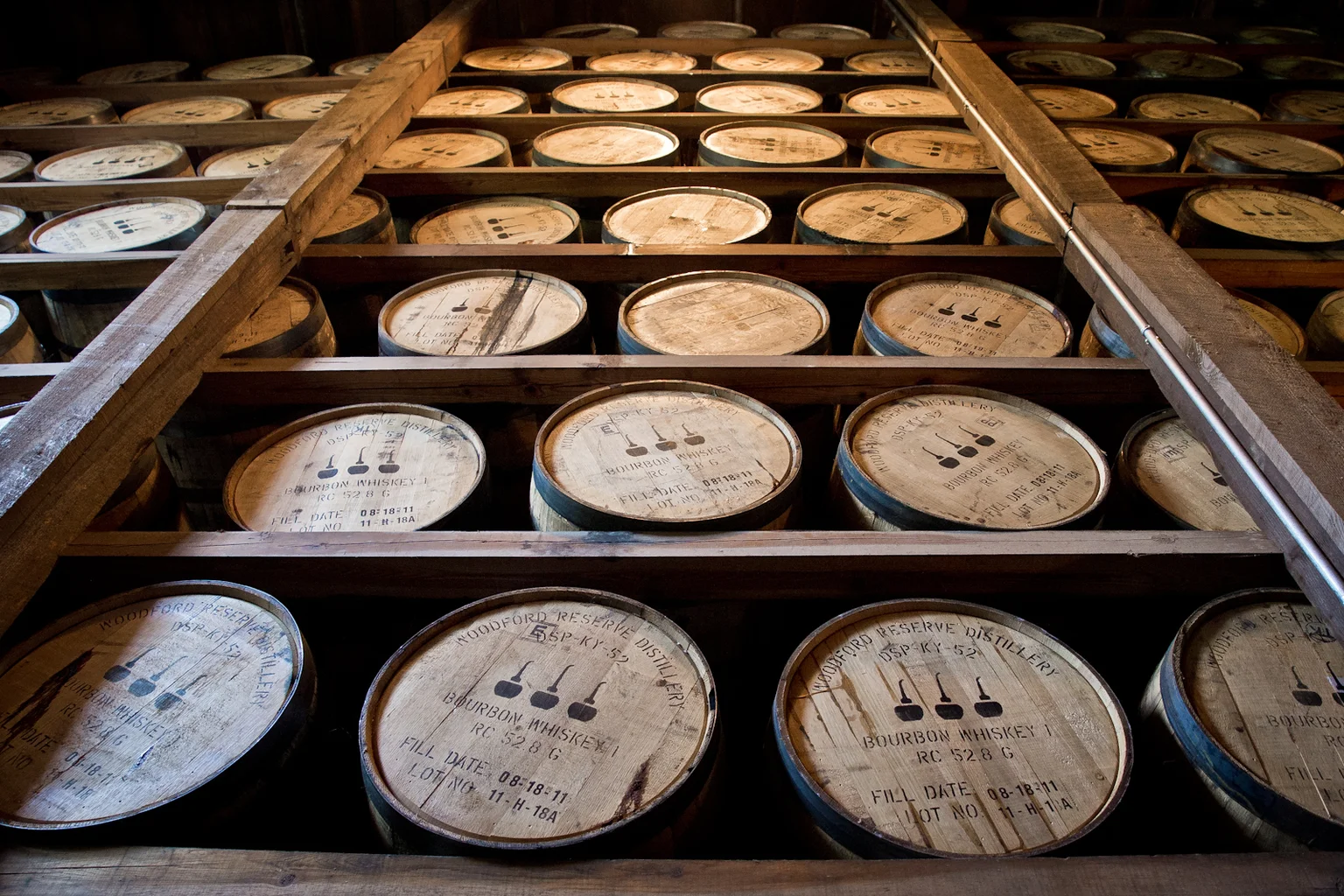
Bourbon barrels aging in a wooden rickhouse at Woodford Reserve, Kentucky

Bourbon in the rickhouse

After repeal, corn whiskey filled the supermarket. New-oak barrels are why “whiskey” started tasting like bourbon.

American bars in the late 1800s poured mostly rye. The Manhattan — New York, 1870s–80s — is whiskey, sweet vermouth, and bitters built on that spice. Invention stories attached to hotels and banquets came later. The useful leftover is the pour: rye against vermouth.

The Sazerac starts as a New Orleans cognac drink, named for a brand of cognac, not a whiskey. Rye became the usual pour as cognac supply and American taste shifted. Treat that as a careful succession, not a founding myth. Peychaud’s and an absinthe rinse are the documented seasoning. Cognac Sazeracs still exist; rye is the modern default.

The whiskey cocktail that became the Old Fashioned — spirit, sugar, bitters, water or ice — and the whiskey sour are the same era’s templates. “Old-fashioned” was a call for that structure against later fancy builds. Fruit muddled in the glass is a later restaurant habit.
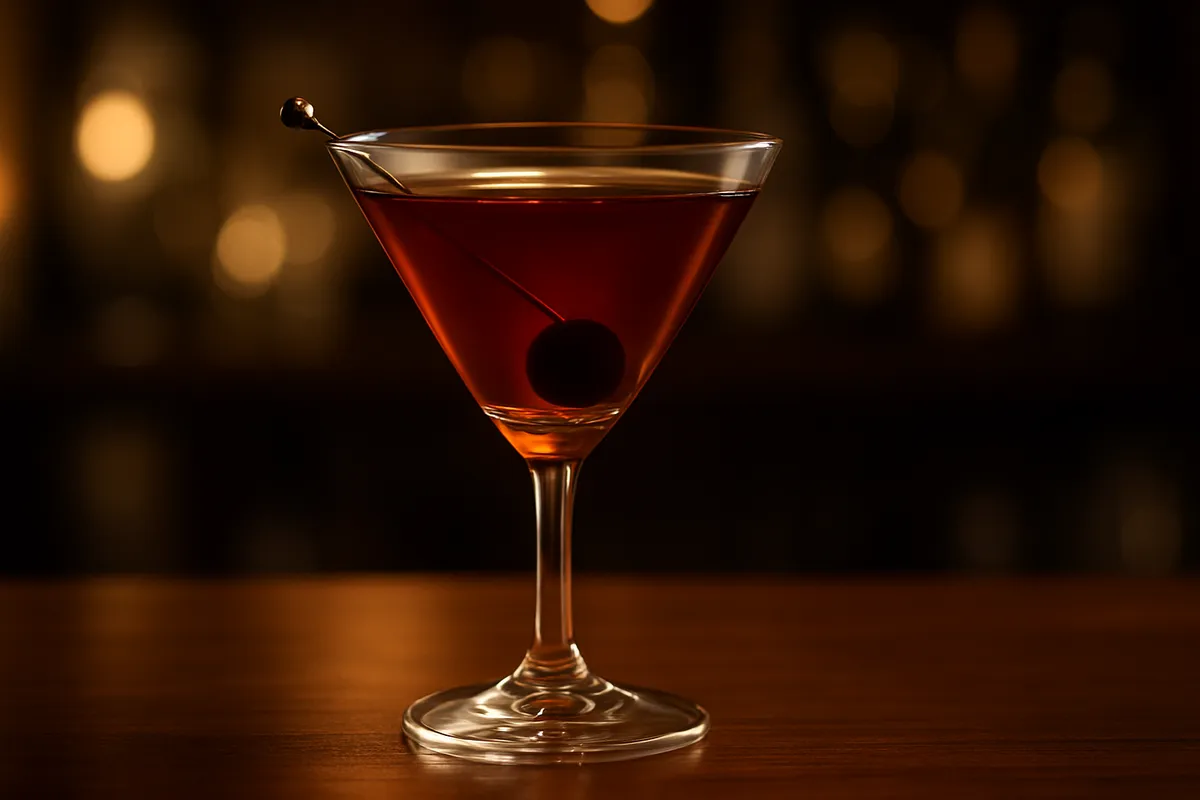
After Prohibition, bourbon became “whiskey”

When the United States went dry, the legal whiskey trade collapsed. After repeal, corn economics and broader distribution made bourbon the supermarket default. Rye nearly left the back bar.

Mid-century American recipes that say only “whiskey” often silently assume bourbon. That is a shelf fact, not a law. If you are reading a 1950s spec, corn-and-oak is the likely pour.

Rye’s near-death and return

Rye stayed scarce through the late twentieth century. The cocktail revival of the 2000s brought it back because Manhattans and Sazeracs taste flabby when corn sweetness is the only whiskey in the glass. Rittenhouse Bonded is one of the bottles that made that snap easy to buy again.

Reading a recipe’s era is often enough to choose a bottle. An 1880s Manhattan wants rye. A mid-century “whiskey” sour will forgive bourbon. A modern spec that names rye means it.

Tip

Scotch and Irish stay their own families

Scotch and Irish whiskey did not wait for the American revival to exist. They have always been separate mixing families, with their own law and their own drinks.

A Rob Roy is a Manhattan idea on Scotch — same bones, different grain and cask. Irish coffee and a gentle Irish sour are their own chapter. Do not fold those bottles into the American “whiskey” line unless the recipe says so.

Common mistakes

  • An 1880s-style Manhattan tastes flabby on bourbon → pour rye (Rittenhouse Bonded or similar); the useful leftover from that era is the bottle, not the banquet story.
  • Sazerac tastes like a Manhattan with extra bitters → rye is the modern default (cognac was first); rinse the glass with absinthe and dump the excess, and do not stir in a full measure.
  • A 19th-century spec says “whiskey” and the drink tastes like a campfire → pour rye, not peated malt; smoke was not the American bar’s silent default.
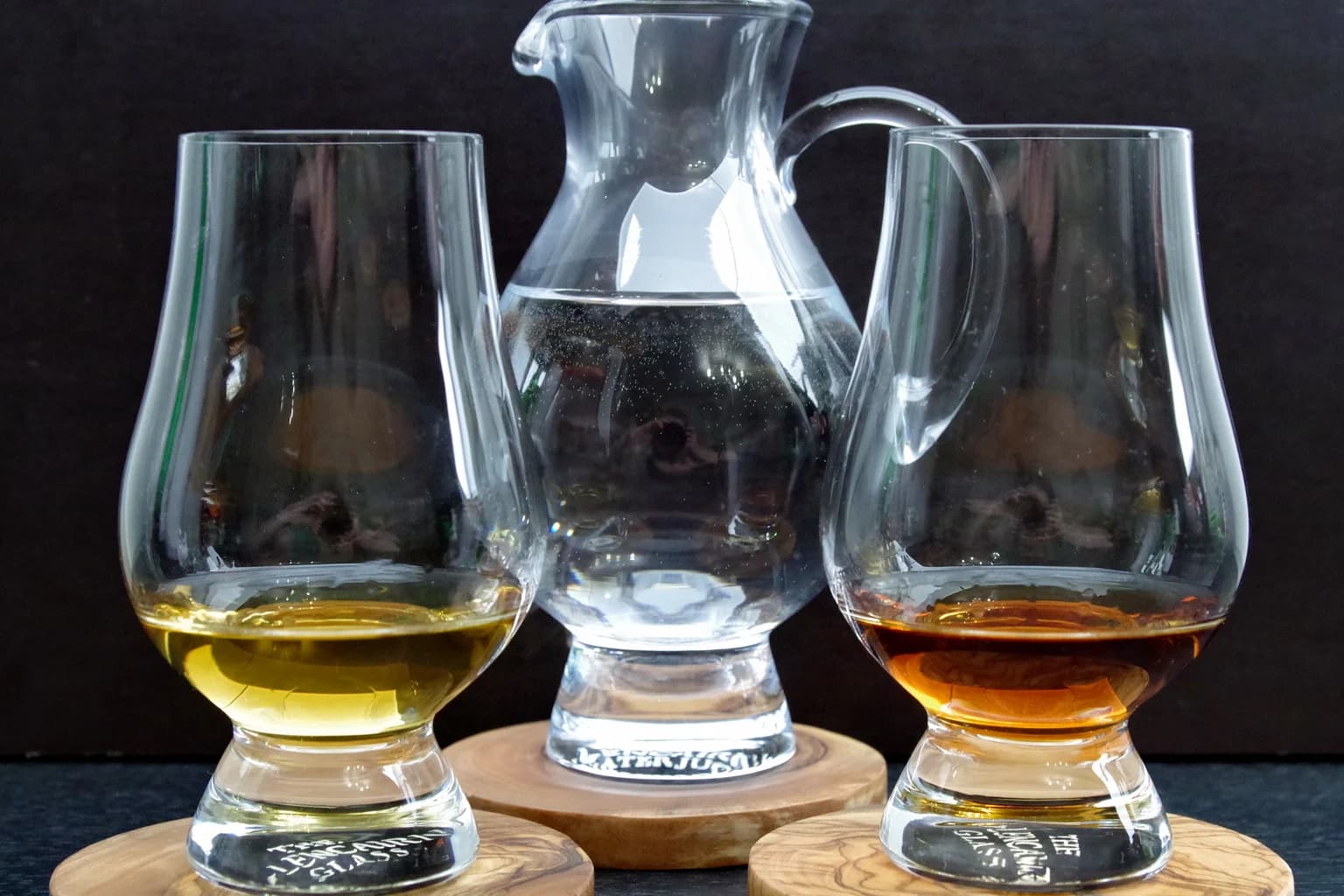
Two Glencairn tasting glasses with different-colored whiskey pours and a water jug between them

Up next · 7 min

Whiskey: learn to taste the difference

In Whiskey: from bottle to classics · Library