What is Mezcal?
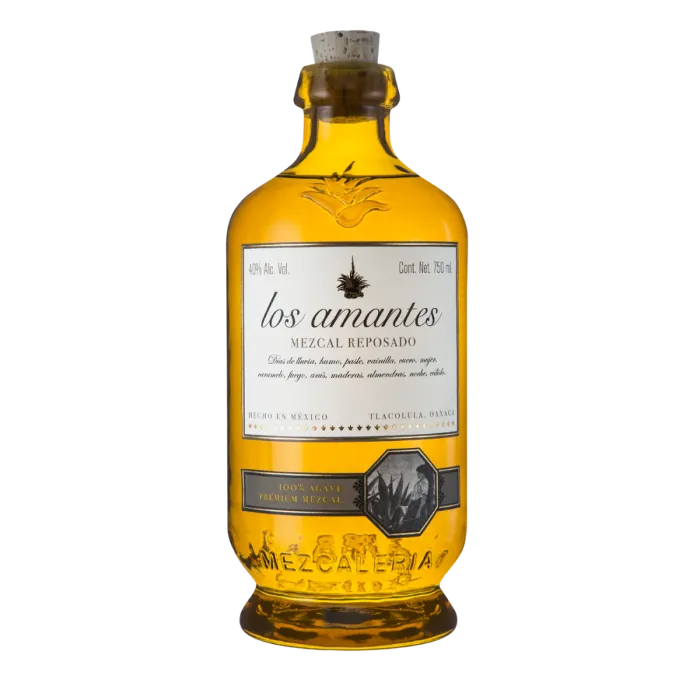
Agave distillate, often from piñas roasted in earthen ovens, legally distinct from tequila; smoke is a production note and, in cocktails, often a seasoning as much as a base.
The basics
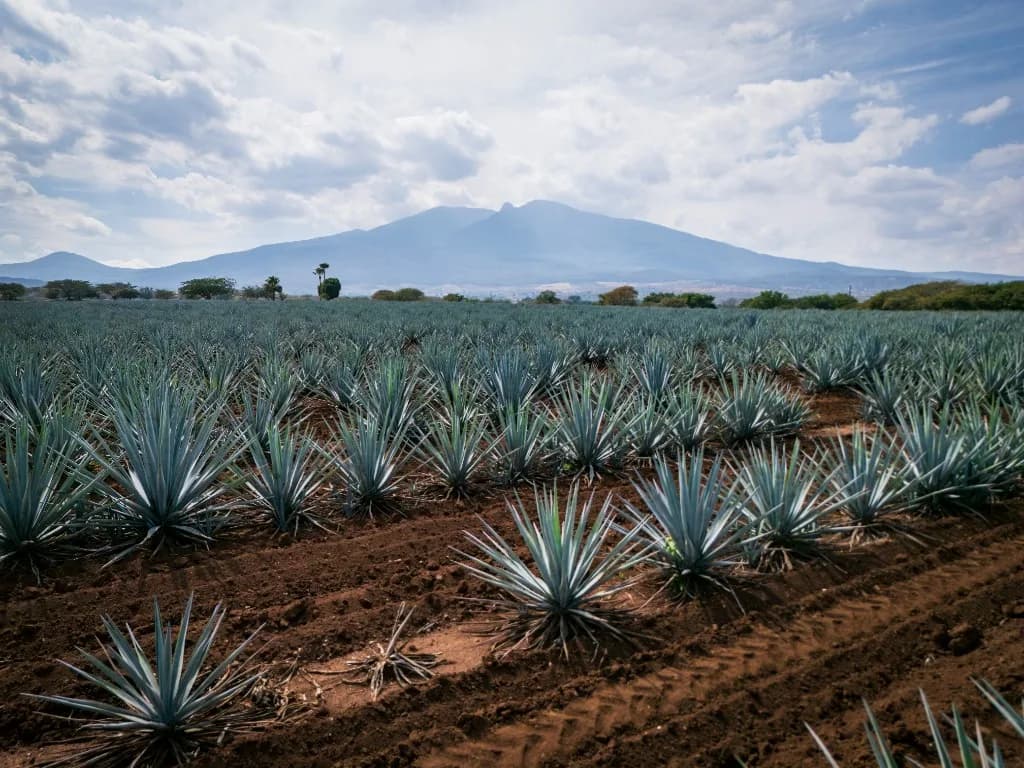
Mezcal is a denomination of origin for agave spirit produced in specified Mexican states. Tequila is a separate DO with tighter botanical and geographic rules (blue Weber only, different territory); it is not labeled mezcal, though both are agave distillates. Traditional mezcal production roasts agave hearts (piñas) in earthen pits lined with wood and stone, then ferments and distills, often in copper or clay. The smoke associated with mezcal comes from that roast, not from a post-distillation additive.
In the glass mezcal may be a full base — a Paloma or Margarita built entirely on it — or a split with blanco tequila, or a rinse, mirroring how peated whisky is used. Espadín at typical cocktail proof (about 40–48% ABV) is the workhorse; high-proof, small-batch wild-agave bottles are closer to sipping spirits.
How it tastes
Cooked agave plus, in traditionally made mezcal, smoke from roasting the hearts in pit ovens. Espadín (Agave angustifolia) is the usual mixing profile: agave sweetness, pepper, campfire. Other agaves (tobalá, tepextate, and so on) can be intensely mineral, herbal, or savory and will steer a cocktail more than a sour’s citrus can correct.
Where it comes from
Village-scale agave distillation in Oaxaca and elsewhere is older than mezcal’s cocktail-bar identity. Export bottling and US bar culture, especially from the late 2000s, put mezcal into Palomas, Last Word variations, and Negroni-family drinks. The Oaxaca Old Fashioned (Phil Ward, New York, 2007) — reposado tequila, mezcal, agave syrup, bitters — was an early template for treating mezcal as a measured component rather than a novelty pour.
The category’s cocktail use is thus recent relative to gin or whiskey, even though the agricultural practice is not.
How to use it
Espadín mezcal can replace tequila in a Paloma or Margarita when smoke is wanted, or split 1:1 with blanco tequila so agave remains and phenol does not monopolize the sour. In stirred drinks, start with a smaller mezcal fraction (as in an Oaxaca Old Fashioned) unless the bottle is mild. A very savory or high-proof mezcal behaves like a peated malt: better as aroma or a split than as the sole two-ounce base in a citrus drink. Store like other spirits; smoke and agave notes are stable.
Note
The smoke in traditionally made mezcal is a Maillard-and-combustion note from roasting the piña; it is not liquid smoke and is not required of every legally labeled mezcal, though it is what most cocktail recipes are asking for.
What pairs with it
Cocktails with Mezcal
A few of the 16 MixWise recipes that call for it.
Tequila
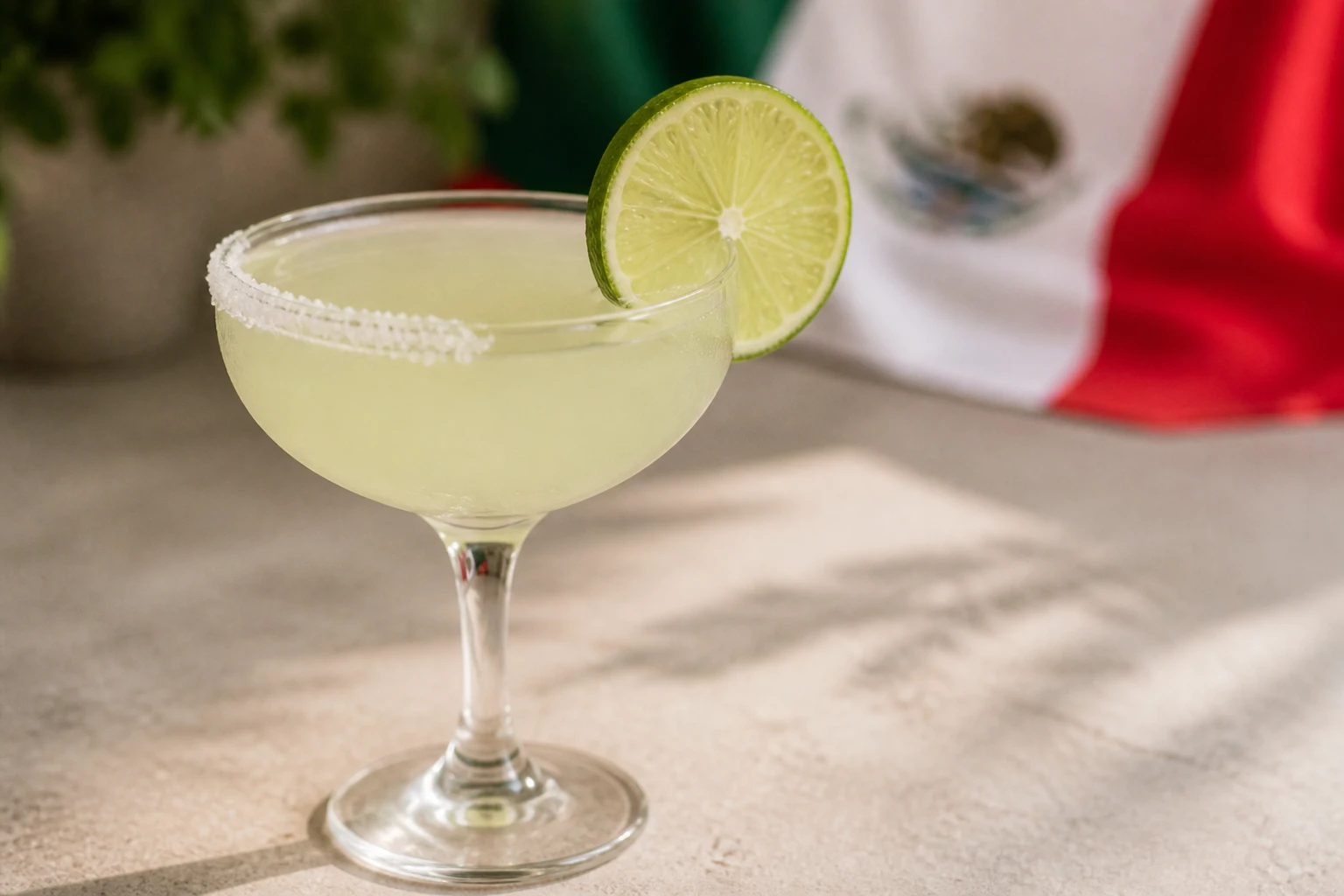
Margarita
A crisp, lime-driven tequila sour with a saline edge and crystalline balance.
Mezcal
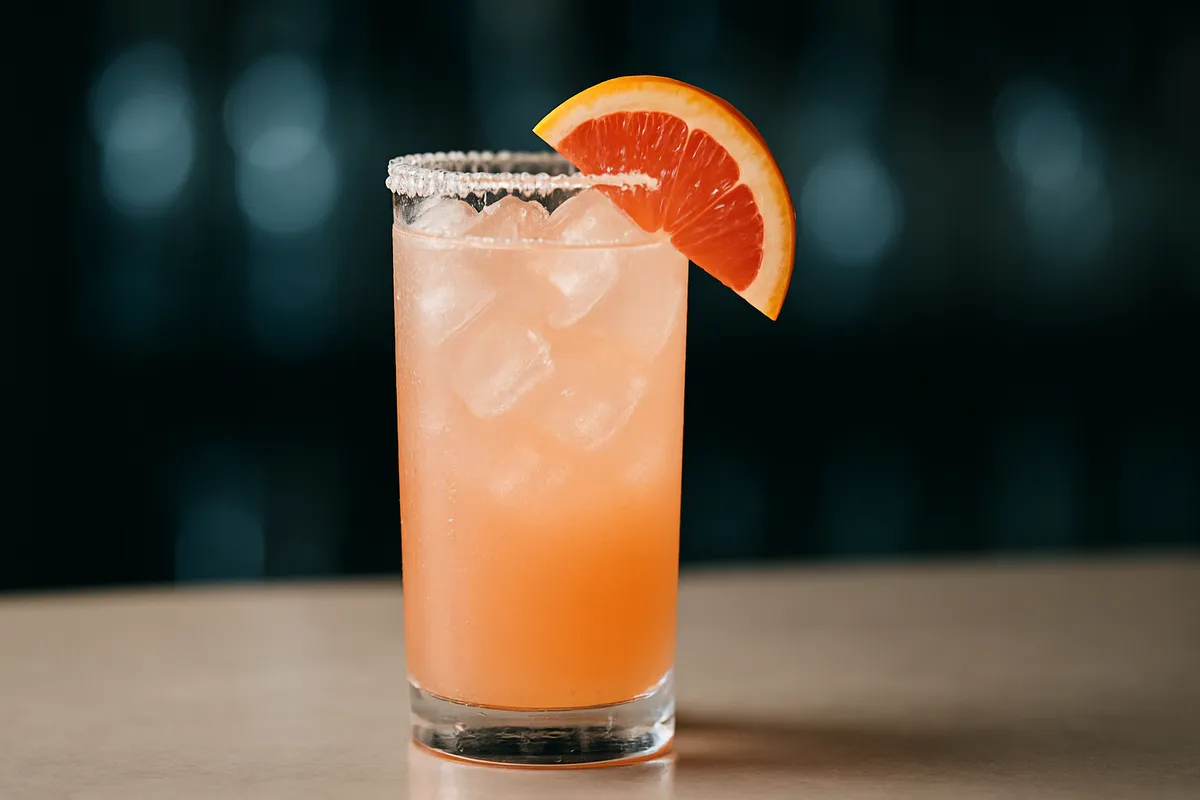
Mezcal Paloma
A smoky Paloma variation with mezcal, grapefruit soda, and lime.
Tequila
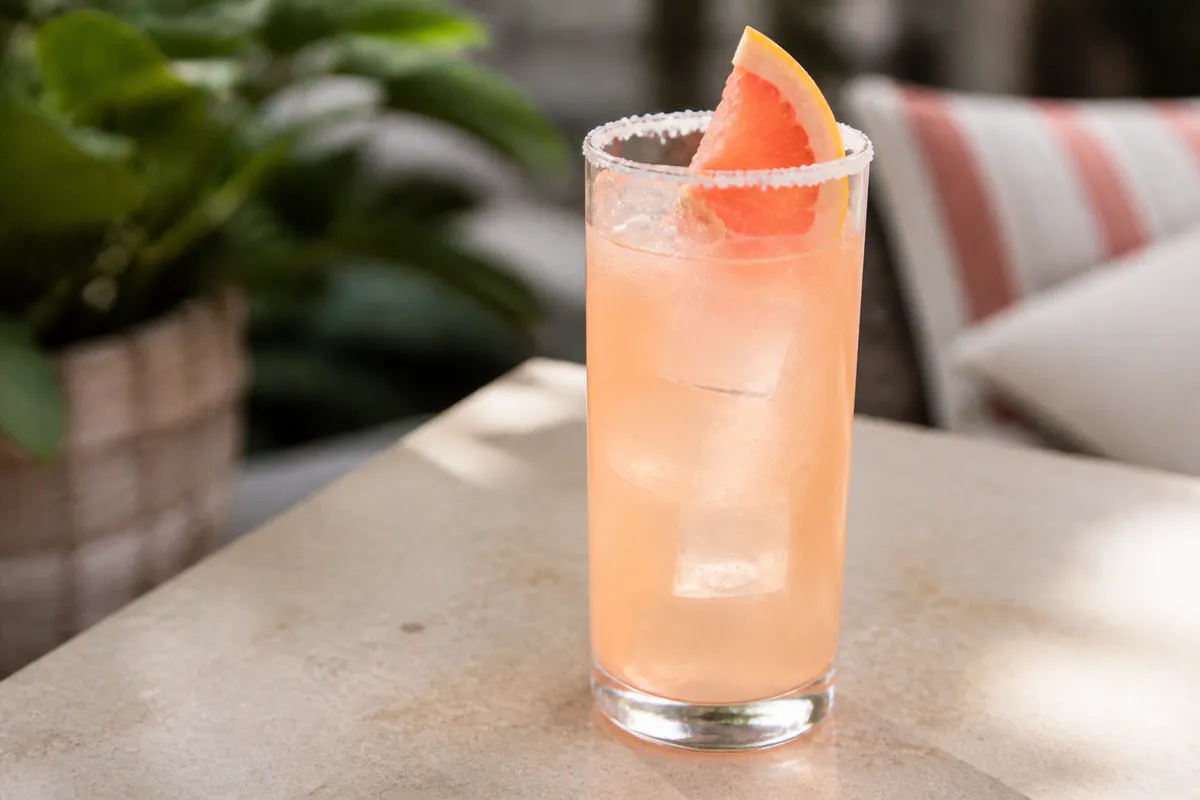
Paloma
A long, grapefruit forward tequila highball that drinks bright and mineral.
Mezcal
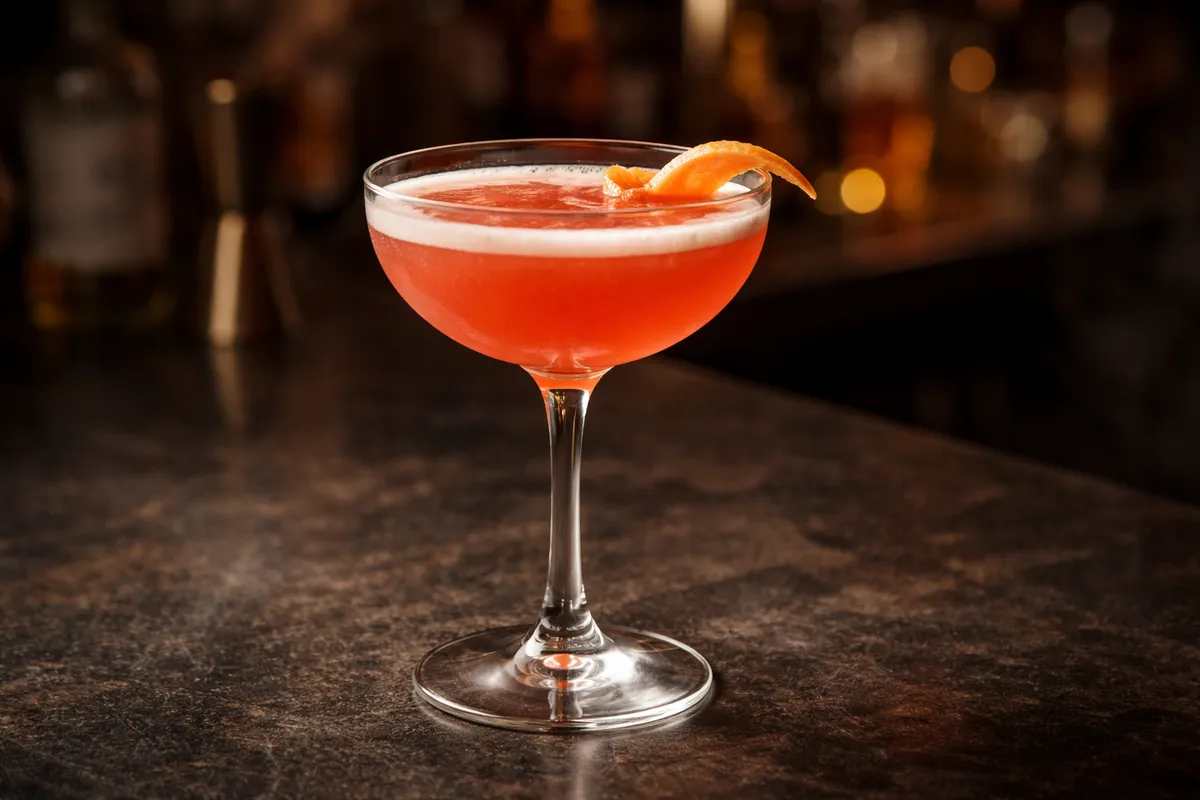
Division Bell
A smoky, aperitivo-style sour with mezcal and maraschino.
Mezcal
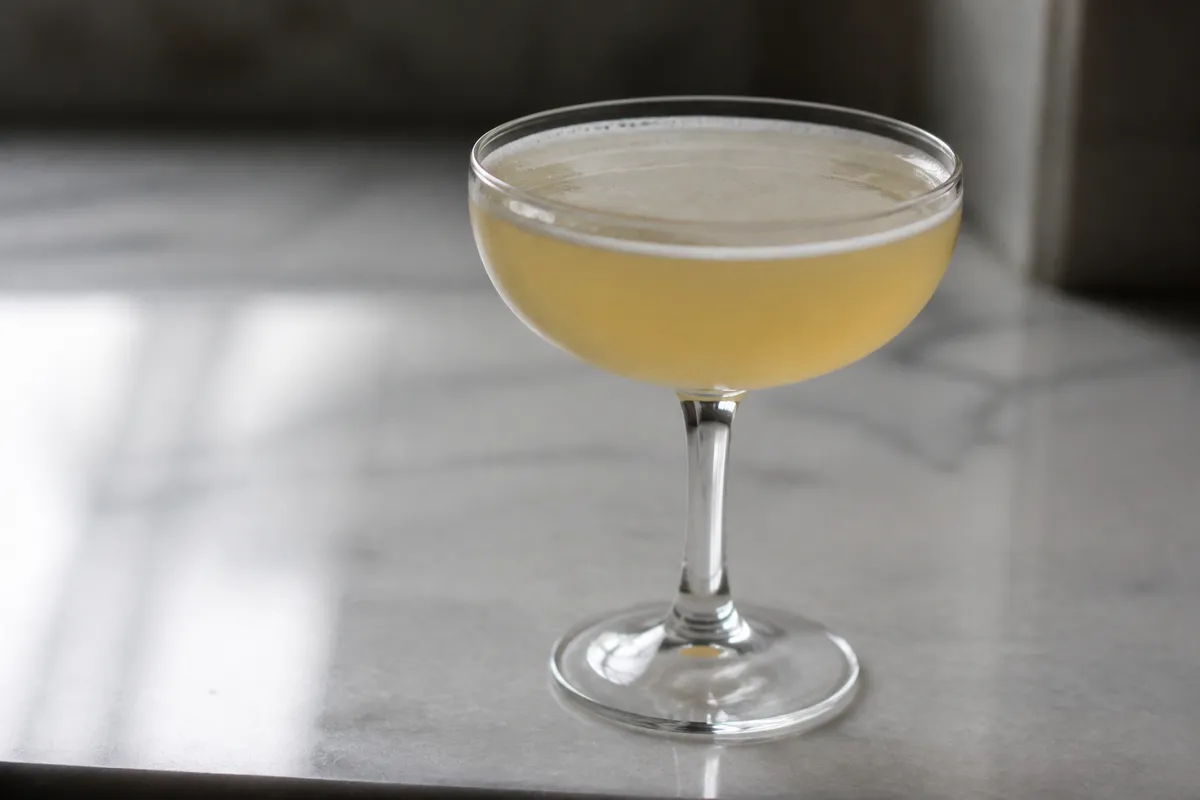
Illegal
A mezcal and Jamaican rum sour with falernum, lime, and maraschino.
Mezcal
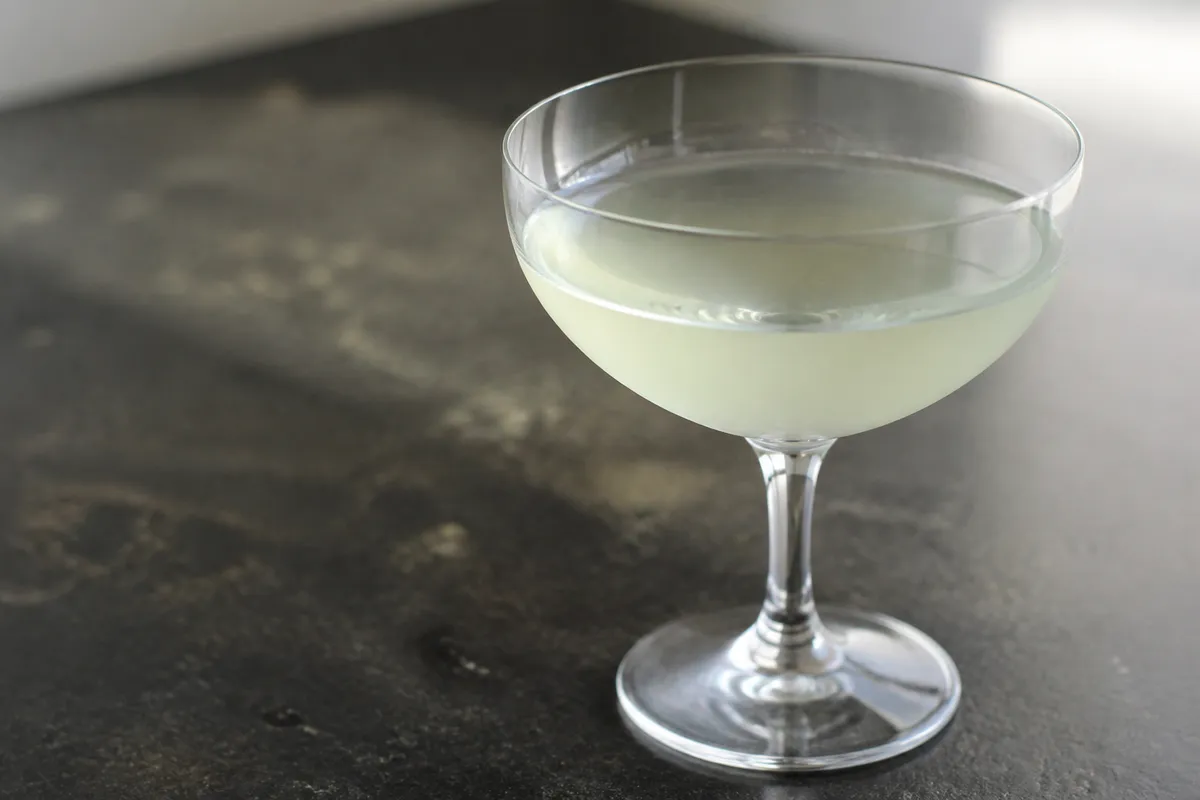
Mezcal Last Word
An equal-parts Last Word with mezcal in place of gin.