What is Bourbon?
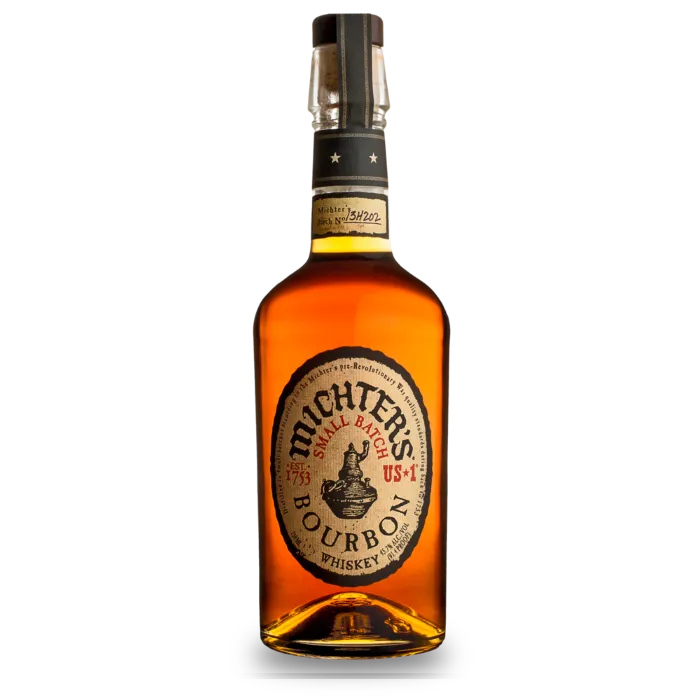
American whiskey distilled from a mash of at least 51% corn and aged in new charred oak; rounder and sweeter than rye, and the usual pour for the Old Fashioned and whiskey sour.
The basics
Bourbon is whiskey produced in the United States from a fermented mash of at least 51% corn, distilled to no more than 160 proof, entered into new charred oak barrels at no more than 125 proof, and bottled at no less than 80 proof. There is no legal minimum age for bourbon as such; “straight bourbon” must be aged at least two years, and bottled-in-bond whiskey is 50% ABV, aged at least four years, and the product of one distillery and one season. The new barrel — not Kentucky soil alone — is why bourbon tastes of vanilla and caramel rather than the drier spice of rye.
In cocktails it is a sweet, oak-forward base for the Old Fashioned family (spirit, sugar, bitters), the whiskey sour, and whiskey-and-vermouth drinks such as the Boulevardier when a rounder profile is wanted. It will not supply the snap of a rye Manhattan unless the recipe is rewritten around that softness.
How it tastes
Vanilla, caramel, coconut, and toasted oak from the new charred barrel, plus corn sweetness. Higher-rye mash bills add pepper and baking spice; wheated bourbons are softer. Proof matters in the glass: 50% ABV (bottled-in-bond) or about 45–50% holds up in an Old Fashioned better than a timid 40% whiskey.
Where it comes from
Corn whiskey and barrel aging in the Ohio and Kentucky river valleys produced a recognizable American style in the 18th and 19th centuries; the name “bourbon” is tied to that trade, though the spirit may legally be made anywhere in the United States. The whiskey cocktail that became the Old Fashioned — spirit, sugar, bitters, and water or ice — and the whiskey sour are 19th-century templates.
After Prohibition, bourbon was cheaper and more widely distributed than rye, and it became the default American mixing whiskey. Rye nearly left the back bar until the cocktail revival of the 2000s. Most mid-century “whiskey” recipes in the United States silently assume bourbon.
How to use it
Pour bourbon in Old Fashioneds, whiskey sours, and highballs when corn sweetness and oak vanilla are wanted. In a Boulevardier it softens Campari relative to rye; in a Manhattan it reads sweeter and rounder than the rye original. If a recipe says only “whiskey,” American whiskey — bourbon or rye — is the usual intent. Mixing bottles around 45–50% ABV keep sugar and citrus from washing the spirit out. Bourbon is stable at room temperature; once opened, oxidation is slow compared with vermouth.
Note
The 19th-century whiskey cocktail did not include muddled orange and cherry. Sugar, bitters, whiskey, ice or water, and a twist are the structure; fruit in the glass is a later garnish habit.
What pairs with it
Cocktails with Bourbon
A few of the 30 MixWise recipes that call for it.
Bourbon
Boulevardier
A whiskey Negroni of bourbon or rye with Campari and sweet vermouth.
Whiskey
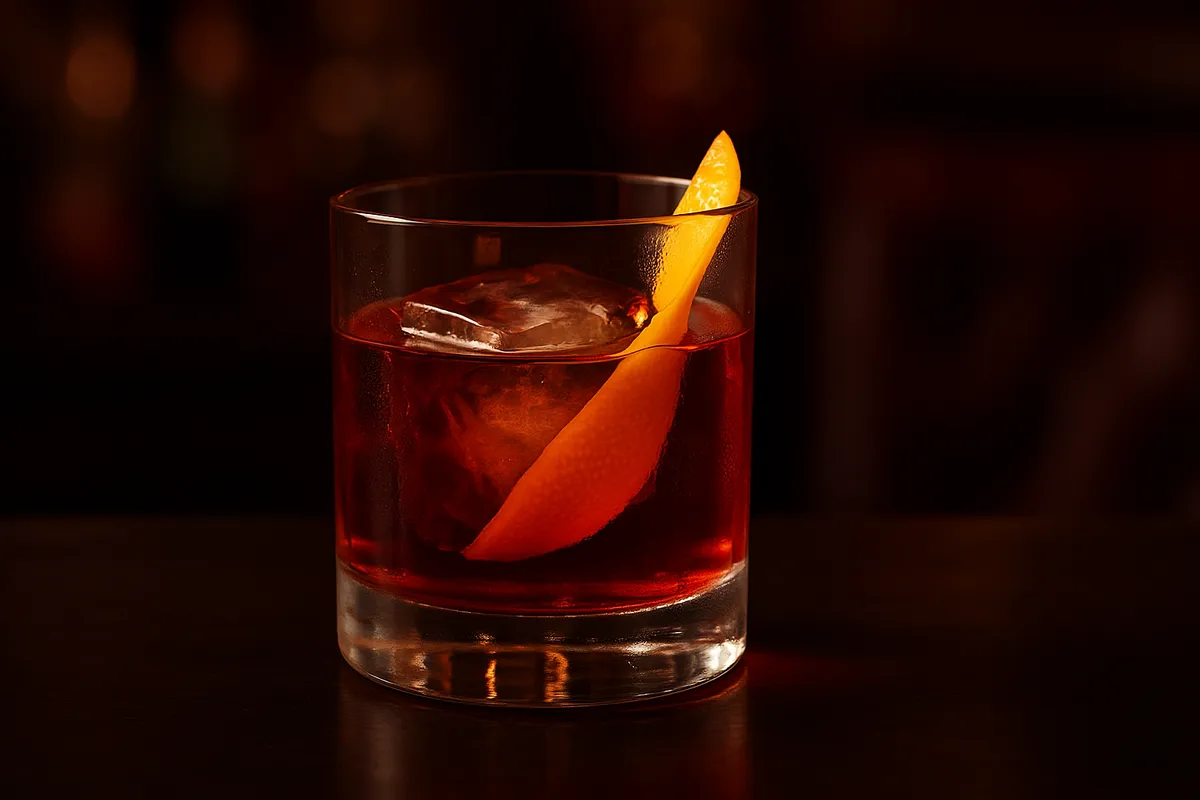
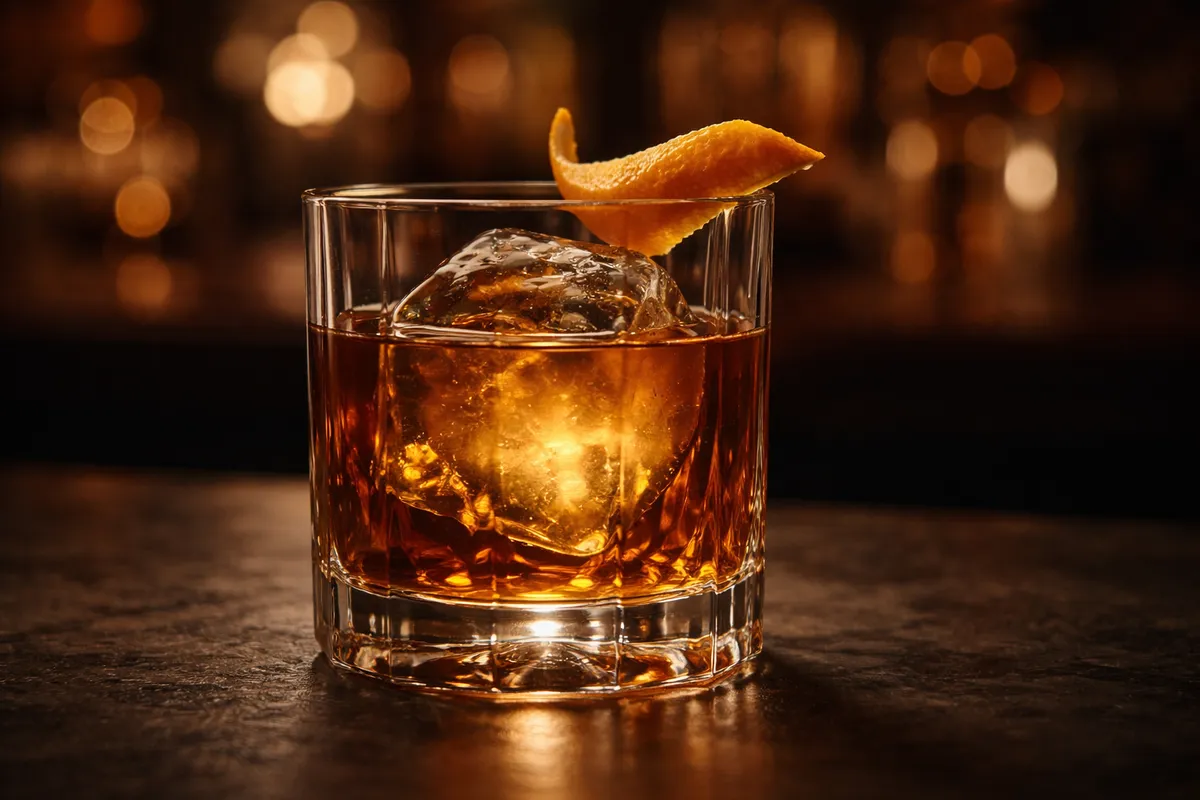
Old Fashioned
A stripped-down whiskey cocktail with sugar, bitters, and citrus oil served over ice.
Whiskey
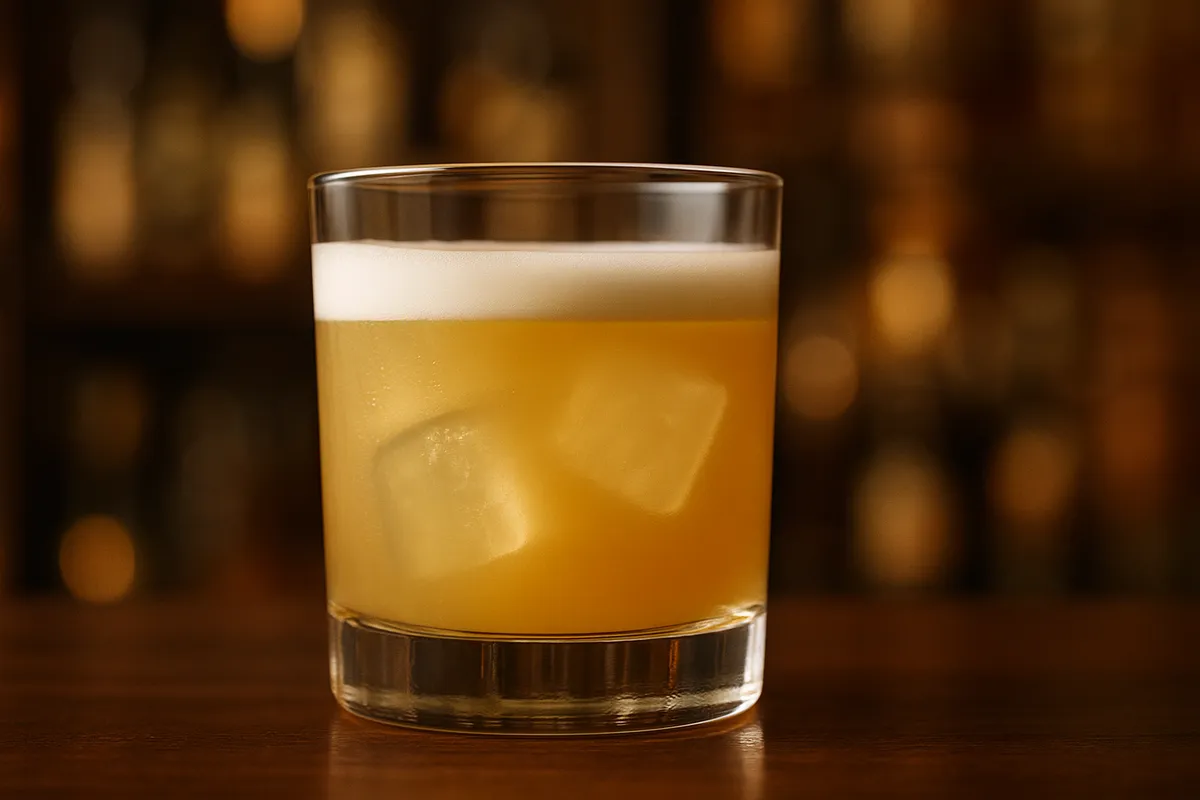
Whiskey Sour
A balanced whiskey sour with bourbon or rye, lemon juice, and sugar, often finished with egg white.
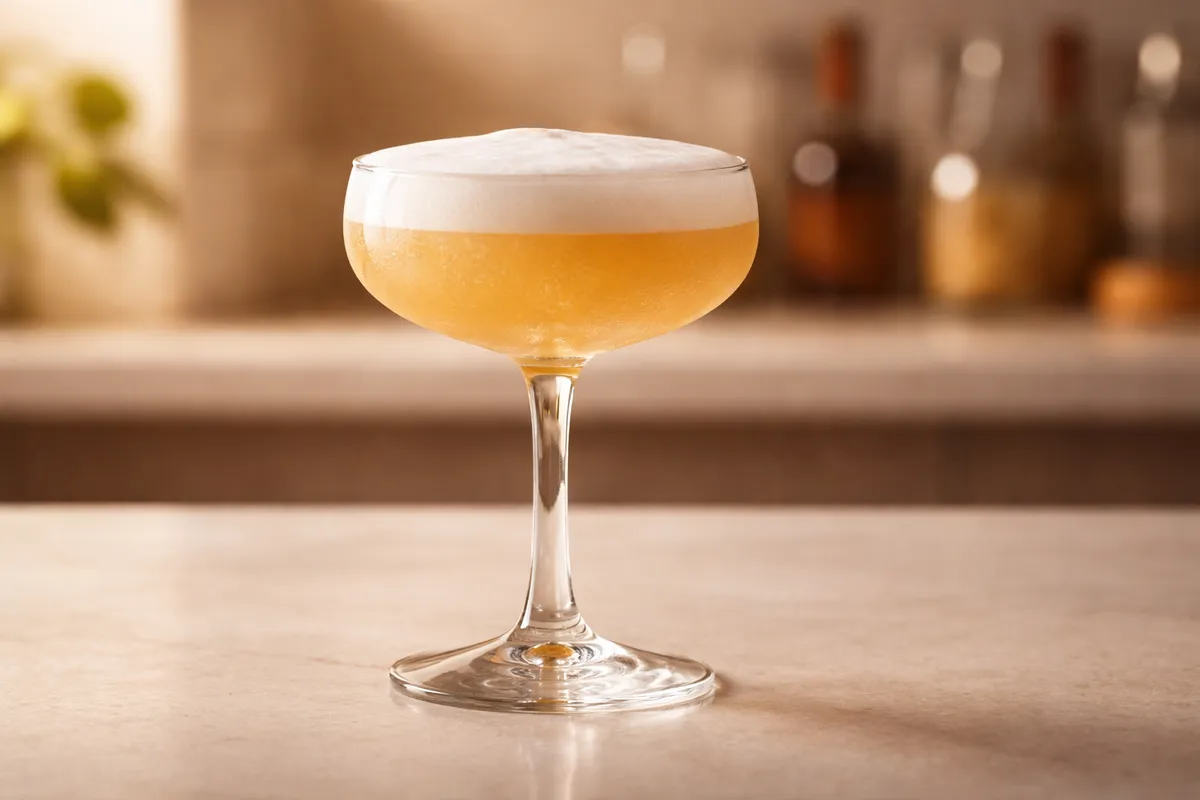
Amaretto
Amaretto Sour
A silky nutty sour balanced with citrus and a touch of whiskey.
Bourbon
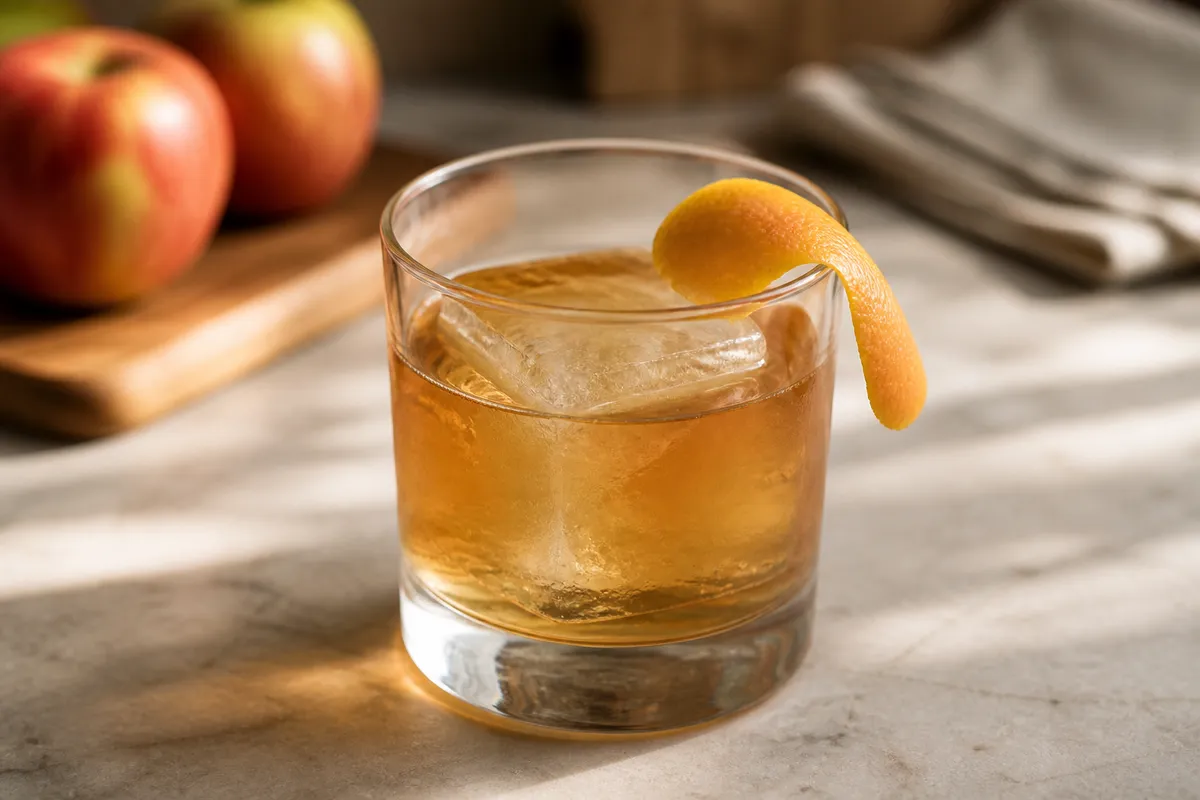
Apple Cider Old Fashioned
An Old Fashioned sweetened with apple cider and maple for a clear autumn profile.
Whiskey
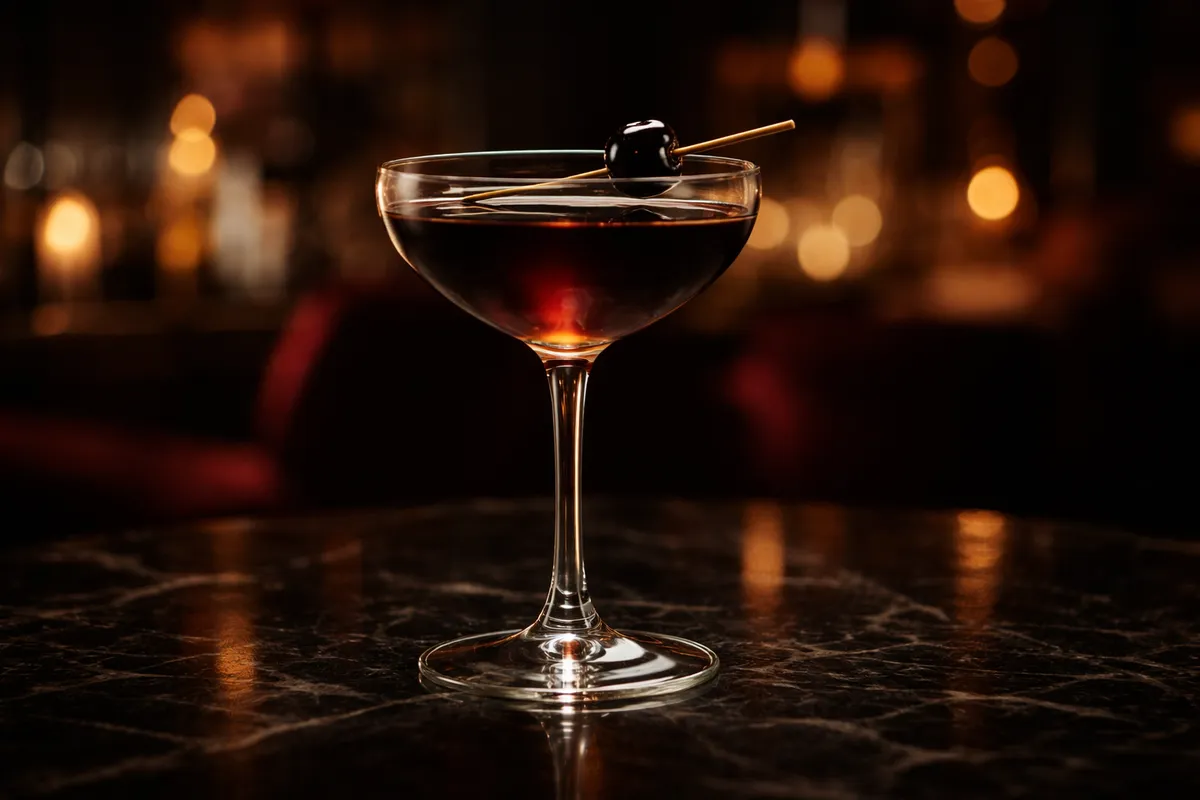
Black Manhattan
A brooding Manhattan variation using amaro in place of sweet vermouth.