What is Campari?
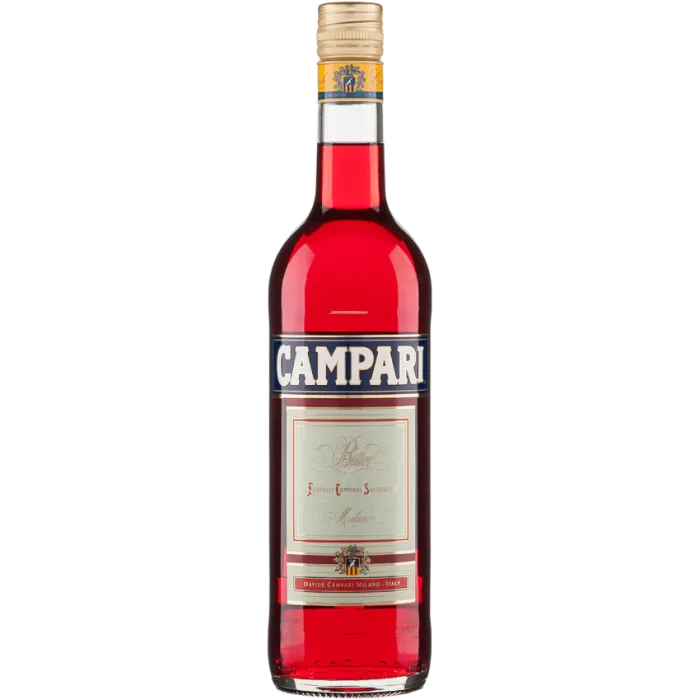
A proprietary Italian bitter aperitivo: a flavored and colored spirit-based product in the amaro and aperitivo family, bottled at 24% ABV in the United States and typically 28.5% in Italy.
Italian bitter aperitivo; the bitter component of a Negroni.
The basics
Campari is a proprietary Italian bitter aperitivo: a spirit-based infusion of herbs, peels, and bittering agents (gentian is the usual public citation), sweetened and colored. It belongs to the amaro and aperitivo family, not to the cordial or crème tradition. The formula is a trade secret; the producer has described it as containing more than sixty botanicals. In the United States the bottling is 24% ABV; in Italy it is typically 28.5%. Those are the same recipe at different strengths, not different products.
It is not interchangeable with Aperol. Aperol is lower in alcohol, sweeter, and built around orange and rhubarb. Campari is drier, more bitter, and the bottle a Negroni is written for. In mixed drinks it supplies bitterness, color, and a citrus-peel mid-palate that sweet vermouth and a base spirit then frame.
How it tastes
Gentian bitterness, bitter orange peel, and a cherry-cola spice that can read as medicinal. The finish is drying rather than sugary; sweetness is present but does not lead.
Because the bitterness is structural, an equal-parts drink will taste unmoored if the gin is underproof or the vermouth is oxidized. That is a mixing problem, not a flaw in the aperitivo.
Where it comes from
Gaspare Campari (1828–1882) formulated the recipe in 1860 in Novara, originally in the Dutch-bitter style then fashionable in Italian caffè culture. He later established the brand in Milan, including a caffè in the Galleria Vittorio Emanuele II from 1867. The Milano-Torino — Campari and sweet vermouth, named for the two cities — became the Americano when soda water was added, a lengthening associated with American visitors in the late nineteenth and early twentieth centuries.
The Negroni, equal parts gin, Campari, and sweet vermouth, is generally dated to Florence around 1919–1920, when Count Camillo Negroni is said to have asked Caffè Casoni to replace the Americano’s soda with gin. The Boulevardier, documented in Paris in the 1920s and associated with Erskine Gwynne, applies the same equal-parts bitter-and-vermouth architecture to American whiskey.
How to use it
The Negroni is equal parts gin, Campari, and sweet vermouth, stirred, served over ice or up, with an orange peel. The Boulevardier substitutes bourbon or rye for gin. The Americano is Campari and sweet vermouth lengthened with soda. If bitterness dominates, reduce Campari by a quarter-ounce or lengthen with soda; orange juice turns the drink into a different, sweeter highball.
Aperol cannot replace Campari at equal measure without collapsing the bitterness and proof those templates assume. Store the bottle upright, away from heat and light. After opening, refrigeration slows the fading of citrus aromatics. Campari is more stable than vermouth, but it is still a flavored product, not a neutral spirit.
Note
Until 2006 Campari was colored with carmine derived from cochineal. The current red is synthetic; the company treats the botanical formula as otherwise unchanged.
What pairs with it
Cocktails with Campari
A few of the 17 MixWise recipes that call for it.
Aperitif
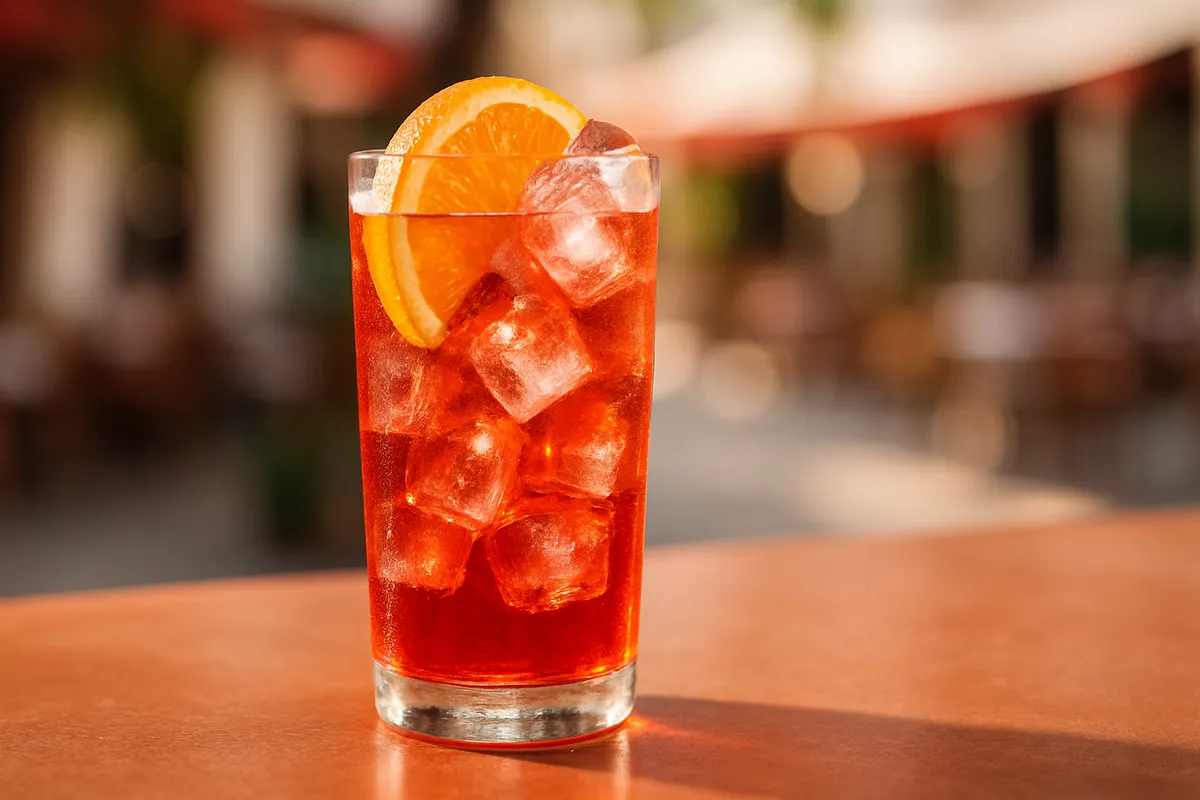
Americano
A classic Italian aperitivo of Campari, sweet vermouth, and soda water served over ice with citrus.
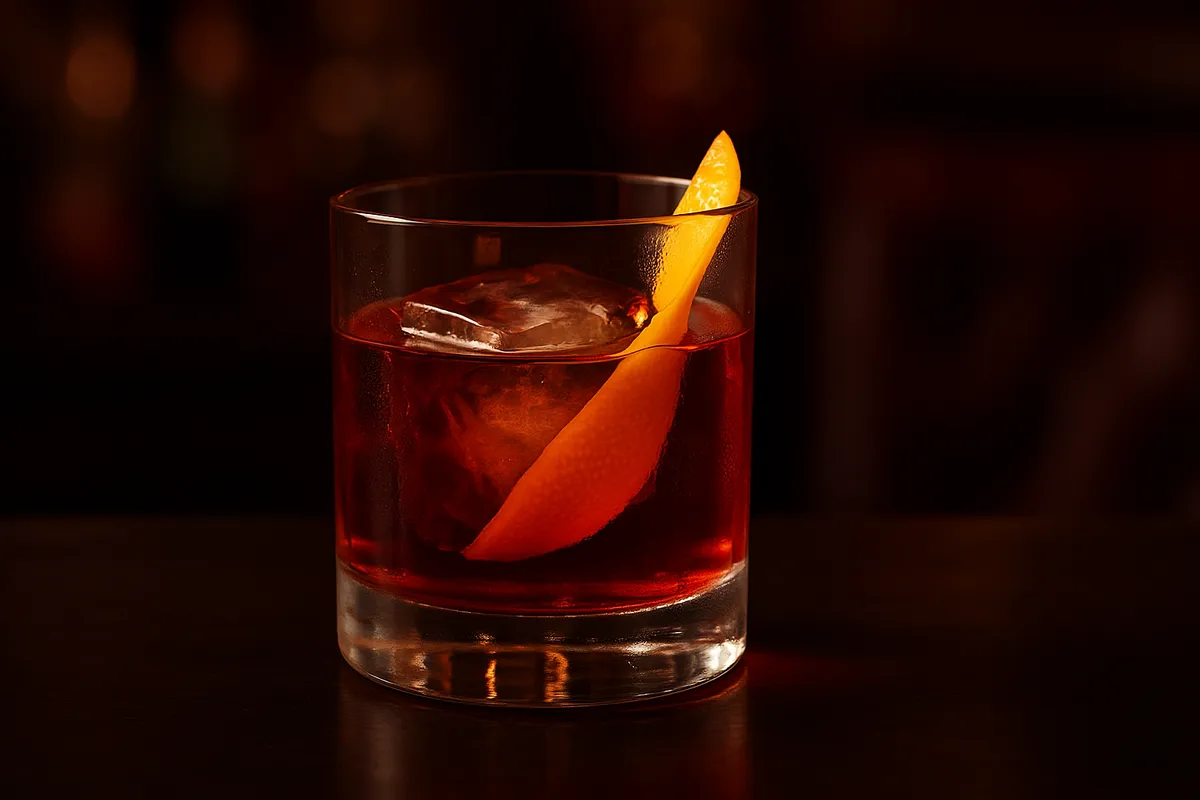
Bourbon
Boulevardier
A whiskey Negroni of bourbon or rye with Campari and sweet vermouth.
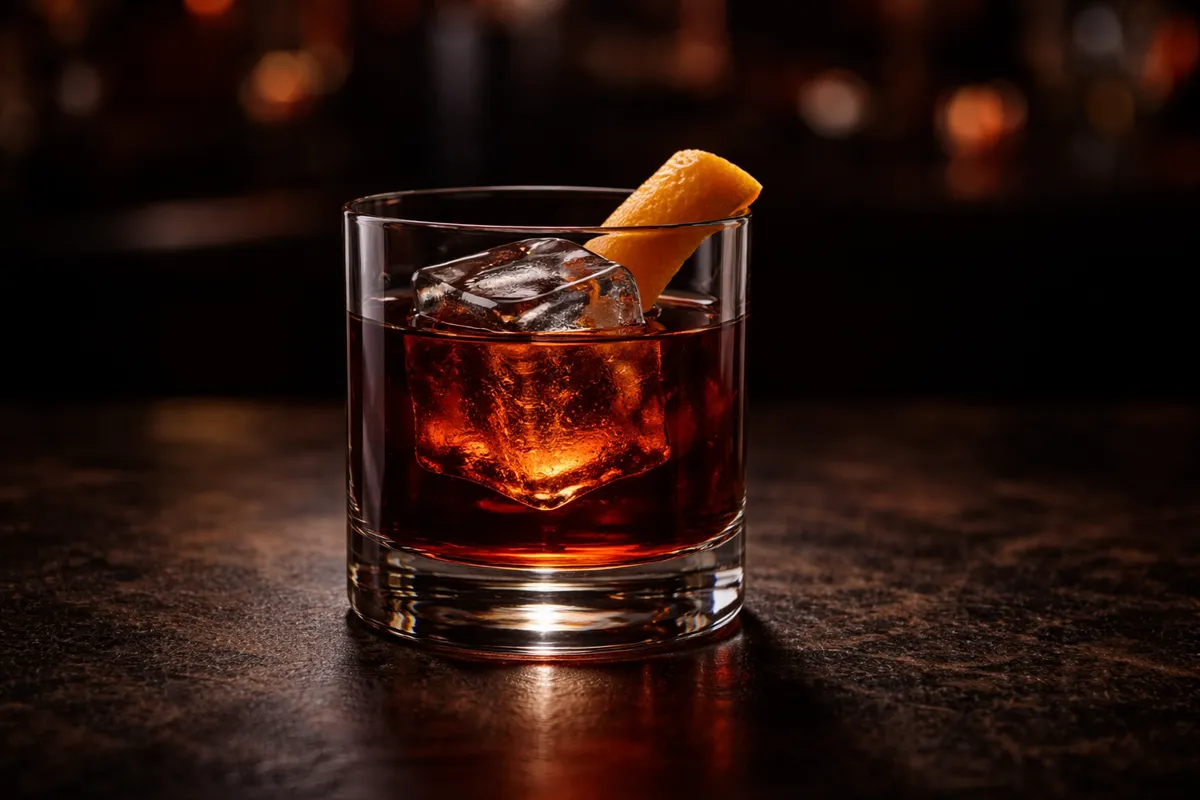
Gin
Negroni
A bold Italian aperitivo of gin, Campari, and sweet vermouth served over ice with an orange peel.
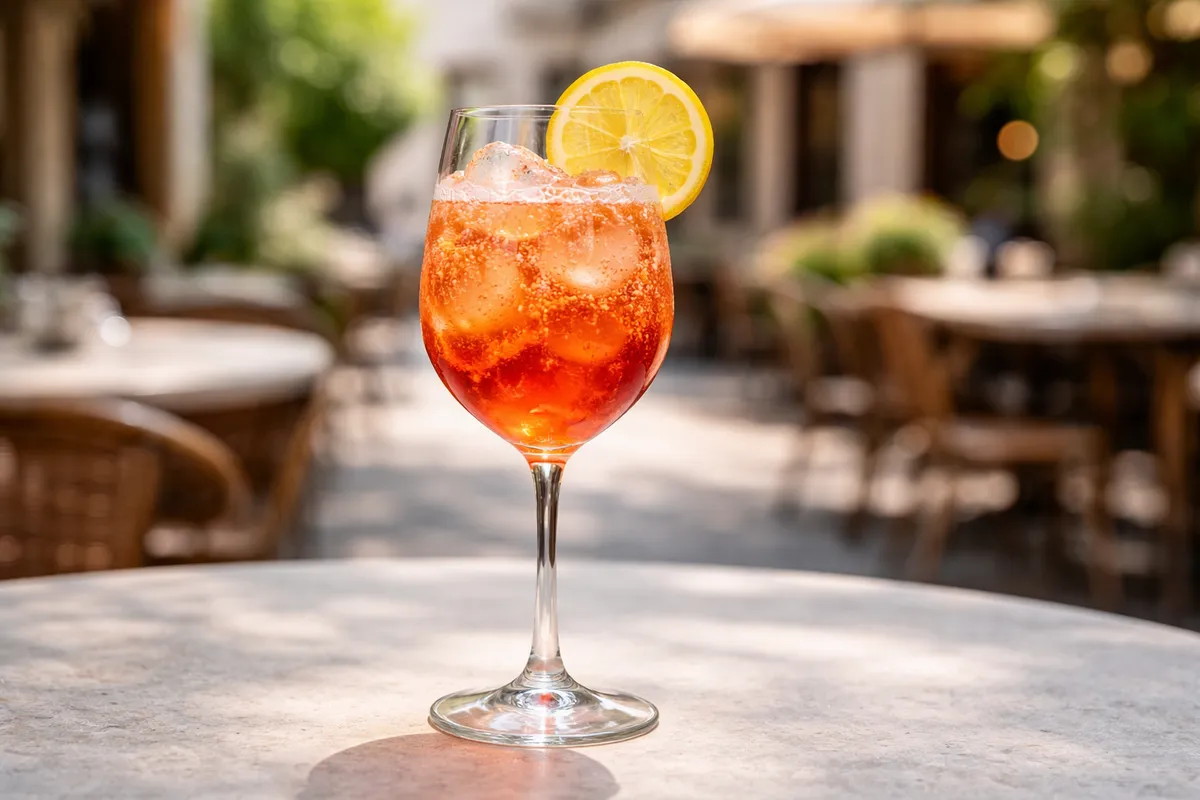
Campari
Bicicletta
A dry, crisp Italian spritz of Campari and white wine.
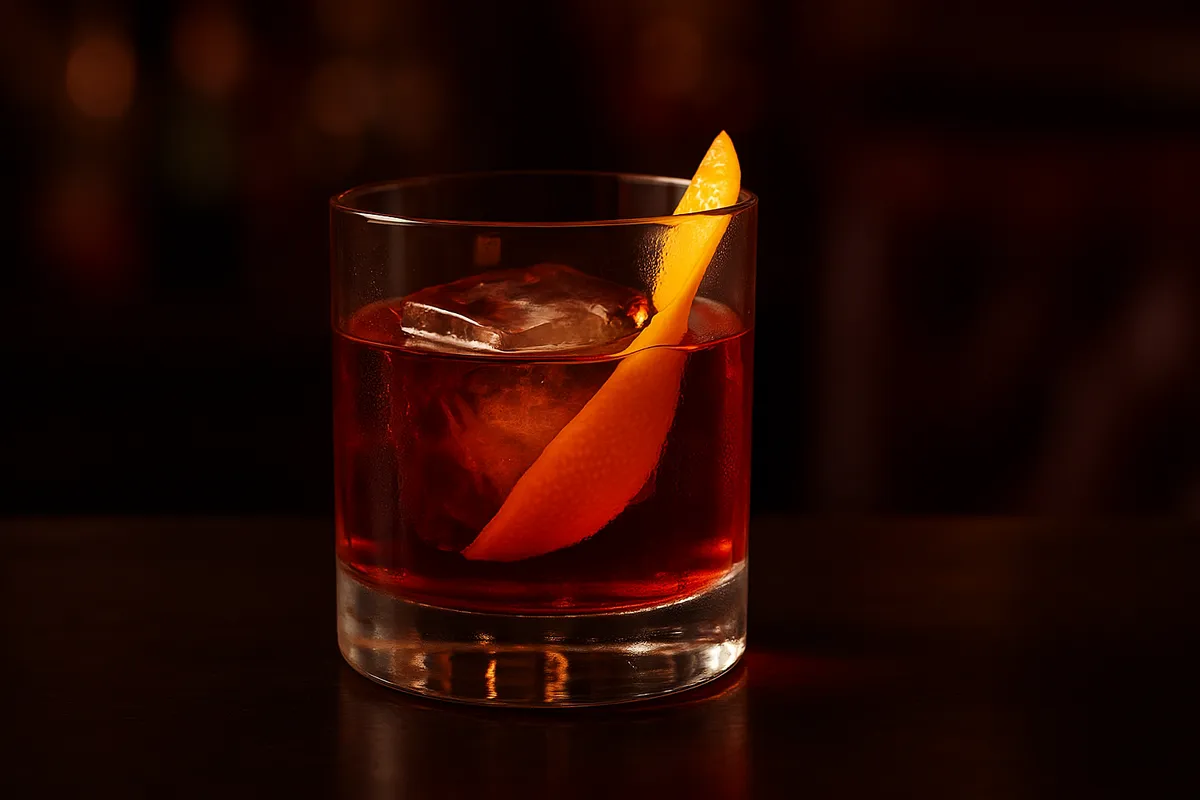
Whiskey
Boulevardier
A rich, bittersweet whiskey aperitivo built on bourbon, vermouth, and Campari.
Aperitif
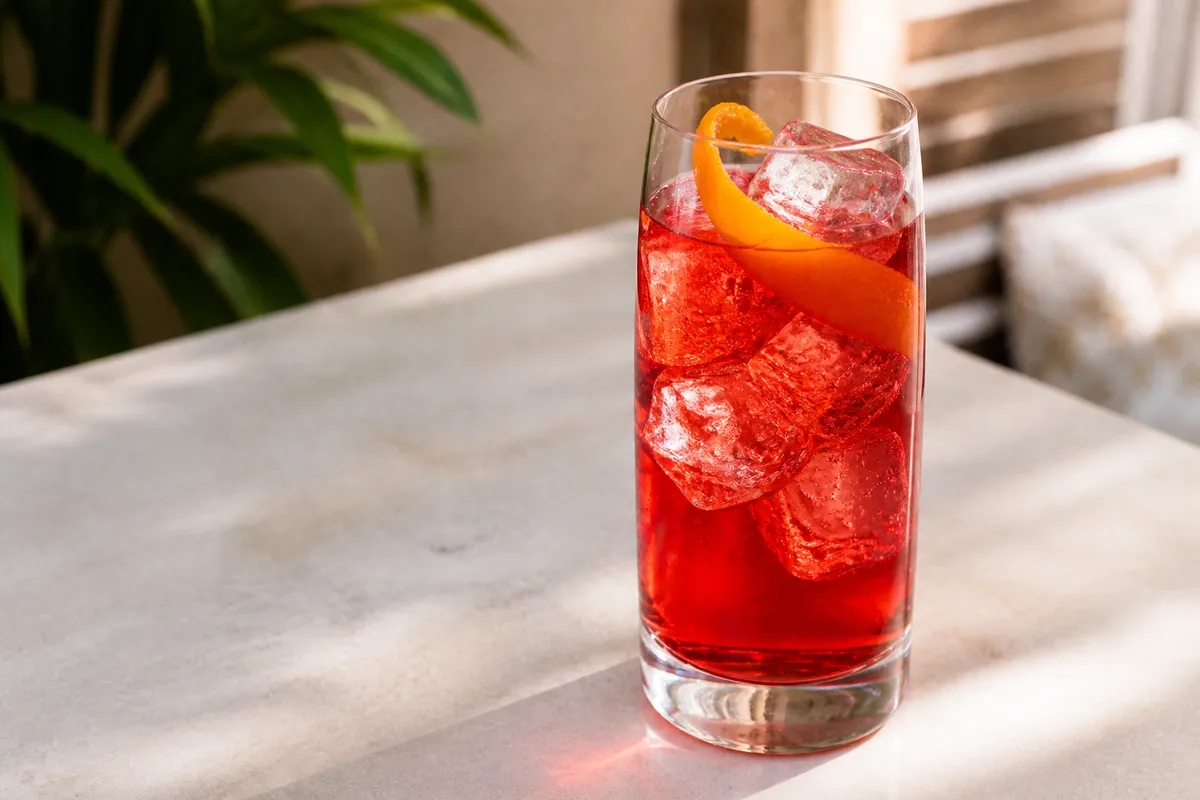
Campari Soda
A simple low-ABV aperitivo of Campari lengthened with soda.