What is Absinthe?
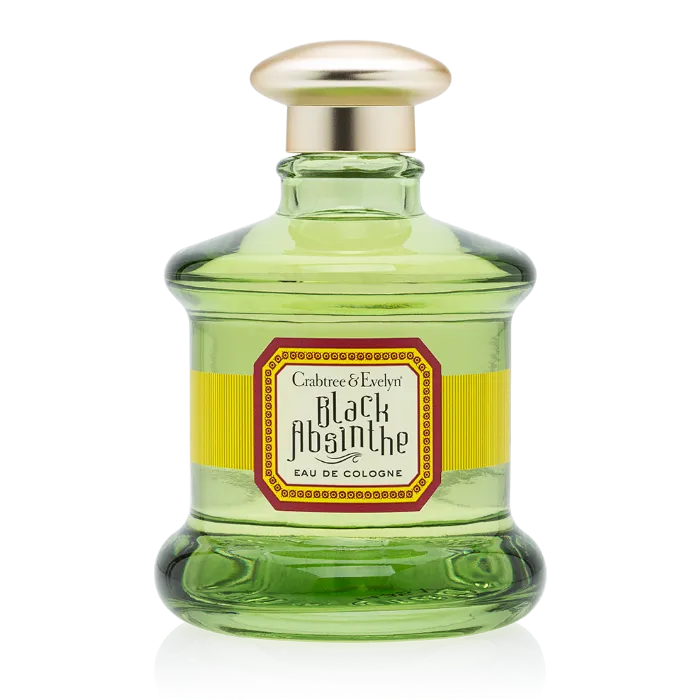
A high-proof anise spirit flavored with grande wormwood (Artemisia absinthium), green anise, and fennel; in cocktails almost always a rinse or dashes, not a full base pour.
The basics
Absinthe is a high-proof spirit whose essential botanical triad is grande wormwood, green anise, and fennel, usually with additional herbs, distilled (in traditional production) rather than merely compounded with oils. Typical bottling strength is 45–72% ABV. The pale green color of verte absinthe comes from a secondary maceration of herbs; blanche absinthe is uncolored. The clouding that appears when water is added — the louche — is anise essential oils (chiefly anethole) coming out of solution as ethanol concentration drops.
In mixed drinks absinthe is almost never the two-ounce base. It is a perfume: a rinse, an atomizer spray, or a few dashes, as in the Sazerac and the Corpse Reviver No. 2. The traditional service is a drip of iced water over sugar, which is a drink in itself, not a cocktail mixing method.
How it tastes
Green anise and fennel (licorice, sweet herb), wormwood’s dry bitterness, other culinary herbs, and high-proof heat. A glass rinse perfumes a Sazerac. A full ounce in a sour will bury citrus and the other spirits.
Where it comes from
Commercial absinthe coalesced in the late 18th century in the Val-de-Travers (Switzerland) and became a mass French product in the 19th century, especially around Pontarlier. Associated with café culture and, later, with moral panic over wormwood and thujone, it was banned in Switzerland (1910), the United States (1912), and France (1915). Modern EU and US rules again permit wormwood spirits with thujone limits; legal absinthe returned to the US market in 2007.
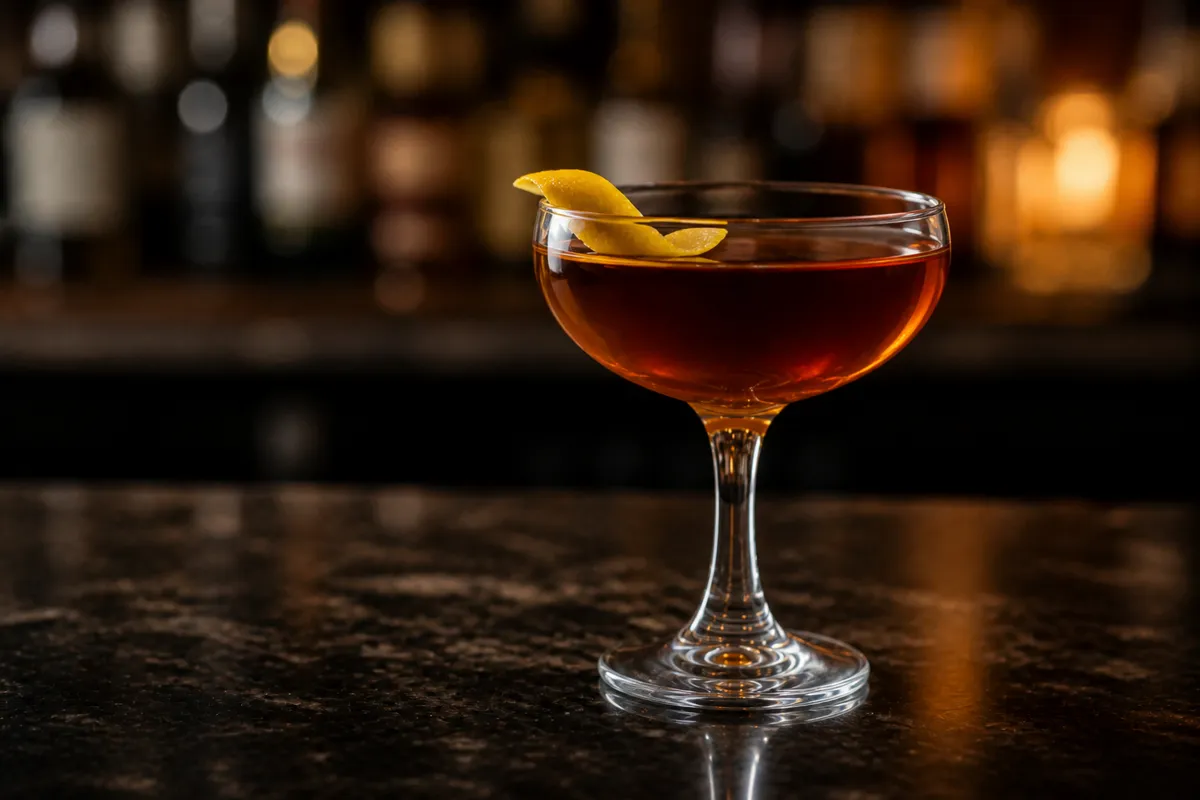
The Sazerac — New Orleans, 19th century, originally cognac, later rye, with absinthe rinsing the glass, Peychaud’s bitters, and sugar — is the cocktail that kept the ingredient in professional use through the ban years via substitutes (Herbsaint, Pernod). The rinse is the practical legacy: aroma, not a glass of neat green spirit.
How to use it
Coat a chilled glass with a few milliliters, discard the excess, then build the drink (Sazerac). Or add dashes to a sour or equal-parts drink (Corpse Reviver No. 2). Substituting anise liqueur (Pernod, Herbsaint, pastis) approximates the aroma at lower proof and without wormwood bitterness; the drink will be sweeter. Do not replace gin with absinthe in a martini-shaped drink unless the result is meant to be an absinthe cocktail. Store like other high-proof spirits; the louche appears only when diluted, and is not required in a rinse.
Note
The louche is a physical effect: hydrophobic anise oils emulsify as the solution falls below a critical alcohol percentage. It is a sign of those oils, not of sugar or dye, and it is irrelevant to a Sazerac rinse, where the absinthe is not diluted in the glass as a cloudy drink.
What pairs with it
Cocktails with Absinthe
A few of the 14 MixWise recipes that call for it.
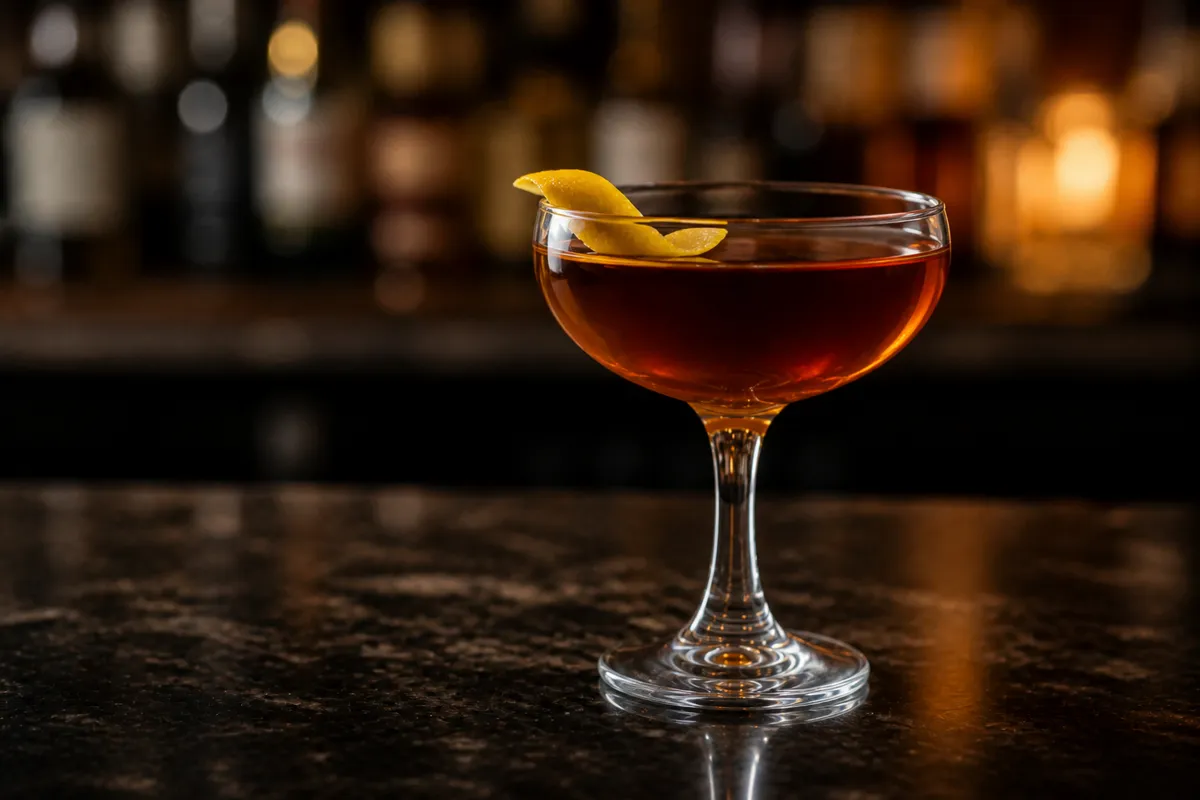
Irish Whiskey
Blackthorn
An Irish whiskey cocktail with sweet vermouth, sloe gin or absinthe accents, and bitters.
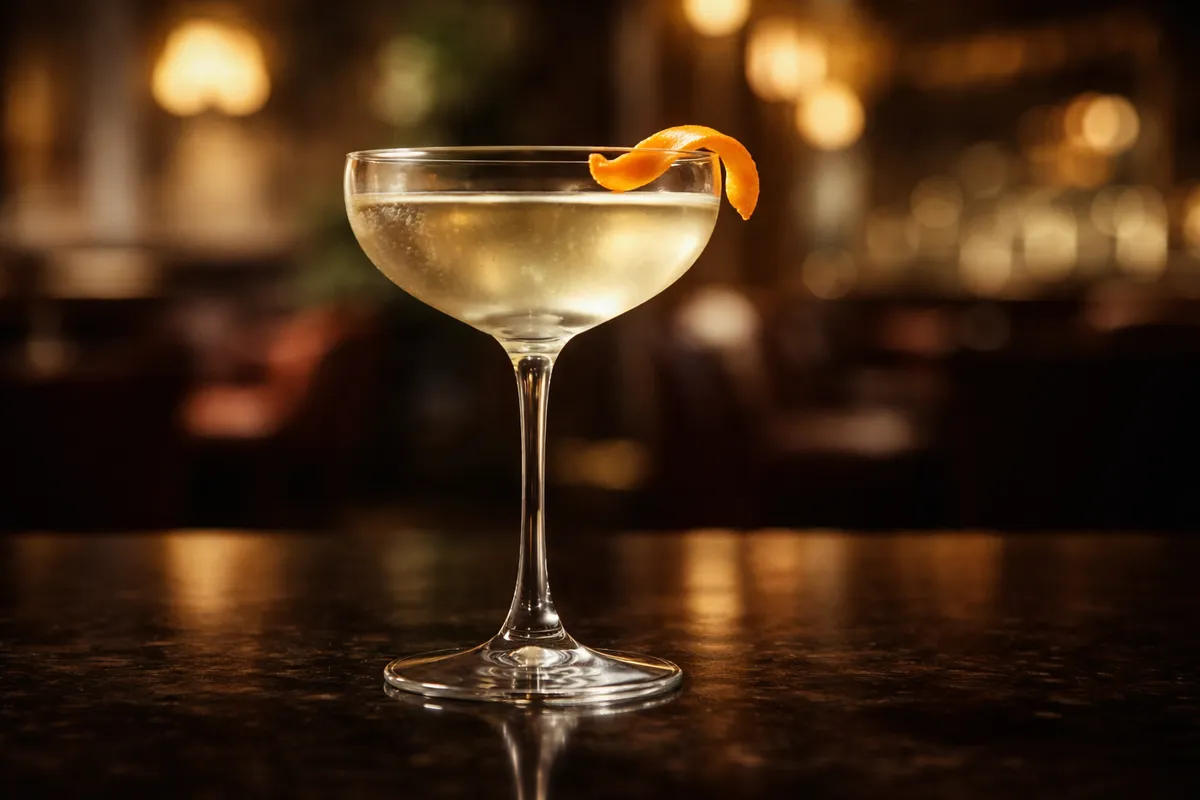
Vermouth
Chrysanthemum
A sophisticated, herbal low-ABV stirred cocktail from the 1920s.
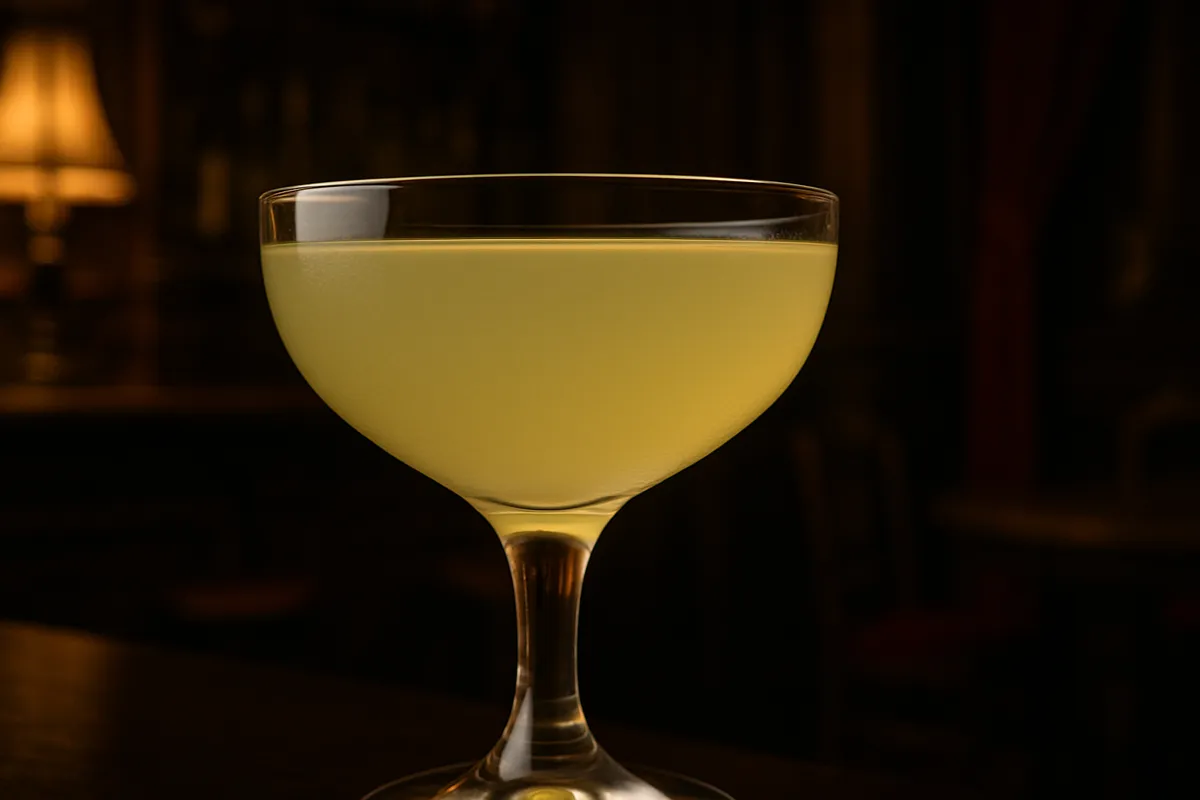
Gin
Corpse Reviver No. 2
A citrus‚Äëforward, aromatic equal‚Äëparts classic with gin, lemon, and absinthe rinse.
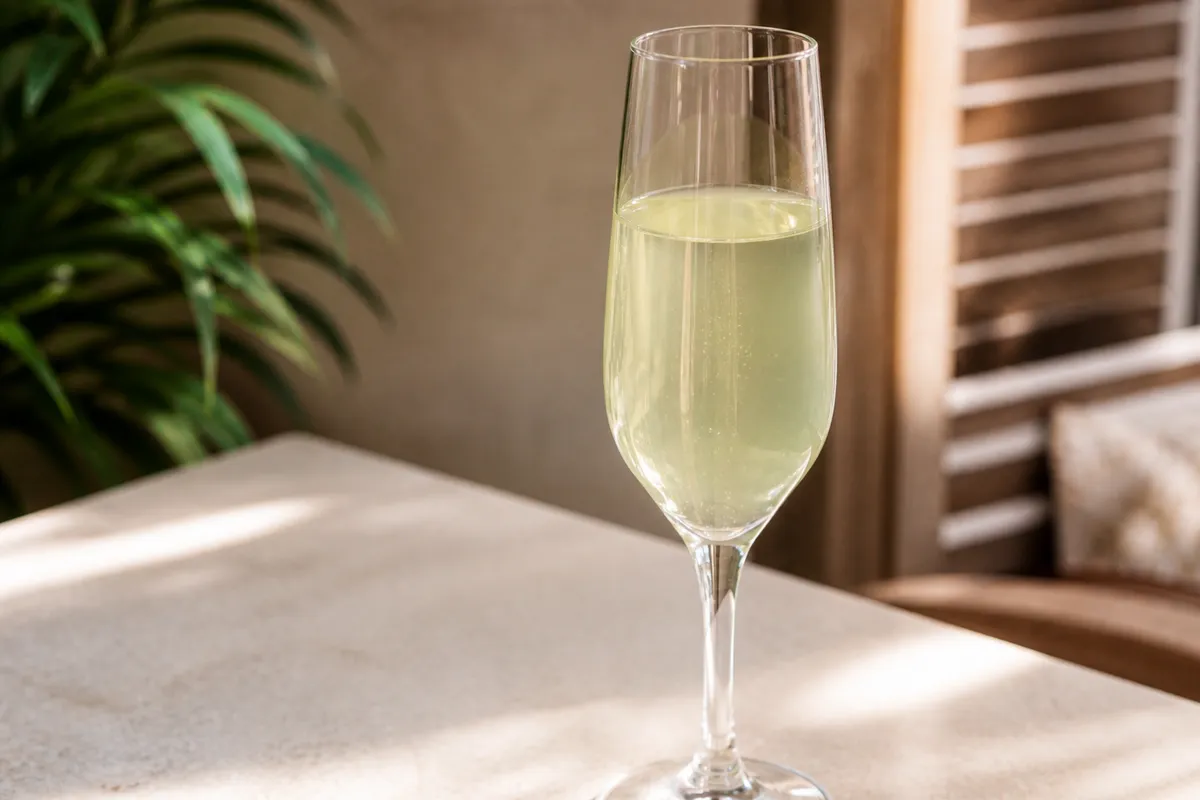
Liqueur
Death In the Afternoon
A sparkling absinthe cocktail of absinthe topped with chilled Champagne.
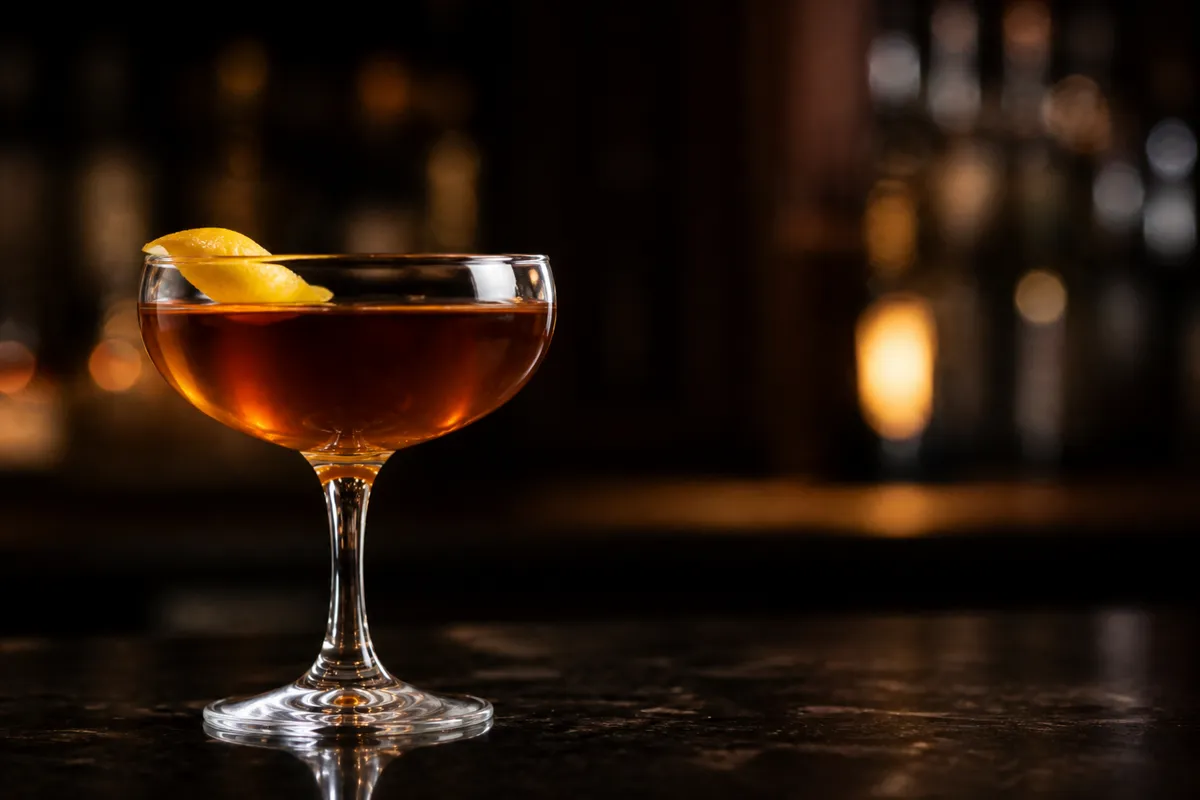
Rye
Improved Whiskey Cocktail
A nineteenth-century whiskey cocktail enhanced with maraschino, absinthe, and dual bitters.
Whiskey
Millionaire #4
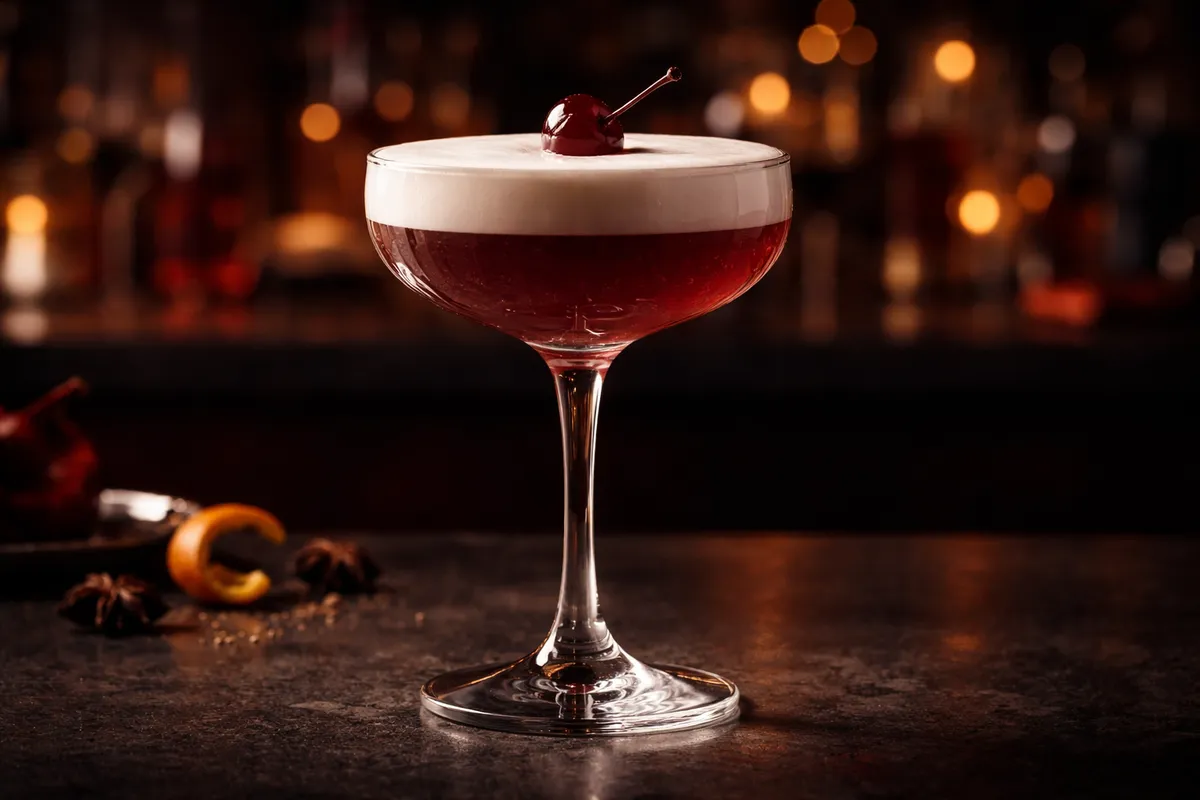
A bold whiskey‑absinthe‑grenadine sour with deep spice and color.