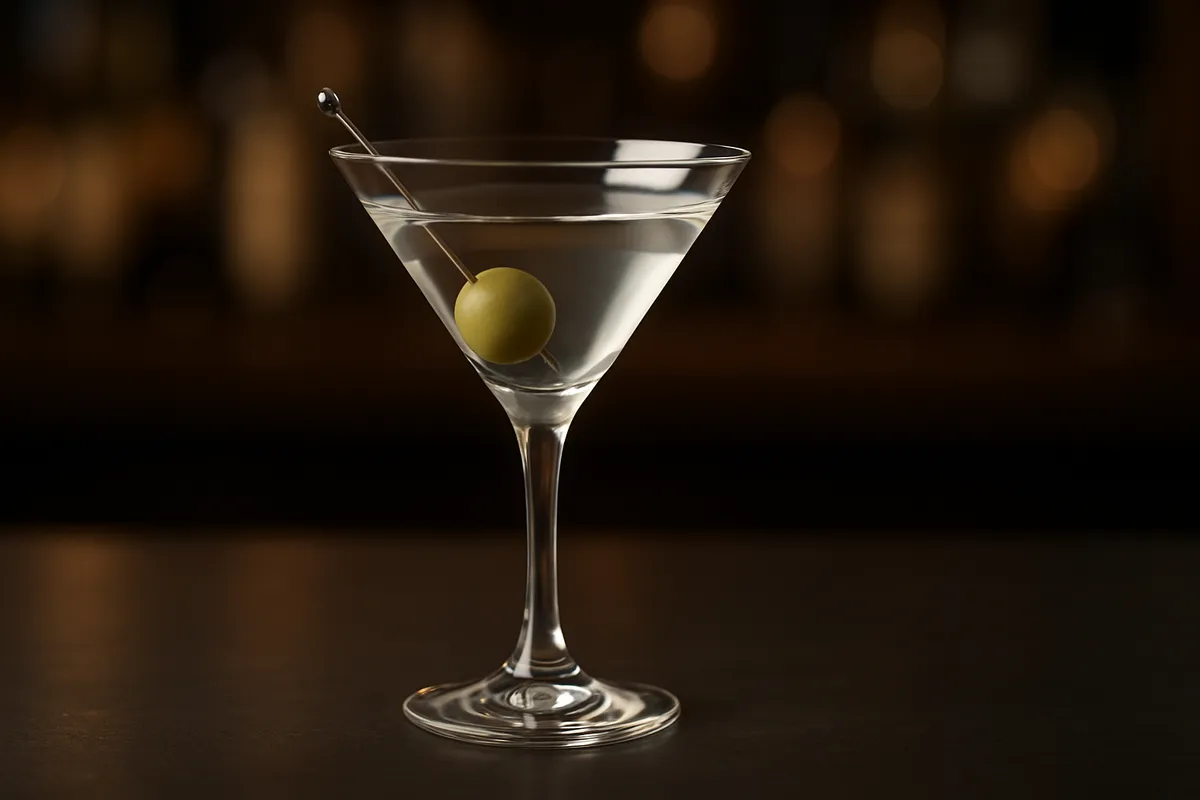
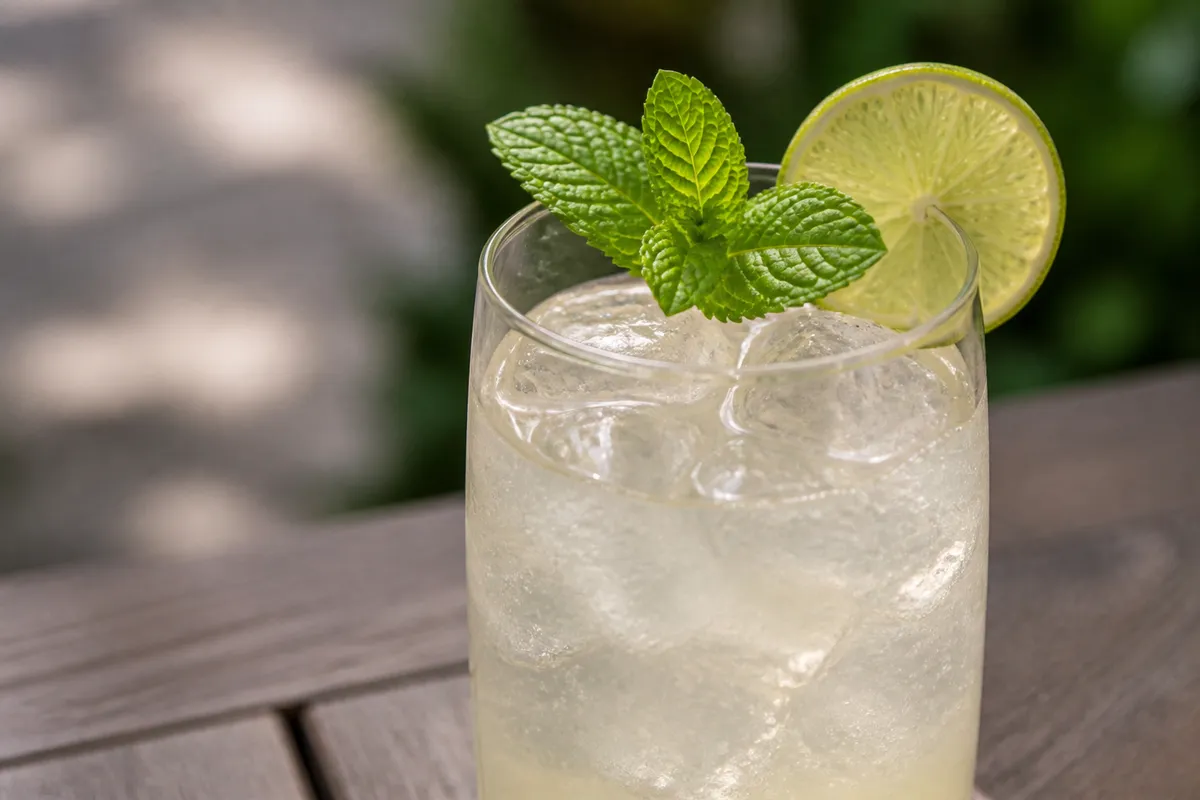
Garnish is aroma the guest meets first — expressed citrus oil, slapped mint, or nothing. Match it to the drink, don’t decorate over it.
The big idea
Express peel oils over the surface. The mist matters more than a twist left in the glass — and some drinks are better naked.
Keep these
4 things to remember
01
Express peel skin-side down over the drink; minimize bitter white pith.
02
Slap mint to wake oils; don’t shred it into grassy bitterness.
03
Match the fruit: orange with whiskey and sweet vermouth, lemon with gin, grapefruit with agave.
04
Fresh garnish is part of the recipe — wilted herbs signal carelessness.
The rule
Citrus peels are perfume
Perfume the surface — don’t juice the glass
01
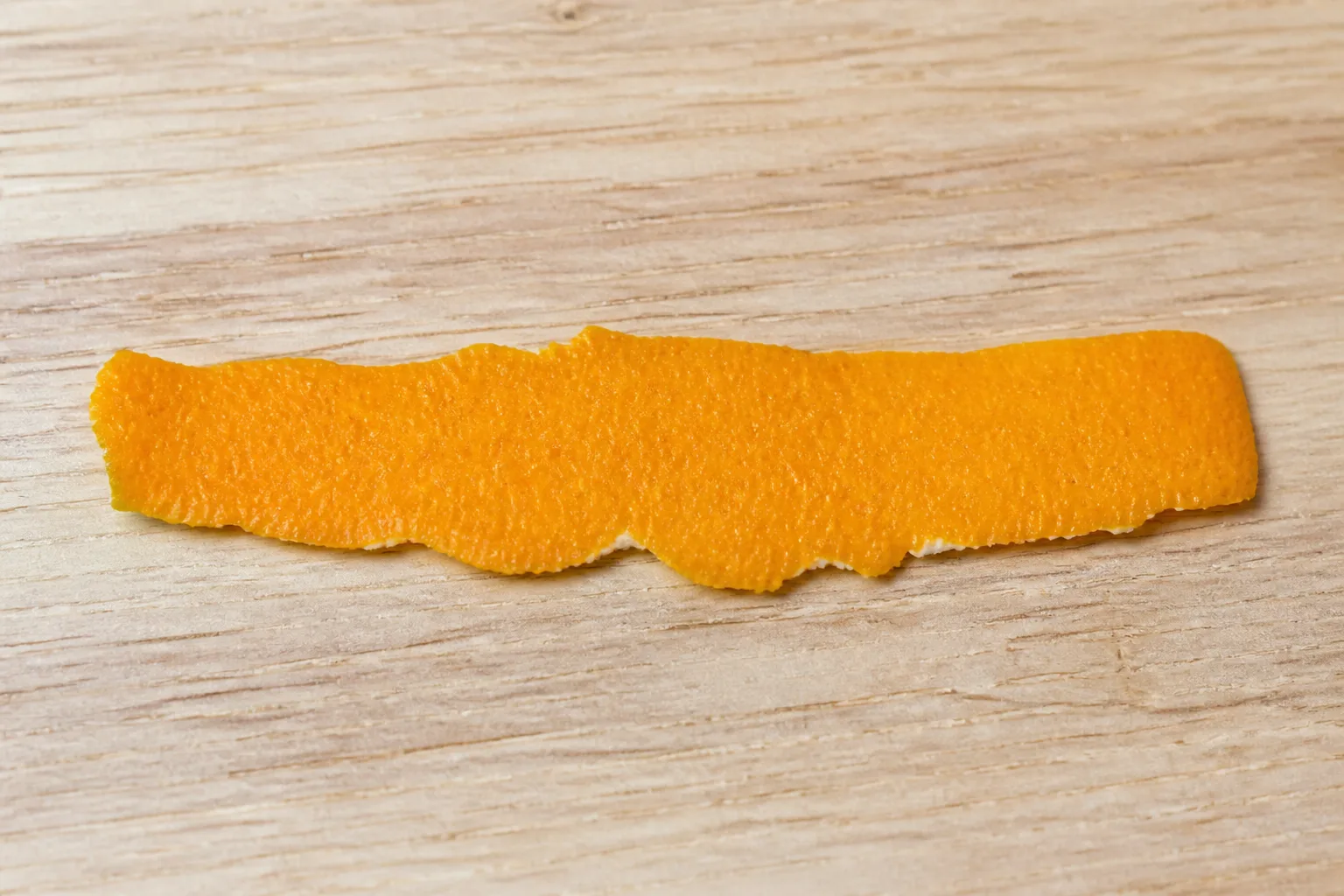
Thin peel
Wide strip, little white pith — oils without bitterness.
02
Pinch over the glass
Squeeze skin-side down so oils mist the surface, not the liquid.
03
Oils on the surface
Optional rim wipe, then drop or discard. The nose gets the first hit.
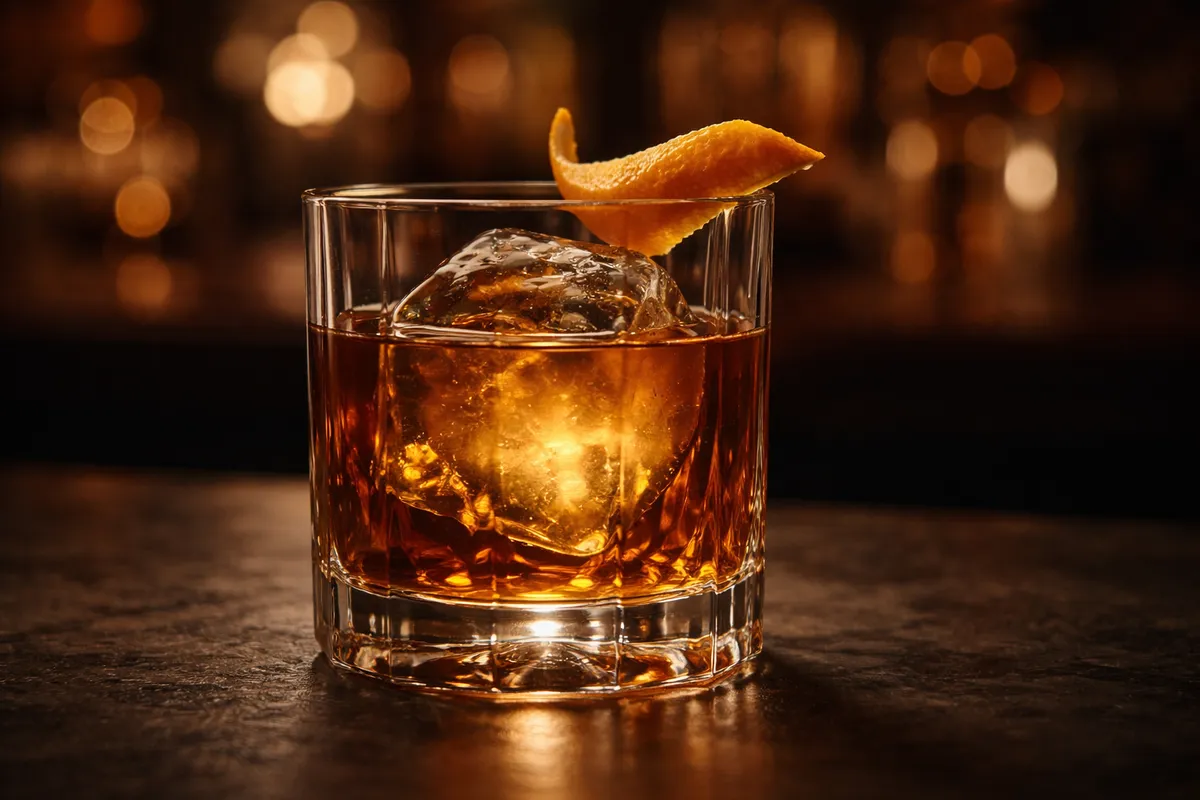
Express a peel over the drink so oils hit the surface, then optionally wipe the rim. That aroma hit is often more important than the twist sitting in the glass afterward.
Cut thin: avoid thick pithy peels when you can — bitter white pith muddies a Martini or Old Fashioned. Skin-out over the drink; you want the mist, not a chewable rind.
02
Mint and herbs
Wake the oils — don’t shred the leaves
01
Do this
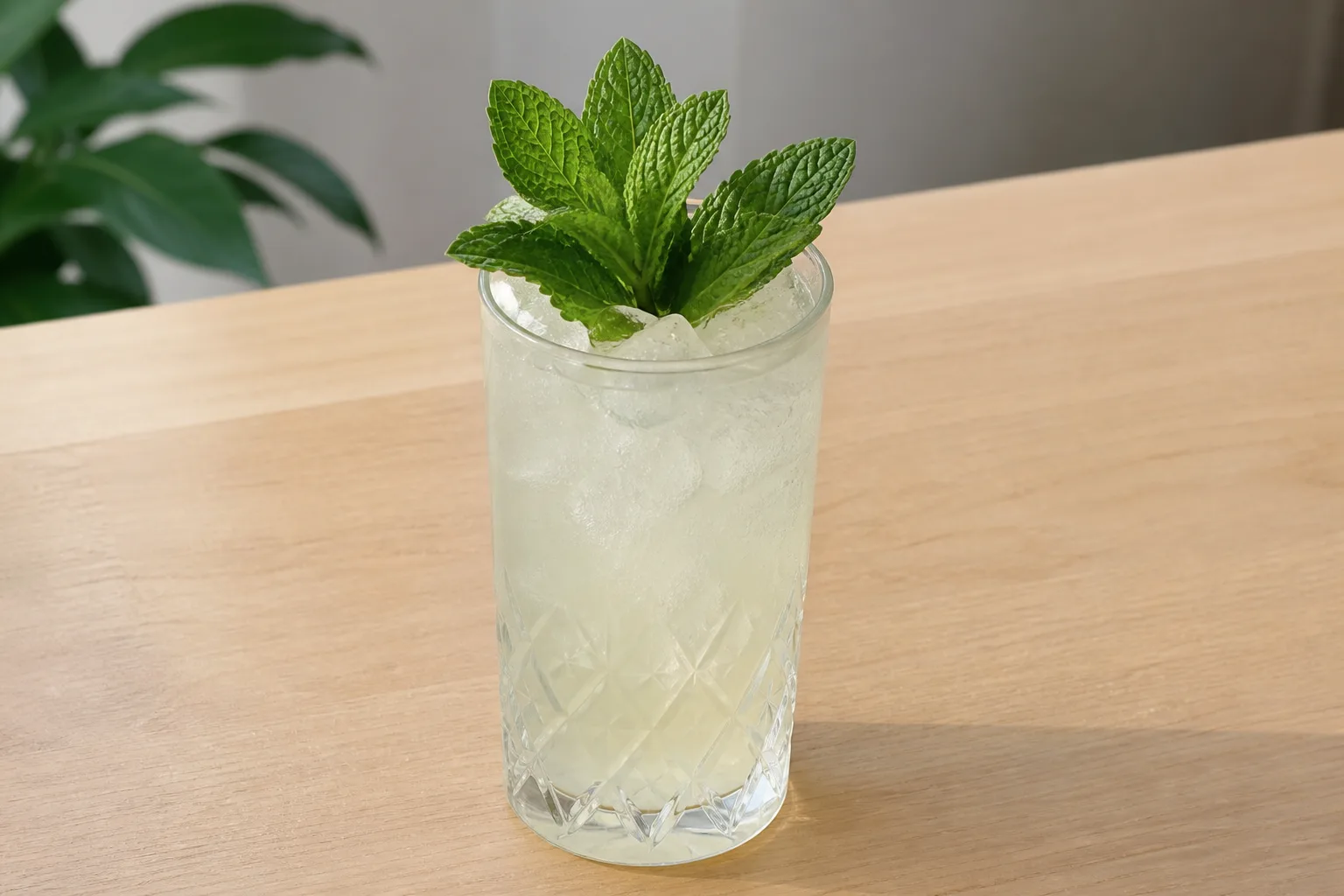
Slap gently, then place so the drinker smells mint on the first sip.
02
Skip this
Shredding releases grassy bitterness — it tastes like lawn.
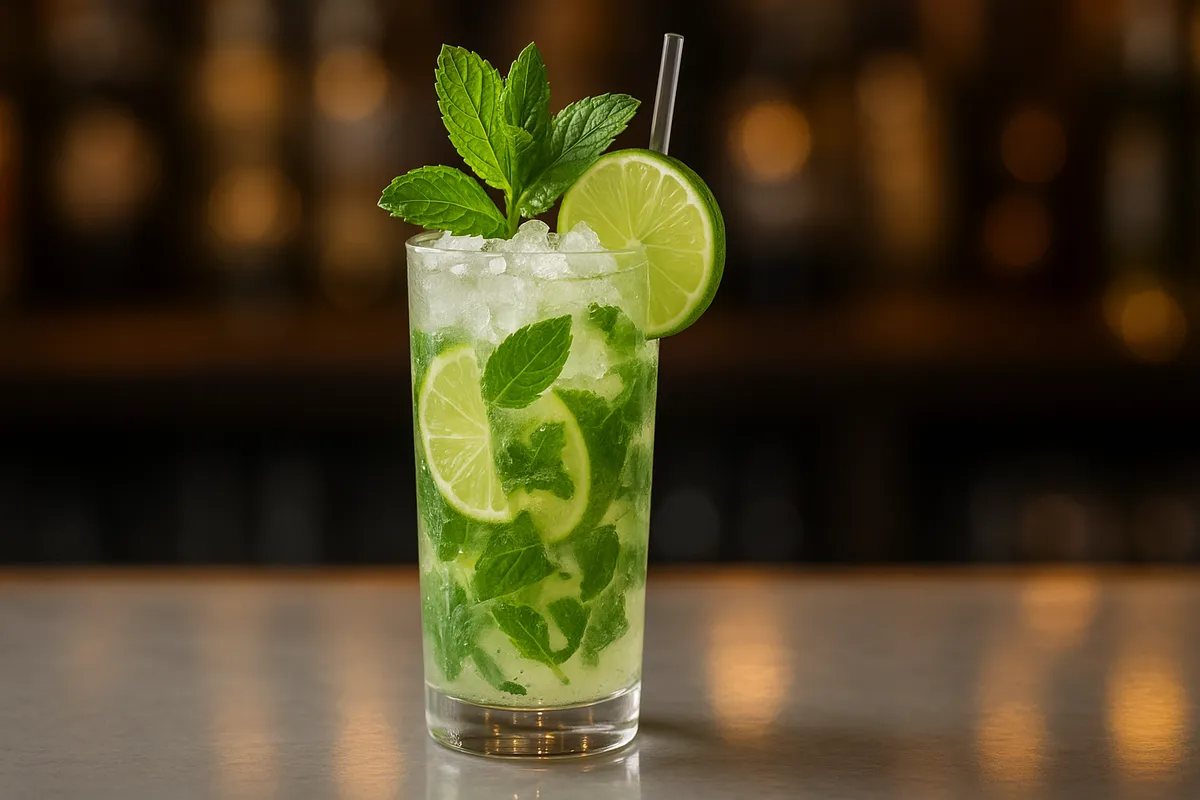
Slap mint gently between your palms to wake the oils, then place it so the drinker smells it on the first sip. Do not shred mint into a Mojito muddle — bitter, grassy notes are not “fresh.”
Wilted herbs look and taste tired. Fresh garnish is part of the recipe, not an afterthought. If the sprig wouldn’t survive a photo, it shouldn’t hit the glass.
Tip
Match the peel to the drink
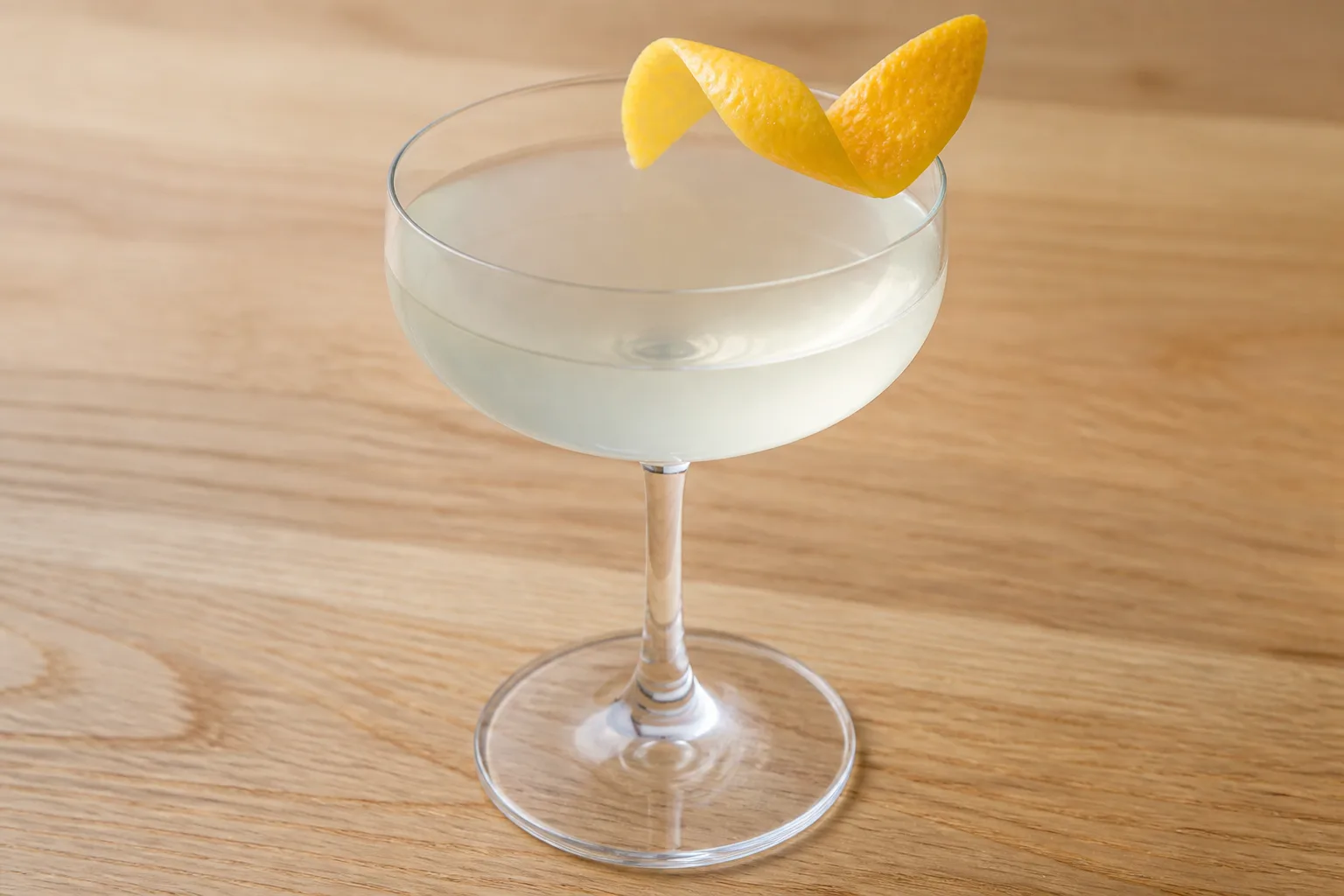
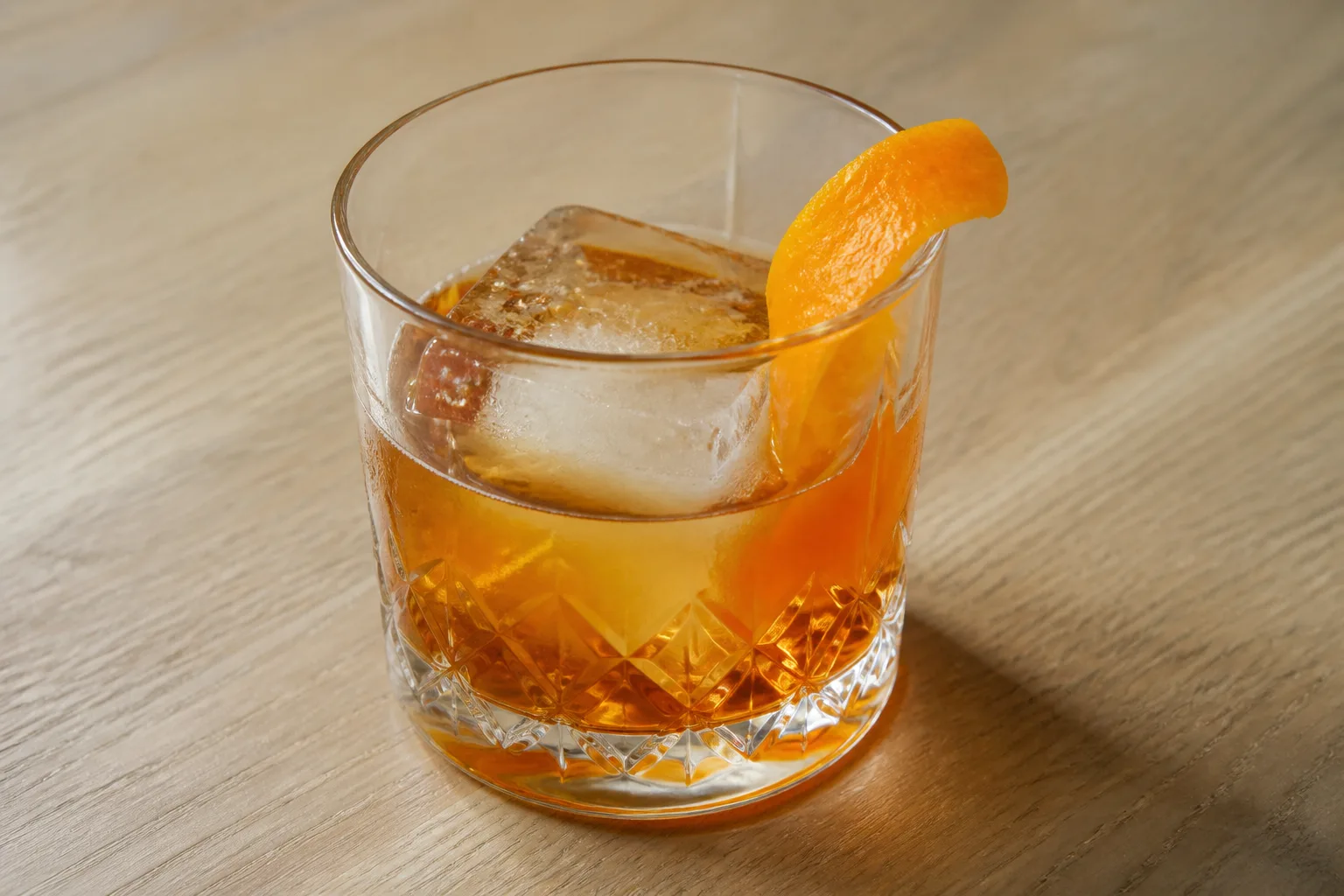
Orange oil flatters whiskey and sweet vermouth. Lemon lifts gin and dry profiles. Grapefruit suits agave and bitter highballs. Match the peel so garnish reinforces the sip.
A rim wipe puts oil where the lip meets the glass. An unexpressed twist in the drink is a slower, milder aroma — not the same move as a hard express.
Tip
When no garnish is correct
Sometimes the cleanest finish is nothing
01
No garnish
Equal-parts and spirit-forward drinks often read clearer without clutter.
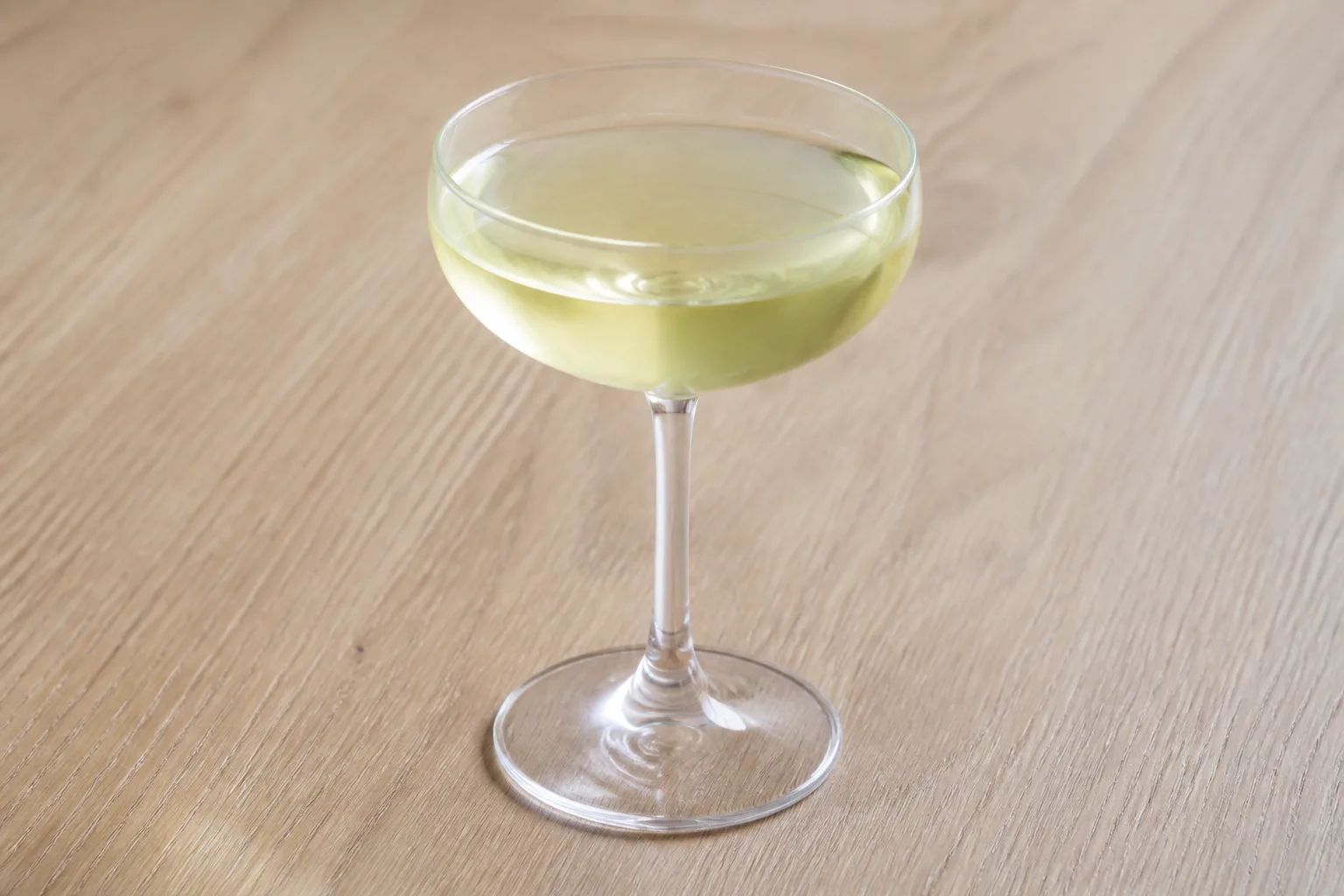
Many stirred equal-parts drinks and some sours are better ungarnished. If the recipe says none, trust it — clutter can fight the aroma of Chartreuse, mezcal, or bitters.
Salt rims are seasoning, not decoration: wet only the outer lip, use coarse salt, and leave a gap so the first sip isn’t a salt lick. Skip the rim when the drink is already balanced without it.
05
Common mistakes
Thick pithy peel → cut thinner.
Bitter white pith muddies Martinis and Old Fashioneds.
Shredding mint into the muddle → press gently or slap for garnish.
If it smells like lawn, lighten up.
Busy garnish on a small coupe → scale to the glass, or skip it when Chartreuse, mezcal, or bitters should lead.
In the glass
Practice these
Read the drill, then make the drink once focusing on that cue — repetition beats another paragraph.