Library

Rum · 5 min read

Rum: family & buying myth

Dark bottles don’t mean better rum. Start with one clean white and one aged bottle, and most of the classics get easier.

Rum bottles on a shelf from dark amber to filtered clear — color is not an age grade

The big idea

Don’t buy rum by color. Get a clean mixing white for Daiquiris and Mojitos, and an aged bottle for Dark ’n’ Stormies and Mai Tais.

Keep these

5 things to remember
  1. White, gold, and dark on a rum label are not reliable age grades — color can come from oak, caramel, or both.

  2. A lot of big mixing whites (Bacardi Superior included) spend time in oak, then get filtered clear — clear means filtered, not young.

  3. Spiced rum is a flavored product, not a synonym for aged rum.

  4. Start with one clean white mixing rum and one solid aged rum. Add funky, agricole, or overproof when recipes ask.

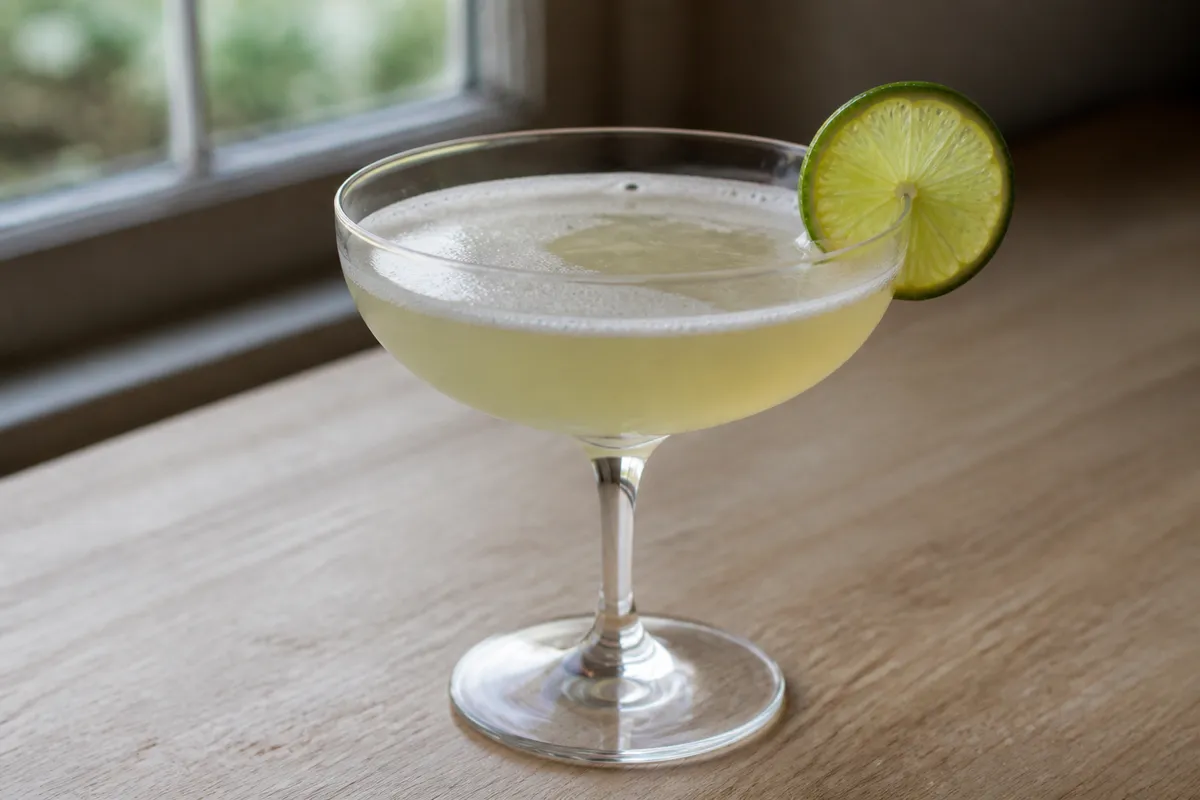
  5. The Daiquiri is a quick bottle test — if the rum fights the lime, that bottle doesn’t belong in this drink.

The rule

Rum is a family, not a flavor

Jobs in the glass — clean, aged, funky, agricole

Clean white

Daiquiri spine

Aged

Oak · body

Funky

Esters · aroma

Agricole

Cane · grassy

Rum is distilled from sugarcane products — usually molasses, sometimes fresh cane juice — then often aged. Unlike bourbon, there is no single worldwide mash-and-barrel rulebook. Bottles labeled “rum” can taste as different as vodka and peated Scotch.

Buy for the drink you’re making: a clean mixing rum behind citrus, an aged rum when you want body and oak, a funky pot-still rum when you want more aroma. The Daiquiri is the quickest test — if the rum fights the lime, that bottle doesn’t belong in this drink.
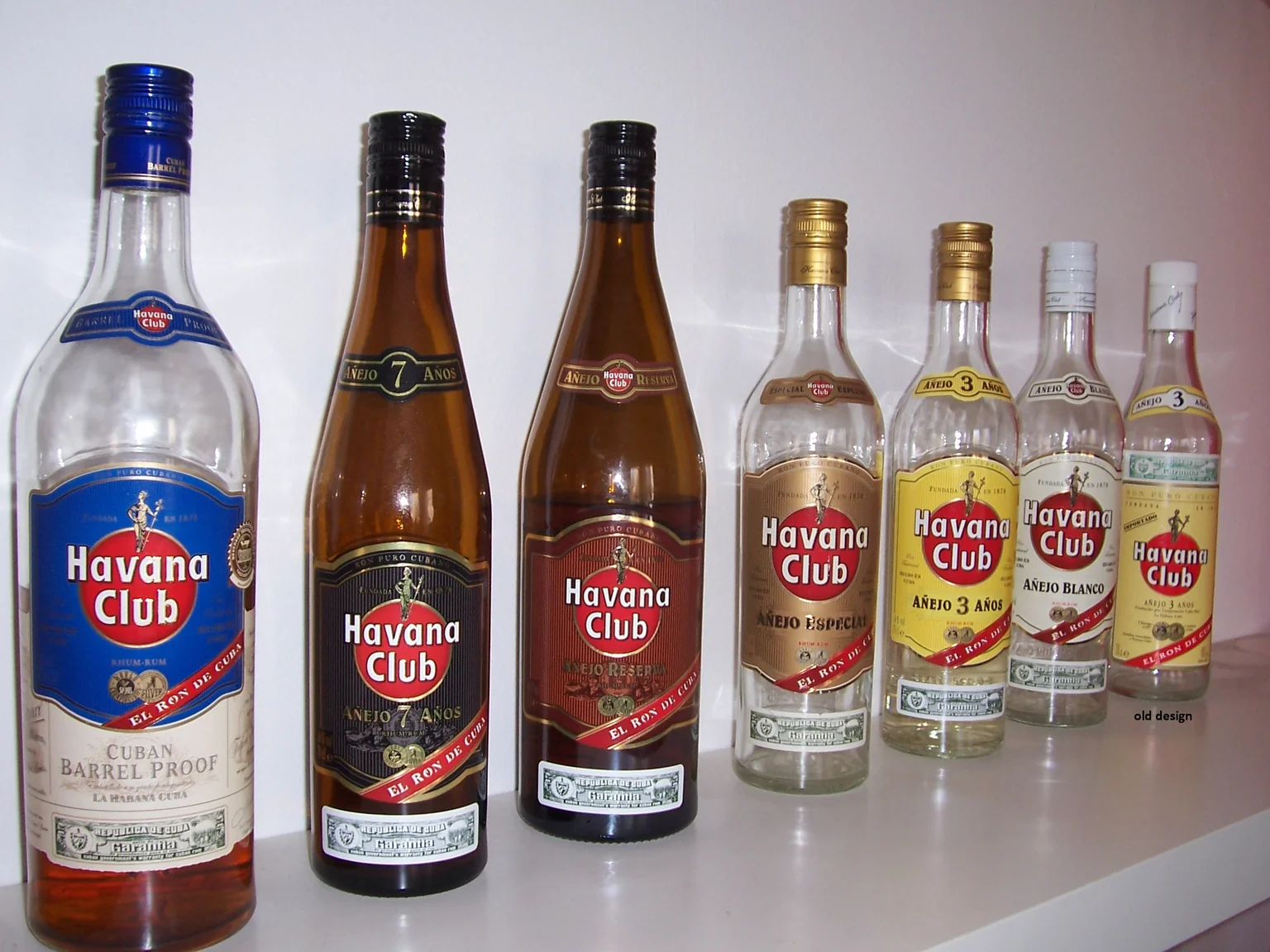
White, gold, dark — what color does not guarantee

Clear, gold, and dark are not age statements
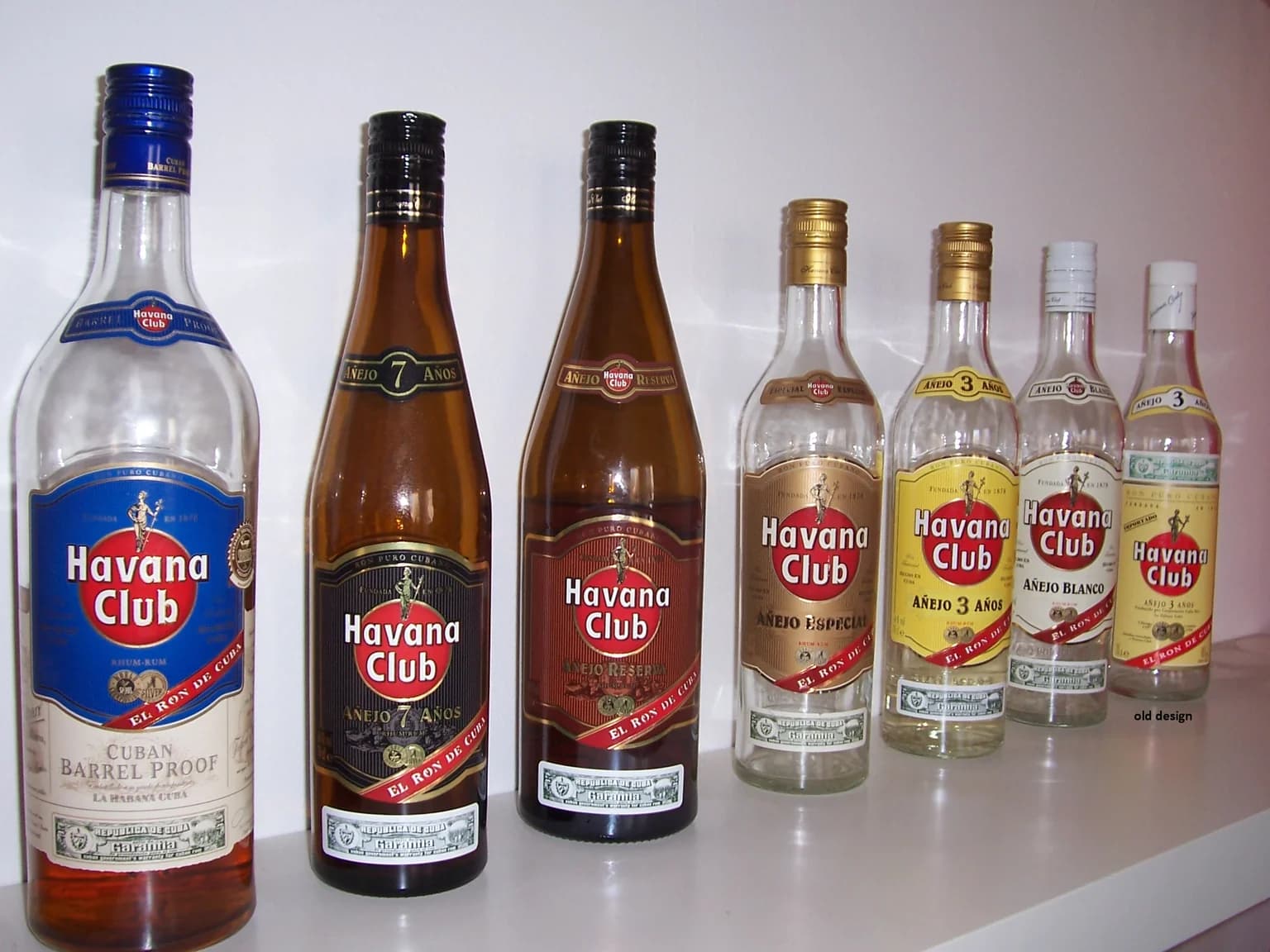
Seven Havana Club bottles on a shelf, from dark amber to filtered clear

Same house

Color runs the range. It still is not a legal age grade.

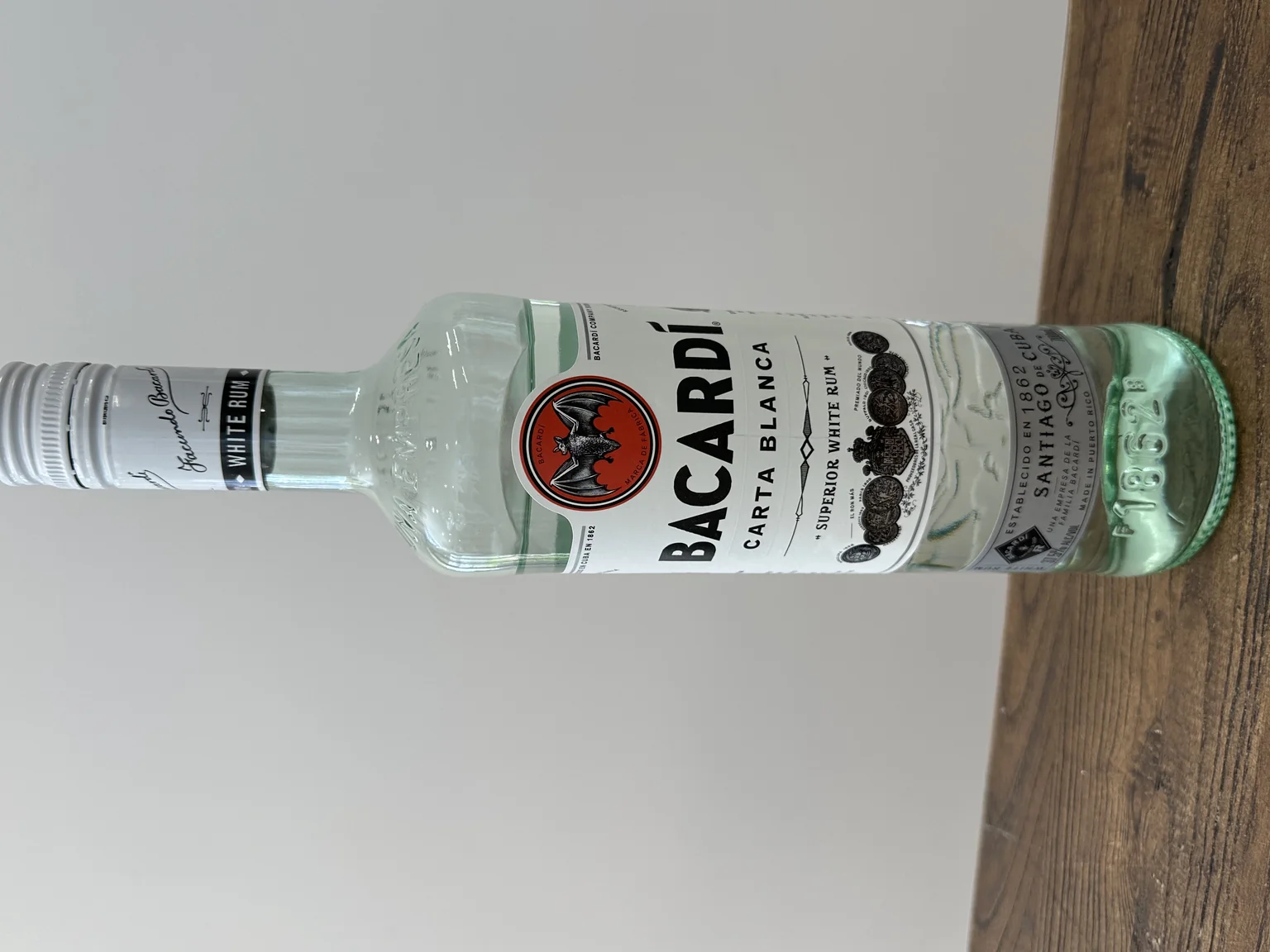
A bottle of Bacardi Carta Blanca Superior white rum lying on a wooden table

Clear

Filtered after oak — clear means filtered, not young.

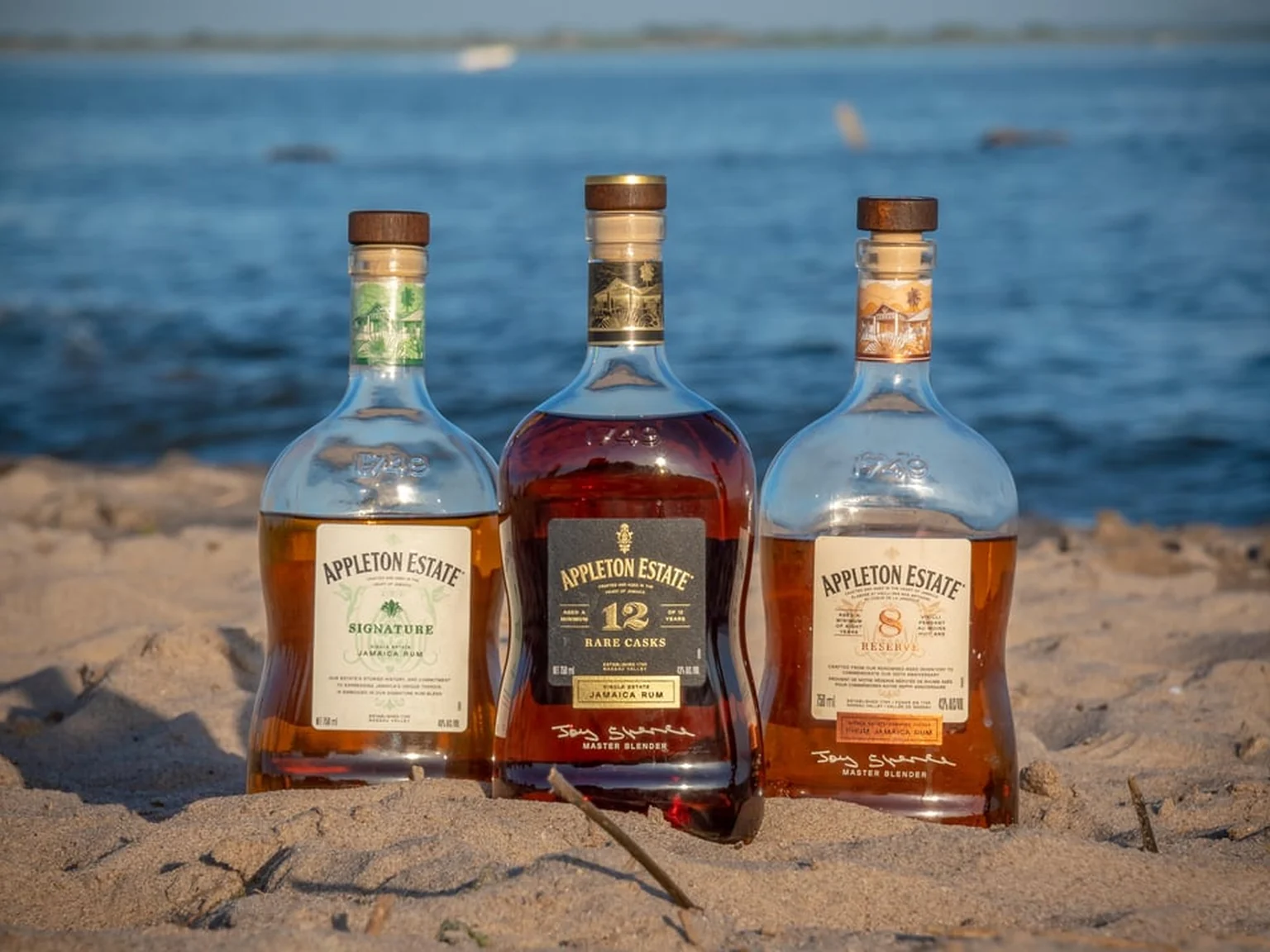
Three Appleton Estate aged rums in the sand, gold to mahogany

Gold

Oak, caramel, or both. Gold is a weaker signal than the nose.

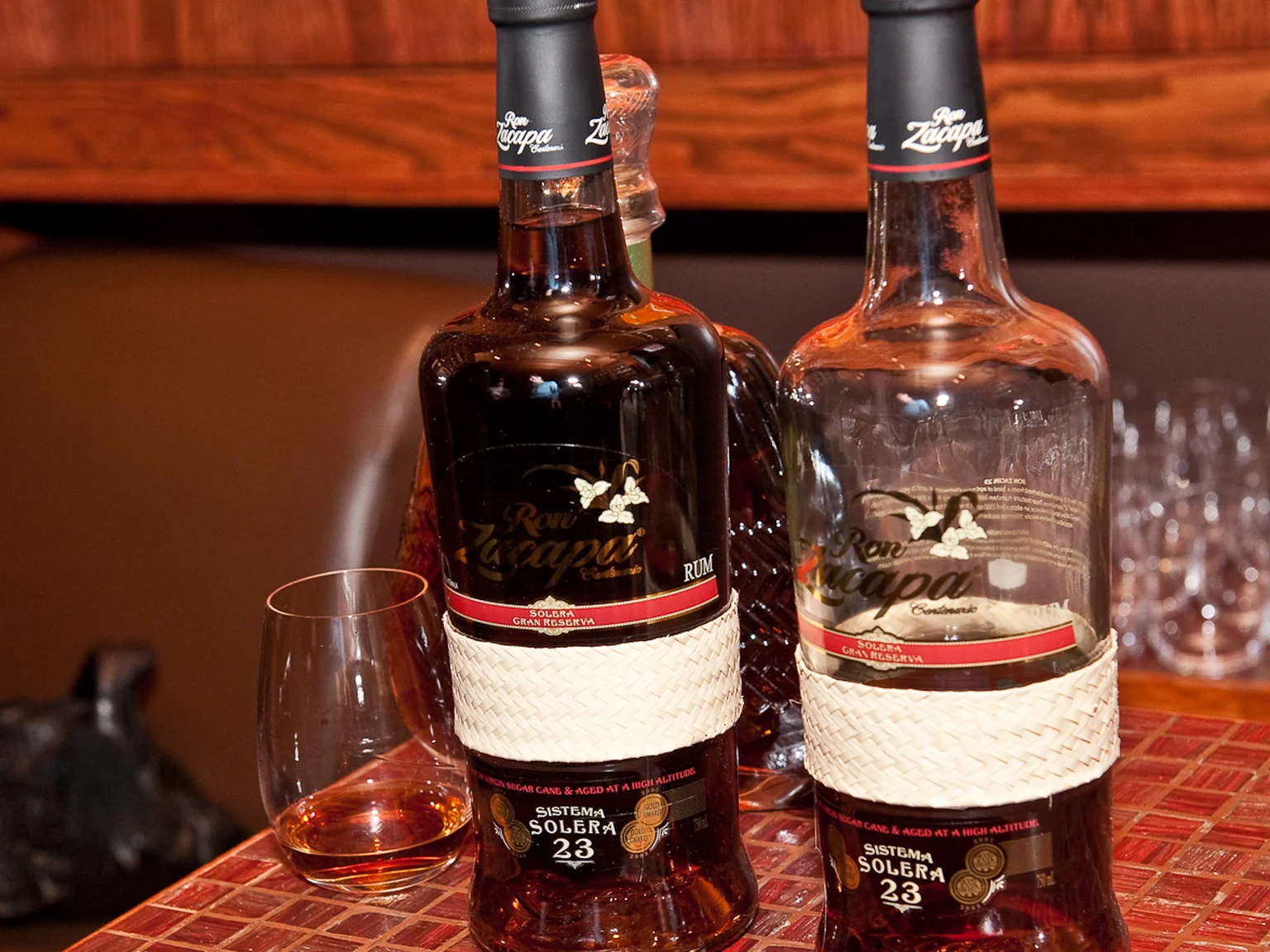
Two dark Zacapa bottles and a tasting glass on a tiled bar

Dark

Near-black can be years in wood — or color and sugar. Taste it.

A lot of the big mixing whites — Bacardi Superior included — spend time in oak, then get filtered until they look clear. Clear means filtered, not young. That light aging is why a good mixing white still feels soft under lime instead of sharp and thin.

Not every white is oak-then-filter. Agricole blanc is usually unaged — grassy cane, not charcoal-stripped oak — so Rhum Clément Blanc or similar is a different Daiquiri than a Spanish-style mixing white. Puerto Rican mixing rum often meets a one-year oak minimum, then many brands filter for a clear bottle.

Gold and dark are weaker signals. The color might be years in wood, a dose of caramel, heavy molasses character, or all three. Rum doesn’t police age statements the way Scotch does. If a near-black bottle mostly tastes like sweet syrup and heat, it will bully a dry Daiquiri no matter how serious the label looks.

Spiced rum is its own product — vanilla, spice, often sugar. Captain Morgan and Sailor Jerry are the usual shelf examples: use them when you want those flavors. Don’t treat them as your aged Mai Tai bottle.

Tip

Two bottles to start

Start with one clean Spanish-style mixing white you like in a Daiquiri — Bacardi Superior, Havana Club 3 where Cuban rum is sold, or a similar filtered white — plus one solid aged rum you like neat or in a ginger highball. Flor de Caña 4 or 7 is the usual soft Spanish-style oak frame; Mount Gay Eclipse or Doorly’s is the approachable Barbados one. That pair covers most MixWise rum recipes.

Add a job when recipes ask, not a trophy. Appleton Estate Signature is the friendlier Jamaican aged rum — oak and a little funk without blowing the glass. Smith & Cross or Wray & Nephew Overproof is funk as a tool, not a daily mixer. El Dorado 5 or 8 gives Demerara weight in a ginger highball. Rhum Clément Blanc or similar is the grassy unaged cane bottle.

Around 40% ABV can taste thin once sugar and citrus arrive. A notch higher holds a Daiquiri better.

Common mistakes

  • Gold or dark on the label used as an age grade → smell the rum, or read still / age / dosage if they print it.
  • Captain Morgan or Sailor Jerry poured as the aged bottle → switch to Flor de Caña 7, Mount Gay Eclipse, or similar for oak and body.
  • Daiquiri tastes like banana or solvent → switch to a cleaner white (or 3:1 clean to funky) before you add more sugar.
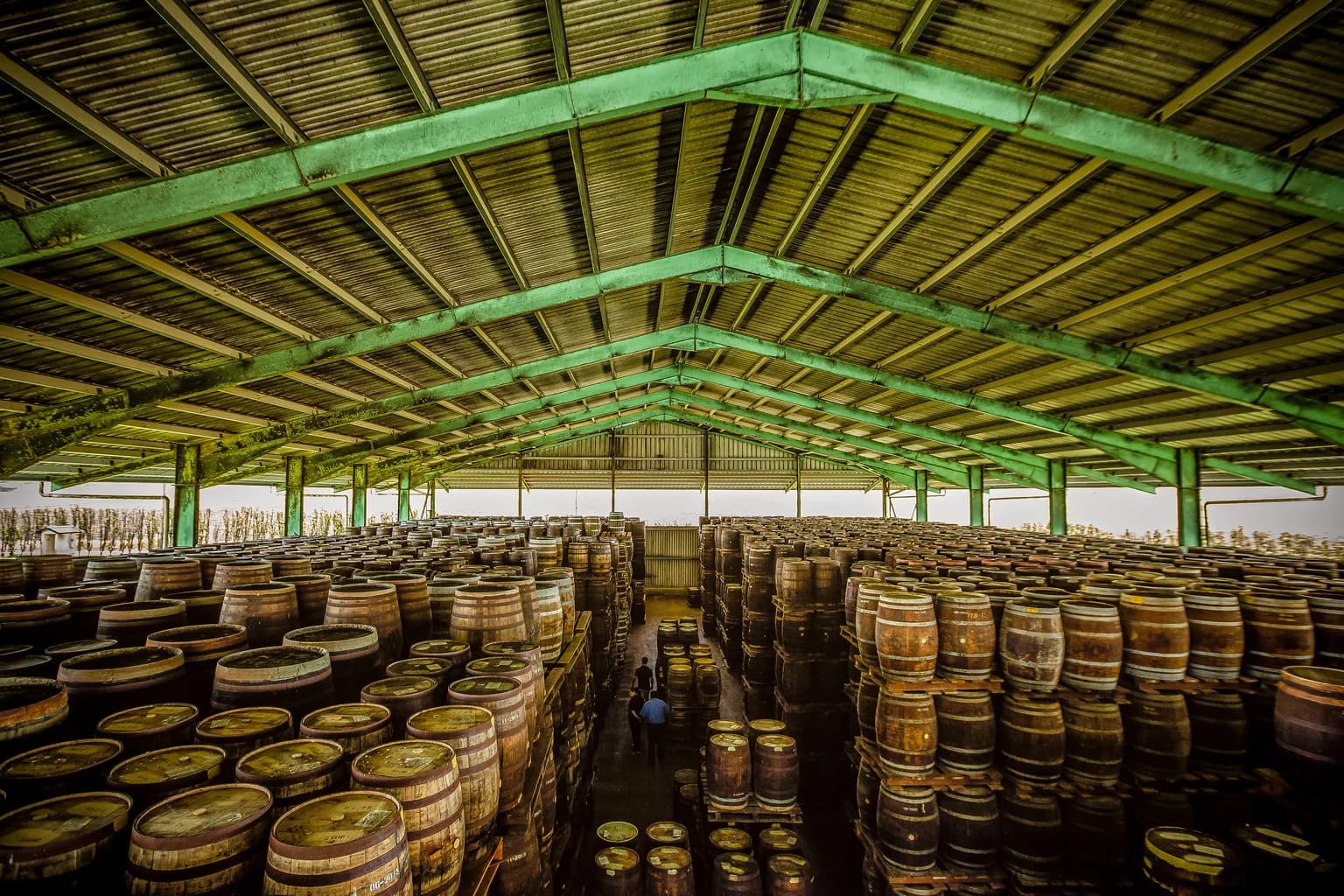
Oak rum barrels stacked in a distillery warehouse

Up next · 6 min

How rum is made

In Rum: from bottle to classics · Library