Library

Rum · 6 min read

How rum is made

A few production levers explain most of what you smell and taste. Learn those, and bottle choice stops feeling like guesswork.

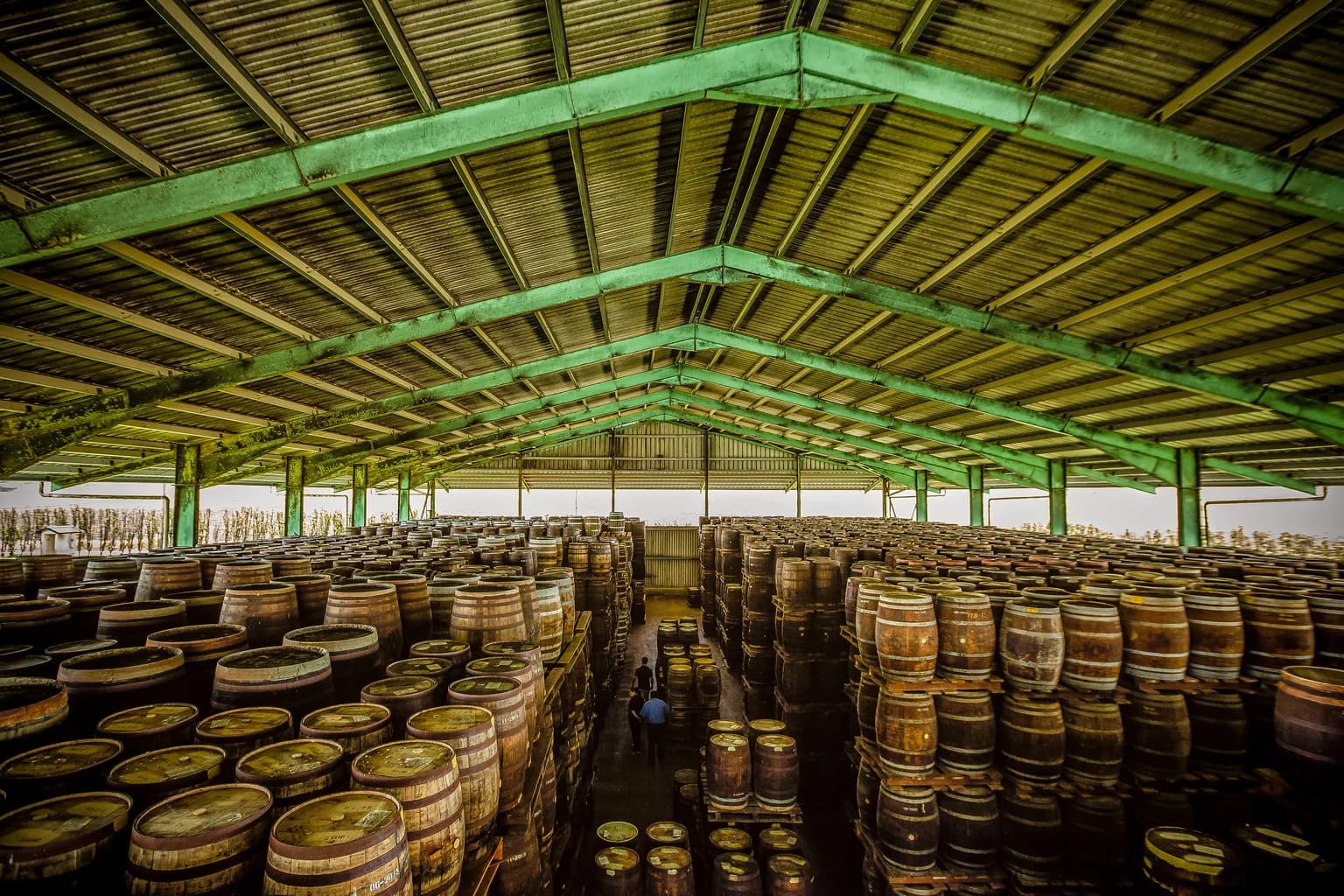
Oak rum barrels stacked in a distillery warehouse

The big idea

Production choices — base, ferment, still, oak, and sugar — show up in the glass more honestly than the color on the label.

The rule

From cane to glass

Five levers from cane to glass
1

Cane / molasses

The base you smell later.

2

Ferment

Time and yeast make esters.

3

Still

Pot keeps aroma; column cleans.

4

Age

Oak + climate do the work.

5

Bottle

Filter, color, or sugar last.

Color happens late. Taste starts with the first four steps.

A few production choices sit between the field and the glass: what you ferment, how long it ferments, how you distill it, how you age it, and what you add at the end.

Those levers show up in the glass more honestly than the color on the label. Learn them, and a new bottle is a set of choices you can taste.
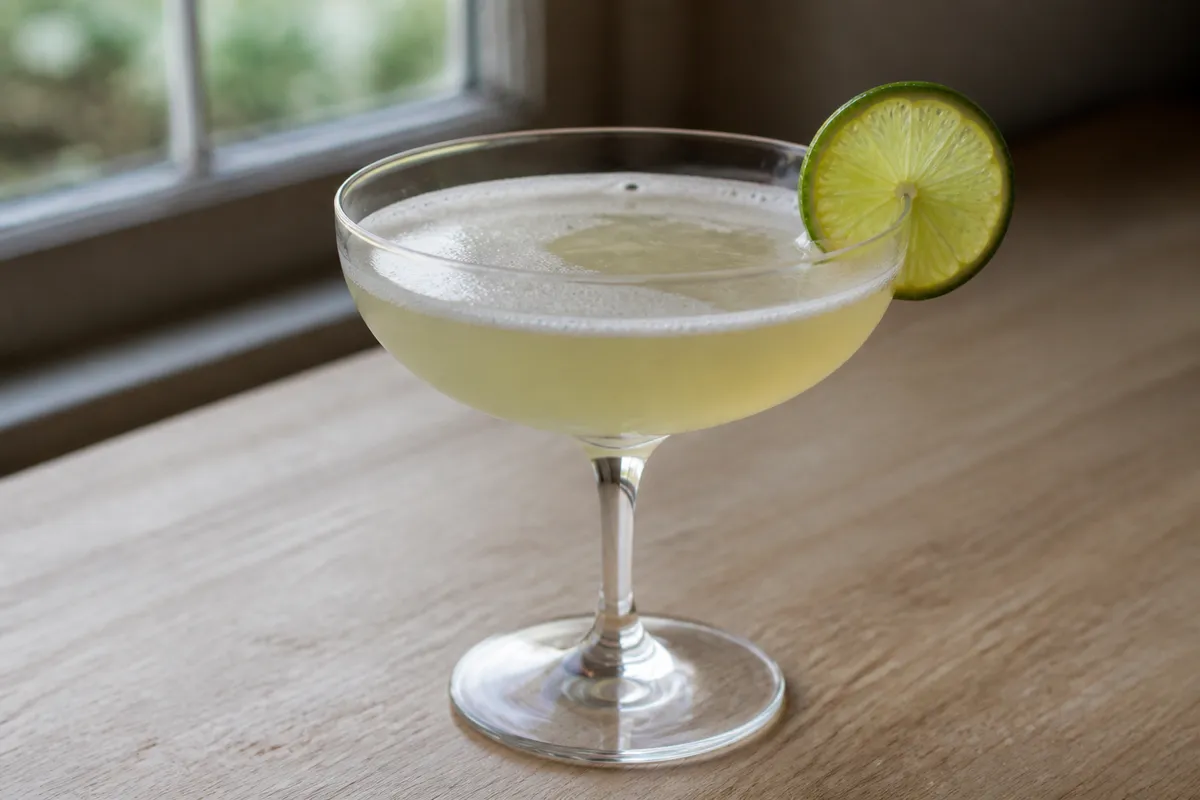
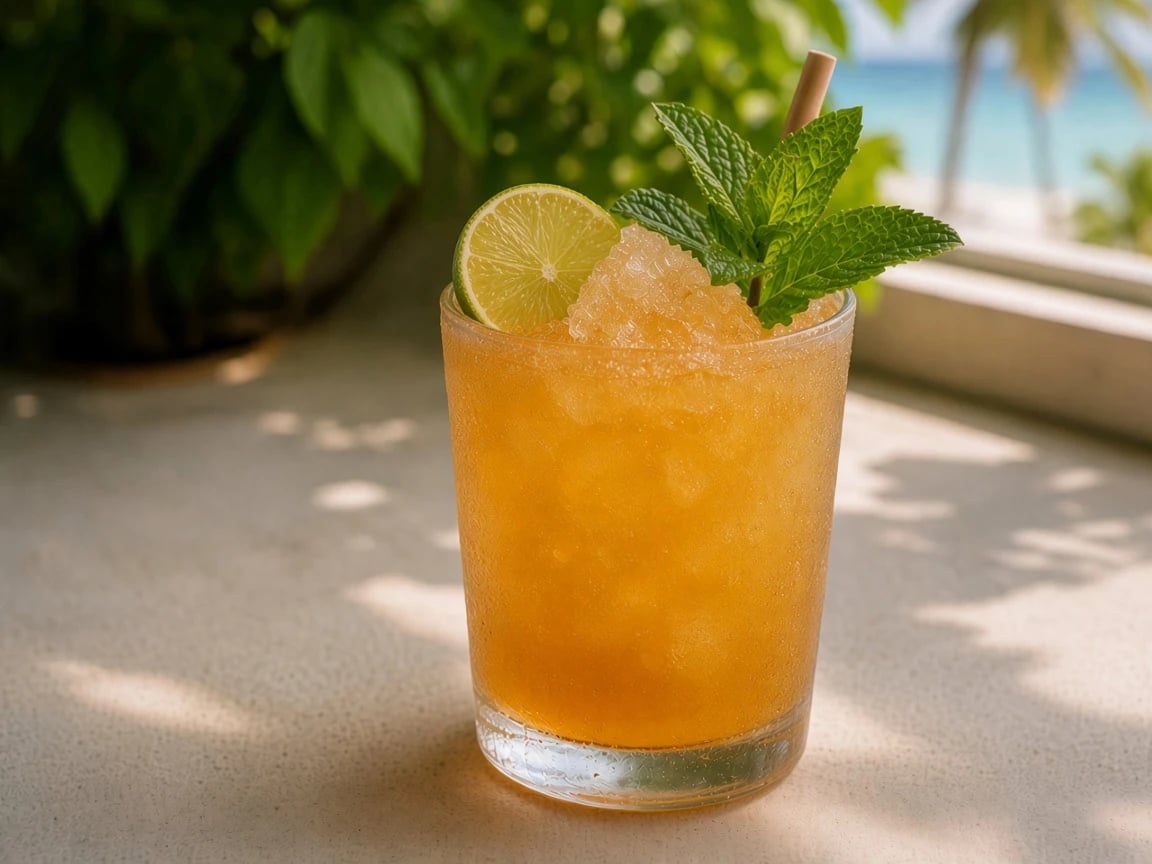
Molasses vs cane juice

Most rum starts as molasses, the leftover of sugar-making. It can be clean and versatile, or rich and sticky, depending on everything that follows.

Rhum agricole starts as fresh cane juice. It often reads grassy, olive, and bright — Rhum Clément Blanc or similar is the usual bottle for that job. Beautiful, and a different Daiquiri than a Spanish-style mixing white.

Ferment, still, and esters

Yeast and time make aroma. Short, controlled ferments stay quiet. Long, wilder ferments build esters. Pot stills keep more of that aroma; column stills can refine toward a clean mixing rum. Many bottles are a blend of both.

Push them hard and you get banana, pineapple, or a sharp solvent note. That smell was meant to carry across a punch bowl. In a Daiquiri, it usually buries the lime.

A high-ester Jamaican like Smith & Cross is that punch-bowl tool — not a silent swap for Bacardi Superior. If the producer prints still type, ester marks, age, or dosage, that sheet is more honest than gold foil.

Tip

Oak, climate, and what’s added

Heat and humidity in the tropics pull more from oak, faster, and lose more to the angels. A few years in Barbados is not a few years in a cooler warehouse. The number on the label is not a flavor score.

Some producers add caramel or a little sugar after aging — dosage. That can read as softness or as syrup. If a “dark” rum tastes mostly sweet, believe your tongue.

Common mistakes

  • A dark bottle assumed to mean more oak → taste whether the weight is oak or sugar, and check still / age / dosage if they print it.
  • Every white rum treated as unaged agricole → use a Spanish-style mixing white for a standard Daiquiri; reach for Clément Blanc or similar only when you want grassy cane.
  • High-ester pot-still rum in a 2:1:1 Daiquiri tastes like banana or solvent → cut it 3:1 with a clean white, or save Smith & Cross for punch and Mai Tai fractions.
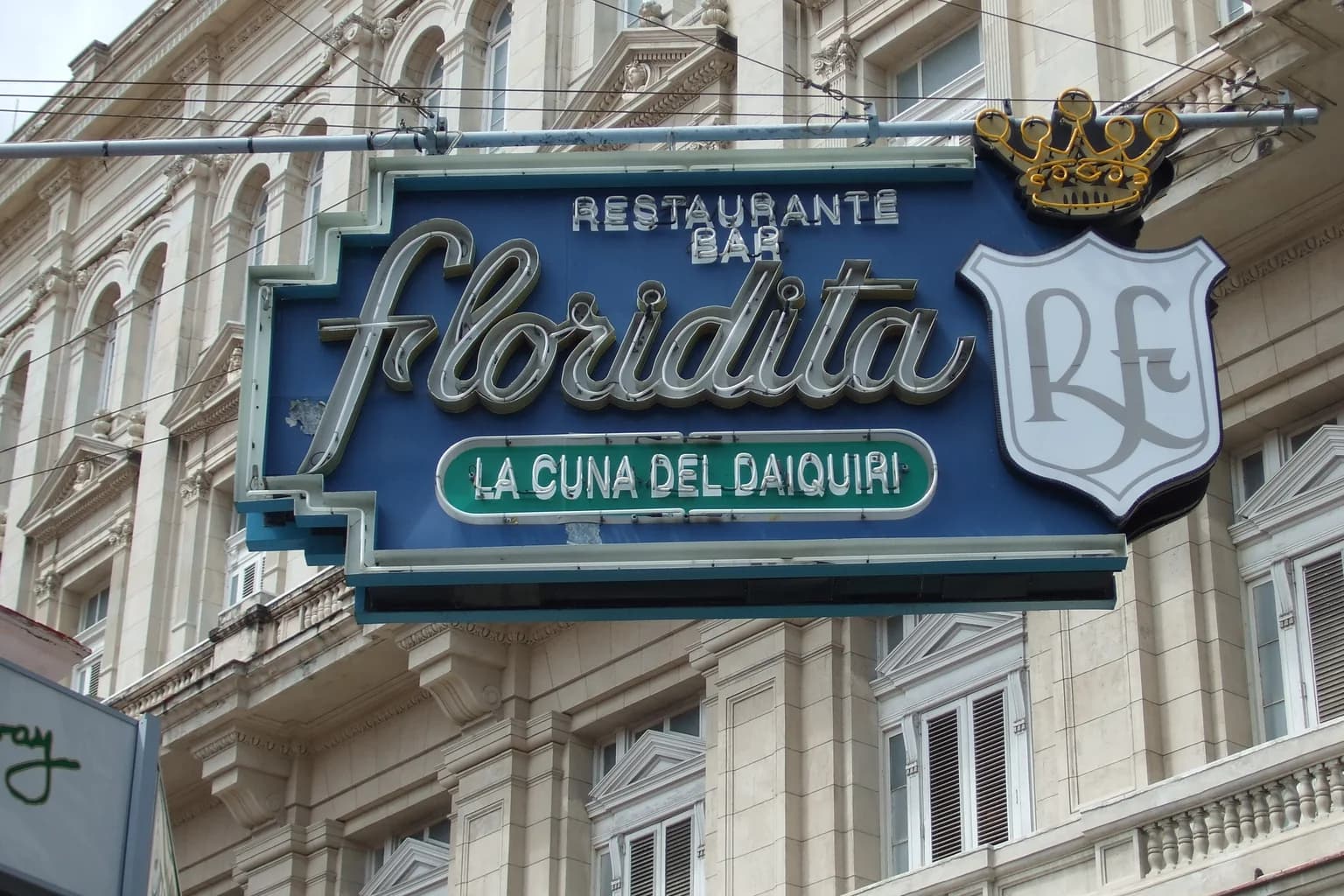
El Floridita neon sign in Havana, home of the Daiquiri

Up next · 6 min

Rum history in your glass

In Rum: from bottle to classics · Library