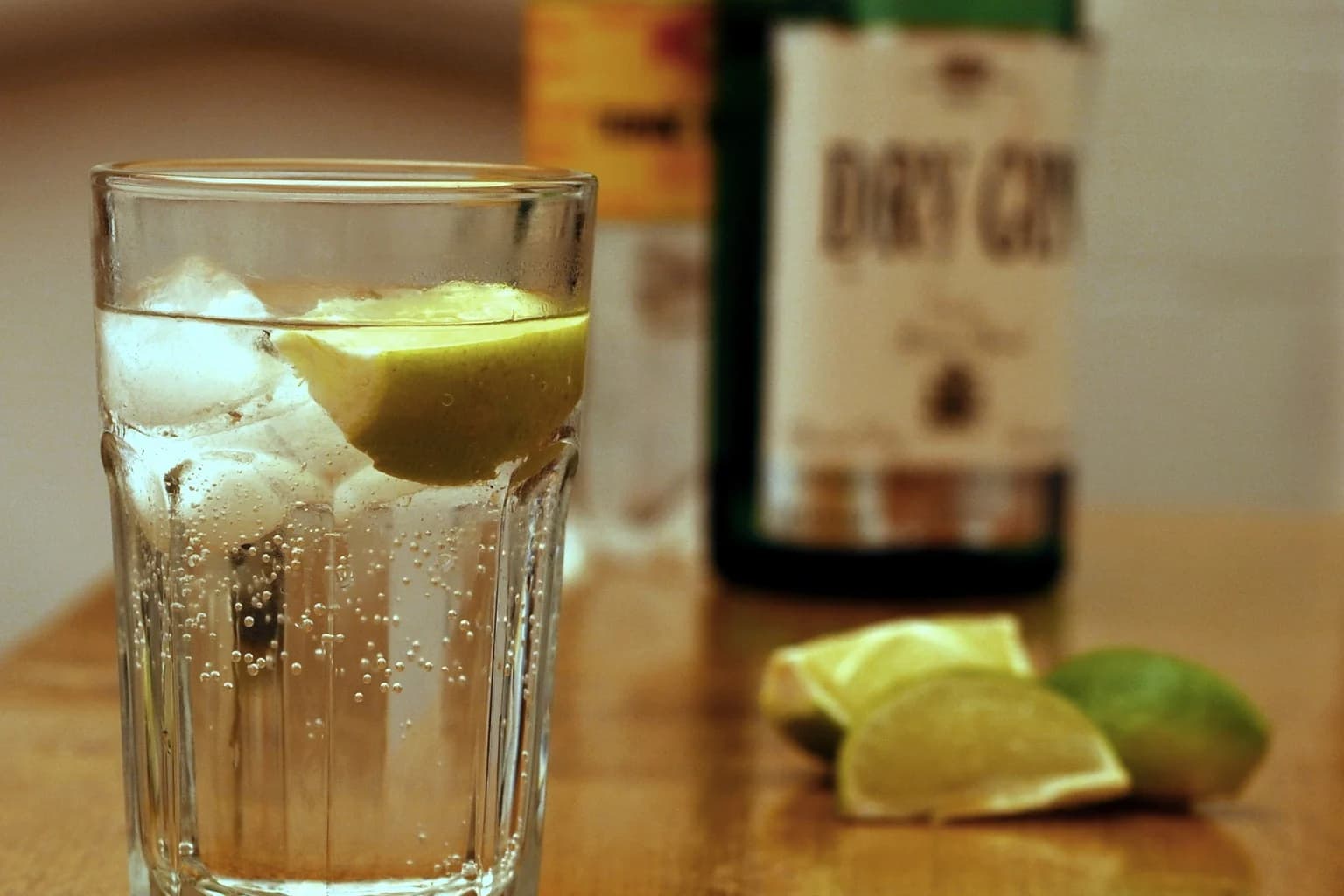
A gin and tonic with ice and lime, gin bottle softly blurred behind
Learn library

Spirits · 5 min read

Gin primer: botanicals & classics

London dry vs contemporary gin, why botanicals matter in Martinis and Negronis, and how to pick a bottle that still tastes like gin after tonic or vermouth.

The big idea

Gin is a flavored spirit with a juniper legal spine — choose a bottle for how its botanicals behave under tonic, vermouth, or citrus, not for the prettiest bottle art.

5 things to remember
  1. Juniper must be perceptible for it to be gin; everything else is house style.

  2. London dry is the reliable cocktail default — dry, juniper-led, no post-distillation sweetening.

  3. Contemporary / new-wave gins can be citrus- or floral-forward — great neat or in G&Ts, riskier in Negronis.

  4. Tonic is a lengthener with bitterness; it reveals gin character instead of covering flaws.

  5. For Martinis and Negronis, buy a gin you like with a whisper of vermouth — not only with soda.

What the law actually requires

Styles that change Martini and Negroni behavior

London dry

Juniper · dry

Contemporary

Citrus · floral

Navy / overproof

Hot · holds citrus

Old Tom

Softer · historic

Gin is a distilled spirit flavored so that juniper is the predominant botanical character. That is the load-bearing rule — not “clear” and not “tastes like Christmas.”

Beyond juniper, producers build a botanical recipe: coriander, citrus peel, angelica, orris, and dozens of others. Those choices decide whether the gin reads piney, citrusy, floral, spicy, or soft.
London dry vs contemporary

London dry is a production style (not a geography requirement): distilled with botanicals, no sweetening after distillation beyond a tiny allowance, and a dry profile. It is the usual home pour for Martinis, Negronis, and classic G&Ts.

Contemporary gins often push citrus, cucumber, floral, or spice notes. They can make a brilliant highball and a muddy Negroni. Taste neat with a drop of water before you commit a whole bottle to equal-parts drinks.

Match the bottle to the template

Three glasses that teach the category
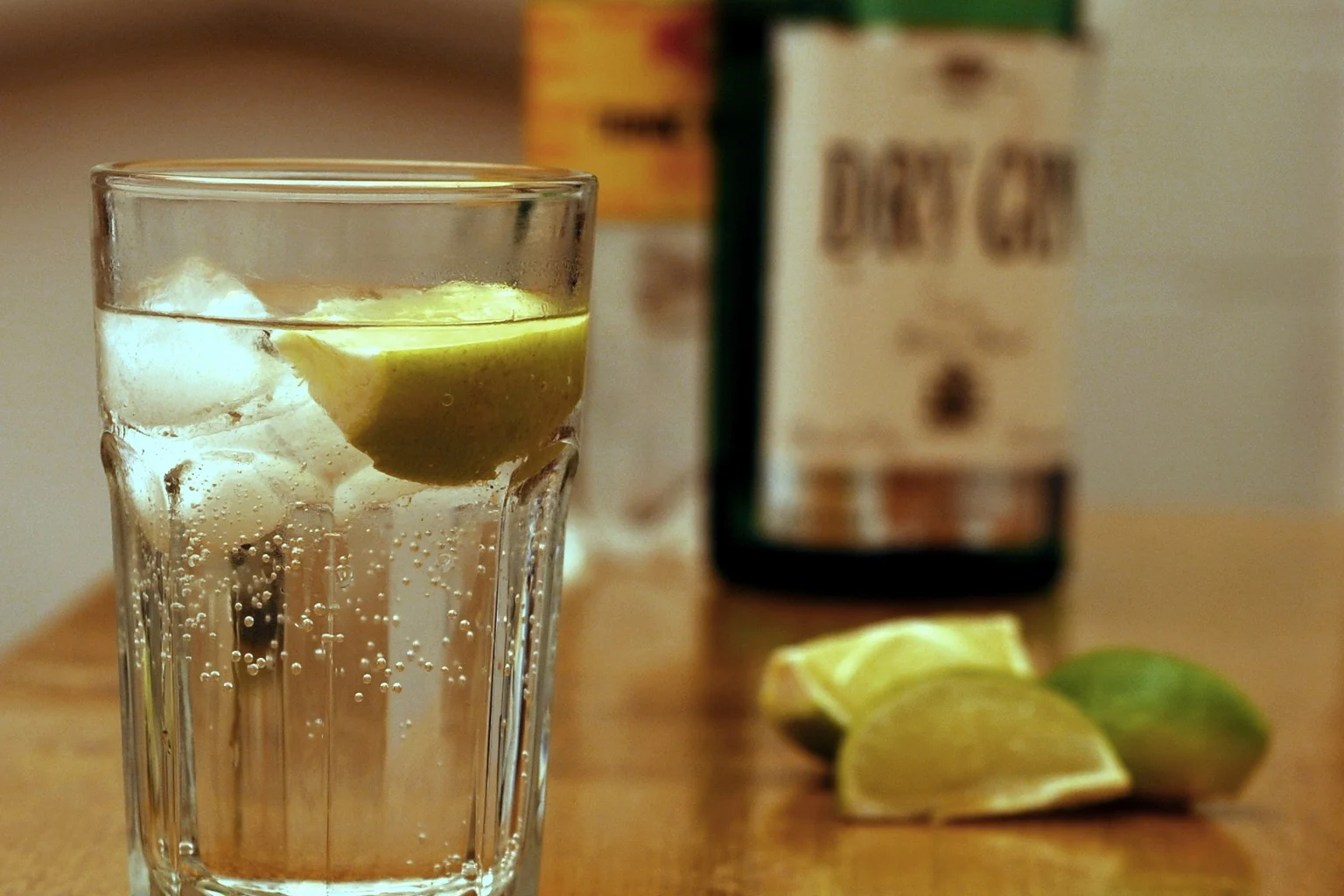
A gin and tonic in a highball with packed ice and lime

G&T

Highball — tonic reveals the gin

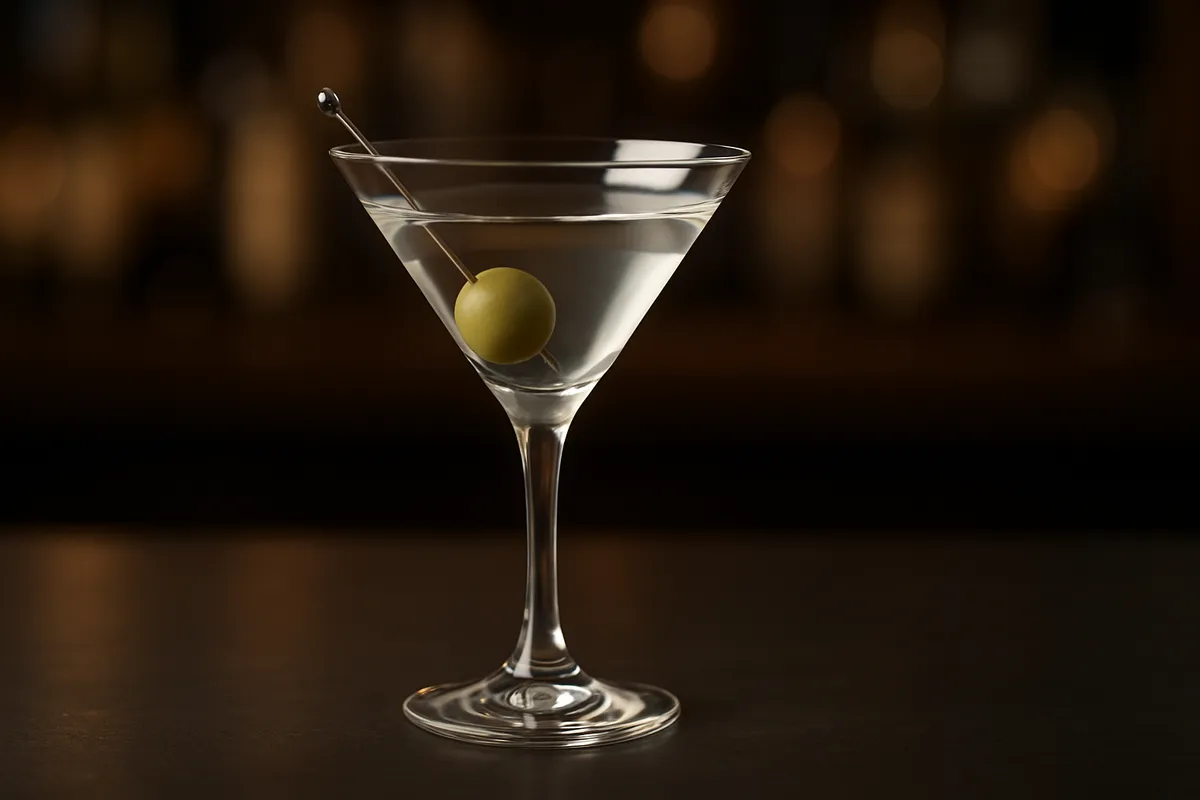
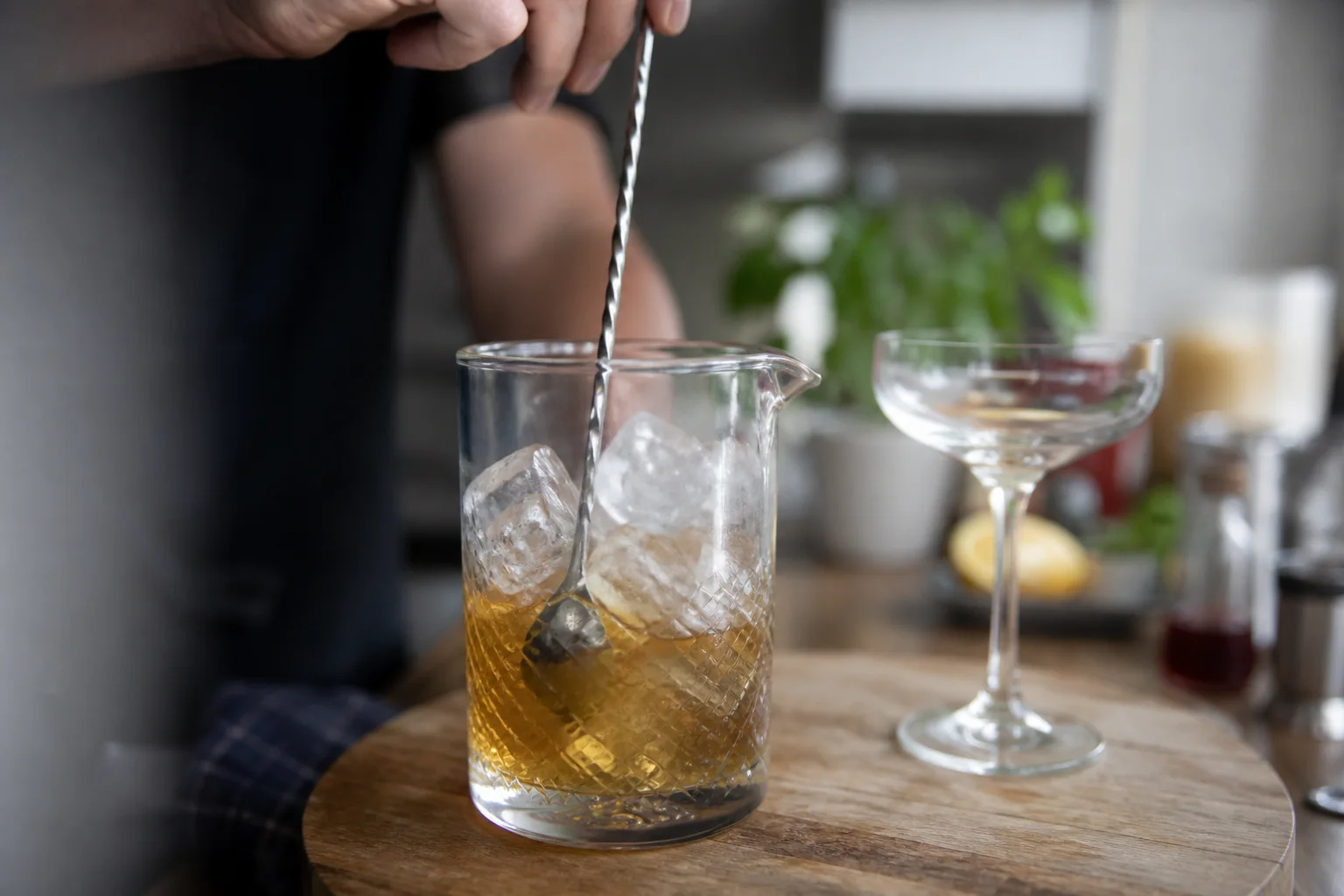
Mixing glass with ice and a bar spoon for stirred drinks

Martini / Negroni

Stir — vermouth and bitter need silk

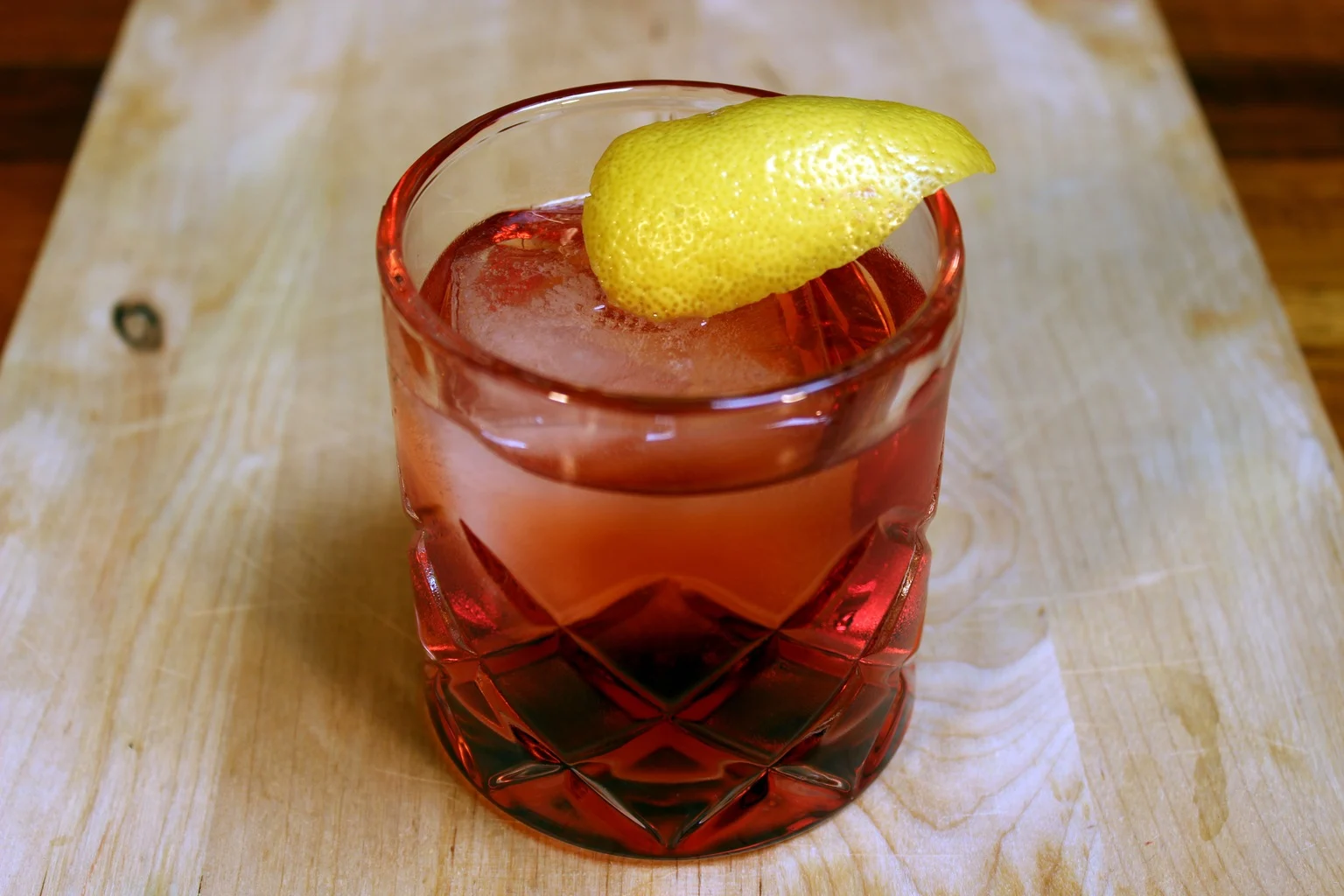
A Negroni in a rocks glass with orange peel

Negroni

Equal parts — gin must still read

Highball (G&T): almost any good gin works if tonic is cold and ice is packed. Soft gins need a leaner tonic; juniper bombs can handle a fuller one.

Martini family: juniper and structure matter — you are mostly tasting gin and a little wine. Soft floral gins can taste like cold cologne once vermouth is gone.

Negroni family: Campari is loud. Choose a gin that still reads as gin after equal parts bitter and sweet vermouth.

Common mistakes

  • Buying gin only for the G&T, then wondering why the Martini tastes hollow.
  • Treating “craft” or “small batch” as a quality score — those words are marketing, not London dry.
  • Using warm tonic and three cubes, then blaming the gin for a flat highball.

Part of a path

Gin primer: botanicals & classics

Choose a gin that still tastes like gin under tonic or vermouth, stir a Martini or Negroni, build a G&T, then finish with citrus oil.

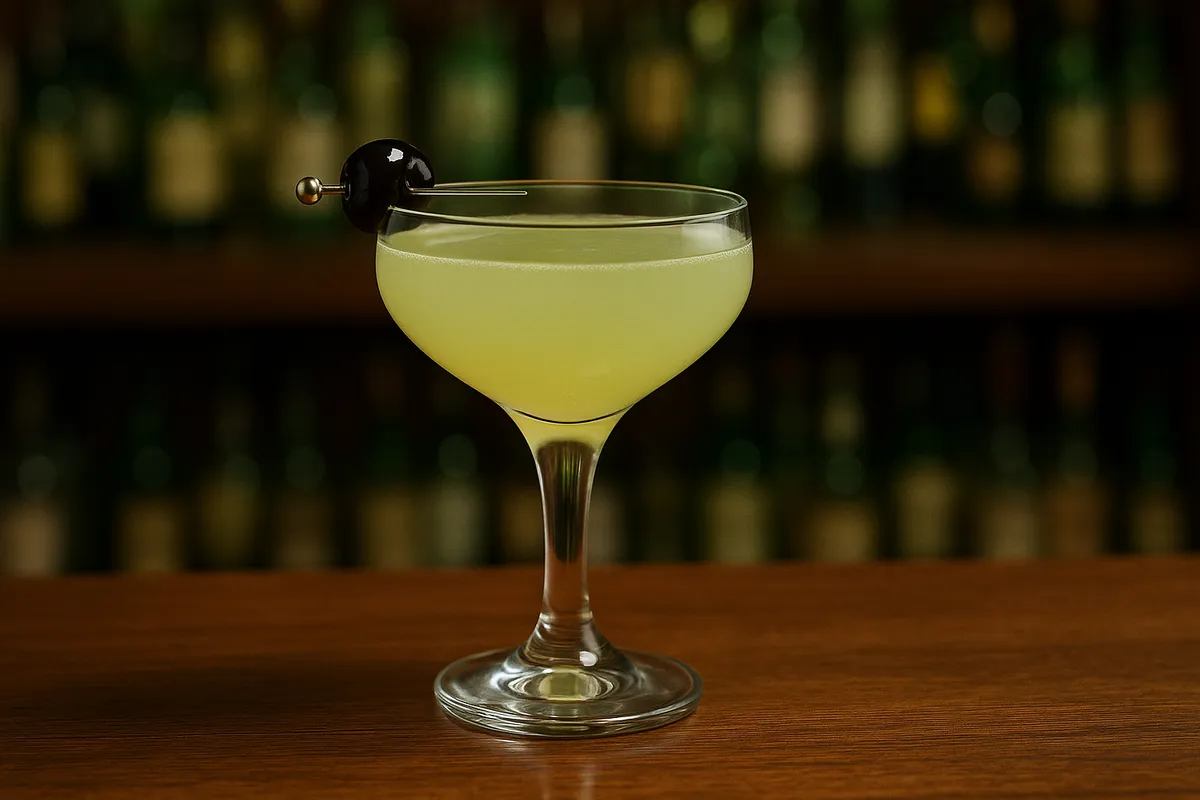
A classic Daiquiri in a stemmed cocktail glass on dark wood

Up next · 5 min

Rum primer: from Daiquiri to Mojito