The rule
When to stir
Stir spirit-forward drinks — Manhattans, Martinis, Negronis, Boulevardiers — when you want clarity and a denser mouthfeel. No citrus, no egg, no dairy.
The big idea
Stir all-spirit drinks for clarity and silk. Dilution is the seasoning — taste for cold without thinness.
Keep these
Reserve stirring for spirit-and-liqueur drinks without citrus, egg, or dairy.
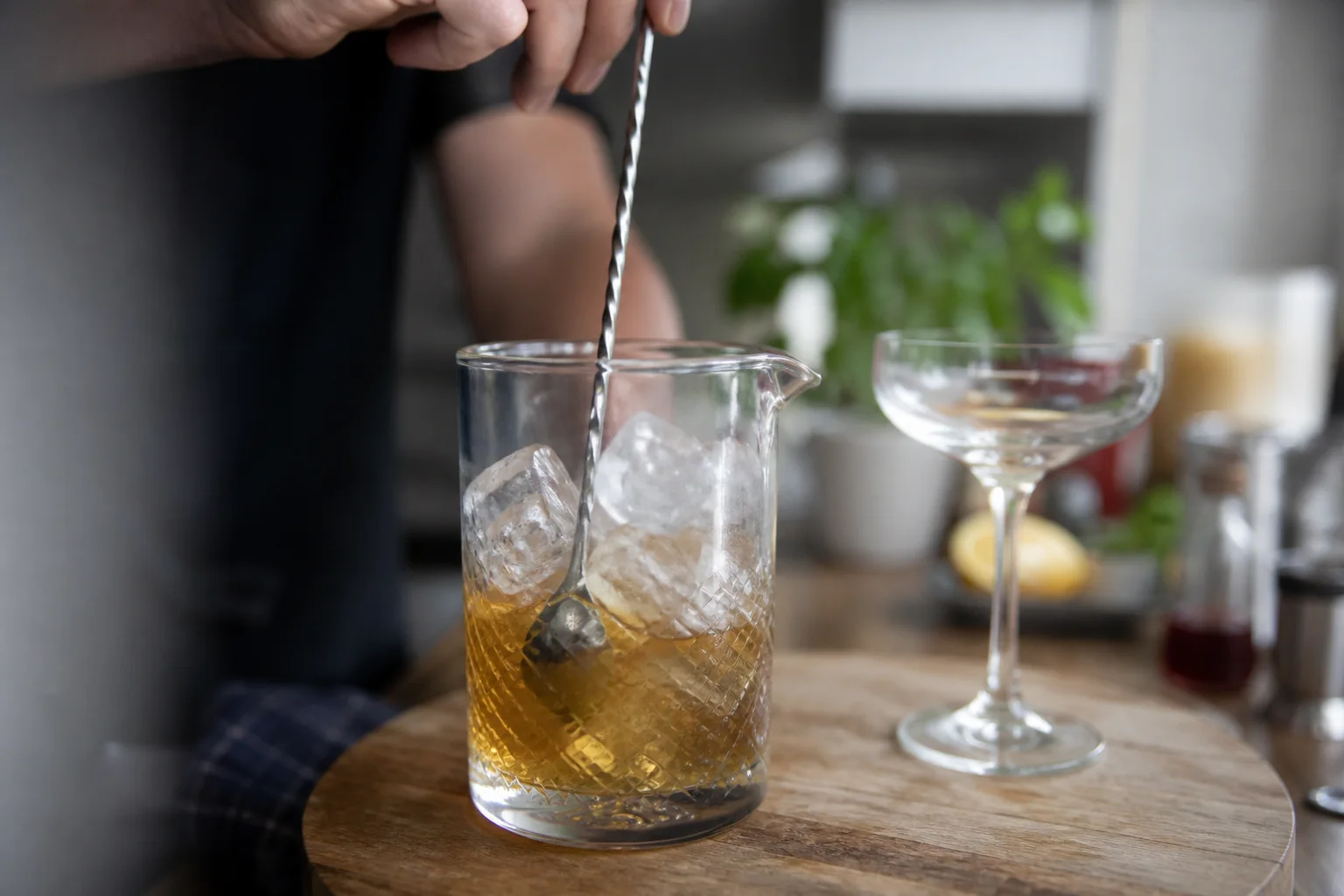
Pack the mixing glass; stir smooth circles ~20–30 seconds with the spoon on the glass.
Hot alcohol means under-stirred; thin means over-stirred — taste, don’t worship the clock.
Keep the spoon on the glass so you slide instead of churn (churning clouds the drink).
The rule
Stir spirit-forward drinks — Manhattans, Martinis, Negronis, Boulevardiers — when you want clarity and a denser mouthfeel. No citrus, no egg, no dairy.
Pack the glass
Hard cubes, full mixing glass.
Smooth circles
Spoon on the glass 20–30 seconds — don't churn air.
Taste for silk
Heat gone, still concentrated. Then strain.
Pack a mixing glass with ice, pour ingredients, and stir with a barspoon in smooth circles for 20–30 seconds. Keep the spoon against the glass so you don’t churn air in.
Strain into a chilled glass. Express citrus oils over the top when the recipe calls for it.
In the glass
Read the drill, then make the drink once focusing on that cue — repetition beats another paragraph.
Whiskey
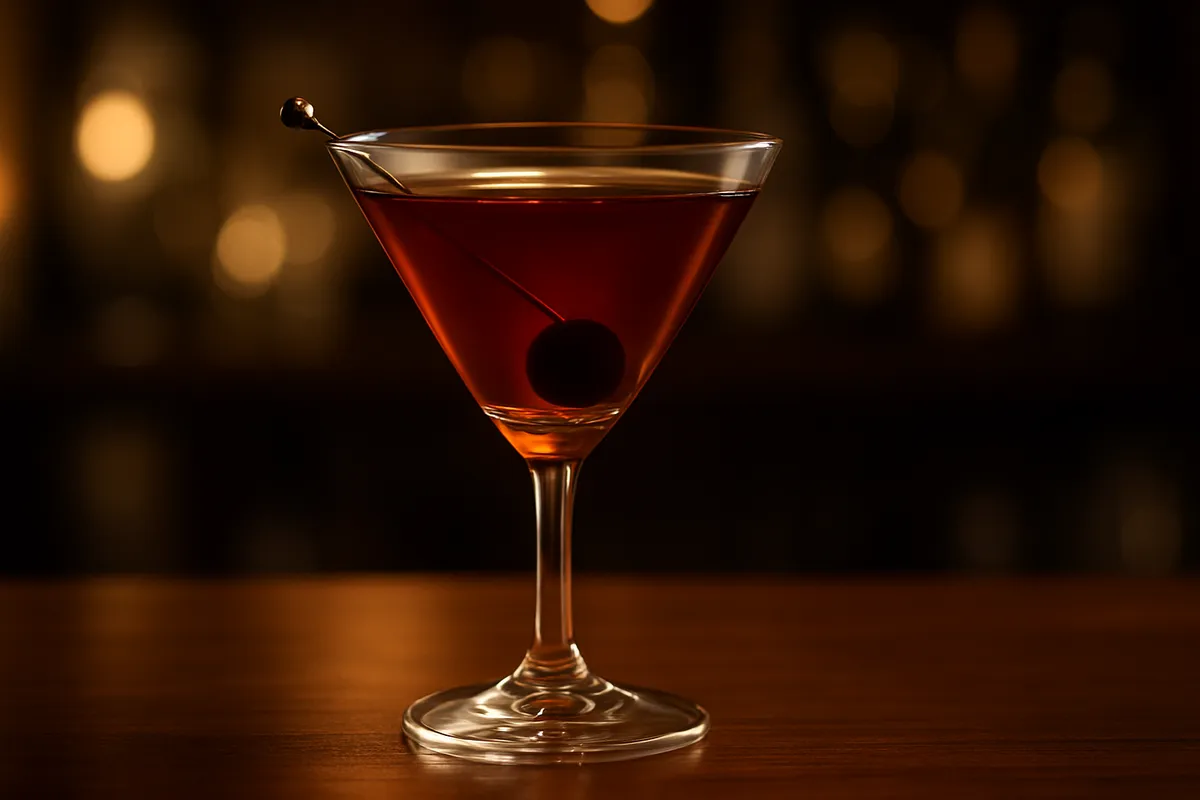
Pack the mixing glass. Stir until the whiskey heat drops and the drink feels slightly softened — not thin. If it’s dusty, suspect the vermouth.
Gin
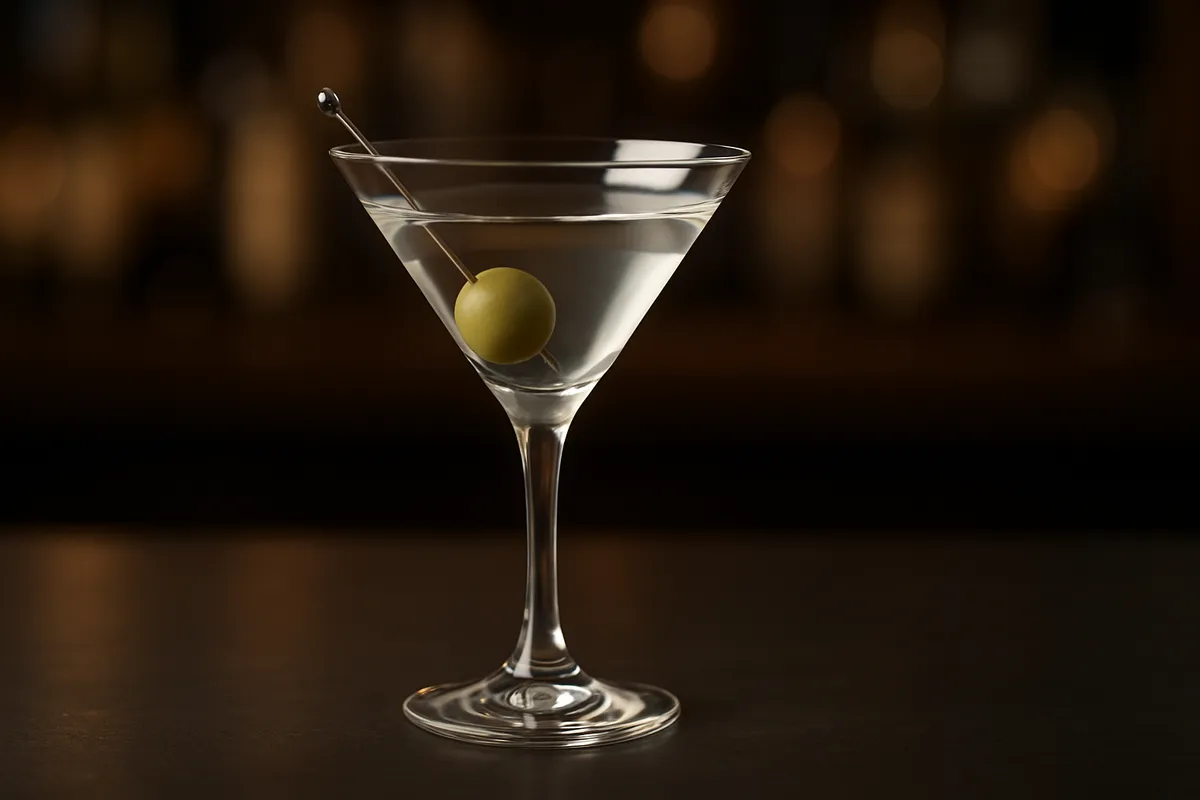
Smooth circles, spoon on the glass. You want jewel-clear, dense, and cold. Cloudiness means you churned air (or shook it).
Gin
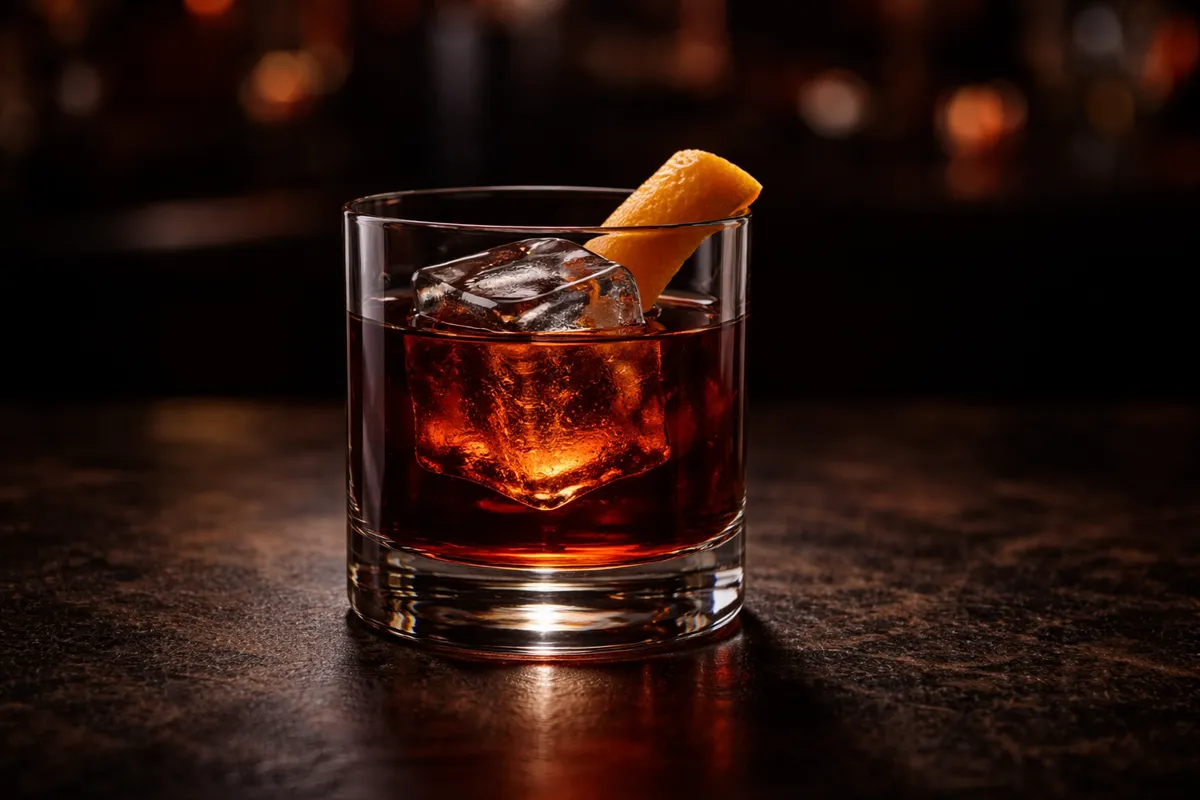
Equal parts still need dilution. Stir until it’s refreshing, not hot-candy bitter. Express orange on top.
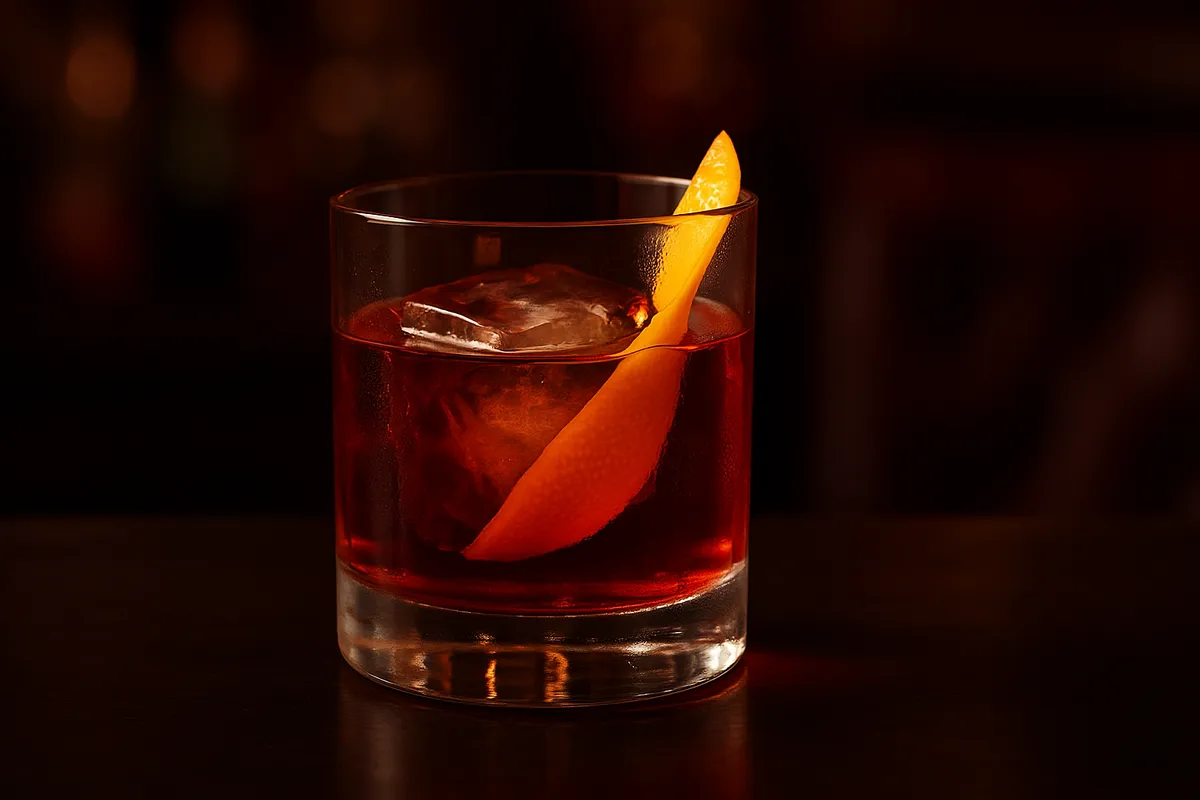
Bourbon
Same stir as a Negroni, whiskey instead of gin. Taste for cold and silk before you strain.