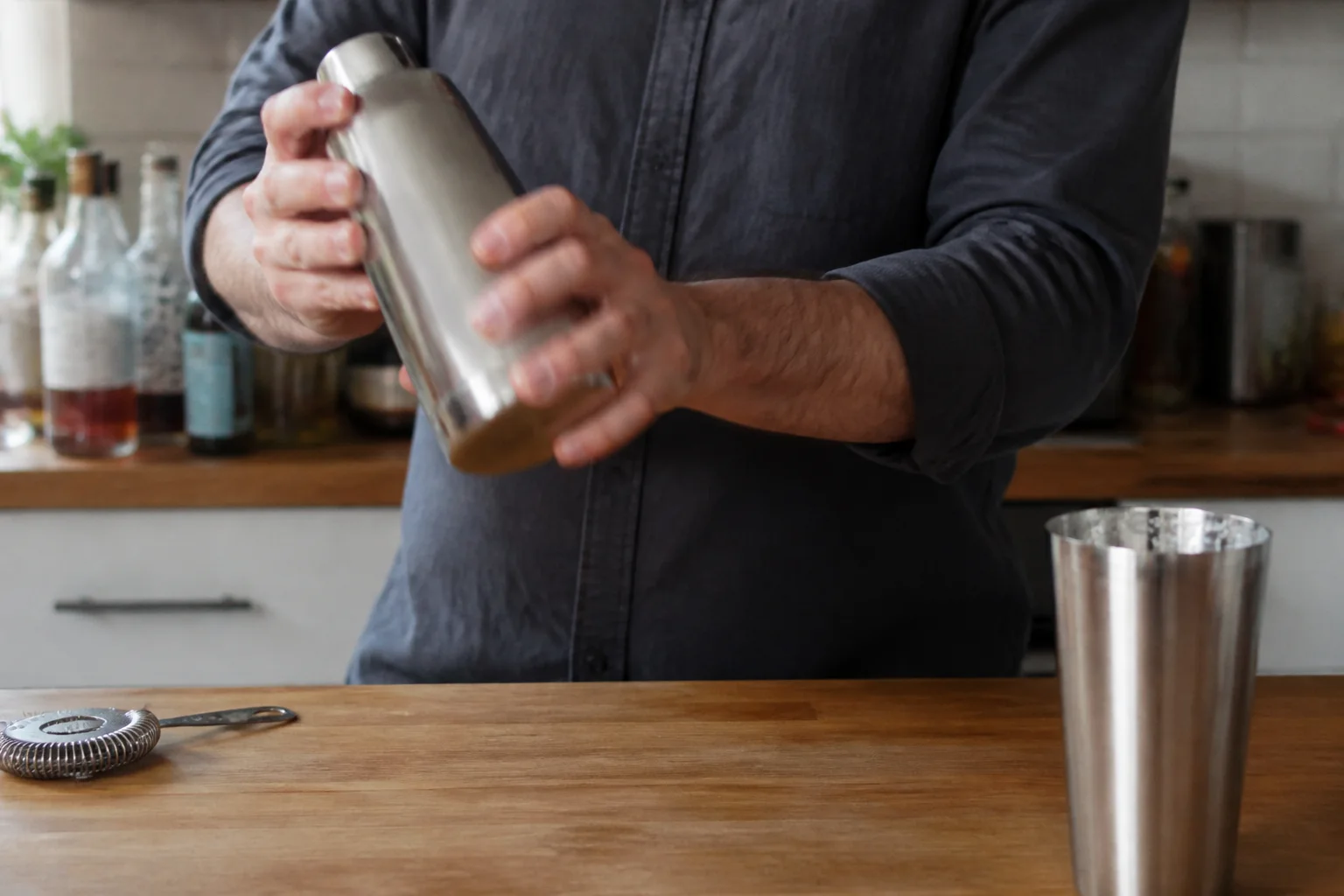
Dry shaking a cocktail tin without ice
Learn library

Technique

Dry Shake

Shake the drink without ice first — usually to foam egg white or aquafaba.

The big idea

A dry shake builds foam without ice in the way — then a wet shake sets temperature and dilution so you don’t serve warm meringue.

5 things to remember
  1. Shake egg white or aquafaba without ice first until the tin sounds creamy, not sloshy.

  2. Always follow with a wet shake on ice — foam without chill is a warm dessert.

  3. Fine-strain into a chilled glass so chips don’t deflate the cap.

  4. A reverse dry shake (wet first, dry second) can make a tighter foam; either order works if both halves happen.

  5. Skip the dry shake when there’s no protein to foam — citrus-only sours don’t need it.

When to dry-shake

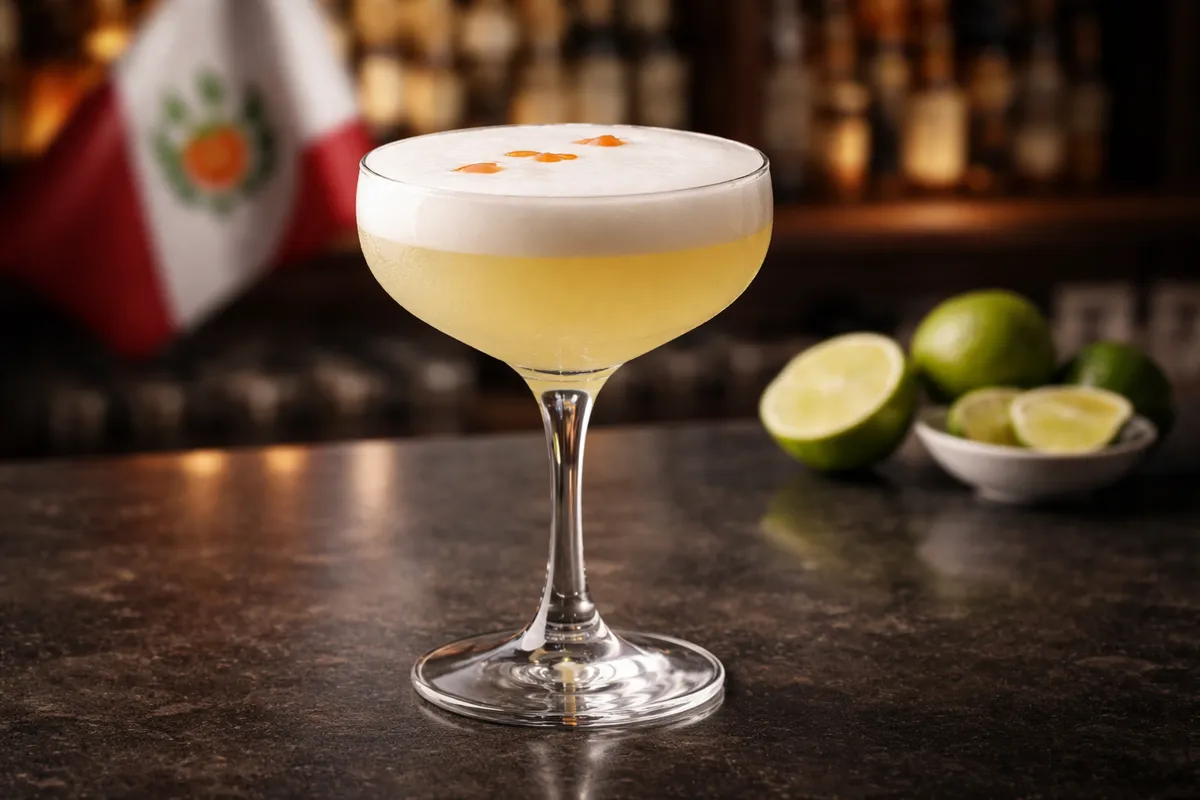
Dry-shake when the recipe includes egg white, aquafaba, or another foaming protein. Ice chills fast but also inhibits foam; giving the protein a hard shake alone lets it unfold and trap air.

Citrus-only sours (a Daiquiri, a Tommy’s Margarita) do not need this move. Save it for drinks that should wear a foam cap.
Foam first, chill second

Foam first, chill second
  1. Shake without ice

    Seal and shake hard 10–15 seconds until the mix sounds creamy.

  2. Open · add ice

    Pack the tin full — sparse ice warms the drink.

  3. Shake again · strain

    Wet-shake until painfully cold, then fine-strain into a chilled glass.

Combine ingredients with no ice. Seal and shake hard for 10–15 seconds — you want a muffled, creamy sound, not ice rattle.

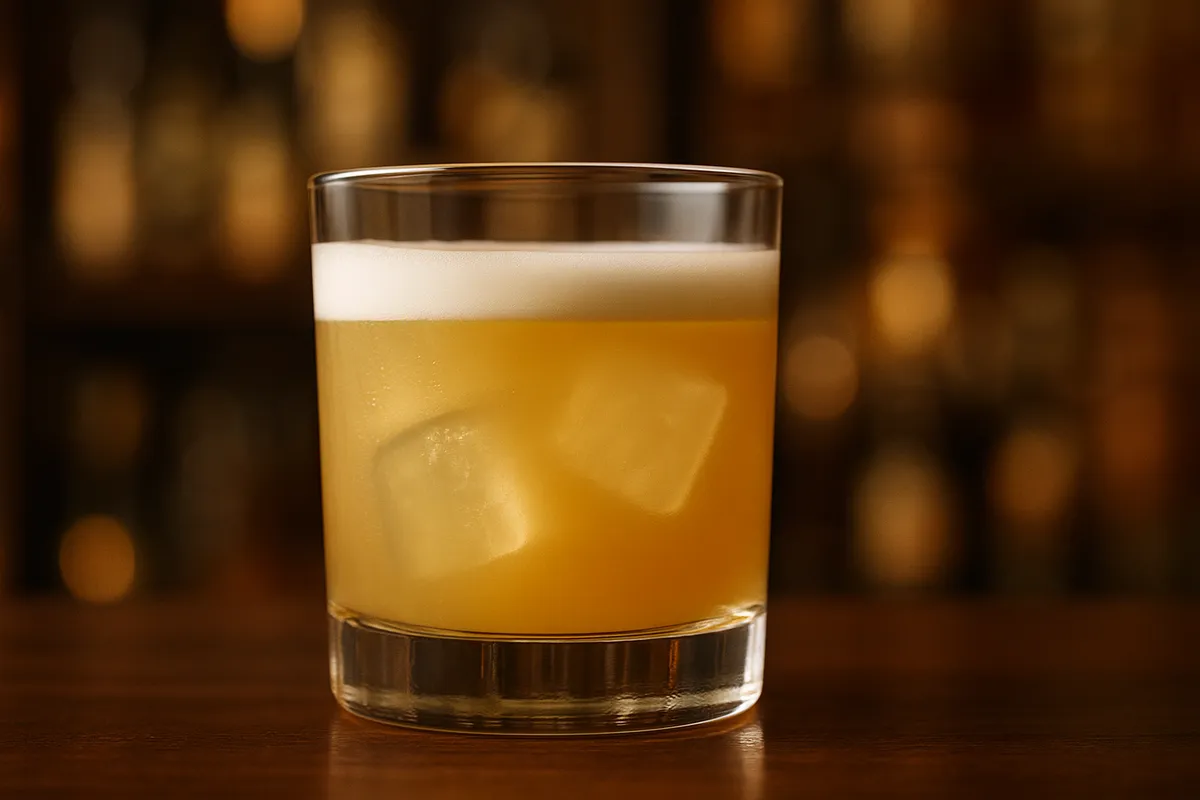
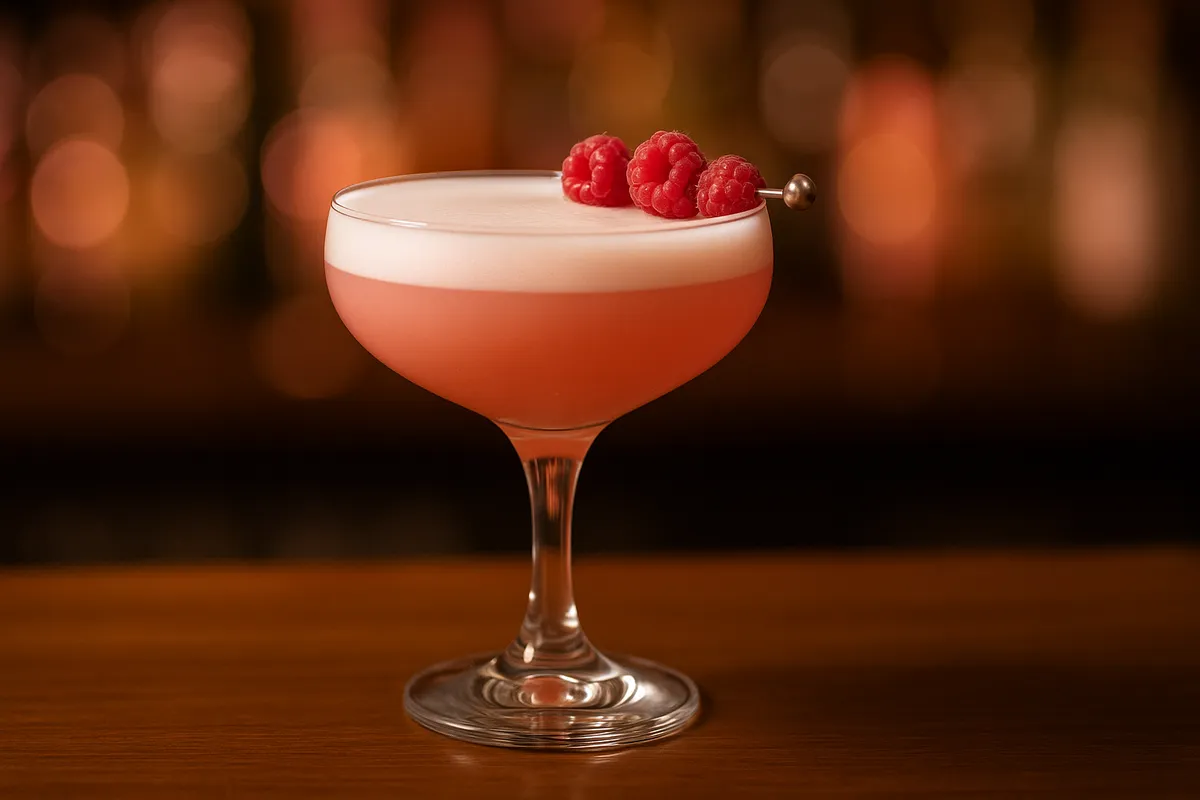
Open, pack with ice, and wet-shake until the tin is painfully cold. Fine-strain into a chilled coupe or Nick & Nora. Let the foam settle a few seconds before garnishing.

Common mistakes

  • Skipping the wet shake leaves a warm, under-diluted drink under pretty foam.
  • A timid dry shake never builds a cap.
  • Overfilling the tin leaves no room for air, so the foam stays thin.
  • Serving into a warm glass collapses what you just built.