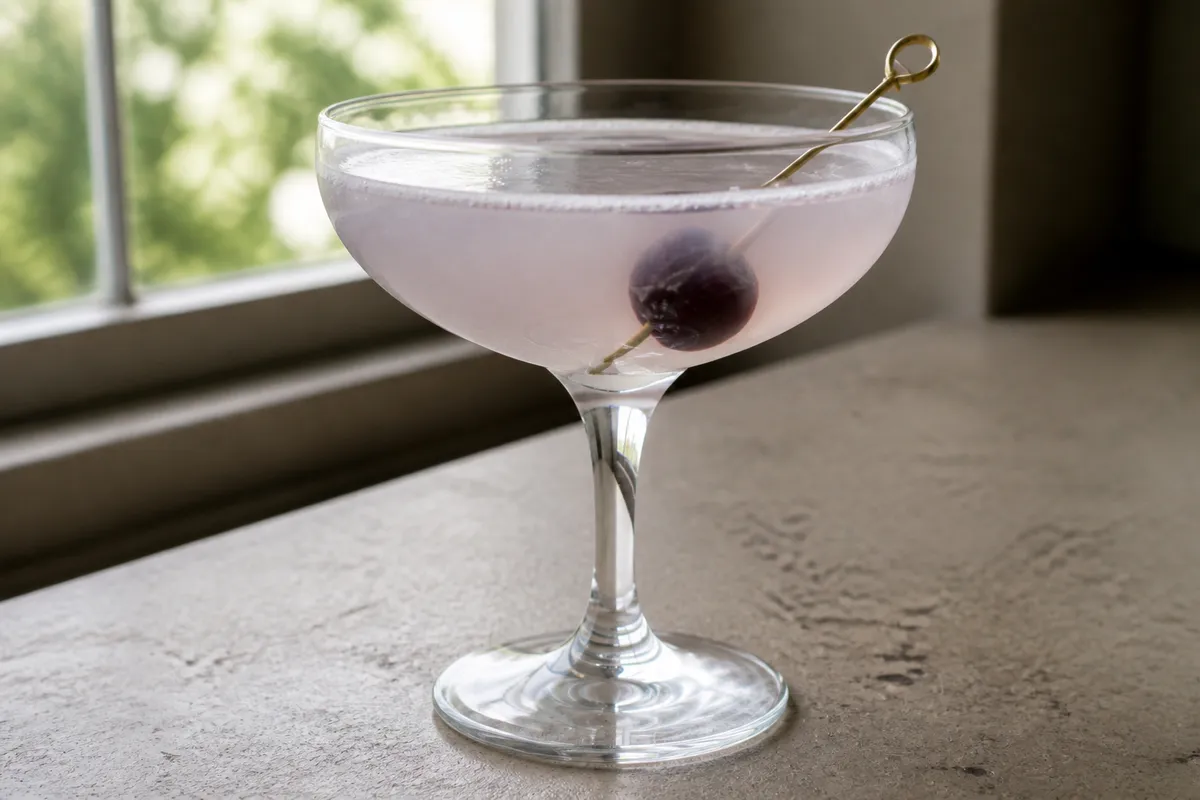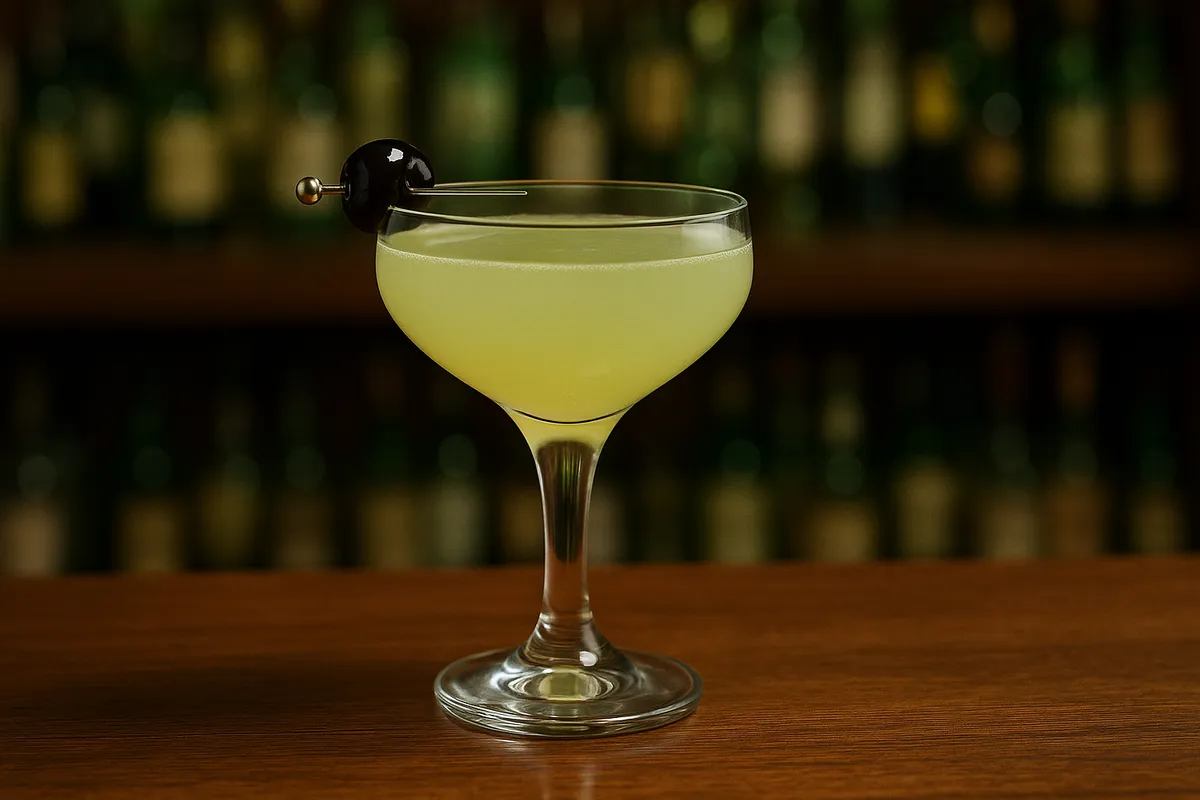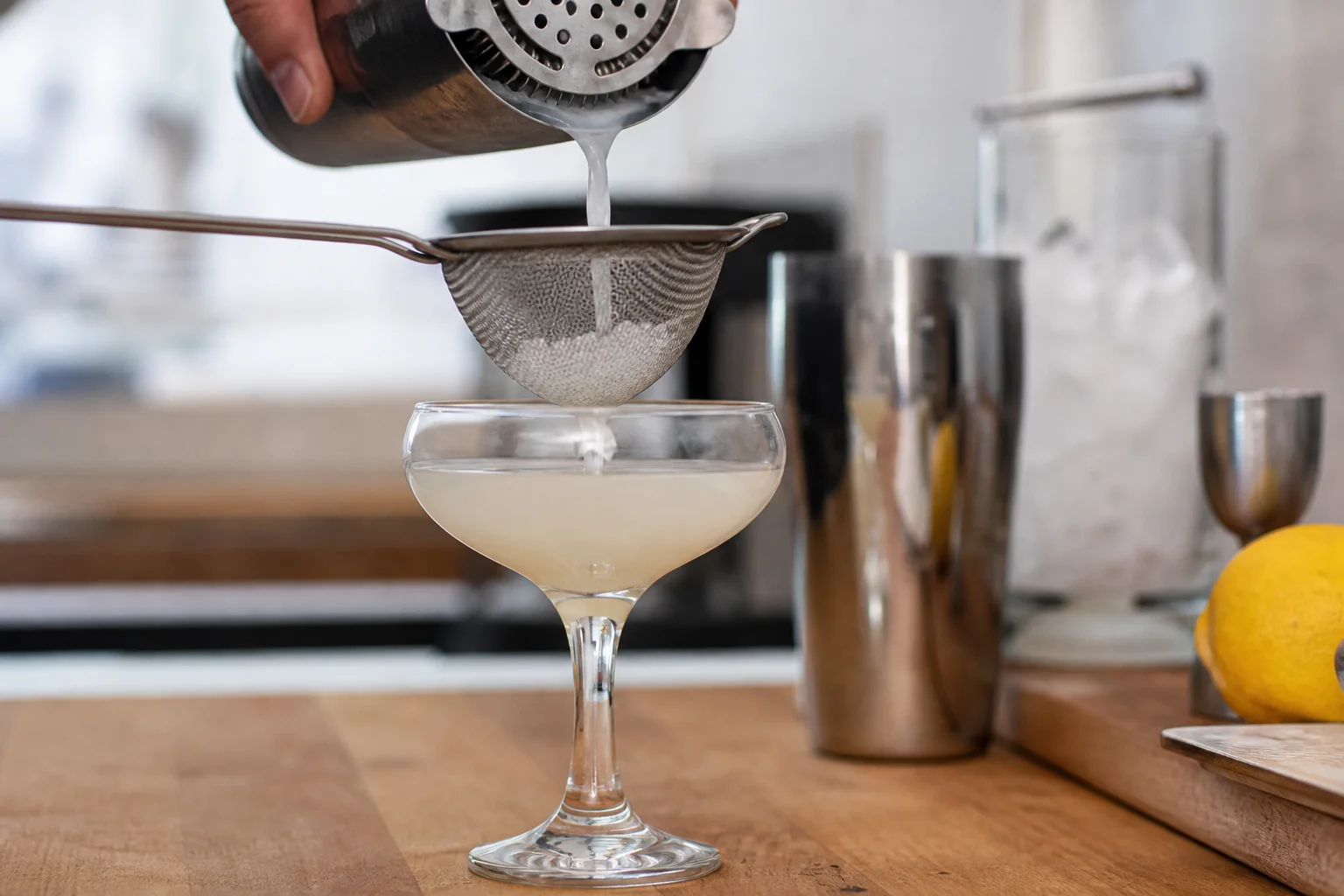
Double-straining a cocktail through fine mesh into a coupe
Learn library

Technique

Fine Strain

Pour through a regular strainer and a fine mesh strainer to catch ice chips and pulp.

The big idea

Fine-straining is a second sieve — Hawthorne plus mesh — so drinks served up stay smooth instead of carrying ice chips and pulp.

5 things to remember
  1. Use it for drinks served without ice in the glass (up).

  2. Hawthorne (or julep) catches the big pieces; fine mesh catches the rest.

  3. Hold both strainers still and pour in one motion — jiggling sprays and aerates.

  4. Rocks drinks usually skip the mesh; a few chips in a packed glass don’t matter.

  5. A dirty mesh from last week’s pineapple will flavor this Daiquiri. Rinse it.

When to fine-strain

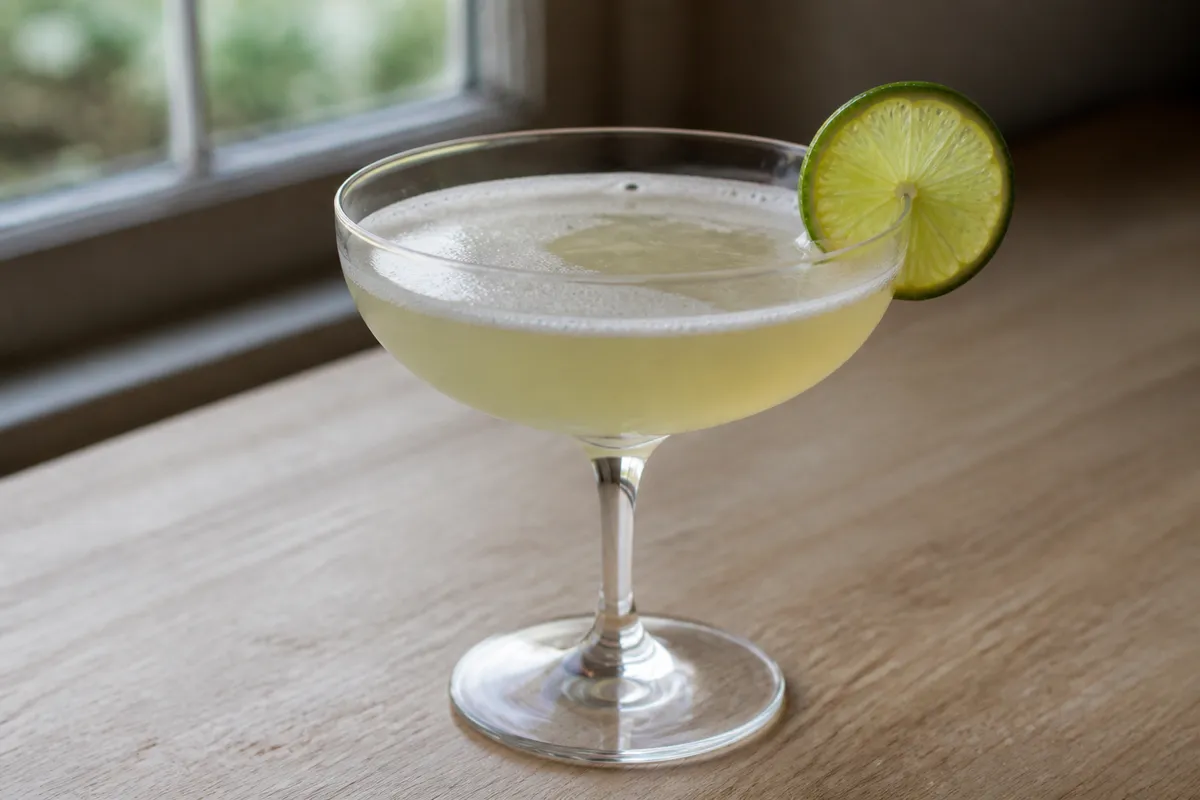
Fine-strain when the drink is served up — Daiquiris, Aviations, Last Words, egg sours in coupes. You’re protecting texture in a glass with nowhere for shards to hide.

Drinks on a full rock or in a highball rarely need it. The ice in the glass is the texture.
Two strainers, one smooth pour

Two strainers, one smooth pour
  1. Hawthorne over tin

    Hold the coil side against the shaker or mixing glass.

  2. Fine mesh under

    Nest a tea strainer over the serving glass.

  3. Catch chips & pulp

    Pour slowly — the mesh catches ice chips and citrus pulp.

Seat a Hawthorne strainer on the tin. Hold a fine mesh strainer over the glass. Pour through both in one steady stream.

If the mesh clogs with pulp or egg, tap it once and keep pouring — don’t scrape the solids through.

Common mistakes

  • Skipping the mesh on an up drink leaves grit.
  • Pouring from too high aerates a stirred Martini you just worked to keep dense.
  • A wet, soapy mesh is a flavoring agent you didn’t ask for.