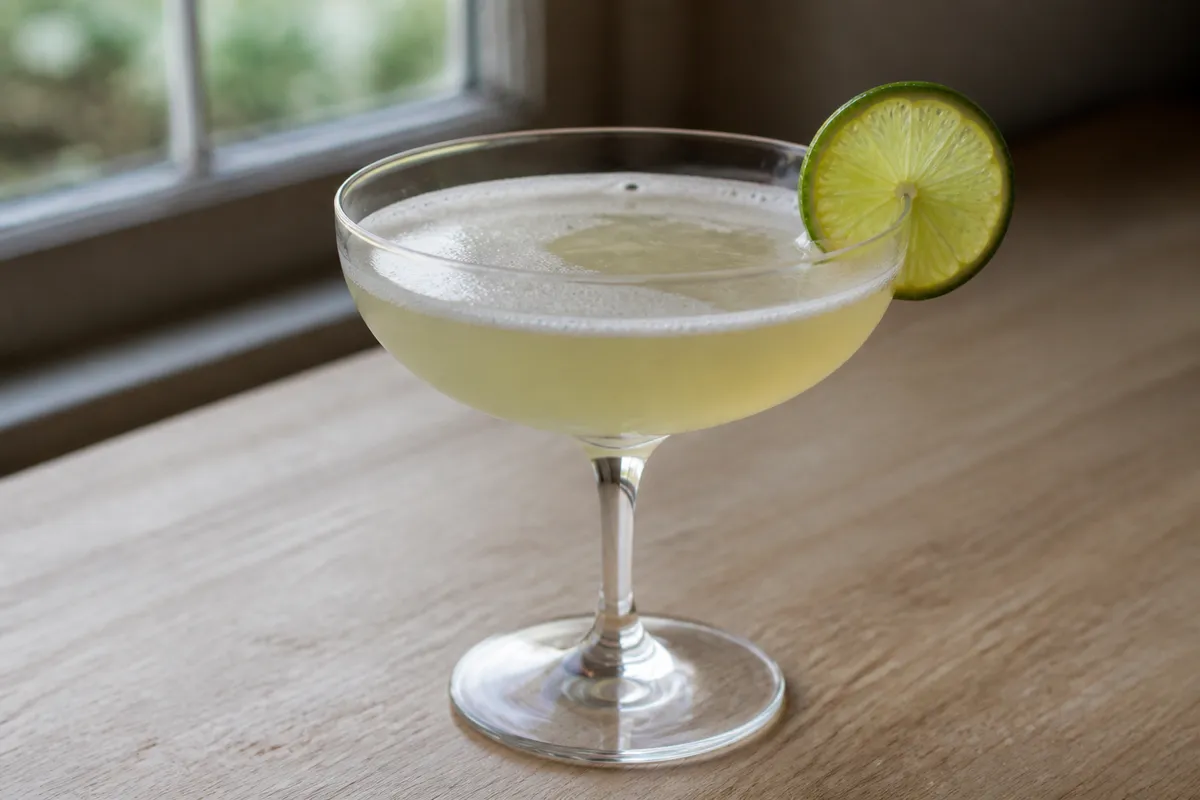
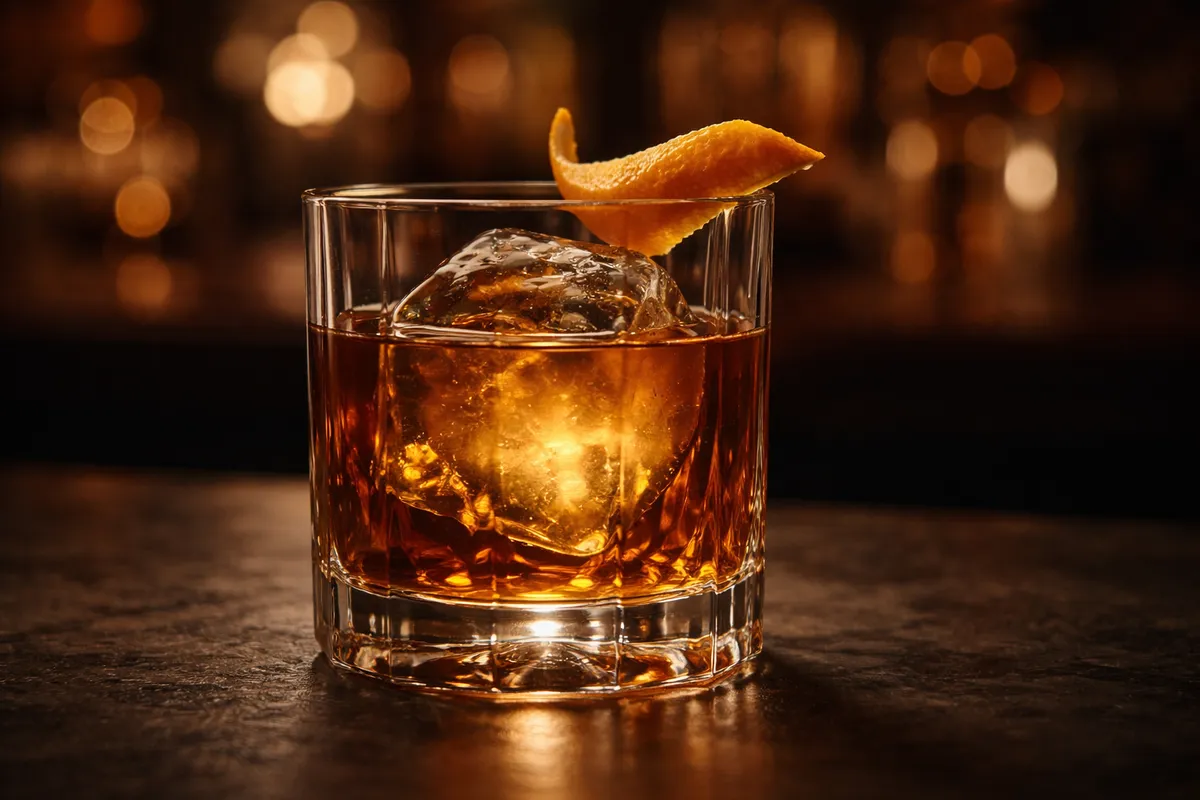
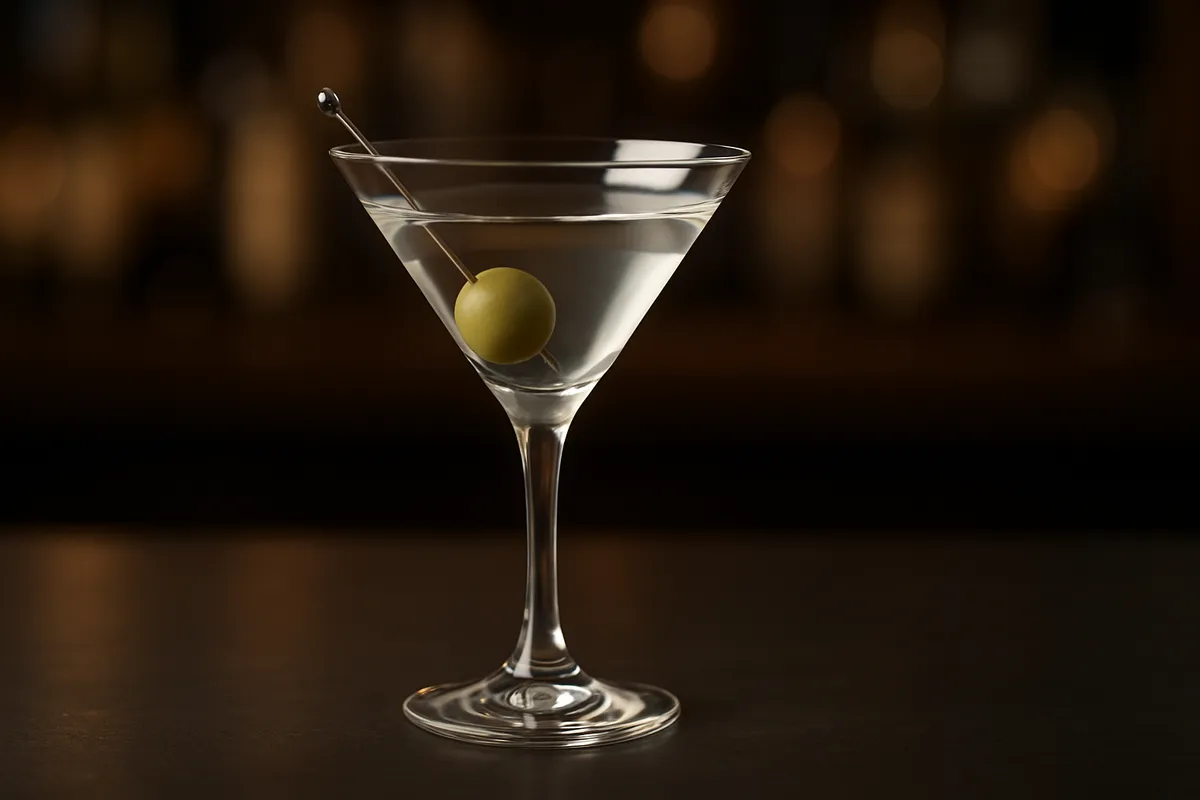
Coupe / Nick & Nora: shaken or stirred drinks served without ice. Chill hard. Nick & Noras are smaller and easier to fill without spilling; oversized Martini bowls warm faster in the hand.
Rocks: spirit-forward drinks on ice. Match the cube to the glass so melt is slow — one large rock beats a pile of wet freezer cubes.
Highball / Collins: long drinks. You need height for packed ice plus soda or tonic. A short rocks glass forces you to under-ice or over-dilute.
Tip
Chill is part of the pour
A room-temp coupe can raise a carefully shaken Daiquiri several degrees on contact — you taste “soft” and blame the recipe. Freezer glassware (clean, no freezer-onion smell) or an ice-water rinse dumped before straining fixes it.
Stems keep hand heat off drinks served up. Rocks glasses accept hand warmth because ice is still managing temperature. Choose on purpose.
Tip
Service habits that change the sip
Order of operations: cold glass → strain or build → garnish last. Garnish first collapses foam and wilts mint while you fumble the pour.
Wipe rims. Express peels over the drink, not onto the cutting board. Serve promptly — drinks are not table décor. Detergent film and wet towels leave perfume that screams louder than vermouth.
04
Common mistakes
Martini in a warm glass → chill the coupe (freezer or ice rinse, then dump).
Room-temp bowls undo the stir.
Highball with three cubes → pack the glass so soda stays cold and dilution stays controlled.
Giant garnish in a Nick & Nora → scale to the bowl, or the first sip is a face full of mint.
Dishwasher-perfume glass → re-rinse with hot water and air-dry; smell the empty glass before you trust it with gin.
Tip
Capacity is a recipe constraint
A 5–6 oz Nick & Nora wants a tighter pour than a 9 oz coupe. If you routinely overfill and spill, you are not “generous” — you are fighting the glass. Scale the recipe or change the bowl.
Rocks glasses that barely fit a large cube force tiny ice and fast melt. Buy glassware that matches the ice you actually use.
In the glass
Practice these
Read the drill, then make the drink once focusing on that cue — repetition beats another paragraph.