What is Gin?
A juniper-led botanical spirit redistilled from a neutral base; the default for the martini, the gin sour family, and equal-parts drinks such as the Negroni.
The basics
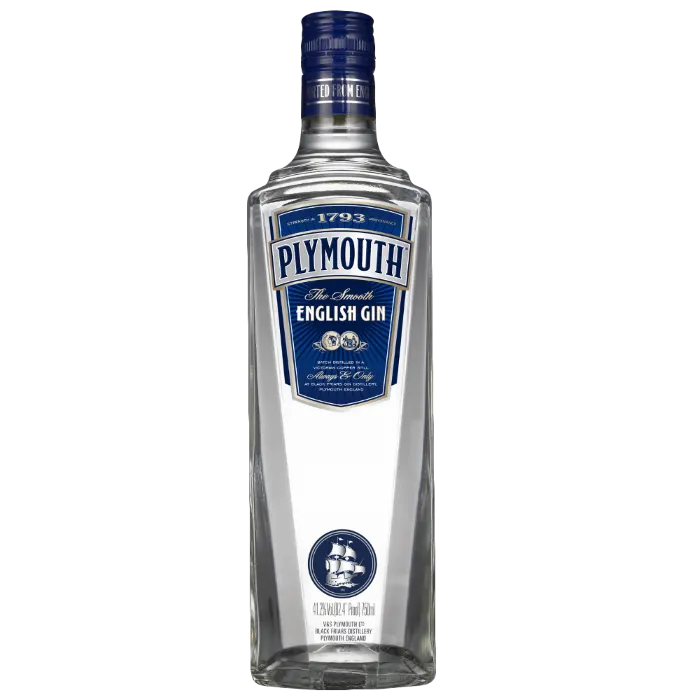
Gin is a distilled spirit whose character comes from botanicals, of which juniper must be perceptible. In the European Union it is a juniper-flavoured spirit drink at a minimum of 37.5% ABV; United States bottlings are typically 40% or higher. Most cocktail gin begins as a high-proof neutral spirit that is redistilled — or sometimes macerated — with juniper and other botanicals. London dry gin may not be flavored after distillation. The mash matters less to the mixed drink than the botanical bill and whether the spirit is dry, lightly sweetened (Old Tom), or malt-based (genever).
In the glass gin is a flavored base, not a blank one. Its botanicals stand up to dry vermouth in the martini, to tonic in a highball, to citrus in the sour and Collins families, and to Campari and Chartreuse in equal-parts stirred drinks. When a recipe specifies only “gin,” London dry is the historical and practical default.
How it tastes
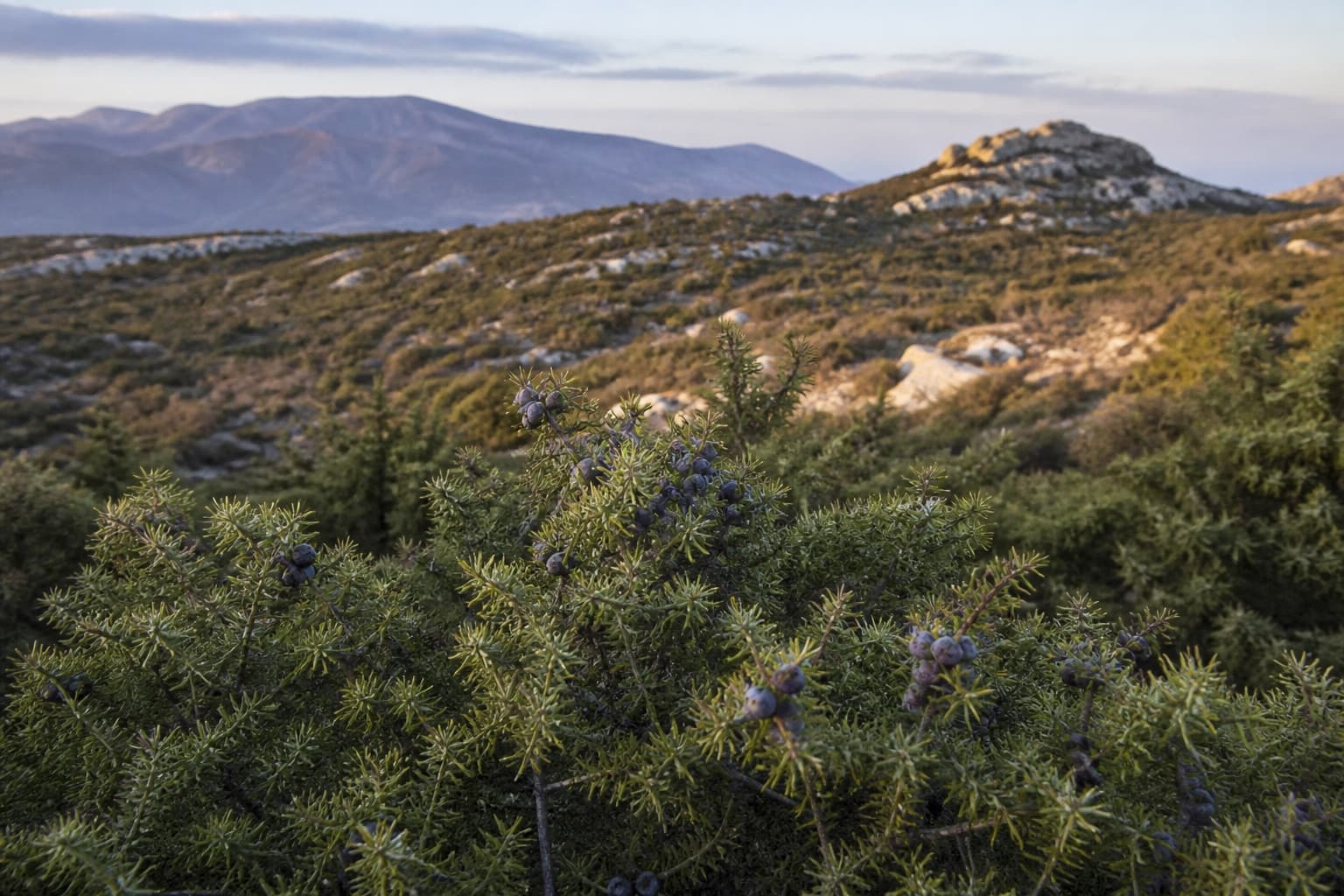
Juniper (pine, resin) is required; coriander seed, citrus peel, angelica, and orris are common supporting botanicals. London dry is relatively dry, crisp, and pine-forward. Contemporary gins may emphasize floral, cucumber, or citrus notes and recede beside Campari. Genever carries malt-wine weight that London dry does not.
Where it comes from
Genever, a malt-wine spirit flavored with juniper, developed in the Netherlands by the 16th–17th centuries and traveled to England, where cheaper grain spirit and, later, continuous column distillation produced a drier, cleaner style. London dry gin became the 19th-century export standard: unsweetened, botanically assertive, and suited to gin palaces and the emerging mixed-drink repertoire.
Victorian and Edwardian bars used that gin in sours, the Collins (a sour lengthened with soda), and the martini, which settled in the late 19th century as gin and dry vermouth. The Negroni (Florence, around 1919–20) and the Last Word (Detroit Athletic Club, about 1916) are 20th-century templates that still depend on gin’s botanicals rather than on a neutral spirit.
How to use it
Treat London dry as the mixing default in martinis, gin sours, Collins and gin-and-tonic highballs, and equal-parts drinks with vermouth, Campari, or Chartreuse. Navy-strength gin (typically around 57% ABV) is useful in stirred drinks that can absorb the extra ethanol; it can unbalance a delicate sour. Contemporary floral gins suit highballs and citrus-forward drinks but often disappear beside Campari. Genever or Old Tom will sweeten and weight a recipe written for London dry — closer to a Martinez than to a dry martini. Gin is shelf-stable; citrus botanicals fade only slowly over years.
Note
Before the mid-20th century a martini implied gin and dry vermouth. The vodka martini is a later substitution; recipes that do not specify a base still assume gin.
What pairs with it
Cocktails with Gin
A few of the 67 MixWise recipes that call for it.
Gin
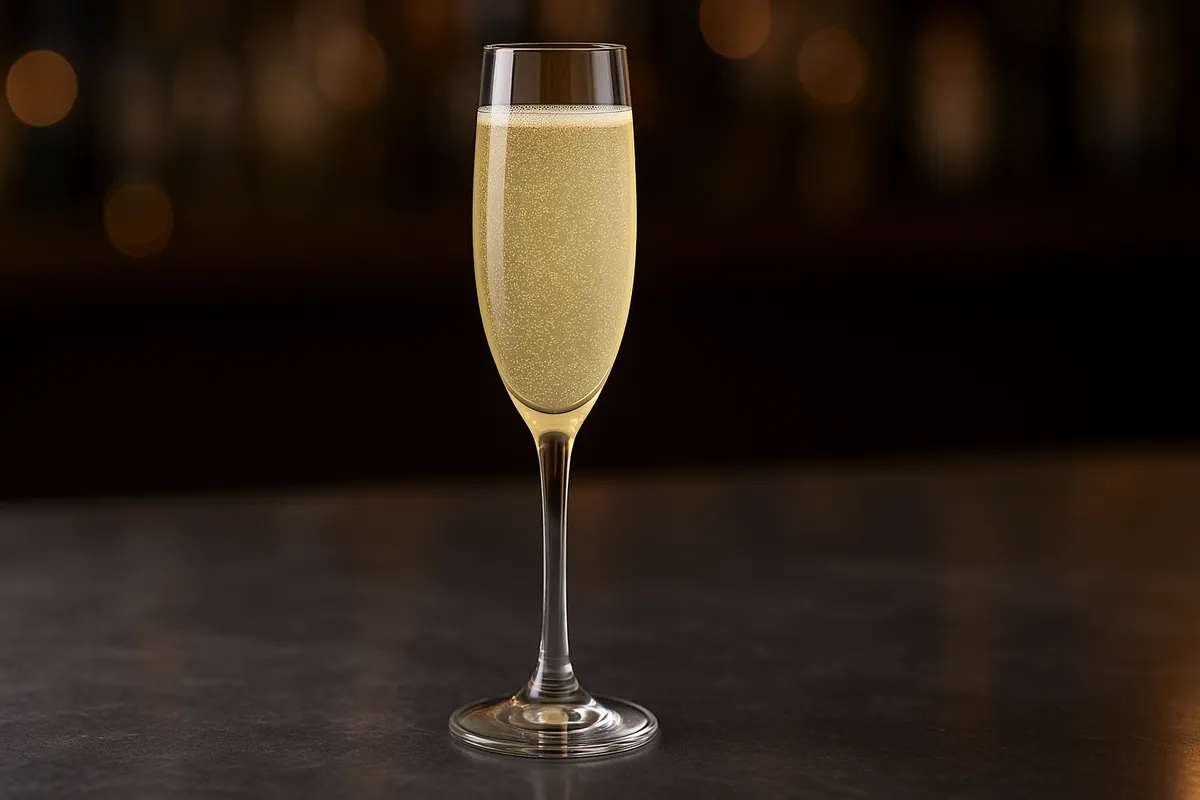
French 75
A razor sharp gin and Champagne sparkler with citrus lift.

Gin
Gin and Tonic
A snappy, effervescent mix of gin and quinine-laced tonic that turns bitterness into refreshment.
Gin
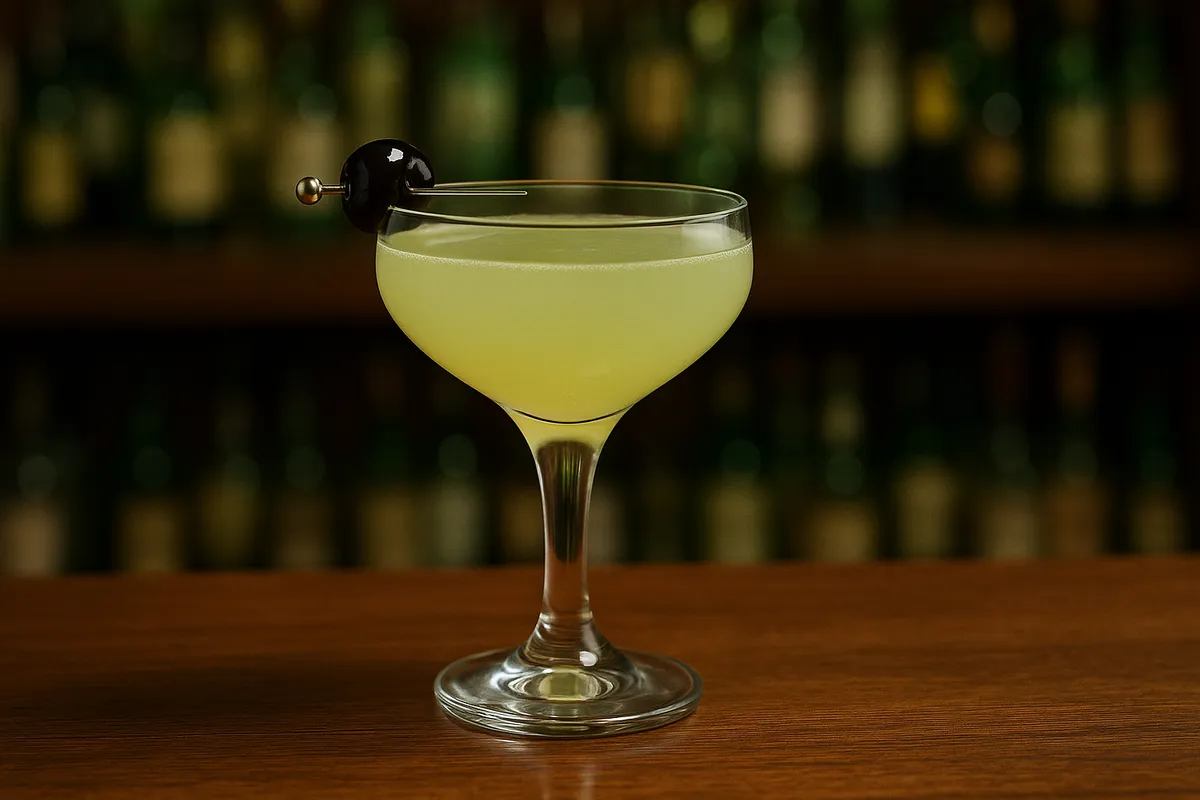
Last Word
A sharp, herbal equal‚Äëparts cocktail balancing gin, Chartreuse, maraschino, and lime.
Gin
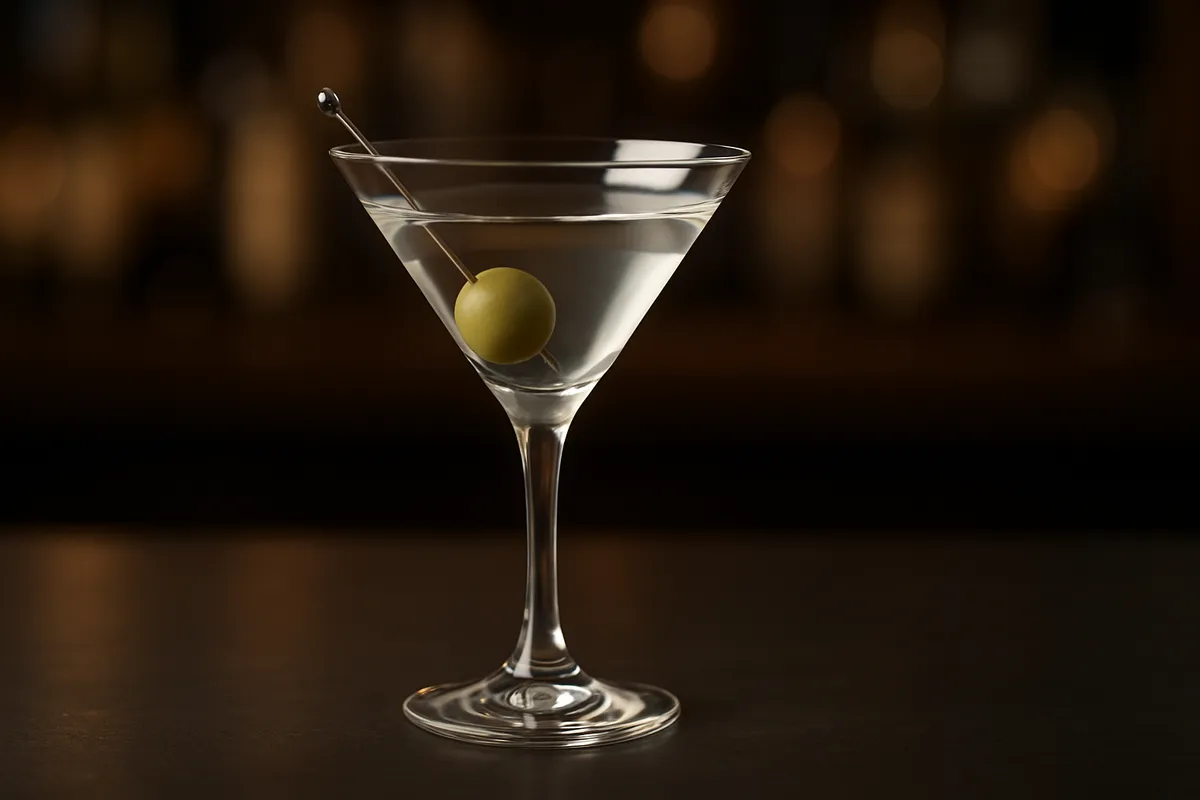
Martini
A dry, spirit-forward mix of gin and dry vermouth stirred cold and served with olive or lemon twist.
Gin
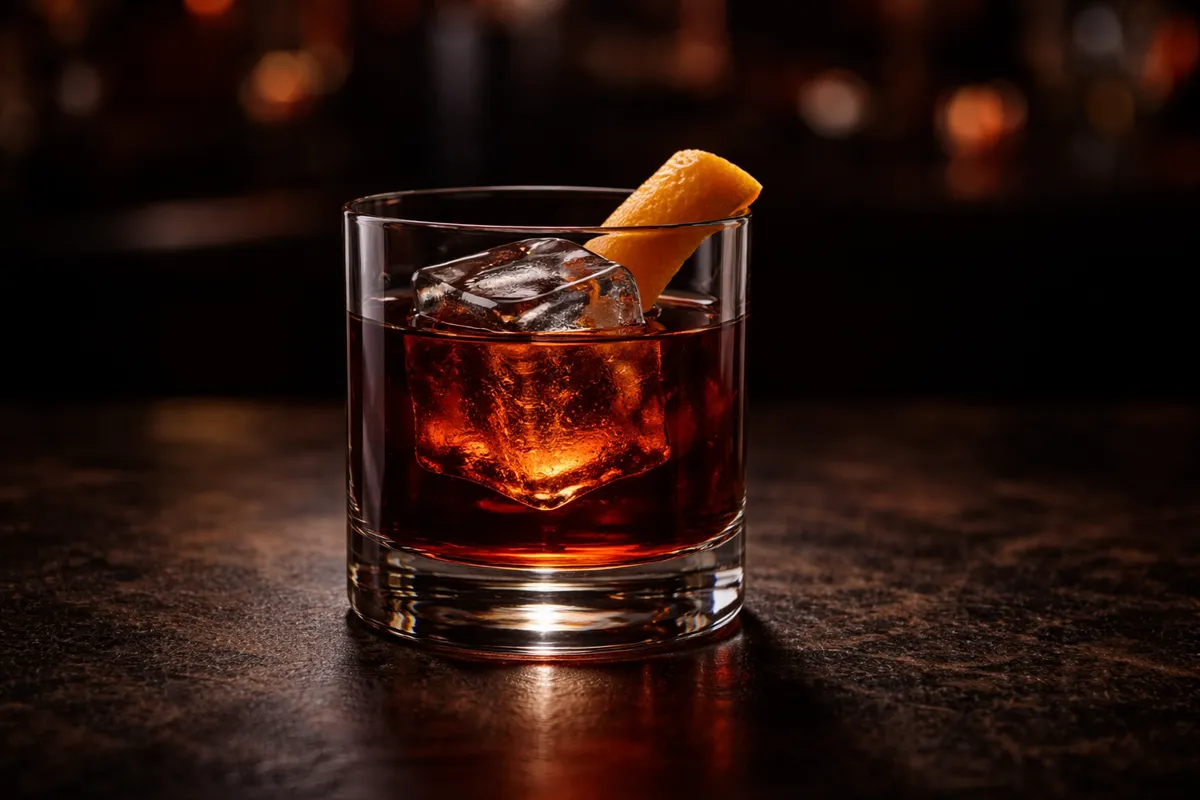
Negroni
A bold Italian aperitivo of gin, Campari, and sweet vermouth served over ice with an orange peel.
Wine
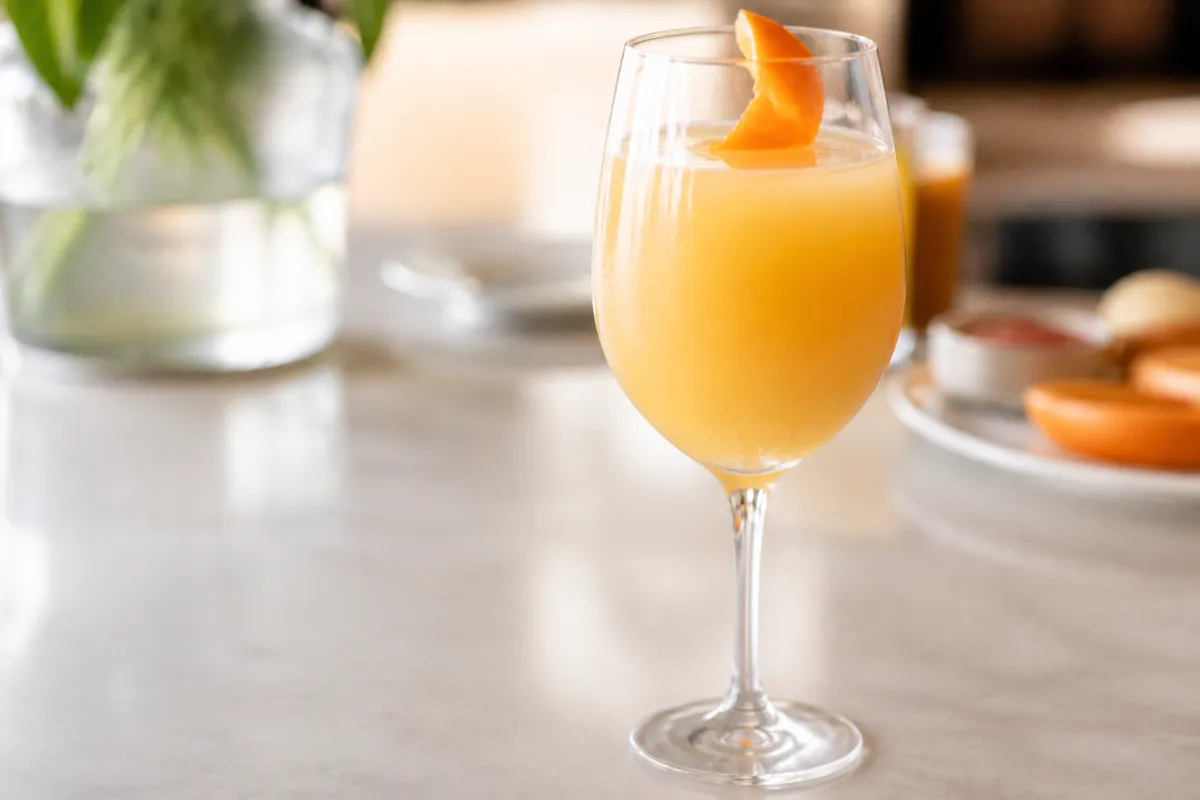
Agua De Valencia
A Spanish brunch punch of orange juice, cava, gin, and vodka.