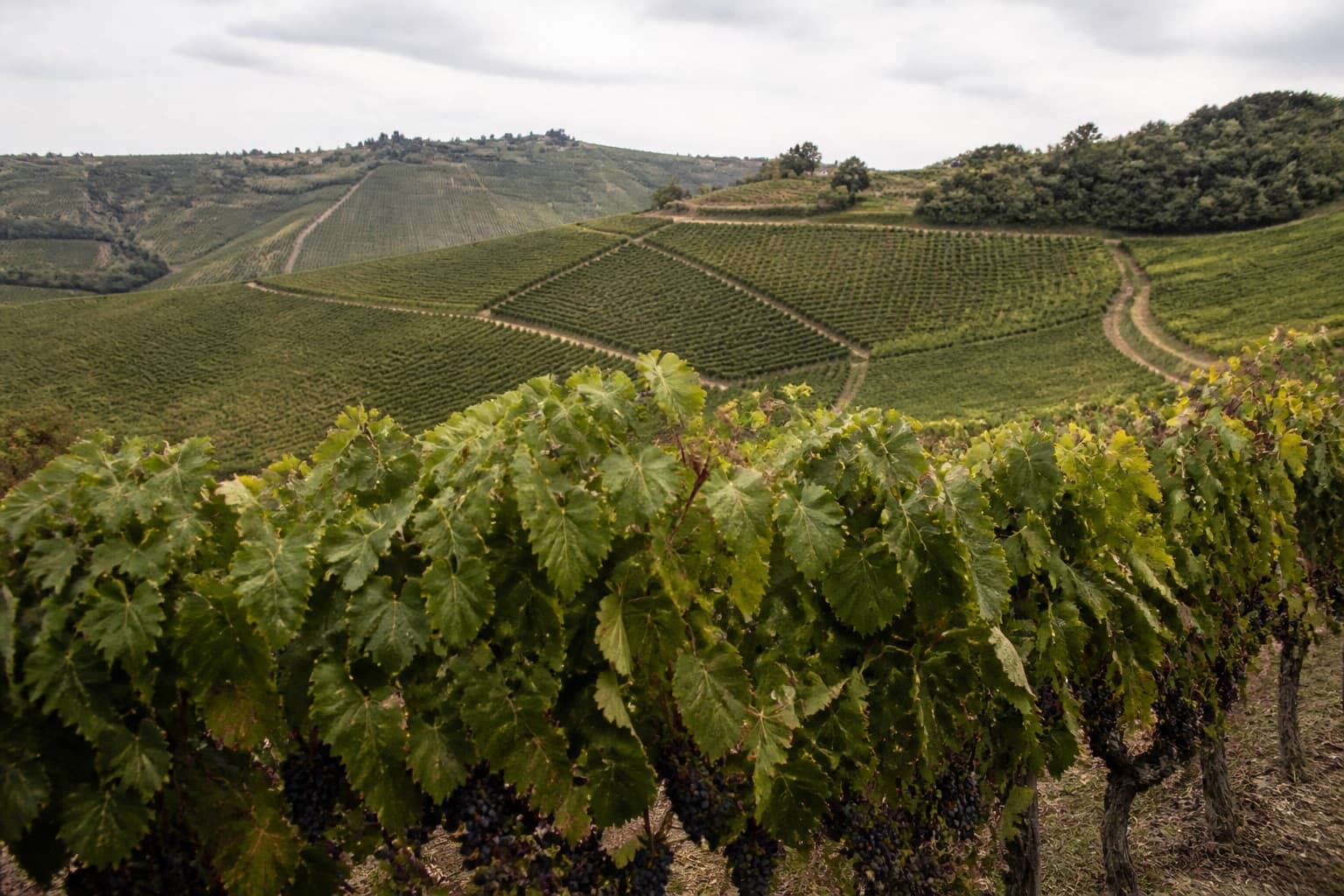
What is Vermouth?
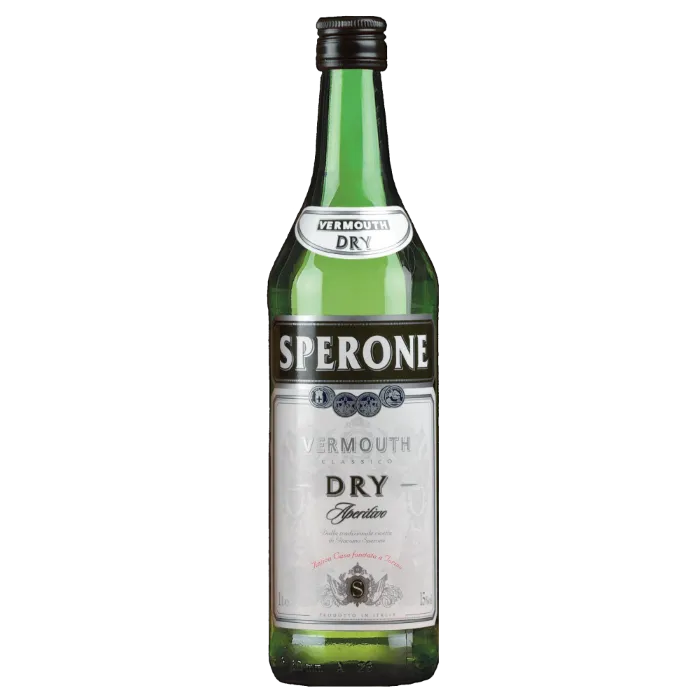
Fortified, aromatized wine. Rosso (sweet) for Negronis and Manhattans; dry for martinis. The two styles are not interchangeable.
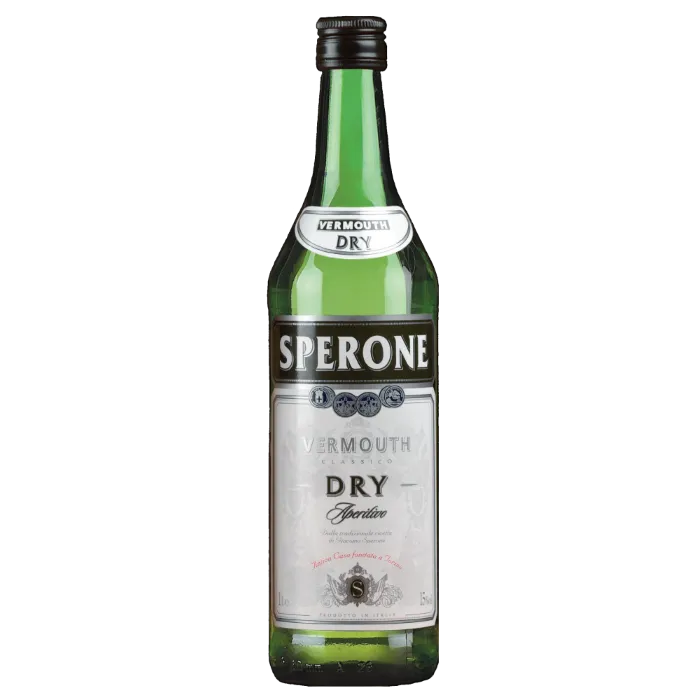
The basics
Vermouth is wine fortified with spirit and aromatized with botanicals, historically including wormwood (Wermut in German, the likely source of the name). Sugar level, color, and botanical recipe define the two cocktail-relevant families: Italian rosso (sweet, typically red or amber) and French-style dry (pale, lightly sweetened). ABV is usually 15–18%.
If a recipe says only vermouth, stirred whiskey drinks almost always want sweet; martinis want dry. Perfect variants split the vermouth between the two.
How it tastes
Herbal, winey, and bittersweet in both styles, but residual sugar, color, and botanical balance differ enough that substituting dry for rosso in a Negroni, or rosso for dry in a 50/50 martini, produces a different drink — sometimes deliberately (a Perfect Manhattan uses both), more often by accident.
Where it comes from
Commercial vermouth is an 18th- and 19th-century European product: Turin for the sweet red style, Chambéry and the south of France for dry. American cocktail books of the late 19th century absorbed both as architectural ingredients rather than as aperitifs to be sipped alone.
That is still their role. Vermouth is not a garnish and not a liqueur; it is the wine in the drink, and it behaves like wine once the bottle is open.
How to use it
Keep both styles if you make Negronis and martinis. Buy 375 ml bottles, refrigerate after opening, and date the bottle. Use sweet vermouth in Manhattans, Negronis, and Americanos; dry vermouth in martinis and drier gin drinks.
A Perfect Manhattan or Perfect Martini is the place to combine them on purpose.
What pairs with it
Cocktails with Vermouth
A few of the 57 MixWise recipes that call for it.
Whiskey
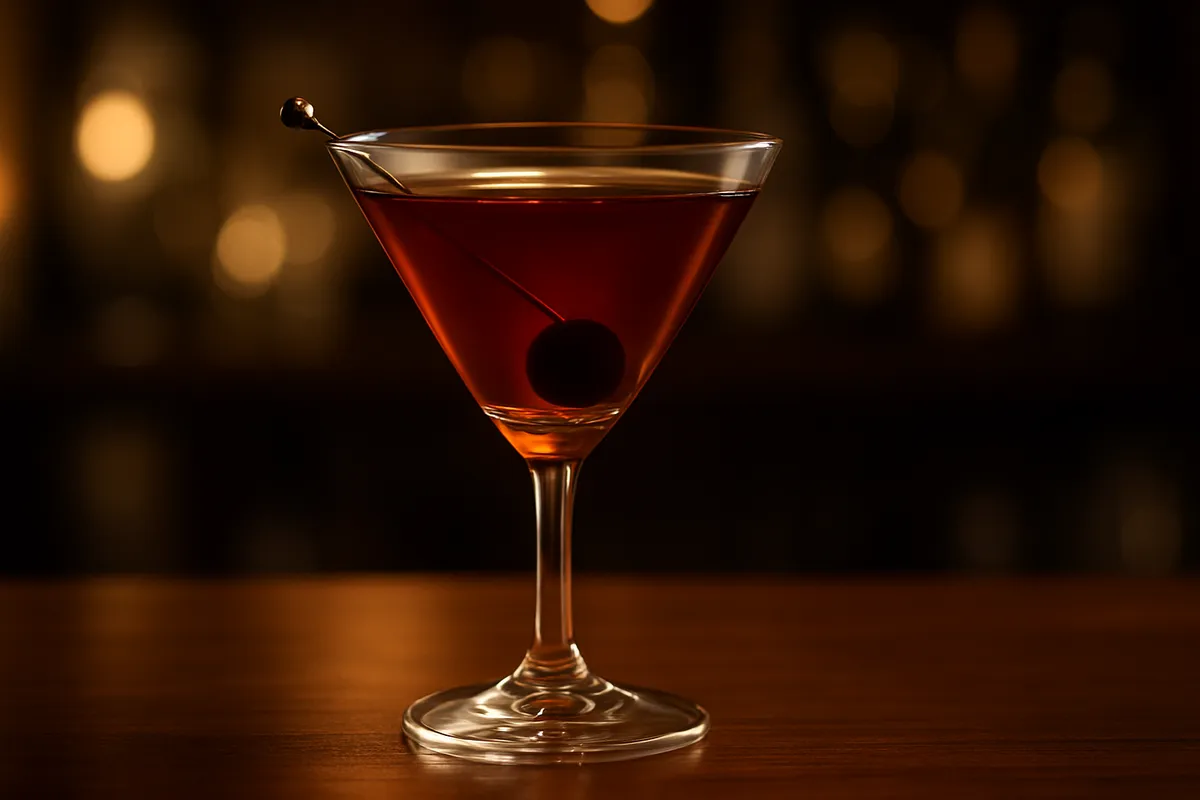
Manhattan
A spirit-forward classic of rye or bourbon, sweet vermouth, and bitters served up with a cherry.
Gin
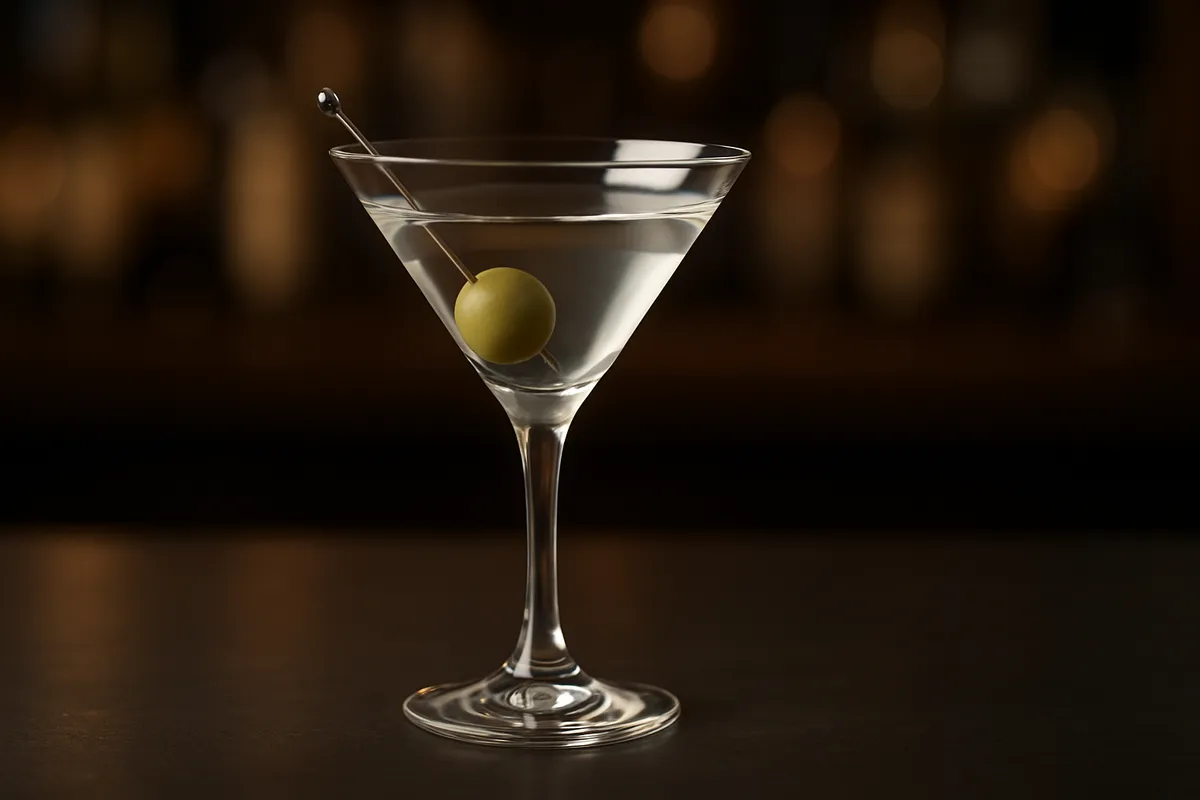
Martini
A dry, spirit-forward mix of gin and dry vermouth stirred cold and served with olive or lemon twist.
Gin
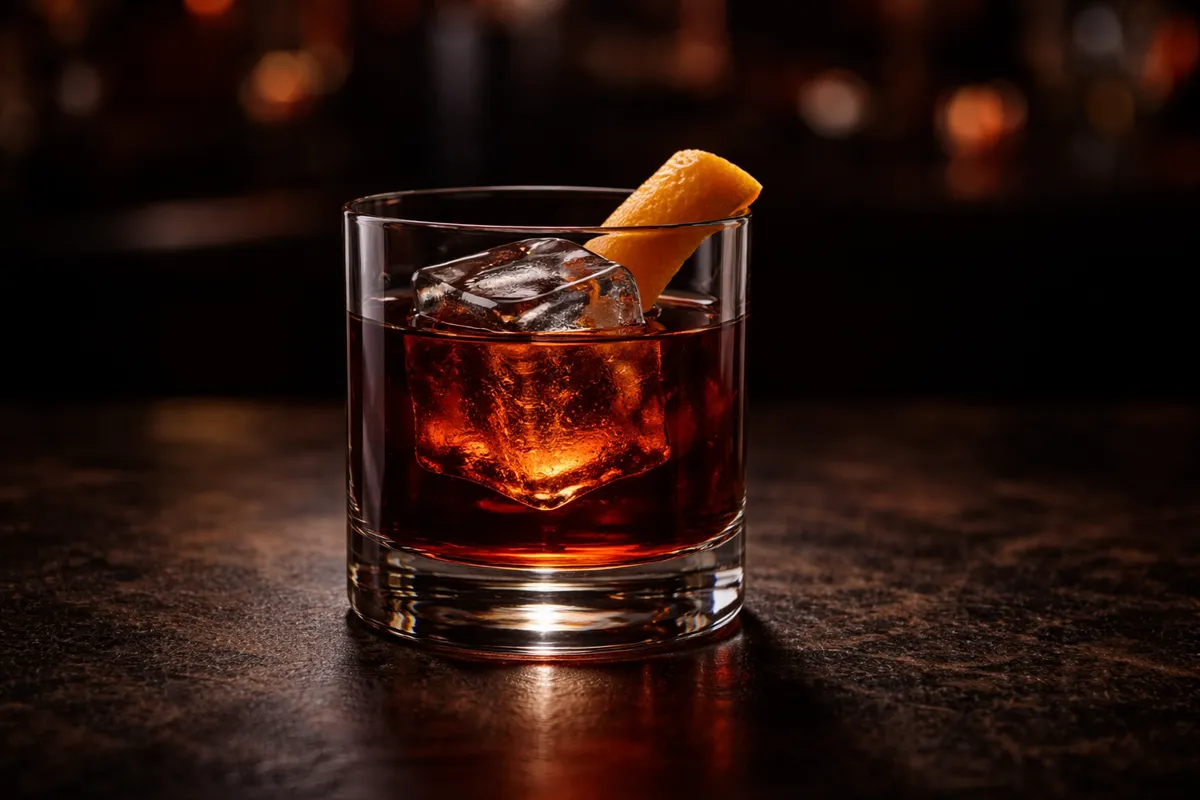
Negroni
A bold Italian aperitivo of gin, Campari, and sweet vermouth served over ice with an orange peel.
Sherry
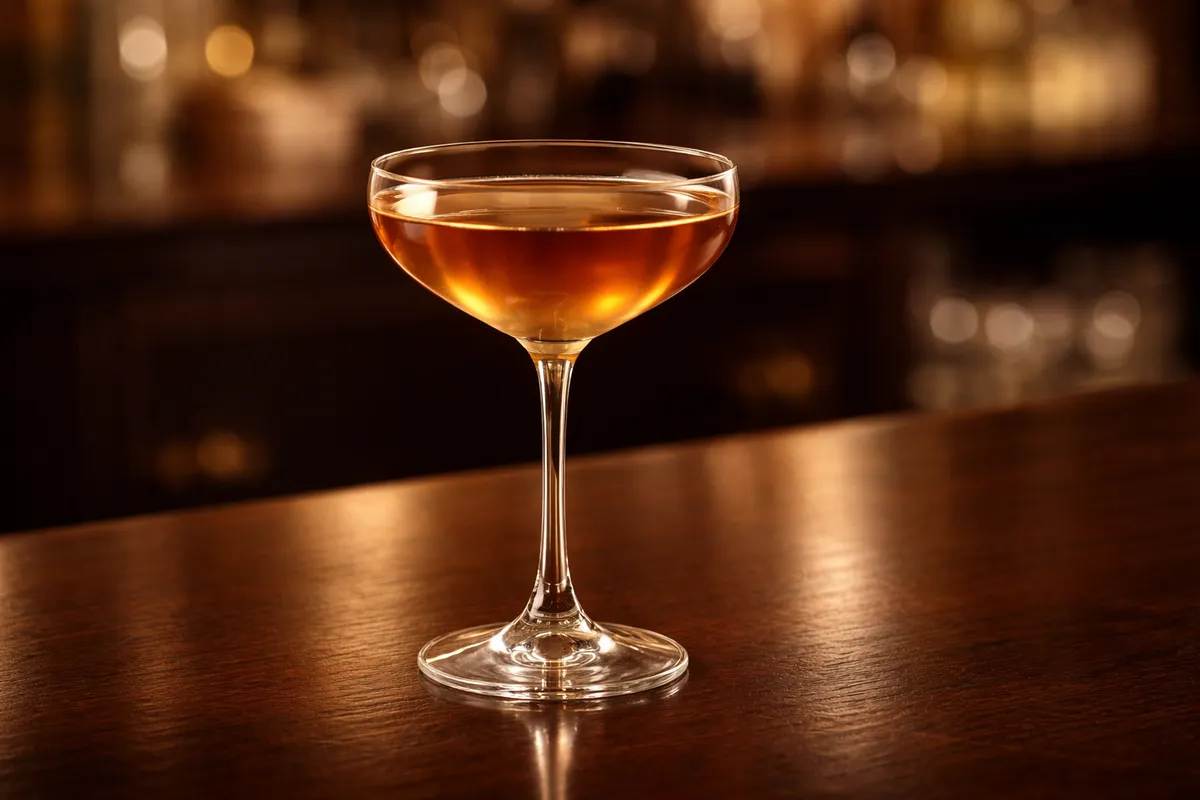
Adonis
A soft, nutty, low‚Äëproof mix of sherry and sweet vermouth with orange aromatics.
Aperitif
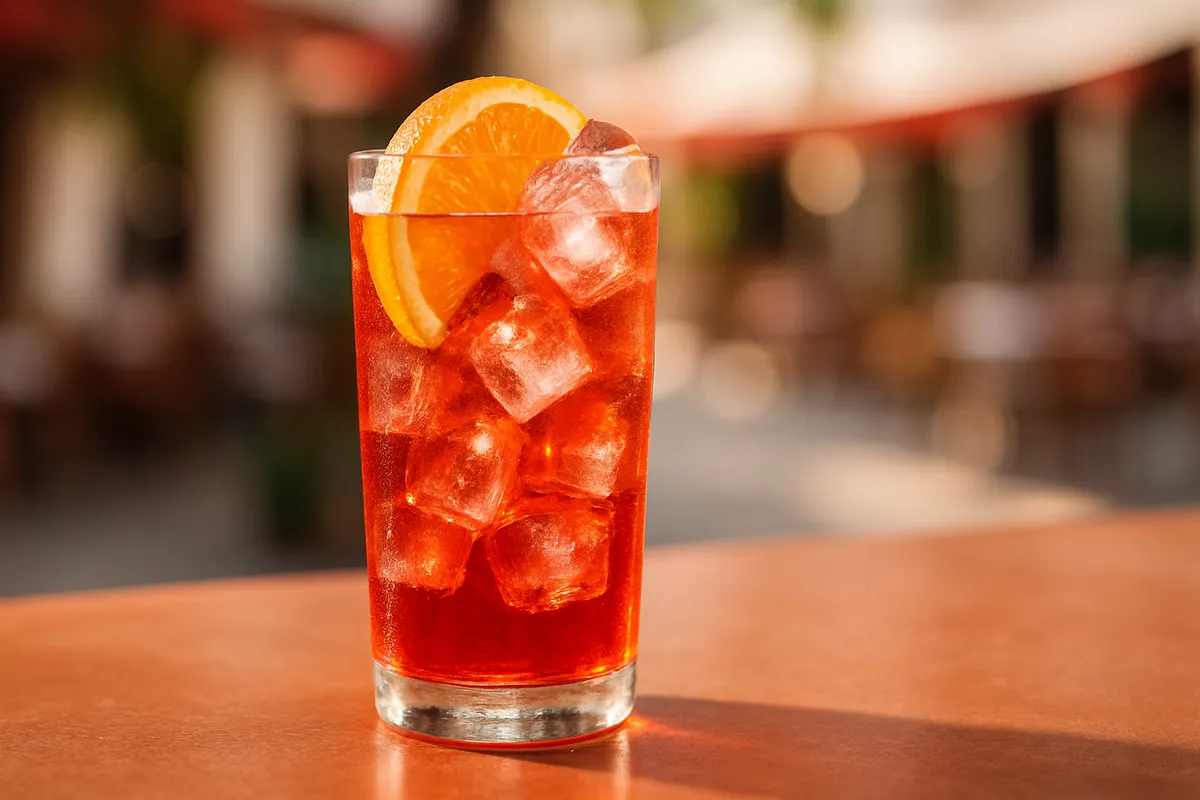
Americano
A classic Italian aperitivo of Campari, sweet vermouth, and soda water served over ice with citrus.
Sherry
Bamboo
A crisp low‑ABV sherry–vermouth aperitif with a dry, nutty finish.