What is Rum?
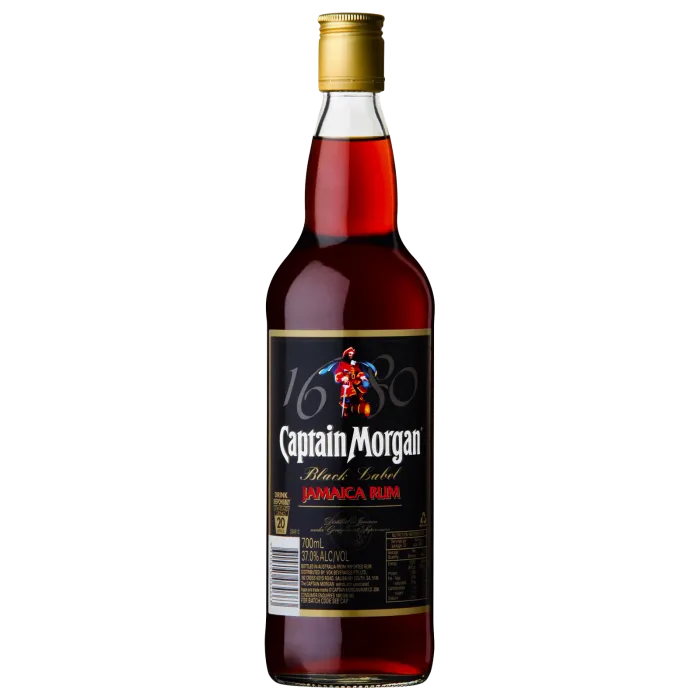
Spirit distilled from sugarcane — molasses or fresh juice — ranging from light column-still mixing rum to heavy pot-still and agricole styles; white rum for Cuban sours, darker rum when molasses and oak are wanted.
The basics
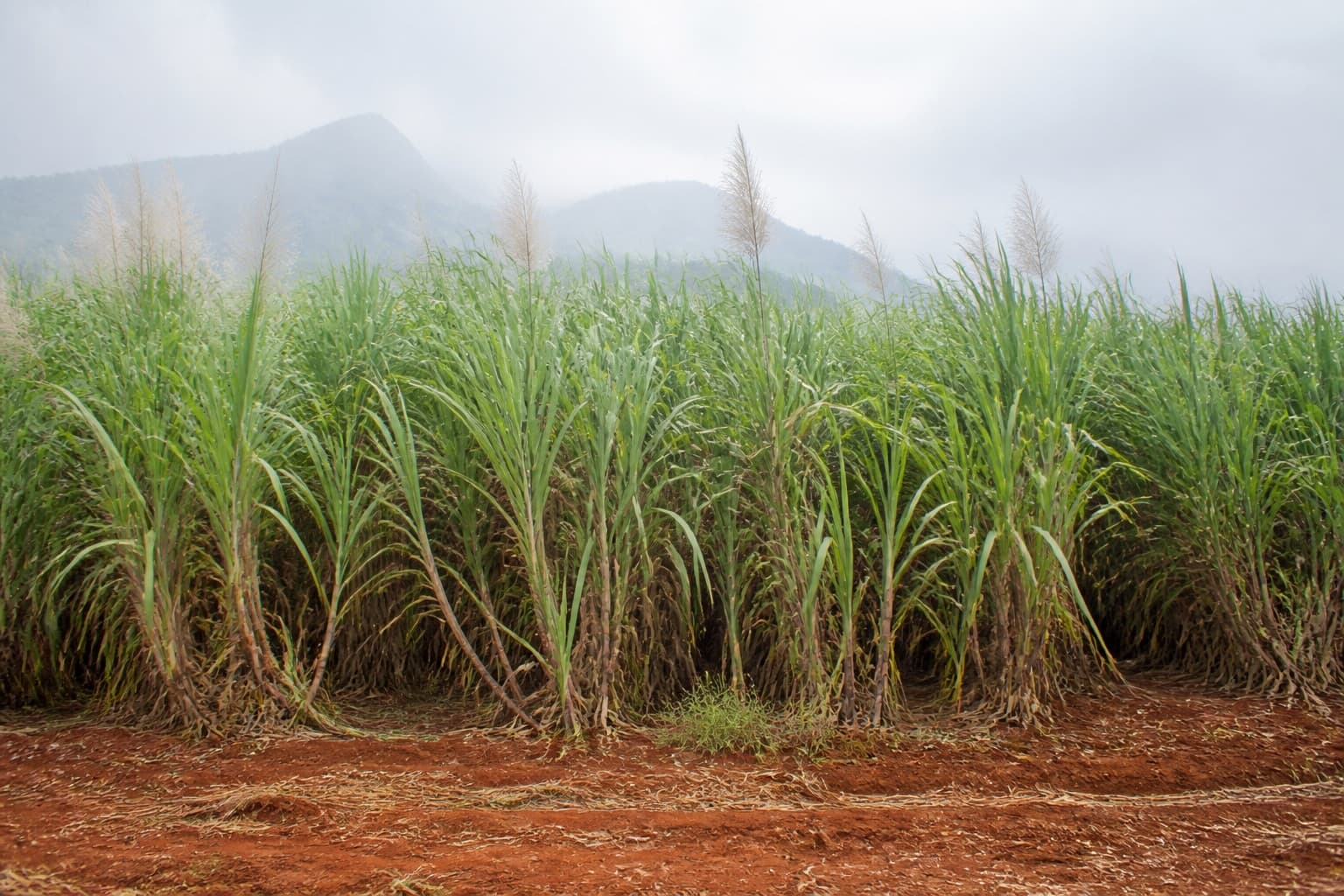
Rum is distilled from fermented sugarcane, either molasses (the majority of cocktail rum) or fresh cane juice (rhum agricole and related styles). Production spans column stills that yield a light, mixable spirit and pot stills that retain heavier congeners; many bottles are blends of both. Aging, caramel coloring, and dosage vary by tradition: Spanish-style (Cuba, Puerto Rico, Panama), English-style (Jamaica, Barbados, Guyana), and French agricole (Martinique AOC and others) are the useful map, not the words “white” and “dark” alone.
A bar that covers MixWise recipes typically needs a clean white rum for Daiquiris and Mojitos and an aged or darker molasses rum for drinks that want weight. Jamaican high-ester rum is a third, used as a portion of the base in tiki builds and in sours that should taste of tropical fermentation.
How it tastes
Light/white: cane, lime zest, grass, light floral notes. Aged Spanish-style: vanilla, oak, caramel. Jamaican pot still: high-ester funk — overripe banana, pineapple, olive, solvent. Martinique agricole (fresh cane juice): grassy, herbal, dry. These do not substitute one-for-one.
Where it comes from
Sugarcane distillation followed the colonial plantation economy across the Caribbean and Atlantic. The Daiquiri — rum, lime, and sugar, a sour — is associated with Cuba around the turn of the 20th century and was refined in Havana bars such as El Floridita. The Mojito is the same rum-lime-sugar idea with mint and soda, a highball with older Cuban roots.
Mid-century tiki (Donn Beach, Trader Vic) layered several rums in one glass to approximate complexity that a single light rum cannot provide. British navy punches had already used darker, heavier rums for body. Matching style to template matters more than the color word on the label.
How to use it
If the recipe says light, white, or silver, use a rum that still tastes of cane, not a vodka-like filter job. Dark, aged, or black usually means molasses and oak (or blackstrap); using that in a classic Daiquiri produces an aged rum sour, a legitimate variant but not the Cuban original. Jamaican funk in a Mojito will read as overripe fruit against mint. Spiced rum adds vanilla and sweet baking spice that a Daiquiri recipe does not account for. Rum is stable; very old sipping rums lose nuance in punch, not because the chemistry fails, but because oak and age are diluted.
Note
The Daiquiri in its classic form is a shaken sour — rum, lime, and sugar — not a frozen blender drink. The blender version is a later service style of the same template.
What pairs with it
Cocktails with Rum
A few of the 75 MixWise recipes that call for it.
Rum
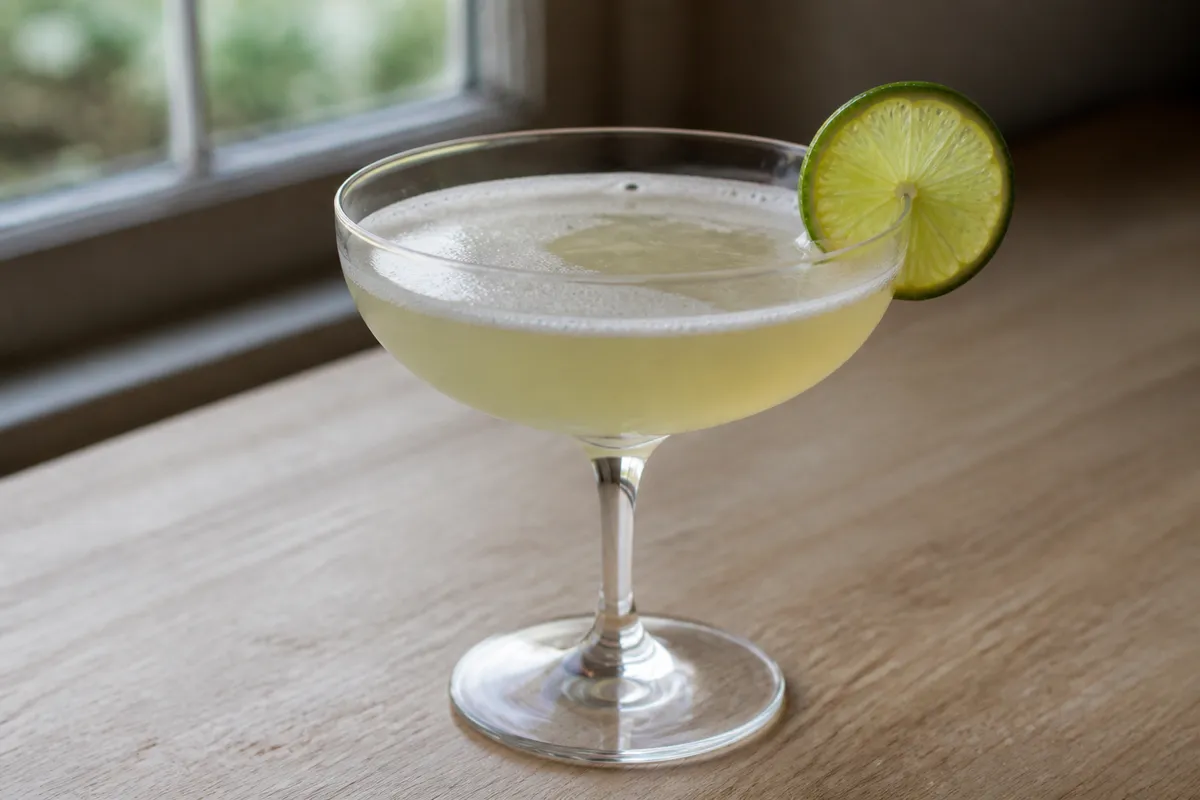
Daiquiri
A crisp Cuban rum sour of white rum, fresh lime juice, and sugar served up in a chilled coupe.
Rum
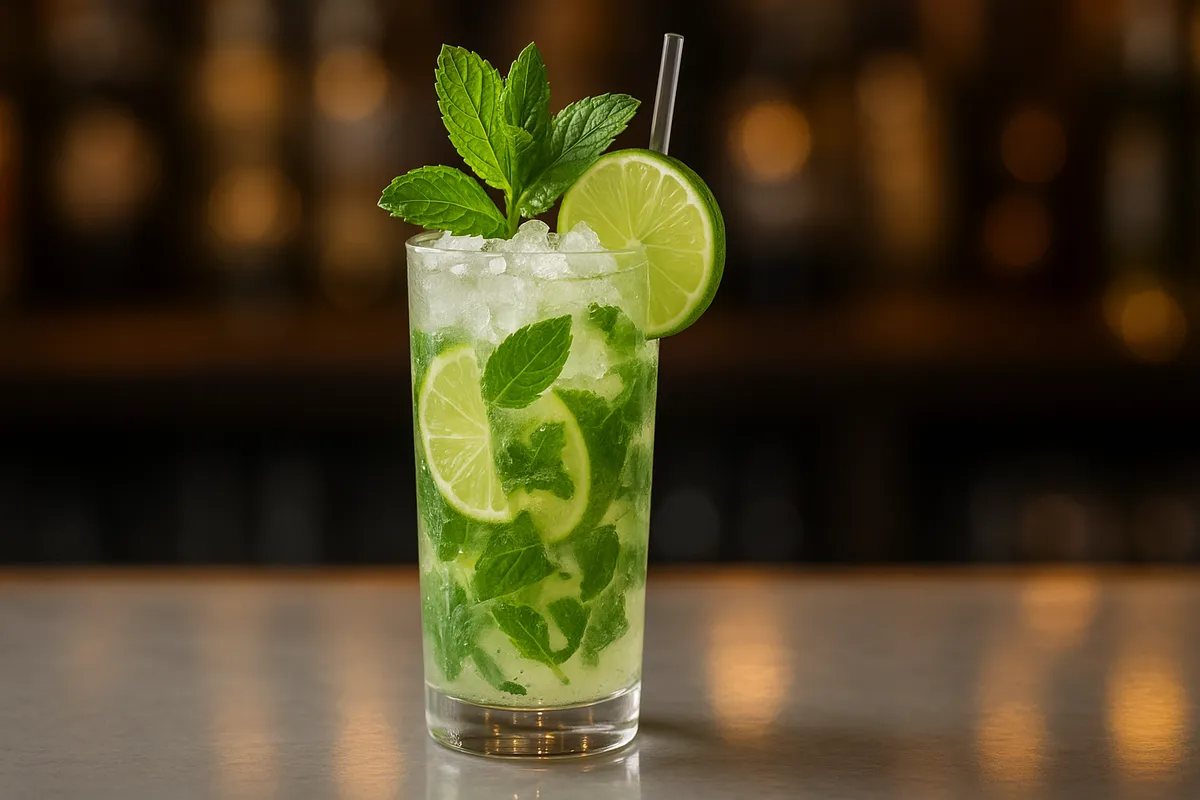
Mojito
A tall, cooling Cuban rum highball that layers mint, lime, and gentle sweetness over sparkling mineral bite.
Rum
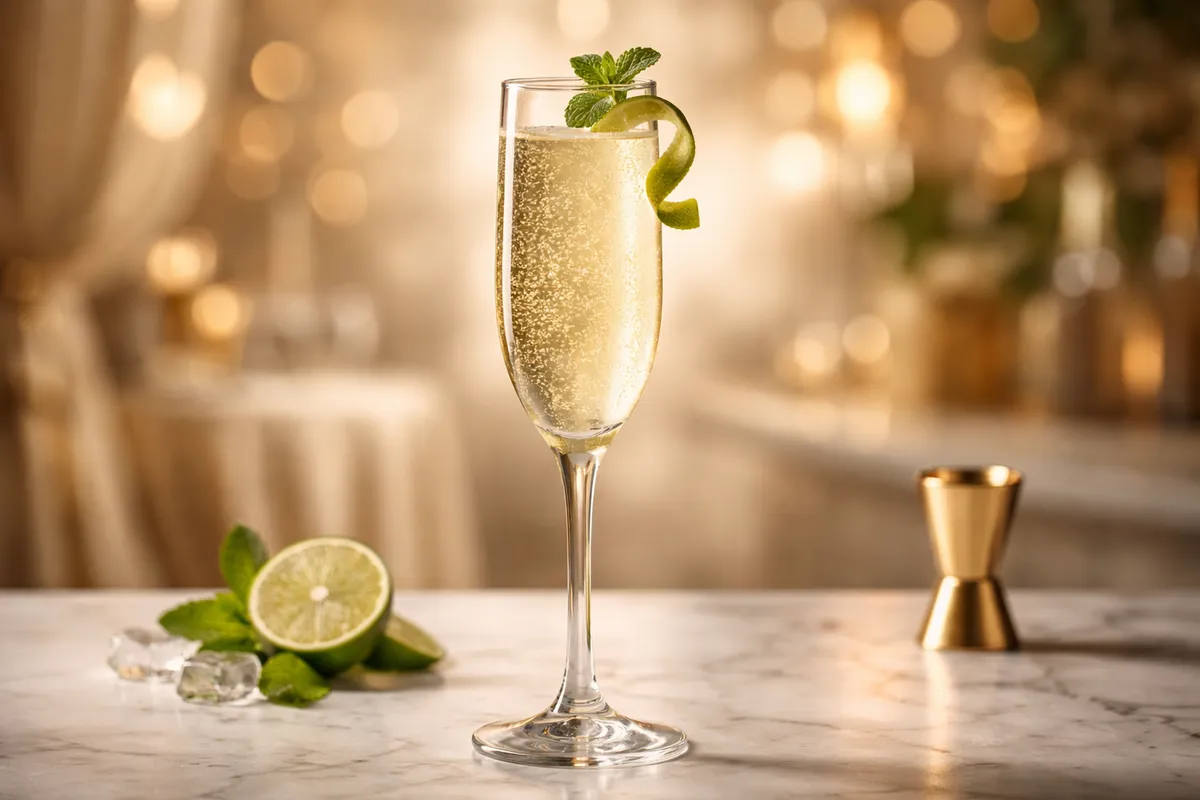
Air Mail
A golden, honeyed rum sour lengthened with Champagne.
Rum
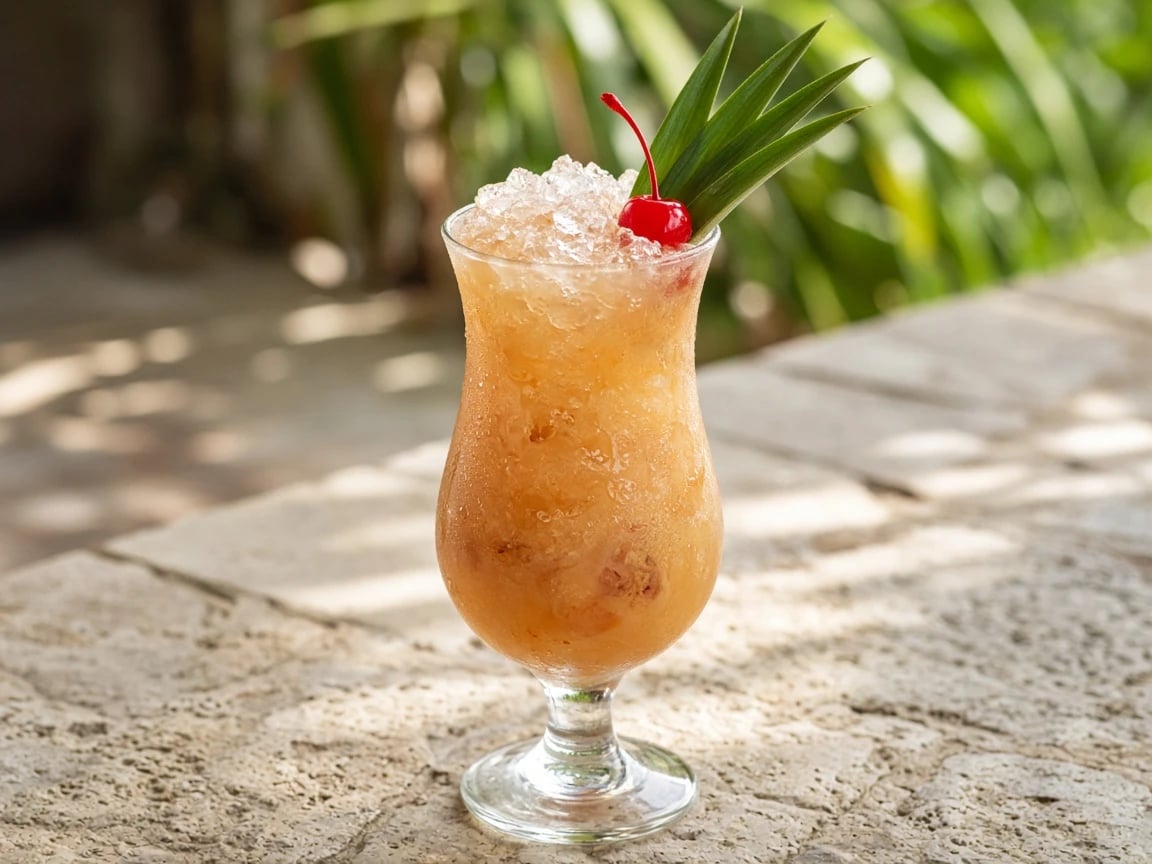
Bahama Mama
A sweet tropical rum cocktail with coconut, pineapple, and citrus.
Rum
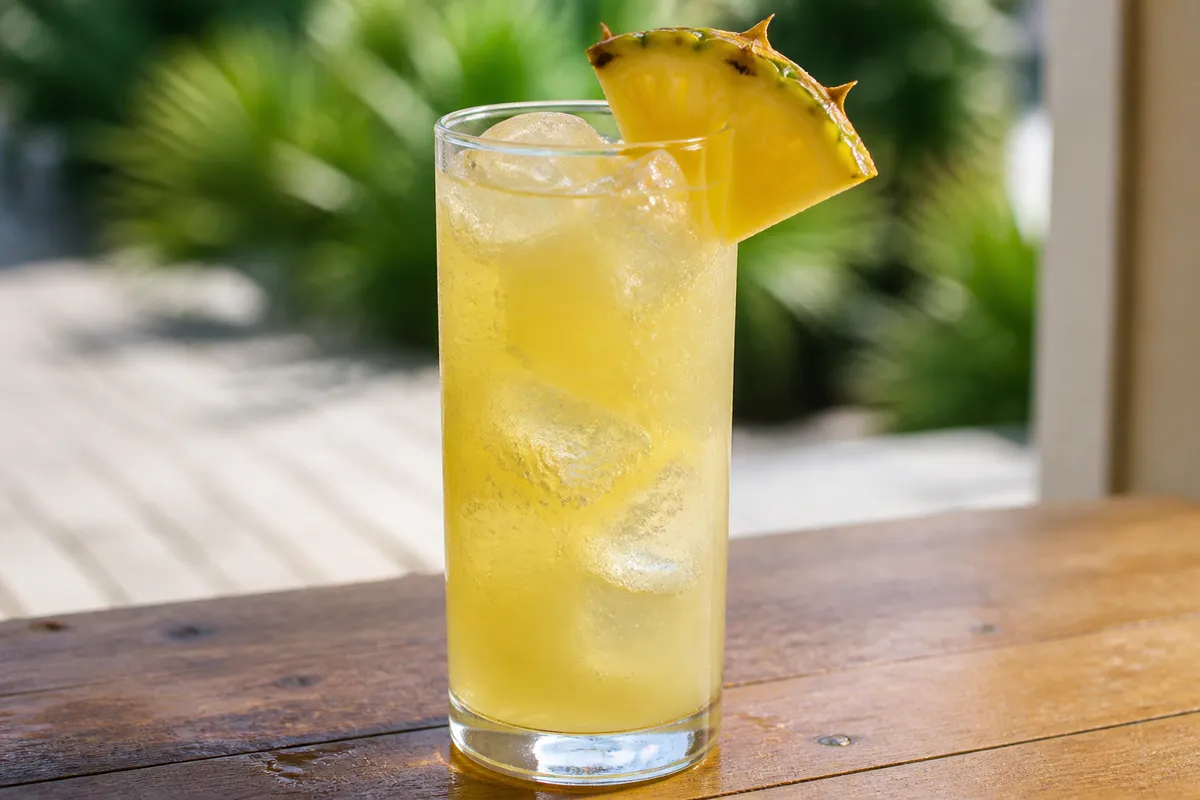
Barracuda
A sparkling tiki-style drink combining rum, pineapple, and Galliano.
Rum
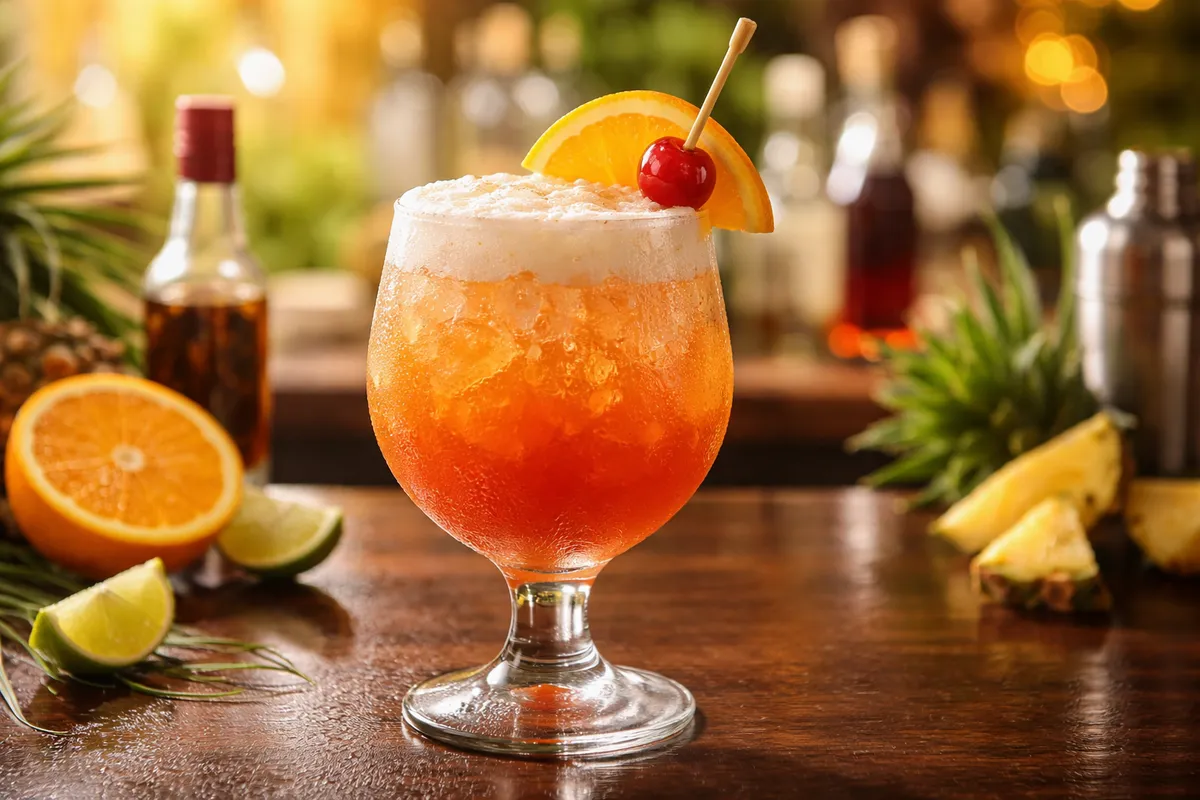
Bermuda Rum Swizzle
A tiki-style fruit punch swizzled to frothy perfection.